


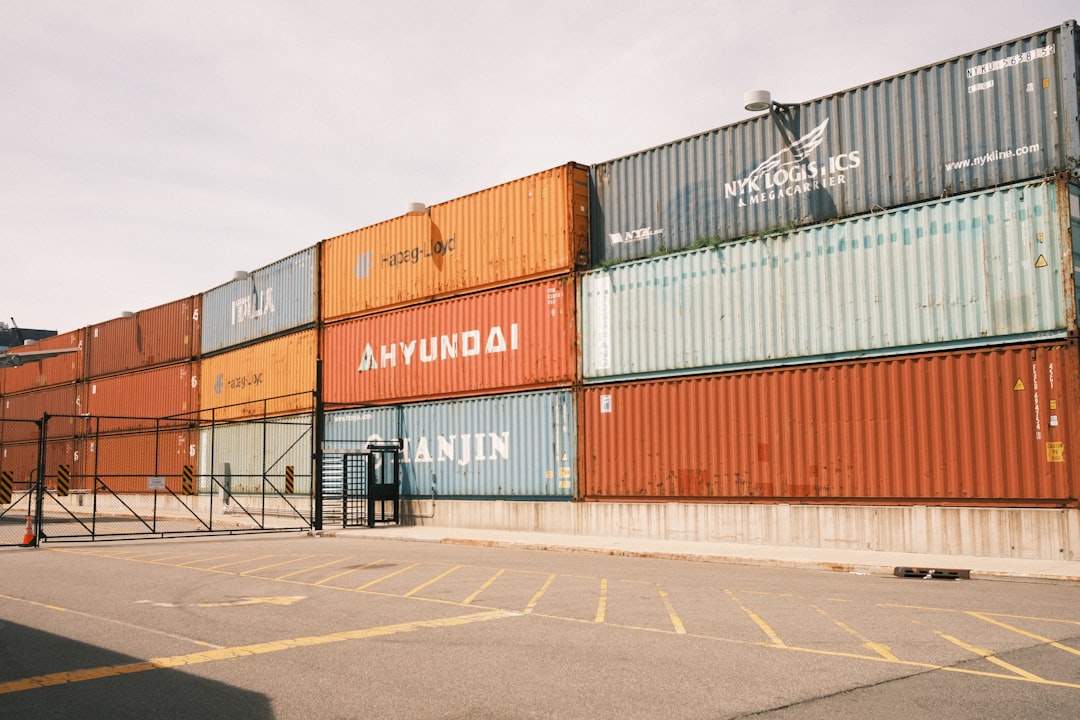
How can GCC logistics companies secure reliable, skilled drivers for critical port-to-warehouse operations? The seamless movement of shipping containers from bustling ports to distribution centers is the lifeblood of Gulf trade. Consequently, recruiting specialized container drivers port warehouse specialists presents a unique operational challenge. This guide provides a strategic framework for successful talent acquisition in this vital sector.
The GCC logistics market is expanding rapidly due to strategic diversification and e-commerce growth. Therefore, demand for skilled heavy vehicle operators has surged. Moreover, regional infrastructure projects and free zone developments increase transport complexity. Specialized drivers ensure cargo safety, regulatory compliance, and supply chain efficiency. Furthermore, they minimize costly delays and port congestion.
At Allianze HR Consultancy, we’ve successfully placed 10,000+ professionals across UAE, Saudi Arabia, Qatar, and Kuwait. Furthermore, our 5+ years of GCC expertise supports clients from 50+ countries. Moreover, our Ministry of External Affairs (India) RA license ensures compliance. Therefore, contact our recruitment specialists for expert guidance on building your transport team.
Understanding GCC Logistics Driver Requirements
Recruiting for port-to-warehouse transport demands specific criteria. First, candidates must possess valid heavy goods vehicle licenses recognized by GCC authorities. Additionally, experience with container handling equipment like twistlocks is essential. Furthermore, knowledge of port procedures and customs documentation is critical. Employers must verify these competencies thoroughly.
Regional considerations significantly impact hiring. For example, UAE and Saudi Arabia have distinct licensing conversion processes. Moreover, familiarity with Jebel Ali, King Abdulaziz Port, or Hamad Port operations is a major advantage. Also, drivers must adapt to extreme summer temperatures and long highway routes. Therefore, targeted recruitment focuses on these practical skills.
Key qualifications include a clean driving record and minimum experience levels. Typically, three to five years of container transport experience is required. Additionally, physical fitness and safety certification are mandatory. Furthermore, basic English or Arabic communication skills facilitate port clearance. Consequently, screening must assess both technical and soft skills.
- Valid HGV license with GCC equivalence
- Proven experience with 20ft/40ft container chassis
- Port security pass and hazardous materials awareness
- Understanding of Electronic Cargo Tracking (ECT) systems
- Clean criminal and driving record from country of origin
Container Drivers Port Warehouse Specialists Strategic Overview
A strategic approach to hiring container drivers port warehouse specialists ensures operational resilience. First, define the specific routes and cargo types your operation handles. For instance, refrigerated container transport requires additional certification. Moreover, assess whether you need drivers for dedicated contracts or flexible spot market coverage. This clarity guides the entire recruitment campaign.
Secondly, develop a compelling value proposition for candidates. The GCC transport sector is highly competitive. Therefore, offer clear career progression, modern fleet equipment, and fair scheduling. Additionally, provide transparent information about accommodation and benefits. Furthermore, highlight safety culture and training opportunities. This attracts higher-quality, more reliable drivers.
Finally, integrate recruitment with your broader logistics strategy. Specifically, align driver hiring with peak shipping seasons and new client contracts. Moreover, consider future automation trends and upskilling needs. Subsequently, a proactive talent pipeline prevents costly service gaps. Partnering with a specialist recruiter streamlines this strategic process significantly.
- Conduct a detailed transport operation audit
- Create candidate personas for different route specializations
- Benchmark compensation against regional market standards
- Develop a multi-channel sourcing and attraction plan
- Establish key performance indicators for recruitment success
Legal Framework and Compliance Standards
Navigating GCC labor and transport laws is non-negotiable. Each country mandates specific work permits and driver licensing. For example, Saudi Arabia requires a Commercial Registration (CR) for sponsoring drivers. Moreover, the UAE’s Federal Authority for Identity and Citizenship (ICA) oversees visa issuance. Compliance failures result in fines and operational shutdowns.
International standards also influence local regulations. The International Labour Organization occupational safety guidelines inform working hour limits. Additionally, OSHA warehousing industry standards relate to cargo handling safety. Furthermore, local ministries enforce strict vehicle maintenance and load securing rules. Therefore, legal knowledge is paramount.
Documentation compliance is a multi-stage process. Initially, employment contracts must meet Ministry of Labor templates. Subsequently, driver licenses require attestation and conversion. Moreover, medical fitness tests for heavy vehicle operators are mandatory. Also, security clearance from port authorities is essential. Consequently, meticulous document management prevents deployment delays.
- Secure Ministry of Labor quota approval before recruitment
- Ensure employment contracts are bilingual and attested
- Process driver license conversion through accredited centers
- Obtain mandatory health insurance and occupational hazard coverage
- Maintain digital records for all compliance certificates
Container Drivers Port Warehouse Specialists Best Practices
Implementing industry best practices elevates your recruitment outcomes. First, utilize competency-based behavioral interviews. Ask candidates to describe specific port unloading scenarios. Moreover, conduct practical assessments using a truck and trailer unit. This verifies their ability to reverse and secure containers safely. Furthermore, assess their route planning and fuel efficiency knowledge.
Secondly, prioritize comprehensive onboarding and integration. New drivers need thorough site inductions at both port and warehouse facilities. Additionally, pair them with experienced mentors for initial trips. Also, provide clear manuals on emergency procedures and client protocols. Consequently, effective onboarding reduces early attrition and safety incidents.
Another critical practice is continuous performance management. Establish clear metrics for on-time delivery, cargo safety, and vehicle care. Moreover, offer regular training on new regulations or technology. Furthermore, create a feedback loop where drivers report port access issues. This fosters engagement and operational excellence. Therefore, recruitment is just the first step in talent management.
- Implement structured technical and behavioral interview grids
- Develop a two-week phased onboarding and mentorship program
- Use telematics data to objectively assess driving performance
- Offer regular upskilling in defensive driving and cargo security
- Establish a driver recognition and retention reward program
Documentation and Processing Steps
The documentation journey for hiring a container driver is detailed. Initially, the employer must obtain a visa quota or work permit authorization. This involves submitting company documents to the relevant Ministry. Subsequently, the candidate begins gathering personal documents from their home country. Moreover, each document requires attestation from multiple authorities.
Key documents include attested educational certificates and a clean driving record. Additionally, a police clearance certificate is mandatory for security. Furthermore, medical tests for infectious diseases and overall fitness are required. Also, the driver’s existing HGV license must be authenticated. Therefore, employers should provide candidates with a precise checklist and support.
Finally, in-country processing completes the deployment. This includes biometric registration, Emirates ID application, and local license conversion. Moreover, the driver must undergo a final road test in some Emirates. Furthermore, port authority security passes and gate access cards are issued. Consequently, partnering with an expert ensures every step is completed accurately and efficiently. For more insights, explore our professional recruitment resources.
- Company trade license and chamber of commerce certificate
- Candidate’s passport copy and personal photos
- Attested experience certificates from previous logistics employers
- Medical fitness report from government-approved health centers
- Security clearance approval from port and customs authorities
Container Drivers Port Warehouse Specialists Implementation Timeline
A realistic timeline manages expectations for all stakeholders. Typically, the end-to-end process for deploying container drivers port warehouse specialists takes 6 to 10 weeks. However, this varies by GCC country and candidate readiness. The first phase involves sourcing and selection, which can take 2-3 weeks. Moreover, this includes advertising, screening, interviewing, and making an offer.
The second phase covers documentation and pre-departure formalities. This stage requires 3-4 weeks for most candidates. Furthermore, delays often occur during police clearance or attestation in the home country. Subsequently, visa stamping and flight arrangements add another week. Therefore, proactive follow-up with candidates is essential to maintain momentum.
The final phase is in-country processing and deployment. This includes medical testing, ID issuance, and license conversion. Moreover, it takes approximately 7-10 working days. Additionally, port security induction and site-specific training are necessary. Consequently, the total timeline from job order to productive deployment is two months on average. Planning for this duration prevents operational disruptions.
- Weeks 1-3: Sourcing, screening, and job offer
- Weeks 4-7: Document attestation and visa processing
- Week 8: Travel, medical exam, and biometric registration
- Week 9: License conversion and final administrative setup
- Week 10: Port induction and supervised route training
Common Challenges and Solutions
Recruiters and employers face several predictable challenges. First, verifying authentic driving experience is difficult. Some candidates present fraudulent certificates. The solution is rigorous background checks with previous employers. Moreover, practical driving assessments are non-negotiable. Furthermore, using verified databases helps confirm license authenticity.
Secondly, high attrition rates plague the transport sector. Drivers may leave for minor salary increases. To counter this, focus on non-monetary retention strategies. For example, provide quality accommodation and regular work schedules. Additionally, recognize good performance publicly. Moreover, ensure fair treatment and clear communication channels. Consequently, drivers feel valued and are less likely to leave.
Another major challenge is navigating frequent regulatory changes. GCC labor and transport laws evolve continuously. The solution is partnering with a consultancy that monitors these changes. For instance, UAE employment regulations are updated regularly. Additionally, resources like the World Bank trade and logistics reports provide context. Therefore, staying informed is a strategic imperative.
- Challenge: License fraud. Solution: Mandatory practical road tests.
- Challenge: High turnover. Solution: Structured career paths and engagement.
- Challenge: Regulatory complexity. Solution: Dedicated compliance expertise.
- Challenge: Port access delays. Solution: Pre-coordination and pass management.
- Challenge: Language barriers. Solution: Basic language training and visual guides.
Expert Recommendations for Success
To build a sustainable transport workforce, adopt a long-term perspective. First, invest in employer branding within driver communities. Position your company as a safe, fair, and professional employer. Moreover, use testimonials from current drivers in recruitment campaigns. Furthermore, participate in logistics job fairs and trade exhibitions. This creates a positive reputation that attracts talent.
Secondly, leverage technology for efficiency and safety. Implement telematics to monitor vehicle use and driver behavior. Additionally, use recruitment software to track candidates and compliance documents. Moreover, digital onboarding platforms streamline induction. Also, mobile apps can facilitate communication and scheduling. Therefore, technology reduces administrative burden and improves oversight.
Finally, foster a culture of safety and compliance above all. Regular training on World Health Organization occupational health principles is vital. Additionally, involve drivers in safety committee meetings. Moreover, reward accident-free records and fuel-efficient driving. Consequently, this culture protects your assets, reputation, and most importantly, your people. For tailored strategies, schedule consultation appointment with our team.
- Develop a dedicated transport recruitment brand and value proposition
- Integrate digital tools for candidate management and driver communication
- Establish a continuous training calendar focused on safety and compliance
- Build relationships with technical training institutes in source countries
- Conduct quarterly reviews of driver satisfaction and operational metrics
Frequently Asked Questions About Container Drivers Port Warehouse Specialists
What is the timeline for container drivers port warehouse specialists recruitment?
Timeline typically ranges 6-10 weeks depending on country requirements. Furthermore, documentation preparation affects processing speed. Therefore, consult our specialists for accurate estimates based on your specific ports and candidate profile.
What documentation is required for port-to-warehouse driver hiring?
Required documents include attested HGV license, experience certificates, police clearance, and medical reports. Additionally, port security pass applications are mandatory. Moreover, company trade license and quota approval are needed from the employer side.
How can I verify a driver’s experience with container handling?
Conduct a practical assessment using a chassis and container. Furthermore, ask scenario-based questions about twistlock use and load distribution. Additionally, verify certificates with previous employers and check for specific port operation experience.
What are the key compliance risks in GCC driver recruitment?
Major risks include improper license conversion, expired work permits, and inadequate insurance. Furthermore, non-compliance with International Labour Organization standards on working hours is common. Therefore, continuous legal monitoring is essential.
How does Allianze HR source qualified container drivers?
We utilize our extensive database, partnerships with driving institutes, and targeted advertising in key source countries. Moreover, we pre-screen candidates with technical tests and verify all documentation. Subsequently, we present only fully vetted, interview-ready candidates.
What support do you provide after driver placement?
Our support includes onboarding coordination, compliance follow-up for visa renewals, and periodic check-ins. Furthermore, we assist with any performance or integration issues. Moreover, we provide market intelligence on compensation trends to support your retention efforts.
Partner with Allianze HR for Logistics Recruitment Success
Recruiting specialized container drivers port warehouse specialists is a complex, high-stakes process. This guide has outlined the strategic, legal, and practical steps for GCC employers. From understanding specific driver requirements to navigating compliance, each phase demands expertise. Moreover, implementing best practices in screening and onboarding ensures long-term operational success. Therefore, a meticulous approach protects your supply chain investment.
The value of an expert partner cannot be overstated. Allianze HR brings deep regional knowledge and a vast talent network to your recruitment challenge. We manage the entire lifecycle, from sourcing to deployment and beyond. Furthermore, our compliance expertise mitigates legal risks. Additionally, our focus on quality matches ensures driver retention and performance. Consequently, you gain a reliable, skilled workforce that drives your logistics business forward.
Ready to strengthen your port-to-warehouse transport team? Begin by assessing your current and