


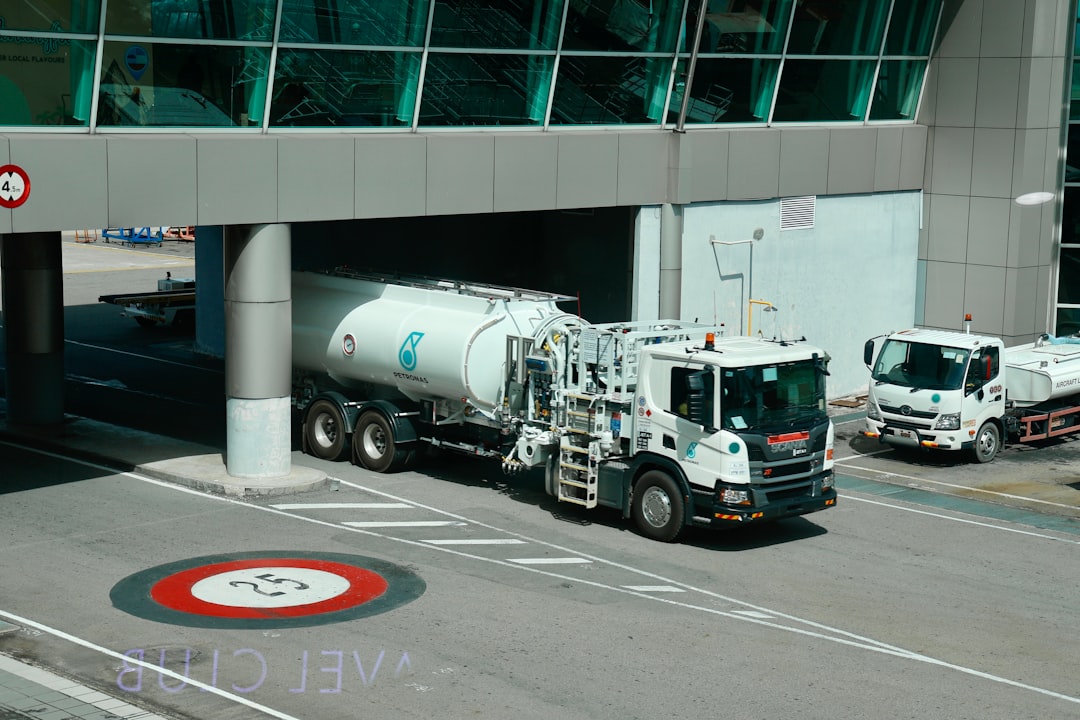
Are you struggling to recruit qualified tanker drivers for your liquid cargo transport operations in the GCC? Furthermore, the specialized nature of bulk liquid hauling demands a unique recruitment strategy. Consequently, securing skilled and compliant drivers is a critical challenge for logistics and oil & gas companies. This comprehensive guide to tanker drivers liquid cargo transport provides the expert insights you need for successful driver recruitment and team deployment.
The GCC’s dynamic economy relies heavily on the safe and efficient movement of liquid products. Moreover, from petroleum and chemicals to food-grade liquids, transport teams are essential. Therefore, understanding the regional labor landscape for this niche is vital. Additionally, compliance with stringent safety and visa regulations adds complexity to the hiring process. Ultimately, a strategic approach ensures operational reliability and legal adherence.
At Allianze HR Consultancy, we’ve successfully placed 10,000+ professionals across UAE, Saudi Arabia, Qatar, and Kuwait. Furthermore, our 5+ years of GCC expertise supports clients from 50+ countries. Moreover, our Ministry of External Affairs (India) RA license ensures compliance. Therefore, contact our recruitment specialists for expert guidance on building your liquid transport workforce. Our dedicated team streamlines the entire talent acquisition process for bulk liquid hauling.
Understanding GCC Liquid Transport Driver Requirements
Recruiting for bulk liquid hauling in the Gulf requires specific knowledge. First, drivers must possess specialized licenses beyond standard heavy vehicle permits. Additionally, they need certifications for handling hazardous materials (HAZMAT). Furthermore, experience with specific tanker types, like chemical or fuel tankers, is often mandatory. Consequently, screening for these technical qualifications is the first critical step.
Regional employers also prioritize safety records and cultural adaptability. For example, long-haul routes across desert conditions demand proven experience. Moreover, understanding local traffic laws and company protocols is essential. Therefore, a thorough assessment process is non-negotiable. Partnering with experts who understand these nuances ensures you source the right talent efficiently.
- Valid home country heavy goods vehicle (HGV) license with tanker endorsement.
- Internationally recognized HAZMAT and ADR (European Agreement) certifications.
- Minimum 3-5 years of documented experience in bulk liquid transport.
- Clean driving record and verifiable employment history.
- Medical fitness certificate meeting GCC transport industry standards.
- Basic English/Arabic communication skills for logistics coordination.
Tanker Drivers Liquid Cargo Transport Strategic Overview
A successful tanker drivers liquid cargo transport strategy involves more than just filling vacancies. Specifically, it requires a holistic view of workforce planning. First, analyze your project timelines and fleet expansion plans. Next, identify the mix of driver seniority and specialization needed. Furthermore, consider the competitive salary and benefit packages required in the GCC market.
Moreover, integrating your driver recruitment with overall logistics planning is crucial. For instance, driver availability impacts delivery schedules and client contracts. Therefore, proactive talent pipeline development prevents operational bottlenecks. Additionally, building relationships with training institutes can secure a future talent stream. Ultimately, a strategic overview aligns your manpower supply with business growth objectives.
- Conduct a detailed manpower gap analysis for your transport division.
- Benchmark competitive compensation, including housing and overtime allowances.
- Develop a multi-channel sourcing strategy targeting experienced driver pools.
- Create a clear career progression path to enhance retention.
- Implement a robust onboarding program focused on company safety culture.
- Establish key performance indicators (KPIs) for driver recruitment efficiency.
Legal Framework and Compliance Standards
Navigating the legal framework for driver employment in the GCC is complex. Specifically, each country has distinct labor and immigration laws. For example, Saudi Arabia’s Ministry of Labor regulations govern work permits and contracts. Similarly, UAE visa processes are managed through official portals. Consequently, non-compliance risks fines and operational shutdowns.
International standards also play a significant role. The International Labour Organization sets guidelines for occupational safety in transport. Additionally, OSHA warehousing industry standards influence handling procedures. Therefore, your recruitment partner must be versed in both local and global mandates. This dual expertise protects your company and your workforce.
- Secure the correct employment visa (e.g., UAE’s Mission Driver visa category).
- Ensure labor contracts are attested by the Ministry of Human Resources.
- Verify driver certifications are recognized by GCC transport authorities.
- Adhere to maximum working hours and mandatory rest period laws.
- Provide mandatory health insurance as per local regulations.
- Maintain meticulous records for inspection and audit purposes.
Tanker Drivers Liquid Cargo Transport Best Practices
Implementing proven best practices elevates your tanker drivers liquid cargo transport recruitment. First, develop a competency-based interview framework. This approach assesses technical knowledge, safety awareness, and problem-solving skills. Moreover, incorporate practical assessments, such as vehicle inspection tests. Consequently, you validate a candidate’s hands-on ability beyond their paperwork.
Furthermore, fostering a strong safety culture from day one is paramount. Specifically, integrate safety training into the onboarding process. Additionally, regular refresher courses on spill response and route hazards are essential. Therefore, partnering with a recruiter who pre-screens for safety consciousness is invaluable. This practice reduces workplace incidents and associated liabilities.
- Use structured behavioral interviews focusing on past incident handling.
- Implement simulator or practical driving tests for shortlisted candidates.
- Conduct thorough background checks, including reference verification.
- Develop a comprehensive driver induction manual specific to liquid cargo.
- Establish a continuous professional development program for drivers.
- Leverage technology for tracking driver performance and compliance.
Documentation and Processing Steps
Accurate documentation is the backbone of compliant driver deployment. The process begins with credential verification. Specifically, educational certificates, driving licenses, and experience letters require attestation. Subsequently, these documents must be legalized by the home country’s embassy and the GCC country’s foreign ministry. Therefore, meticulous document management prevents visa processing delays.
Next, the employment contract must align with GCC labor law. Key elements include salary, working hours, benefits, and termination clauses. Moreover, the contract requires official stamping from the relevant labor department. Additionally, medical fitness tests for infectious diseases are mandatory. Finally, obtaining the resident ID (like Emirates ID) completes the process. Consequently, an organized step-by-step approach is critical.
- Collect and attest passport, driver’s license, and technical certificates.
- Draft and attest the bilingual (Arabic/English) employment contract.
- Submit visa application through the employer’s sponsorship portal.
- Arrange for a government-approved medical fitness test.
- Apply for the national ID card upon entry into the GCC country.
- Secure the final driving license conversion or local permit.
Tanker Drivers Liquid Cargo Transport Implementation Timeline
Understanding the realistic timeline for tanker drivers liquid cargo transport team deployment is crucial for planning. Typically, the end-to-end process spans 6 to 10 weeks. However, this duration depends on the source country and specific GCC destination. First, the sourcing and selection phase takes 2-3 weeks. Subsequently, documentation preparation and attestation require another 1-2 weeks.
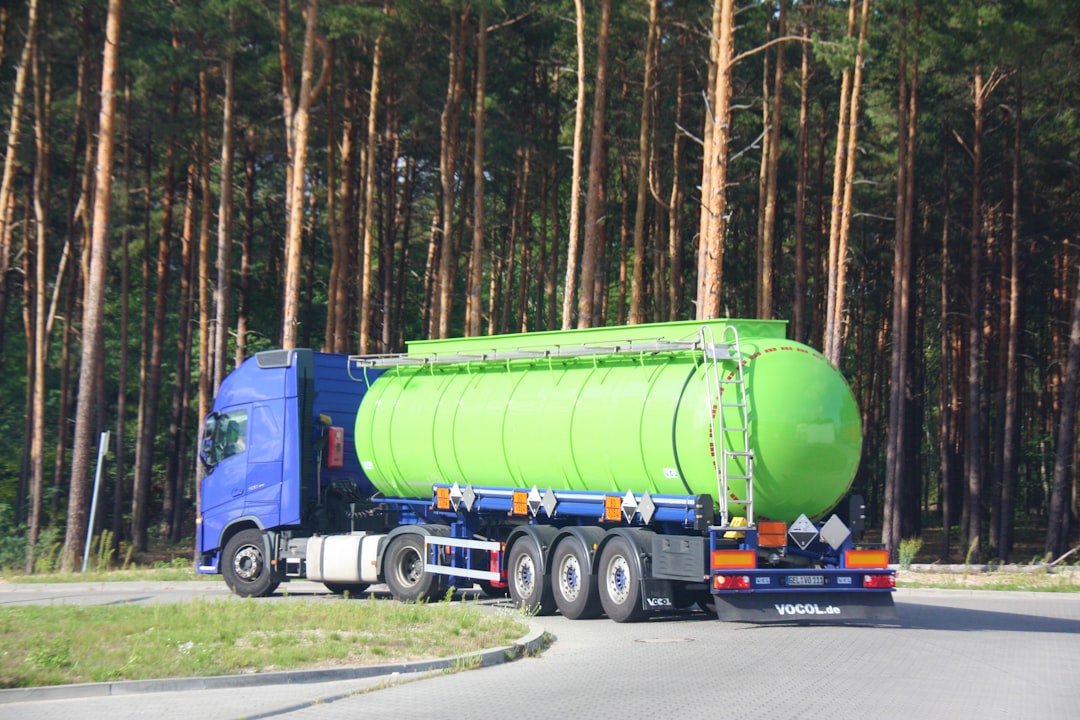
Meanwhile, visa processing and medical clearance often take 2-3 weeks. Finally, travel arrangements and local onboarding add the final week. Therefore, proactive timeline management prevents project delays. Furthermore, factors like public holidays and document verification backlogs can extend periods. Hence, building buffer time into your project schedule is a wise strategy.
- Weeks 1-3: Candidate sourcing, screening, interviews, and job offer.
- Weeks 3-5: Document collection, attestation, and contract finalization.
- Weeks 5-7: Visa application submission, approval, and medical testing.
- Weeks 7-8: Flight booking, airport pickup, and initial accommodation.
- Weeks 8-10: Local registration, license conversion, and site-specific training.
- Ongoing: Performance monitoring and continuous compliance checks.
Common Challenges and Solutions
Employers face several common challenges in bulk liquid driver recruitment. First, a global shortage of certified tanker drivers creates intense competition. Moreover, high turnover rates in the transport sector exacerbate this issue. Additionally, navigating frequent changes in GCC labor policy adds complexity. Consequently, companies struggle with consistent team availability and compliance.
Fortunately, strategic solutions exist. For example, developing a retention-focused work environment reduces turnover. This includes fair compensation, clear communication, and respect. Furthermore, leveraging a recruitment partner with a pre-vetted talent pool accelerates hiring. Also, using technology for professional recruitment resources streamlines candidate management. Therefore, proactive problem-solving turns challenges into operational advantages.
- Challenge: High demand and low supply of experienced drivers. Solution: Build partnerships with specialized driving academies.
- Challenge: Complex and changing visa regulations. Solution: Partner with a licensed consultancy for compliance assurance.
- Challenge: Verification of international experience and licenses. Solution: Implement a rigorous, multi-step verification process.
- Challenge: Cultural and language integration issues. Solution: Provide pre-departure and post-arrival orientation programs.
- Challenge: Ensuring consistent safety standards. Solution: Mandate regular, certified safety training for all drivers.
Expert Recommendations for Success
To ensure long-term success in liquid cargo driver recruitment, follow these expert recommendations. First, prioritize quality and compliance over speed. Rushed hires often lead to safety incidents and legal problems. Moreover, invest in your drivers’ professional development. Specifically, training in advanced defensive driving or new regulations adds value. Consequently, you build a loyal, skilled workforce that grows with your company.
Additionally, embrace digital tools for recruitment and management. For instance, applicant tracking systems (ATS) improve candidate experience. Furthermore, fleet management software monitors driver performance and compliance. Also, stay informed on World Bank trade and logistics trends affecting transport. Therefore, a forward-thinking approach future-proofs your operations. Finally, schedule a consultation appointment to develop a customized strategy.
- Treat driver recruitment as a strategic investment, not a cost center.
- Build an employer brand known for safety, fairness, and opportunity.
- Develop a contingency plan for sudden driver attrition or project surges.
- Regularly audit your recruitment and compliance processes for improvements.
- Foster strong communication channels between drivers, dispatchers, and management.
- Choose a recruitment partner with proven sector experience and legal expertise.
Frequently Asked Questions About Tanker Drivers Liquid Cargo Transport
What is the timeline for tanker drivers liquid cargo transport recruitment?
Timeline typically ranges 6-10 weeks depending on country requirements. Furthermore, documentation preparation affects processing speed. Therefore, consult our specialists for accurate estimates based on your specific needs.
What documentation is required for bulk liquid hauling driver recruitment?
Required documents include attested driving licenses, HAZMAT certificates, experience letters, passport copies, and educational credentials. Additionally, country-specific requirements vary. Moreover, medical fitness certificates are mandatory for visa processing.
How do GCC safety regulations impact driver hiring?
GCC regulations mandate specific safety training and certifications, like those aligned with World Health Organization occupational health principles. Employers must verify these credentials and provide ongoing safety instruction to ensure compliance with local authorities.
What are the key differences in hiring for chemical vs. fuel tankers?
Chemical tanker drivers often require additional specialized certifications for handling hazardous materials. Furthermore, experience with specific cleaning and segregation procedures is crucial. Conversely, fuel tanker recruitment focuses on petroleum safety standards and high-volume logistics. Each sector demands distinct technical knowledge.
How can employers improve driver retention in the GCC?
Improving retention involves offering competitive packages, clear career paths, and quality accommodation. Additionally, respecting work-hour regulations and fostering a respectful safety culture are essential. Moreover, regular engagement and addressing concerns promptly build long-term loyalty.
Does Allianze HR assist with license conversion for international drivers?
Yes, we provide end-to-end support, including guiding drivers through the local license conversion process. This involves understanding the requirements of each GCC emirate or kingdom, arranging necessary tests, and coordinating with traffic departments to ensure a smooth transition to legal driving status.
Partner with Allianze HR for Liquid Transport Success
Building a reliable and compliant team for tanker drivers liquid cargo transport is a multifaceted endeavor. As outlined, it requires strategic planning, deep legal knowledge, and rigorous execution. Furthermore, the GCC’s competitive and regulated market demands expert navigation. Therefore, attempting this complex process alone can lead to costly delays and compliance risks.
Allianze HR Consultancy offers the specialized expertise you need. With our extensive network across South Asia and the Middle East, we connect you with pre-vetted, certified drivers. Moreover, our compliance team ensures every step adheres to UAE employment regulations and regional standards. Consequently, you gain peace of mind and a ready-to-deploy workforce. Let us handle the complexities while you focus on your core logistics operations.
Ready to streamline your bulk liquid hauling driver recruitment? Contact our dedicated team today for a customized solution. We provide end-to-end management from sourcing to onboarding. Furthermore, our proven track record across the GCC ensures your project’s success. Therefore, take the first step toward building a superior transport team. Reach out to Allianze HR now and transform your recruitment challenges into strategic advantages.