


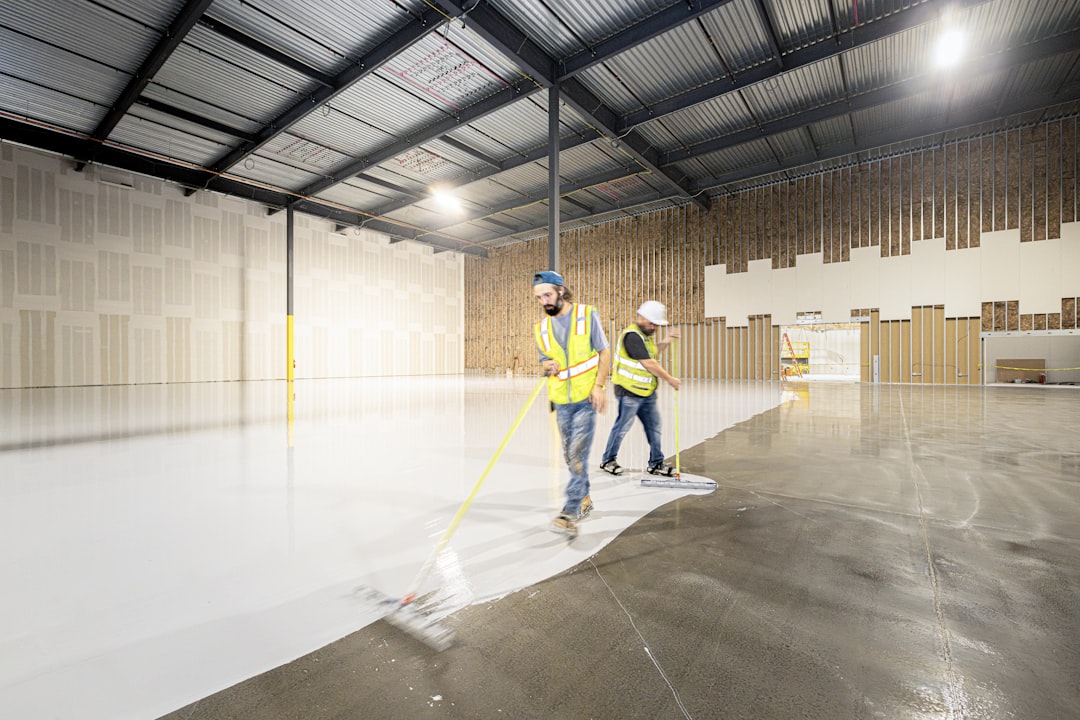
How can manufacturing leaders optimize their production floors for peak efficiency and safety? In the competitive GCC industrial landscape, the role of a Production Supervisor is pivotal. These professionals bridge strategic goals with daily operations. Consequently, effective production supervisors floor management directly impacts output, quality, and profitability. This guide explores leadership and recruitment strategies essential for success.
The manufacturing sector across the Gulf is undergoing rapid transformation. Furthermore, initiatives like Saudi Vision 2030 and UAE Operation 300bn demand operational excellence. Therefore, skilled floor leadership is no longer optional. It is a critical component of industrial growth. Moreover, understanding regional labor dynamics and compliance is key for sustainable operations.
At Allianze HR Consultancy, we’ve successfully placed 10,000+ professionals across UAE, Saudi Arabia, Qatar, and Kuwait. Furthermore, our 5+ years of GCC expertise supports clients from 50+ countries. Moreover, our Ministry of External Affairs (India) RA license ensures compliance. Therefore, contact our recruitment specialists for expert guidance on building your supervisory team.
Understanding GCC Manufacturing Leadership Requirements
GCC manufacturing environments present unique challenges and opportunities. First, the workforce is often multinational. This requires cultural intelligence from supervisors. Second, regional regulations prioritize worker safety and rights. Third, industries range from petrochemicals to food processing. Each sector has specific technical demands.
Therefore, a successful supervisor must master multiple competencies. Technical knowledge of the production line is fundamental. Additionally, leadership and communication skills are vital. Supervisors must motivate diverse teams effectively. Moreover, they must ensure strict adherence to safety protocols. Understanding these requirements shapes effective recruitment.
Key competencies include:
- Process optimization and lean manufacturing principles.
- Cross-cultural team management and conflict resolution.
- Thorough knowledge of local labor laws, including those from the International Labour Organization.
- Proficiency in quality control systems like Six Sigma.
- Ability to manage Key Performance Indicators (KPIs) and production data.
Employers must define these needs clearly. Subsequently, they can build accurate job descriptions. This precision attracts the right talent from the start.
Production Supervisors Floor Management Strategic Overview
Effective production supervisors floor management is a strategic function, not just an operational one. It translates business objectives into actionable floor plans. Consequently, supervisors control workflow, resource allocation, and output quality. Their decisions directly affect the bottom line. Therefore, a strategic recruitment approach is essential.
First, align supervisory roles with corporate goals. For instance, a focus on export quality requires supervisors with strong QA backgrounds. Alternatively, rapid expansion needs leaders skilled in team scaling. This alignment ensures new hires contribute to strategic aims immediately. Moreover, it justifies the investment in talent acquisition.
Second, consider the technological landscape. Modern manufacturing integrates IoT and automation. Thus, supervisors need digital literacy. They must interpret data from smart machines. Furthermore, they should troubleshoot basic technical issues. This reduces downtime and maintains productivity. Resources from the World Bank highlight this global shift.
Finally, integrate compliance into daily management. Supervisors enforce safety standards in real-time. They are the first line of defense against accidents. Their vigilance ensures adherence to both company policy and GCC regulations.
Legal Framework and Compliance Standards
Navigating the GCC legal landscape is crucial for manufacturing employers. Each country has distinct labor laws. For example, Saudi Arabia’s Ministry of Labor sets specific wage protection systems. Similarly, the UAE has stringent health and safety codes. Non-compliance results in heavy fines and operational delays.
Therefore, supervisors must be compliance champions. They ensure all floor activities meet legal standards. This includes working hours, overtime pay, and break entitlements. Moreover, they manage documentation like safety permits and incident reports. Proper record-keeping is essential during inspections.
Key compliance areas for supervisors include:
- Occupational Health and Safety (OHS) standards aligned with OSHA guidelines.
- Wage Protection System (WPS) implementation and monitoring.
- Visa and labor card validity for all team members.
- Proper handling of hazardous materials as per local regulations.
- Emergency response and evacuation procedure training.
Partnering with a knowledgeable recruiter mitigates these risks. Experts verify a candidate’s familiarity with regional laws. This proactive step prevents future legal complications.
Production Supervisors Floor Management Best Practices
Implementing proven best practices elevates production supervisors floor management from adequate to exceptional. First, establish clear communication channels. Daily briefings and visual management boards keep teams aligned. Consequently, misunderstandings decrease and efficiency rises. Moreover, transparent communication builds trust and accountability.
Second, prioritize continuous training. Manufacturing technologies and methods evolve rapidly. Therefore, invest in upskilling your supervisory team. This includes technical training and soft skills development. For instance, conflict management courses improve team cohesion. Additionally, knowledge of WHO occupational health standards promotes wellbeing.
Third, implement data-driven decision-making. Equip supervisors with tools to track real-time metrics. Key metrics include Overall Equipment Effectiveness (OEE), defect rates, and on-time delivery. Analyzing this data identifies bottlenecks. Subsequently, supervisors can implement targeted improvements.
Finally, foster a culture of safety and quality. Supervisors must lead by example. They should consistently enforce safety gear usage and standard operating procedures. Recognizing teams for safe practices reinforces this culture. This approach reduces accidents and improves product quality simultaneously.
Documentation and Processing Steps
Recruiting a production supervisor involves meticulous documentation. First, prepare a detailed job description. This document outlines responsibilities, qualifications, and reporting lines. It serves as a foundation for the entire process. Moreover, it sets clear expectations for candidates.
Second, manage the visa and labor permit process. GCC countries require specific documents for work authorization. These typically include attested educational certificates, experience letters, and a valid passport. Additionally, medical fitness certificates are mandatory. Each Emirate or Kingdom has unique attestation chains. Therefore, accuracy is paramount to avoid rejection.
Essential documents include:

- Attested degree/diploma certificates and transcripts.
- Previous experience certificates with detailed job descriptions.
- Passport copies with minimum validity of six months.
- Passport-sized photographs meeting biometric specifications.
- Medical clearance certificate from approved centers.
- Signed employment contract in Arabic and English.
Third, plan the onboarding process. Effective onboarding integrates the new supervisor into company culture. It also covers operational training on specific machinery and software. A structured onboarding program accelerates productivity. It also demonstrates organizational professionalism and care.
Production Supervisors Floor Management Implementation Timeline
A realistic timeline is critical for successful production supervisors floor management recruitment. Rushing the process leads to poor hiring decisions. Conversely, excessive delays disrupt operations. Typically, the end-to-end process takes 6 to 10 weeks. This depends on candidate availability and government processing speed.
Weeks 1-2 involve needs analysis and job posting. During this phase, refine the job specification. Then, advertise across relevant channels. Simultaneously, begin preliminary candidate screening. This stage sets the quality benchmark for all applicants.
Weeks 3-5 focus on interviews and selection. Conduct technical and behavioral interviews. Additionally, consider practical assessments. For example, a scenario-based test on resolving a production stoppage is useful. Subsequently, perform reference and background checks. Once a candidate is selected, issue the official offer letter.
Weeks 6-10 cover visa processing and mobilization. This includes document attestation, medical testing, and visa stamping. Finally, arrange travel and initial accommodation. A smooth transition onto the production floor is the ultimate goal. Planning each step prevents last-minute chaos.
Common Challenges and Solutions
Employers face several challenges in recruiting and retaining top supervisory talent. First, a skills gap often exists between theoretical knowledge and practical GCC experience. Many candidates understand manufacturing principles. However, few know regional labor dynamics. The solution is targeted recruitment from markets with GCC exposure.
Second, high turnover can destabilize production teams. Frequently, supervisors leave for marginally better offers. To counter this, build a compelling value proposition. Competitive salary is important. Moreover, offer clear career progression paths and professional development opportunities. A positive work environment is a powerful retention tool.
Third, cultural integration issues can hinder performance. A supervisor may struggle to manage a multicultural team. Providing cross-cultural training for both the supervisor and the team mitigates this. Additionally, pairing the new hire with a mentor accelerates adaptation.
Finally, keeping pace with regulatory changes is difficult. GCC labor laws update periodically. The solution is continuous education. Subscribe to official updates from the UAE government portal and similar sources. Furthermore, partner with HR consultants who monitor these changes professionally.
Expert Recommendations for Success
To build a world-class production leadership team, follow these expert recommendations. First, look beyond technical skills. While process knowledge is crucial, leadership character is irreplaceable. Seek candidates who demonstrate integrity, resilience, and empathy. These traits inspire teams during high-pressure situations.
Second, invest in employer branding. Top talent chooses employers with strong reputations. Showcase your company’s commitment to safety, innovation, and employee welfare. Utilize your professional recruitment resources to build this narrative. A positive brand attracts higher-quality applicants passively.
Third, streamline the internal handover process. When a new supervisor arrives, ensure existing team leads provide comprehensive operational briefings. This includes introductions to key personnel and suppliers. A structured handover reduces the learning curve significantly.
Finally, establish Key Performance Indicators (KPIs) from day one. Clear metrics for safety, quality, output, and team morale allow for objective performance reviews. Regularly discuss these KPIs with your supervisor. This data-driven approach fosters continuous improvement and accountability.
Frequently Asked Questions About Production Supervisors Floor Management
What is the timeline for Production Supervisors floor management recruitment?
The complete recruitment and deployment timeline typically ranges from 6 to 10 weeks. This includes sourcing, interviewing, visa processing, and mobilization. Furthermore, documentation preparation affects processing speed. Therefore, consult our specialists for a precise project plan.
What documentation is required for manufacturing supervisor hiring?
Required documents include attested educational certificates, detailed experience letters, passport copies, and medical reports. Additionally, a signed employment contract is mandatory. Moreover, country-specific attestation procedures apply for all academic and professional documents.
What are the key skills for a production supervisor in the GCC?
Essential skills include lean manufacturing knowledge, cross-cultural team leadership, KPI management, and strict safety compliance. Furthermore, familiarity with GCC labor laws and basic digital literacy for modern machinery are increasingly important.
How does Allianze HR ensure legal compliance in recruitment?
We maintain a Ministry-approved RA license under The Emigration Act, 1983. Additionally, our team monitors GCC labor law changes continuously. Moreover, we conduct thorough documentation verification at every recruitment stage to prevent compliance issues.
Which GCC manufacturing sectors does Allianze HR serve?
We provide recruitment services for diverse manufacturing sectors including petrochemicals, pharmaceuticals, food and beverage, metals, plastics, and FMCG. Furthermore, our expertise covers both heavy industry and light assembly plant environments.
What is the best way to start the recruitment process?
Begin with a detailed consultation to define your specific needs and challenges. The most efficient step is to schedule a consultation appointment with our industry specialists. We will then develop a tailored talent acquisition strategy for your organization.
Partner with Allianze HR for Manufacturing Leadership Success
Effective production supervisors floor management is the cornerstone of manufacturing excellence. This guide has outlined the strategic, operational, and compliance aspects of recruiting these vital leaders. From understanding GCC-specific requirements to navigating visa processing, each step demands expertise. Furthermore, retaining top talent requires a supportive and growth-oriented environment.
Ultimately, the right supervisor transforms your production floor. They optimize processes, ensure safety, and lead your workforce to meet ambitious targets. Therefore, investing in a meticulous recruitment process yields substantial returns. It enhances productivity, ensures compliance, and drives sustainable growth.
Allianze HR Consultancy specializes in connecting GCC manufacturers with exceptional supervisory talent. Our deep regional knowledge and extensive candidate network streamline your hiring. We handle the complexities of compliance and logistics, allowing you to focus on core operations. Let us help you build a leadership team that propels your manufacturing success forward. Contact our HR specialists today to begin.