



How can manufacturing and logistics companies in the GCC optimize their final product delivery? Furthermore, the efficiency of your shipping coordinators finished goods dispatch team directly impacts customer satisfaction and profitability. Moreover, in the competitive Gulf markets, a skilled dispatch team ensures timely deliveries and compliance with complex regional logistics. Therefore, mastering the recruitment and management of these professionals is a critical business imperative. This guide provides a comprehensive framework for building a world-class shipping coordinators finished goods dispatch operation.
The GCC’s manufacturing and export sectors are experiencing significant growth. Consequently, demand for proficient logistics personnel has surged. Additionally, regional complexities like customs clearance and last-mile delivery require specialized knowledge. Specifically, shipping coordinators manage documentation, carrier relations, and real-time tracking. Their role bridges production and customer fulfillment seamlessly.
At Allianze HR Consultancy, we’ve successfully placed 10,000+ professionals across UAE, Saudi Arabia, Qatar, and Kuwait. Furthermore, our 5+ years of GCC expertise supports clients from 50+ countries. Moreover, our Ministry of External Affairs (India) RA license ensures compliance. Therefore, contact our recruitment specialists for expert guidance on building your logistics talent pipeline. We understand the precise skills needed for efficient finished goods dispatch.
Understanding GCC Logistics and Dispatch Requirements
Gulf logistics networks present unique operational challenges. First, multi-modal transport involving sea, air, and land is common. Second, free zone regulations and customs procedures vary between emirates and kingdoms. Additionally, extreme climate conditions can affect shipping schedules and goods integrity. Therefore, logistics teams must possess robust contingency planning skills.
Furthermore, customer expectations for speed and transparency continue to rise. E-commerce growth has accelerated delivery timelines across the region. Moreover, compliance with standards like ISO 28000 for supply chain security is increasingly important. Consequently, dispatch coordinators must be adept with technology and risk management. They ensure products move from warehouse to client without incident.
- Navigating customs documentation for GCC and international trade.
- Managing relationships with freight forwarders and shipping lines.
- Implementing tracking systems for real-time shipment visibility.
- Ensuring packaging meets international and regional safety standards.
- Coordinating last-mile delivery partners in urban and remote areas.
- Adhering to Incoterms 2020 for accurate liability and cost allocation.
Partnering with a recruitment firm that grasps these nuances is vital. Specifically, Allianze HR identifies candidates with proven GCC logistics experience. Our screening process evaluates both technical knowledge and regional adaptability.
Shipping Coordinators Finished Goods Dispatch Strategic Overview
A strategic approach to your shipping coordinators finished goods dispatch function transforms logistics from a cost center to a value driver. Initially, define the team’s role within your broader supply chain. Are they executors or strategic planners? Furthermore, integrate dispatch activities with inventory management and production scheduling. This prevents bottlenecks and stockouts.
Moreover, technology integration is non-negotiable for modern dispatch operations. Transportation Management Systems (TMS) and Warehouse Management Systems (WMS) must communicate seamlessly. Additionally, data analytics from these platforms inform carrier performance and route optimization. Consequently, recruit coordinators who are digitally literate and analytical.
- Align dispatch KPIs with overall business objectives (e.g., On-Time In-Full).
- Develop a multi-skilled team capable of handling peaks and staff shortages.
- Establish clear communication protocols with sales, production, and customer service.
- Implement a continuous improvement culture for process optimization.
- Secure management buy-in for necessary technology and training investments.
- Benchmark performance against regional industry standards for logistics.
Therefore, building a strategic dispatch team requires intentional design. For expert support in this strategic hiring, explore our professional recruitment resources.
Legal Framework and Compliance Standards
GCC logistics operations are governed by a web of national and international regulations. First, each country has specific commercial transport laws. For instance, Saudi Arabia’s Logistics Law and the UAE’s Federal Law on Commercial Transactions contain crucial provisions. Additionally, international conventions like SOLAS (Safety of Life at Sea) affect packaging and documentation.
Furthermore, customs compliance is a major responsibility for dispatch teams. Incorrect Harmonized System (HS) codes or certificates of origin cause costly delays. Moreover, sanctions lists and dual-use goods regulations require diligent screening. Consequently, coordinators must receive ongoing training on regulatory updates. Non-compliance risks fines and reputational damage.
Key compliance areas include:
- Adherence to International Labour Organization standards for warehouse worker safety.
- Following OSHA warehousing industry standards for material handling.
- Compliance with UAE employment regulations for dispatch staff contracts.
- Understanding Saudi Ministry of Labor regulations for shift and overtime rules.
- Implementing guidelines from the World Health Organization occupational health for hazardous materials.
Thus, your recruitment process must prioritize candidates with a strong compliance mindset. Verify their experience with GCC-specific logistics documentation and procedures.
Shipping Coordinators Finished Goods Dispatch Best Practices
Implementing industry best practices elevates your shipping coordinators finished goods dispatch team from good to exceptional. First, standardize operating procedures (SOPs) for every dispatch activity. These SOPs cover order verification, loading checks, and documentation preparation. Furthermore, they ensure consistency and reduce errors during staff transitions.
Moreover, foster a culture of safety and precision. Loading dock incidents and mis-shipments are costly. Therefore, conduct regular safety audits and implement pre-departure checklists. Additionally, invest in ergonomic equipment and proper training for manual handling. This protects your workforce and your cargo.
- Utilize barcode/RFID scanning for 99.9%+ order accuracy.
- Conduct daily briefings to communicate priorities and potential disruptions.
- Implement a robust returns and reverse logistics process.
- Develop strong relationships with a curated panel of reliable carriers.
- Use performance dashboards to monitor cost per shipment and on-time rates.
- Empower coordinators to resolve minor issues without escalating delays.
Consequently, hiring individuals who are process-oriented and proactive is essential. Look for candidates who suggest improvements, not just follow orders. For a team that embodies these best practices, schedule consultation appointment with our logistics recruitment experts.
Documentation and Processing Steps
Accurate documentation is the backbone of successful goods dispatch. The process begins with the commercial invoice and packing list. These documents must match exactly to avoid customs holds. Furthermore, specific shipments require certificates of origin, health certificates, or material safety data sheets (MSDS). Therefore, coordinators must have meticulous attention to detail.
Next, the bill of lading or air waybill acts as the contract of carriage and title document. Errors here can transfer liability incorrectly or delay payment. Additionally, insurance certificates must be in order before goods leave the facility. Moreover, digital documentation systems now allow for pre-clearance in many GCC ports. This significantly reduces dwell time.
Key processing steps include:
- Order Receipt and Verification against inventory.
- Picking and Packing with quality control checks.
- Documentation Preparation and cross-referencing.
- Carrier Booking and Label Generation.
- Loading Supervision and Seal Verification.
- Dispatch and Real-Time Tracking Communication.
- Proof of Delivery (POD) Collection and Filing.
Hence, recruitment should assess a candidate’s experience with this end-to-end documentation flow. Scenario-based interviews can reveal their practical knowledge and problem-solving skills under pressure.
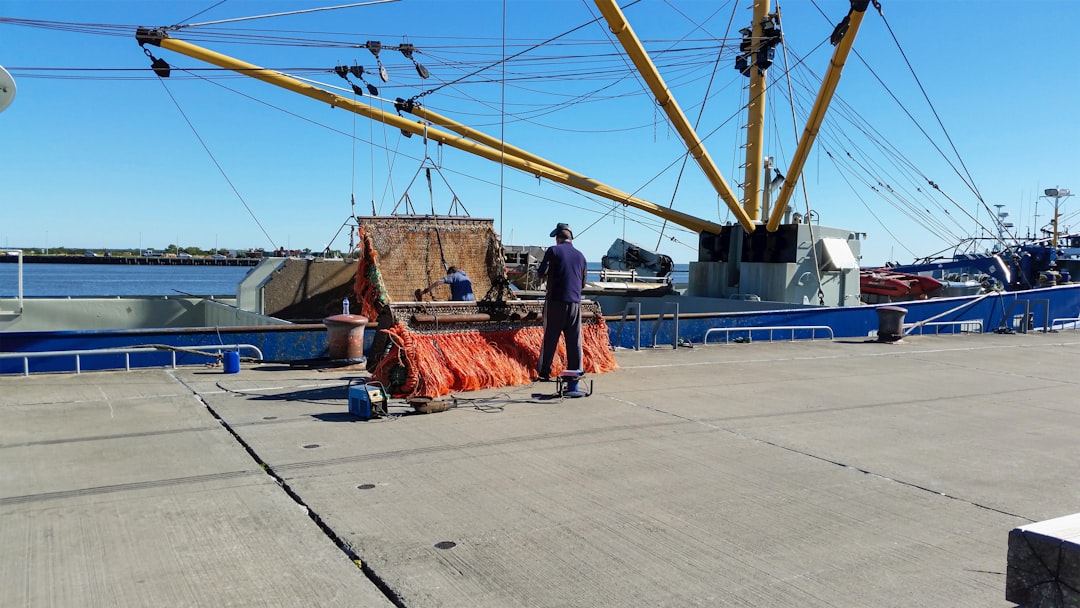
Shipping Coordinators Finished Goods Dispatch Implementation Timeline
Building or restructuring a shipping coordinators finished goods dispatch team follows a phased timeline. Typically, the entire process from planning to full operation takes 8 to 12 weeks. First, the initial assessment and role definition phase requires 1-2 weeks. This involves analyzing current workflows and identifying skill gaps. Furthermore, it sets clear expectations for the new team structure.
Next, the recruitment and selection phase spans 4-6 weeks. Sourcing qualified logistics candidates in the GCC requires a targeted approach. Moreover, thorough vetting of technical skills and regional experience is time well spent. Subsequently, the onboarding and training phase takes 2-3 weeks. New hires must learn your specific systems, partners, and SOPs.
- Weeks 1-2: Process Mapping & Job Description Finalization.
- Weeks 3-6: Candidate Sourcing, Screening, and Interviews.
- Weeks 7-8: Offer Management, Onboarding, and System Access.
- Weeks 9-10: Shadow Training and Procedure Familiarization.
- Weeks 11-12: Supervised Operation and Performance Review.
- Ongoing: Continuous Coaching and Quarterly Skill Upgrades.
Therefore, realistic planning prevents rushed hires and inadequate training. Partnering with an experienced recruiter like Allianze HR can compress this timeline by providing pre-vetted, job-ready candidates familiar with GCC logistics landscapes.
Common Challenges and Solutions
Manufacturing shipping teams in the GCC face several persistent challenges. First, high staff turnover in logistics roles disrupts continuity. This often stems from intense market competition for skilled personnel. Additionally, fluctuating shipping volumes make workforce planning difficult. Peak seasons strain under-resourced teams, leading to errors and burnout.
Furthermore, technology adoption can be slow due to cost concerns or change resistance. However, manual processes are error-prone and inefficient. Moreover, communication breakdowns between dispatch, warehouse, and transport providers cause delays. Consequently, a siloed operational approach hampers overall supply chain performance.
Effective solutions include:
- Offering competitive packages and clear career paths to retain top talent.
- Implementing flexible staffing models using a core team supported by trained temporary staff during peaks.
- Starting with modular, cost-effective technology like cloud-based TMS before full-scale ERP integration.
- Establishing integrated daily planning meetings with all supply chain stakeholders.
- Developing a strong employer brand in the local logistics community to attract passive candidates.
Thus, anticipating these challenges allows for proactive strategy development. Resources from the World Bank trade and logistics group offer insights into global best practices that can be adapted locally.
Expert Recommendations for Success
To ensure long-term success, adopt a forward-looking perspective for your dispatch team. First, invest in data literacy for your coordinators. They should analyze shipping data to identify trends and propose efficiency gains. Furthermore, cultivate cross-training so team members can cover multiple roles. This builds resilience and improves job satisfaction.
Moreover, prioritize sustainability in your logistics operations. GCC governments are increasingly focusing on green initiatives. Therefore, explore options for optimizing load consolidation and selecting carriers with carbon-reduction programs. Additionally, build a diverse talent pipeline. Different perspectives enhance problem-solving and innovation in dispatch planning.
Finally, establish strong partnerships. This includes your HR recruitment partner, your technology providers, and your carriers. A collaborative ecosystem is more agile than a transactional one. Regularly review performance metrics together to find mutual improvements. Consequently, your dispatch team becomes a strategic asset that drives customer loyalty and competitive advantage.
Frequently Asked Questions About Shipping Coordinators Finished Goods Dispatch
What is the timeline for shipping coordinators finished goods dispatch team setup?
Timeline typically ranges 8-12 weeks from planning to full operation. Furthermore, recruitment and vetting of skilled logistics professionals is the longest phase. Therefore, consult our specialists for a accelerated, structured deployment plan.
What skills are most critical for a finished goods dispatch coordinator?
Essential skills include proficiency in logistics software, deep knowledge of GCC customs documentation, exceptional attention to detail, and strong communication abilities. Additionally, problem-solving under pressure and carrier negotiation skills are highly valuable.
How can we reduce errors in the dispatch process?
Implementing barcode scanning at multiple checkpoints, standardizing operating procedures, and conducting regular training audits significantly reduce errors. Moreover, a culture that encourages double-checking and questions prevents costly mistakes before shipment.
What are the key performance indicators for a dispatch team?
Critical KPIs include On-Time Dispatch Rate, Order Accuracy (Pick/Pack/Ship), Cost per Shipment, Dock-to-Stock Time for returns, and Carrier Performance Score. Furthermore, tracking internal customer satisfaction from sales and production teams is insightful.
Does Allianze HR assist with temporary staffing for peak seasons?
Yes, we provide flexible staffing solutions including temporary and contract-to-hire placements for logistics roles. This allows you to scale your shipping coordinators finished goods dispatch team efficiently based on seasonal demand without long-term commitment.
How do GCC logistics regulations differ from other regions?
GCC regulations often involve specific commercial agency laws, strict customs documentation for intra-GCC trade, and varying visa rules for logistics crew. Additionally, standards for product labeling and halal certification may apply. Local expertise is crucial for compliance.
Partner with Allianze HR for Dispatch Team Success
Building a high-performing shipping coordinators finished goods dispatch team is a strategic investment. Throughout this guide, we’ve explored the critical components: strategic planning, compliance, best practices, and skilled recruitment. Furthermore, the efficiency of this team directly influences your bottom line and brand reputation. Therefore, a methodical approach to talent acquisition and process design is paramount.
Allianze HR Consultancy specializes in connecting GCC manufacturers and logistics firms with top-tier talent. Our deep understanding of the regional logistics landscape, combined with our extensive candidate network, ensures you find professionals who are both skilled and culturally aligned. We manage the entire recruitment lifecycle, from precise job profiling to seamless onboarding. Consequently, you gain a reliable, efficient dispatch team faster.
Do not let logistics talent gaps disrupt your supply chain. Take the first step toward operational excellence today. Let us help you assemble a team that ensures your finished goods reach their destination reliably, efficiently, and compliantly. For a partnership that drives your logistics success forward, reach out to our experts now.