


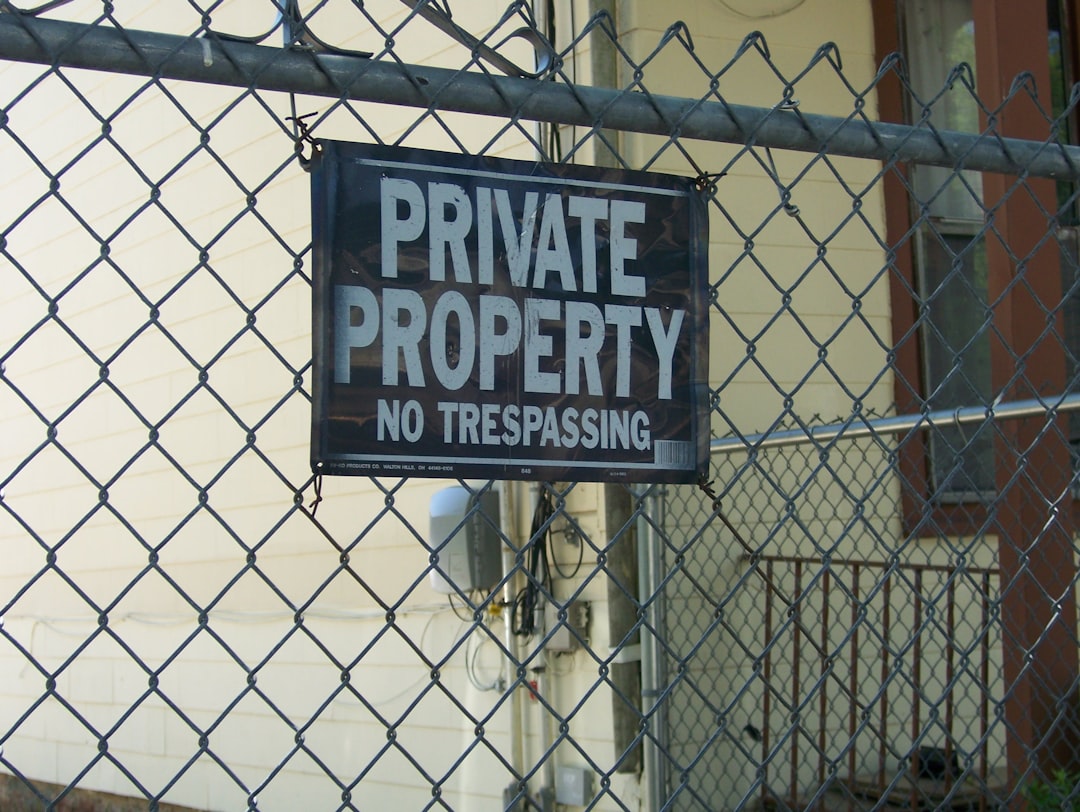
How can manufacturing facilities in the Gulf region secure their valuable assets and ensure uninterrupted production? Furthermore, the complex operational environment of GCC factories demands more than standard security. Consequently, building effective security factory property protection teams becomes a critical strategic priority. This guide provides a comprehensive roadmap for manufacturing security guard recruitment and deployment.
Manufacturing security presents unique challenges. These include protecting high-value machinery, raw materials, and finished goods. Additionally, facilities often operate 24/7 across vast campuses. Moreover, regional factors like extreme climate and specific labor laws add complexity. Therefore, a specialized approach to security personnel recruitment is essential for operational resilience.
At Allianze HR Consultancy, we’ve successfully placed 10,000+ professionals across UAE, Saudi Arabia, Qatar, and Kuwait. Furthermore, our 5+ years of GCC expertise supports clients from 50+ countries. Moreover, our Ministry of External Affairs (India) RA license ensures compliance. Therefore, contact our recruitment specialists for expert guidance on securing your manufacturing assets.
Understanding GCC Manufacturing Security Requirements
Manufacturing facilities in the Gulf face distinct security threats. These range from theft and vandalism to industrial espionage. Additionally, fire safety and emergency response are paramount concerns. Moreover, compliance with local civil defense and industrial regulations is mandatory. Consequently, security teams must possess both vigilance and technical knowledge.
GCC countries enforce strict standards for industrial security personnel. For example, specific training certifications are often required. Furthermore, background checks must be thorough and verifiable. Additionally, understanding facility-specific hazards is crucial. Therefore, generic security recruitment strategies frequently fail in this sector.
- Protection of intellectual property and proprietary processes.
- Monitoring of perimeter gates, loading docks, and storage yards.
- Enforcement of access control for personnel and visitors.
- Surveillance of production lines and sensitive warehouse areas.
- Coordination with local law enforcement and emergency services.
- Adherence to International Labour Organization occupational safety principles.
Finally, cultural and linguistic competencies are vital. Security staff must communicate effectively with a diverse workforce. Moreover, they must understand and respect local customs. This ensures smooth operations and minimizes workplace conflicts.
Security Factory Property Protection Teams Strategic Overview
Developing robust security factory property protection teams requires a strategic blueprint. First, conduct a thorough risk assessment of the manufacturing site. Identify critical assets, vulnerable points, and potential threat vectors. Next, define the team structure, including roles, shifts, and command hierarchy. This strategic planning phase determines all subsequent recruitment and deployment actions.
A successful team blends various skill sets. These include static guards, patrol officers, and control room operators. Furthermore, some members may need specialized training in hazardous material handling. Additionally, knowledge of electronic security systems is increasingly important. Therefore, your manufacturing security guard recruitment plan must target these competencies.
- Define clear job descriptions for each security tier.
- Establish key performance indicators (KPIs) for team effectiveness.
- Integrate security protocols with overall plant operations.
- Plan for scalability to accommodate factory expansion or shift changes.
- Ensure alignment with OSHA warehousing industry standards for related storage areas.
Moreover, consider the technological tools your team will use. Modern manufacturing security relies on integrated systems. These include CCTV, intrusion detection, and access control platforms. Consequently, recruiting personnel with basic technical aptitude is advantageous. This strategic overview forms the foundation for compliant and effective staffing.
Legal Framework and Compliance Standards
Navigating the GCC legal landscape is crucial for manufacturing security. Each country has specific regulations governing private security services. These laws cover licensing, training, uniforms, and permissible conduct. Furthermore, industrial sector regulations impose additional safety and reporting duties. Non-compliance can result in heavy fines, operational shutdowns, or legal liability.
Employers must verify all security personnel hold valid work permits and professional licenses. For instance, certain Emirates require security guards to complete accredited training programs. Additionally, background checks must be documented and retained. This due diligence protects the company from reputational and legal risk. Therefore, partnering with a knowledgeable recruiter is invaluable.
- Compliance with Ministry of Interior security provider regulations.
- Adherence to national industrial safety codes and civil defense rules.
- Proper visa sponsorship and labor contract registration under local UAE employment regulations or equivalent.
- Mandatory health insurance and worker welfare provisions.
- Regular reporting and incident documentation as per legal mandates.
Furthermore, international standards provide best practice frameworks. Aligning with these demonstrates a commitment to excellence. It also enhances the facility’s reputation with international partners and clients. Consequently, a comprehensive compliance strategy is non-negotiable for sustainable operations.
Security Factory Property Protection Teams Best Practices
Implementing security factory property protection teams effectively demands adherence to proven best practices. First, prioritize rigorous pre-employment screening. This includes criminal record checks, previous employment verification, and reference interviews. Moreover, assess candidates for situational judgment and integrity. These steps filter out unsuitable applicants early in the manufacturing security guard recruitment process.
Second, invest in continuous, site-specific training. Initial orientation should cover factory layout, emergency procedures, and company policies. Furthermore, regular drills on theft response, fire safety, and first aid are essential. Additionally, training should include use of all deployed security technology. This ongoing development maintains team readiness and professionalism.
- Implement a clear chain of command and incident reporting procedures.
- Foster strong communication between security, management, and production staff.
- Conduct periodic security audits and vulnerability assessments.
- Utilize a mix of physical patrols and technology-based monitoring.
- Promote a culture of safety and vigilance aligned with World Health Organization occupational health guidelines.
Finally, recognize and reward exemplary performance. Security personnel who demonstrate diligence and initiative should be acknowledged. This boosts morale and reduces turnover. Consequently, your facility benefits from a stable, experienced, and motivated protection team.
Documentation and Processing Steps
The administrative process for deploying security teams is meticulous. First, secure the necessary approvals from relevant government authorities. This may involve obtaining a security services permit for your company. Next, prepare and attest all employment contracts. These documents must clearly outline duties, working hours, compensation, and benefits in compliance with local law.
Visa processing for security personnel follows specific channels. Typically, it requires medical fitness tests and biometric registration. Furthermore, security-specific clearances from police authorities are often mandatory. Therefore, documentation must be accurate and complete to avoid delays. Consequently, meticulous attention to detail is paramount throughout this phase.
- Drafting and attestation of legally compliant employment offers and contracts.
- Collection and attestation of educational and professional certificates.
- Coordination of medical examinations and fitness-for-duty certifications.
- Submission of visa applications and work permit requests to relevant ministries.
- Arrangement of professional recruitment resources for onboarding and training materials.
Moreover, maintain organized records for every team member. This includes copies of all licenses, training certificates, and performance reviews. Additionally, keep logs of shift schedules and incident reports. Proper documentation not only ensures compliance but also provides valuable data for improving security protocols over time.

Security Factory Property Protection Teams Implementation Timeline
Establishing effective security factory property protection teams follows a structured timeline. The entire process, from planning to full deployment, typically spans 6 to 12 weeks. However, this duration depends on team size, country-specific regulations, and candidate availability. Therefore, advanced planning is critical to align security readiness with operational needs.
Weeks 1-2 involve initial strategy and risk assessment. Subsequently, weeks 3-5 focus on candidate sourcing, screening, and interviews. Meanwhile, the parallel documentation and visa process begins. This stage often takes 4-8 weeks itself. Consequently, overlapping these phases optimizes the overall timeline for manufacturing security guard recruitment.
- Week 1-2: Risk Assessment & Role Definition.
- Week 3-5: Candidate Sourcing, Screening, and Selection.
- Week 4-10: Documentation Preparation, Visa Processing, and Clearances.
- Week 11: Travel Arrangements and Pre-deployment Briefing.
- Week 12: On-site Orientation, Site-Specific Training, and Phased Deployment.
Furthermore, account for potential delays. These can include public holidays, changes in regulation, or unexpected documentation issues. Building buffer time into your schedule prevents last-minute crises. Therefore, a realistic and flexible timeline, managed by experts, ensures a smooth implementation. For precise planning, schedule a consultation appointment with our team.
Common Challenges and Solutions
Employers frequently encounter obstacles when building factory security teams. A primary challenge is finding candidates with the right blend of physical aptitude and situational awareness. Furthermore, high turnover in the security sector can disrupt continuity. Additionally, navigating the evolving GCC regulatory landscape poses a constant compliance challenge.
Another common issue is cultural and language integration. Security teams must command authority while respecting diverse workforces. Moreover, communication gaps can lead to misunderstandings or slow emergency response. Therefore, proactive strategies are necessary to overcome these hurdles and build a cohesive unit.
- Challenge: High turnover rates. Solution: Offer competitive packages, clear career paths, and a respectful work environment.
- Challenge: Regulatory complexity. Solution: Partner with a recruitment firm like Allianze HR that maintains current compliance knowledge.
- Challenge: Skills gap. Solution: Implement robust pre-screening and invest in ongoing, certified training programs.
- Challenge: Technology adaptation. Solution: Hire for basic technical literacy and provide hands-on system training.
- Challenge: Integration with operations. Solution: Foster inter-departmental communication and include security in relevant operational briefings.
Finally, budget constraints can limit options. However, cutting corners on security recruitment often leads to higher costs from theft or incidents. Therefore, view security as a strategic investment. A reliable team protects assets and ensures business continuity, delivering strong ROI.
Expert Recommendations for Success
To ensure long-term success, adopt a forward-thinking approach to your security workforce. First, treat security personnel as integral members of your operational team. Include them in relevant safety meetings and operational updates. This fosters a sense of ownership and improves inter-departmental cooperation. Consequently, security becomes a proactive layer of your operation, not just a reactive force.
Second, leverage data and technology. Use access logs and incident reports to identify patterns and vulnerabilities. Furthermore, consider integrating advanced analytics with your surveillance systems. Additionally, stay informed on global security trends and World Bank trade and logistics security insights. This knowledge helps anticipate new threats and adapt your strategies accordingly.
- Conduct bi-annual reviews of your security posture and team performance.
- Establish a clear channel for security staff to suggest improvements anonymously.
- Build a talent pipeline by identifying and grooming potential security team leaders.
- Ensure your compensation packages remain competitive within the local market.
- Develop a strong partnership with a recruitment agency that specializes in industrial security.
Moreover, prioritize ethical recruitment practices. Ensure all candidates are sourced responsibly and treated fairly. This not only meets compliance standards but also builds a reputation that attracts higher-quality candidates. Therefore, ethical practices are both a moral imperative and a strategic advantage.
Frequently Asked Questions About Security Factory Property Protection Teams
What is the timeline for security factory property protection teams deployment?
Timeline typically ranges 6-12 weeks depending on country requirements and team size. Furthermore, documentation preparation affects processing speed. Therefore, consult our specialists for accurate, project-specific estimates.
What documentation is required for manufacturing security guard recruitment?
Required documents include attested employment contracts, visa applications, police clearance certificates, medical reports, and training certifications. Additionally, company security service permits may be needed. Moreover, attestation procedures apply for all educational and professional documents.
What are the key skills to look for in factory security candidates?
Prioritize vigilance, integrity, physical fitness, and basic communication skills. Furthermore, experience in industrial settings is highly valuable. Additionally, familiarity with electronic security systems and a calm demeanor under pressure are critical assets for the role.
How does Allianze HR ensure legal compliance for security staff?
We maintain Ministry-approved RA license status under The Emigration Act, 1983. Additionally, our team monitors GCC labor and security law changes continuously. Moreover, we conduct thorough documentation and background verification at every recruitment stage.
Can you recruit for specialized security roles like control room operators?
Yes. Our recruitment network includes candidates with specialized skills for control room operations, patrol supervision, and access control management. Furthermore, we can source personnel with training in specific industrial safety protocols relevant to your manufacturing sector.
What industries does Allianze specialize in for security recruitment?
Our expertise covers manufacturing, warehousing, oil and gas, construction, and facilities management. Additionally, we handle security recruitment for logistics parks and industrial free zones. We provide both skilled security supervisors and trained guard personnel across all sectors.
Partner with Allianze HR for Manufacturing Security Success
Securing your manufacturing facility requires a strategic, compliant, and professional approach. From understanding GCC-specific risks to implementing a fully operational team, each step demands expertise. Furthermore, the landscape of security factory property protection teams is complex and regulated. Therefore, attempting to navigate it alone can lead to costly delays and compliance gaps.
Allianze HR Consultancy provides end-to-end solutions for manufacturing security guard recruitment. We manage the entire process, from strategic planning and candidate sourcing to visa processing and deployment. Moreover, our deep regional knowledge ensures your team meets all legal and operational requirements. Consequently, you gain peace of mind and a reliable asset protection force.
Protect your investment and ensure business continuity with a professionally recruited security team. Let us help you build a robust defense for your valuable assets and workforce. Contact us today to discuss your specific security staffing needs and develop a customized recruitment plan.