


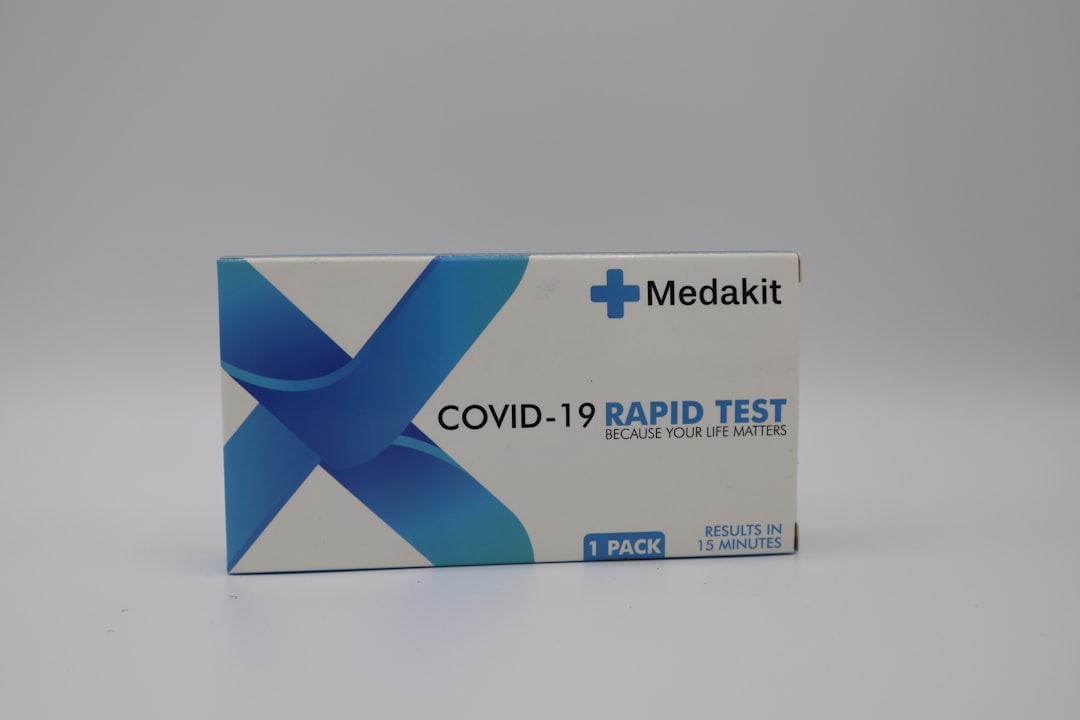
Navigating the mandatory HIV testing confidential medical requirements for GCC employment can be complex. Employers must balance strict compliance with ethical obligations. Furthermore, understanding these health screening protocols is crucial for successful workforce deployment. This guide provides a comprehensive overview of the HIV testing confidential medical requirements across Gulf Cooperation Council nations. Consequently, you can ensure your hiring processes meet all legal and humanitarian standards.
GCC countries maintain specific health regulations for expatriate workers. These rules aim to protect public health and ensure a productive workforce. Additionally, medical screening, including mandatory AIDS testing, is a standard visa prerequisite. However, requirements and procedures vary between the UAE, Saudi Arabia, Qatar, and Kuwait. Therefore, employers must stay informed about current regulations to avoid costly delays or legal issues.
At Allianze HR Consultancy, we’ve successfully placed 10,000+ professionals across UAE, Saudi Arabia, Qatar, and Kuwait. Furthermore, our 5+ years of GCC expertise supports clients from 50+ countries. Moreover, our Ministry of External Affairs (India) RA license ensures compliance. Therefore, contact our recruitment specialists for expert guidance on navigating these sensitive medical requirements efficiently and confidentially.
Understanding GCC Health Screening Protocols
GCC nations implement rigorous health screening for all incoming foreign workers. This process serves multiple public health objectives. First, it prevents the spread of communicable diseases within the population. Second, it ensures workers are medically fit for their designated roles. Third, it protects employer investments in recruitment and training.
The screening typically includes tests for tuberculosis, hepatitis, syphilis, and HIV/AIDS. Moreover, the process involves chest X-rays and blood tests. Additionally, specific professions like food handlers or healthcare workers face additional checks. Consequently, employers must budget time and resources for this mandatory step.
Testing facilities are usually government-approved medical centers. These centers follow standardized procedures. Furthermore, results are transmitted directly to immigration authorities. However, confidentiality protocols govern how information is handled. Therefore, understanding these flows is essential for compliance.
- Standard tests for tuberculosis, hepatitis B & C, HIV, and syphilis.
- Mandatory chest X-ray for pulmonary disease screening.
- Additional tests for specific high-risk employment sectors.
- Use of authorized government medical centers only.
- Digital reporting systems to relevant health ministries.
- Validity periods for medical fitness certificates.
Employers should verify the latest requirements before initiating the visa process. Regulations can change with little public notice. Therefore, partnering with a knowledgeable recruitment firm mitigates risk. For instance, Allianze HR provides updated professional recruitment resources on medical compliance.
HIV Testing Confidential Medical Requirements Strategic Overview
The strategic management of HIV testing confidential medical requirements demands careful planning. Employers must integrate health screening seamlessly into the onboarding timeline. Furthermore, they must uphold strict confidentiality to protect candidate privacy. This balance between regulatory compliance and ethical practice defines successful GCC recruitment.
Confidentiality is a cornerstone of these medical checks. Test results are sensitive personal data. Moreover, unauthorized disclosure can have severe legal and reputational consequences. Therefore, employers must establish clear data handling protocols. Additionally, they should train staff on privacy obligations under both local and international standards, such as those from the World Health Organization workplace standards.
A proactive strategy includes pre-departure counseling for candidates. This step manages expectations and reduces anxiety. Furthermore, it ensures candidates understand the process and their rights. Consequently, this fosters trust and demonstrates employer responsibility. Moreover, clear communication about potential outcomes, including the rare case of a positive test, is crucial.
- Integrate medical screening early in the visa application timeline.
- Implement strict non-disclosure agreements for all handling staff.
- Provide candidates with clear, transparent pre-test information.
- Establish secure channels for transmitting medical reports.
- Plan for contingencies, including re-testing or alternative placement.
- Audit internal processes annually for compliance and confidentiality.
Ultimately, a strategic approach protects all parties. It ensures legal adherence while safeguarding human dignity. Therefore, viewing these requirements as a core component of ethical recruitment is essential. This perspective aligns with global best practices for worker welfare.
Legal Framework and Compliance Standards
The legal foundation for mandatory AIDS screening in the GCC is robust. Each country has distinct laws and ministerial decrees. Furthermore, these regulations align with broader public health policies. Employers operating across multiple Gulf states must navigate this varied landscape. Consequently, a one-size-fits-all approach is ineffective and non-compliant.
In the UAE, Federal Law No. 14 of 2014 and subsequent cabinet resolutions govern communicable disease prevention. The Ministry of Health and Prevention (MOHAP) oversees medical fitness testing. Similarly, Saudi Arabia’s Ministry of Health enforces screening through its Saudi Ministry of Labor regulations and visa issuance processes. Qatar and Kuwait have parallel systems under their respective health ministries.
Non-compliance carries significant penalties. These can include hefty fines, visa bans, and even criminal liability for employers. Moreover, companies may face operational restrictions or loss of licensing. Therefore, meticulous adherence is not optional. It is a fundamental requirement for business continuity in the region.
- UAE: Governed by MOHAP and the Federal Authority for Identity and Citizenship.
- Saudi Arabia: Regulated by the Ministry of Health and the Saudi Commission for Health Specialties.
- Qatar: Administered by the Ministry of Public Health and the Medical Commission.
- Kuwait: Overseen by the Ministry of Health and the Public Authority of Manpower.
- Standard penalty: Visa rejection for the candidate and fines for the sponsor.
- Severe penalty: Blacklisting of the company from future sponsorship.
International frameworks also provide context. The International Labour Organization standards emphasize non-discrimination. However, GCC states maintain their sovereign right to set public health entry conditions. Therefore, employers must reconcile these different expectations through ethical implementation.
HIV Testing Confidential Medical Requirements Best Practices
Implementing best practices for HIV testing confidential medical requirements ensures smooth operations. First, select authorized medical centers with a proven track record. These centers understand the specific documentation and reporting formats required by authorities. Moreover, they typically offer streamlined processes for corporate clients.
Second, obtain informed consent from every candidate. This consent should be written, clear, and in a language the candidate understands. Furthermore, it must explain the purpose of the test, how results will be used, and confidentiality safeguards. Subsequently, this practice builds trust and meets ethical standards. Additionally, it provides legal protection for the employer.
Third, limit internal access to test results. Only designated, trained personnel should handle medical reports. Moreover, electronic records must be password-protected and encrypted. Physical documents should be stored in locked cabinets. Consequently, this minimizes the risk of unauthorized disclosure. For comprehensive support, consider to schedule consultation appointment with our compliance team.

- Partner exclusively with government-listed and approved medical centers.
- Develop a standardized informed consent form in multiple languages.
- Designate a privacy officer to oversee medical data handling.
- Use secure, encrypted portals for receiving digital medical reports.
- Establish a clear internal policy on medical confidentiality for all staff.
- Conduct regular training sessions on data protection laws and ethics.
Finally, have a compassionate response plan for positive results. This plan should respect the candidate’s dignity while following the law. Furthermore, it may include options for re-testing at a recognized facility. Alternatively, it could involve providing resources for the candidate’s welfare. Therefore, a humane approach defines responsible employer branding.
Documentation and Processing Steps
The documentation flow for medical screening is precise. Employers must provide candidates with the correct paperwork. First, this includes the official visa application form and passport copy. Second, it requires passport-sized photographs meeting specific criteria. Third, it often needs a letter from the sponsoring company.
Candidates present this documentation at the medical center. Subsequently, they undergo the physical examination and provide blood samples. Meanwhile, the center generates a file with unique identifiers. Moreover, results are typically available within a few days. However, processing times can vary by country and season.
A “Fit” certificate is issued for negative results. This certificate is uploaded to the government’s immigration platform. Conversely, a “Unfit” certificate for a positive HIV test halts the visa process. Importantly, the specific medical result is usually not disclosed to the employer—only the fitness status. This system, endorsed by the UAE visa and immigration services, protects confidential health information.
- Step 1: Employer provides candidate with appointment letter and passport copy.
- Step 2: Candidate visits authorized center for examination and blood draw.
- Step 3: Center processes samples and generates digital report.
- Step 4: Results are uploaded to the government health ministry system.
- Step 5: Immigration authority updates visa application status accordingly.
- Step 6: Employer is notified of “Fit” or “Unfit” status for visa issuance.
Maintaining accurate records of each step is crucial. This practice aids in tracking applications and resolving discrepancies. Furthermore, it provides an audit trail for compliance verification. Therefore, meticulous documentation management is as important as the medical test itself.
HIV Testing Confidential Medical Requirements Implementation Timeline
Planning a realistic timeline for HIV testing confidential medical requirements prevents bottlenecks. The entire medical screening phase typically adds 7 to 14 days to the onboarding process. However, this duration depends on several factors. These include the candidate’s location, clinic availability, and government processing speed.
Initially, schedule the medical exam immediately after the job offer and contract signing. Delays at this stage cascade through the entire visa process. Furthermore, consider seasonal peaks. For example, screening centers are often busier before major holidays. Consequently, booking appointments well in advance is advisable.
Additionally, factor in potential re-tests. In rare cases, a test may need repetition due to technical issues. Moreover, some countries require a second test upon arrival. This is known as a “confirmatory” test. Therefore, building buffer time into your project plan is a mark of professional recruitment management, as outlined in U.S. Department of Commerce labor standards guidance.
- Day 1-3: Schedule appointment at authorized medical center.
- Day 4-5: Candidate completes medical examination and tests.
- Day 6-10: Laboratory processing and report generation.
- Day 11-12: Results uploaded to government system; status update.
- Day 13-14: Proceed with next visa steps or address any issues.
- Contingency: Allow 3-5 extra days for re-tests or administrative delays.
Effective timeline management requires constant communication. Keep candidates informed at each stage. Furthermore, coordinate closely with your medical center partner. Consequently, you minimize uncertainty and demonstrate organizational competence. This proactive approach enhances the candidate experience significantly.
Common Challenges and Practical Solutions
Employers frequently encounter challenges with mandatory health screening. Understanding these obstacles prepares you for effective problem-solving. A common issue is delayed test results from overcrowded medical centers. This delay can jeopardize project start dates. Moreover, it causes anxiety for candidates awaiting confirmation.
Another challenge involves “borderline” or indeterminate test results. These results are not clearly positive or negative. Consequently, they require further investigation. This process can be confusing and stressful for all parties. Furthermore, language barriers can complicate communication about medical procedures.
Data privacy breaches pose a significant risk. An employee might inadvertently see a colleague’s sensitive medical information. Alternatively, a lost file could lead to a serious confidentiality violation. Therefore, robust internal controls are not just best practice—they are a necessity. These controls align with global insights from the World Bank labor market analysis on protecting worker data.
- Challenge: Slow result turnaround. Solution: Partner with premium centers offering expedited corporate services.
- Challenge: Indeterminate test results. Solution: Have a pre-identified reference lab for confirmatory testing.
- Challenge: Language barriers. Solution: Provide interpreters or multilingual information sheets.
- Challenge: Privacy concerns. Solution: Implement a secure digital document management system.
- Challenge: Candidate anxiety. Solution: Offer pre-test counseling and clear, empathetic communication.
- Challenge: Changing regulations. Solution: Subscribe to official government updates or use a compliance partner.
Ultimately, anticipating these challenges allows for pre-emptive action. Develop standard operating procedures for each scenario. Furthermore, train your HR team on these protocols. Consequently, you transform potential crises into manageable operational tasks. This preparedness is the hallmark of a mature GCC employer.
Expert Recommendations for Employer Success
Success in managing these requirements stems from a principle-based approach. First, prioritize ethics alongside compliance. The mandatory nature of testing does not negate your duty of care. Furthermore, treat every candidate with respect throughout the medical process. This commitment enhances your reputation as a responsible employer.
Second, invest in technology for secure data management. Use platforms designed for handling sensitive personal information. Moreover, ensure these platforms comply with local data protection laws. Subsequently, technology reduces human error and strengthens confidentiality. Additionally, it improves efficiency and tracking capability.
Third, build long-term relationships with reputable medical service providers. These partners become extensions of your recruitment team. Moreover, they can offer valuable advice on process improvements. Therefore, view them as strategic allies, not just vendors. For ongoing insights, leverage our professional recruitment resources.
- Recommendation: Appoint a senior manager as the designated compliance officer for medical screening.
- Recommendation: Conduct annual third-party audits of your medical data handling processes.
- Recommendation: Include a module on health screening ethics in all HR training programs.
- Recommendation: Develop a corporate social responsibility statement regarding your approach to mandatory testing.
- Recommendation: Engage with industry bodies to advocate for clear, fair, and confidential testing standards.
- Recommendation: Use anonymized data to analyze screening timelines and identify improvement areas.
Finally, remember that regulations evolve. Public health priorities and scientific understanding change. Therefore, commit to continuous learning and process adaptation. Staying informed through sources like the International Labour Organization workplace safety resources ensures your practices remain current and compliant.
Frequently Asked Questions About HIV Testing Confidential Medical Requirements
What is the timeline for HIV testing confidential medical requirements?
The medical screening timeline typically takes 7 to 14 working days. This period includes appointment scheduling, examination, lab processing, and government reporting. Furthermore, seasonal variations can affect duration. Therefore, consult our specialists for precise planning based on the destination country.
Can a candidate appeal a positive HIV test result?
Yes, most GCC countries allow for a confirmatory test at a designated reference laboratory. The process and timeframe for appeal vary by nation. Moreover, the initial result may sometimes be a false positive. Therefore