


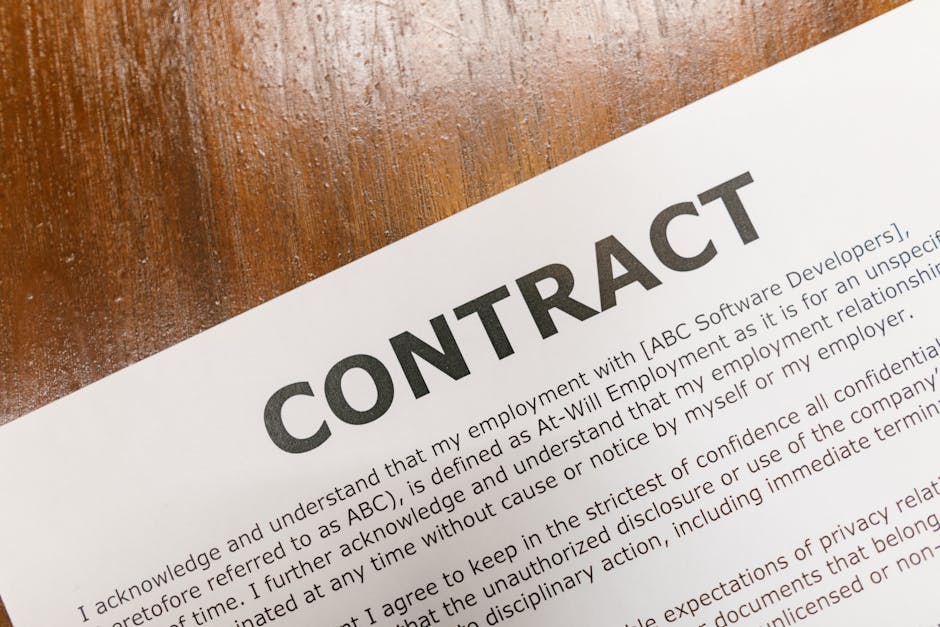
Are you prepared for the latest regulatory changes shaping the UAE’s dynamic workforce? The UAE Labor Law 2025 introduces significant updates that every employer must understand. Navigating these amendments is crucial for maintaining compliance and operational efficiency. This UAE Labor Law 2025 complete employer guide provides the essential framework for success. Consequently, proactive adaptation ensures sustainable business growth in the region.
Furthermore, the GCC labor market continues to evolve with ambitious economic visions. The UAE’s regulatory environment reflects this progressive trajectory. Employers face both new opportunities and complex compliance responsibilities. Understanding these legal frameworks protects your organization from risks. Moreover, it enhances your reputation as an employer of choice.
At Allianze HR Consultancy, we’ve successfully placed 10,000+ professionals across UAE, Saudi Arabia, Qatar, and Kuwait. Furthermore, our 5+ years of GCC expertise supports clients from 50+ countries. Moreover, our Ministry of External Affairs (India) RA license ensures compliance. Therefore, contact our recruitment specialists for expert guidance on the updated laws. We help you transform regulatory challenges into competitive advantages.
Understanding GCC Employment Law Evolution
The UAE’s legal landscape is undergoing continuous refinement. Recent reforms aim to boost economic competitiveness and worker protection. These changes align with broader regional trends across the Gulf Cooperation Council. Employers must recognize this shift toward balanced labor relations.
Key drivers include diversification agendas like UAE Vision 2031. Additionally, global standards for worker welfare influence local regulations. The 2025 updates build upon Federal Decree-Law No. 33 of 2021. They introduce clarifications and new provisions for modern work arrangements.
Specifically, the law now addresses flexible and remote work more explicitly. It also enhances provisions for non-discrimination and equal opportunity. Furthermore, end-of-service benefits calculations see updated guidelines. Employers must review their policies against these new standards immediately.
- Alignment with international labor standards and best practices.
- Enhanced focus on anti-discrimination and inclusive workplaces.
- Clearer definitions for part-time, temporary, and remote work contracts.
- Updated gratuity calculation methodologies for various employment scenarios.
- Stricter enforcement mechanisms for wage protection systems.
Consequently, a strategic review of your employment handbook is essential. This ensures all practices meet the revised statutory obligations.
UAE Labor Law 2025 Strategic Overview
This UAE Labor Law 2025 complete employer guide begins with a strategic perspective. The amendments are not merely procedural. They represent a fundamental shift in the employer-employee social contract. Therefore, a proactive approach is necessary for compliance and talent retention.
First, the law emphasizes transparency and written communication. All key employment terms must be documented in Arabic. The Ministry of Human Resources and Emiratisation (MOHRE) contract is mandatory. Additionally, any supplementary clauses must not contradict the standard template.
Second, probation period regulations are more defined. The maximum probation is six months. Employers cannot place an employee on probation more than once. Moreover, notice periods during probation require clear communication. This prevents arbitrary termination practices.
Third, new provisions govern flexible work models. These include part-time work, job sharing, and remote work. Each model has specific rules regarding working hours and benefits. Employers must classify workers correctly to avoid penalties.
- Mandatory use of the unified MOHRE employment contract template.
- Probation period capped at 180 days with clear termination rules.
- Expanded definitions for flexible and remote working arrangements.
- Enhanced privacy protections for employee data and monitoring.
- Introduction of new categories for freelance and project-based work.
Thus, strategic HR planning must incorporate these structural changes. This protects your organization while fostering a positive work environment.
Legal Framework and Compliance Standards
The updated law operates within a robust legal ecosystem. It interfaces with immigration rules, visa policies, and industry-specific regulations. Employers must view compliance holistically. For instance, work permits and residency visas are intrinsically linked to employment contracts.
Additionally, sector-specific rules may impose further requirements. The construction, hospitality, and oil & gas industries often have additional safety mandates. These are outlined by authorities like the International Labour Organization standards. Similarly, Saudi Ministry of Labor regulations show regional alignment trends.
Wage Protection System (WPS) compliance remains critical. The 2025 law reinforces timely salary payment obligations. Penalties for delays are severe and include work permit suspensions. Furthermore, the MOHRE may publicly name non-compliant firms.
Another key area is occupational health and safety (OHS). Employers must provide safe working conditions. They must also report workplace accidents within strict timeframes. Training on safety protocols is now a explicit requirement for specific roles.
- Integrated compliance with MOHRE, immigration, and free zone authorities.
- Mandatory enrollment and adherence to the Wage Protection System.
- Strict occupational health and safety training and reporting duties.
- Compliance with anti-money laundering (AML) and data protection laws.
- Adherence to Emiratisation quotas and related nationalization programs.
Therefore, regular audits of your compliance posture are indispensable. This mitigates legal and financial risks effectively.
UAE Labor Law 2025 Best Practices
Implementing this UAE Labor Law 2025 complete employer guide requires actionable best practices. First, conduct a comprehensive policy review. Update your employment contracts, employee handbook, and internal procedures. Ensure all documents align with the new MOHRE template and clauses.
Second, invest in manager training. Supervisors must understand new rules on probation, termination, and flexible work. This reduces inadvertent violations. Moreover, it promotes consistent application across your organization.
Third, enhance your record-keeping systems. The law mandates specific document retention periods. These include attendance records, payroll slips, and safety training certificates. Digital systems should be secure and accessible for any inspection.
Fourth, establish clear internal grievance mechanisms. Employees should have a formal channel to raise concerns. This demonstrates commitment to fair treatment. It also resolves issues before they escalate to the MOHRE.
- Immediate audit and update of all employment contracts and policies.
- Training programs for HR and line managers on updated provisions.
- Digitalization of employee records for compliance and easy retrieval.
- Establishment of a transparent internal dispute resolution procedure.
- Regular benchmarking against UAE visa and immigration services updates.
Consequently, these practices build a culture of compliance. They also improve employee trust and organizational resilience.
Documentation and Processing Steps
Accurate documentation is the cornerstone of legal adherence. The 2025 amendments make this even more critical. Every step of the employment lifecycle requires proper paperwork. This starts with the pre-hiring phase and extends to termination.
For hiring, the offer letter and MOHRE contract are fundamental. The offer letter should state all key terms. However, the MOHRE contract is the legally binding document. Both must be consistent. Additionally, educational and experience certificates require proper attestation.

During employment, maintain records of all changes. This includes promotions, salary adjustments, and disciplinary actions. Any change must be reflected in an addendum to the MOHRE contract. Furthermore, keep detailed time and attendance logs. These are vital for overtime calculations and dispute resolution.
For termination, follow the prescribed notice periods and procedures. Prepare a full and final settlement calculation. Obtain a signed release from the employee. Finally, process the cancellation of the work permit and visa through the proper channels.
- Pre-hiring: Offer letter, attested certificates, and medical fitness report.
- Onboarding: Signed MOHRE contract, policy acknowledgments, and bank details for WPS.
- During employment: Amendment addendums, promotion letters, and training records.
- Termination: Notice documentation, settlement calculation, and release forms.
- Post-employment: Cancellation proofs and optional experience certificates.
Thus, meticulous documentation protects against claims. It also ensures smooth government processing at every stage.
UAE Labor Law 2025 Implementation Timeline
Following this UAE Labor Law 2025 complete employer guide requires a phased timeline. Do not attempt to implement all changes simultaneously. A structured approach prevents overwhelm and ensures thoroughness. First, dedicate the initial month to assessment and planning.
Conduct a gap analysis of your current practices. Identify areas of high risk and non-compliance. Next, prioritize actions based on urgency and impact. For example, contract updates and WPS compliance should be immediate. Meanwhile, training programs can be scheduled over a quarter.
Months two and three should focus on core document revision. Update all template contracts and employee handbooks. Engage legal counsel for review. Subsequently, roll out manager training sessions. Ensure all people managers understand their new responsibilities.
Finally, months four to six involve system updates and monitoring. Implement any new digital record-keeping tools. Establish audit schedules to check ongoing compliance. Moreover, stay informed about further ministerial resolutions that may provide additional details.
- Month 1: Gap analysis, risk assessment, and action plan development.
- Months 2-3: Contract and policy updates with legal verification.
- Month 4: Training rollout for HR teams and departmental managers.
- Months 5-6: System implementation and internal audit cycle establishment.
- Ongoing: Monitoring of global labor standards and local regulatory announcements.
Therefore, a deliberate timeline transforms legal requirements into operational reality. It minimizes business disruption.
Common Challenges and Solutions
Employers will encounter specific challenges during implementation. Recognizing these early allows for proactive solutions. A common issue is interpreting new clauses on flexible work. The definitions can seem broad. Consequently, misclassification of employment type is a risk.
Solution: Create clear internal guidelines for each work model. Define eligibility, approval processes, and tracking methods. Another challenge is managing the transition for existing employees. Their current contracts may not meet new standards.
Solution: Develop a fair communication and transition plan. Offer to replace old contracts with updated ones. Explain the benefits and protections the new law provides them. A third challenge is staying updated. The law is supplemented by frequent ministerial decisions.
Solution: Designate a compliance officer or partner with a specialist firm. Subscribe to official government newsletters. Regularly consult professional recruitment resources for updates. Additionally, understand regional contexts via World Bank labor market analysis.
- Challenge: Ambiguity in new flexible work classifications.
- Solution: Develop detailed internal policies and manager training.
- Challenge: Transitioning legacy employment contracts.
- Solution: Proactive employee communication and voluntary contract renewal.
- Challenge: Keeping pace with subsequent implementing regulations.
- Solution: Dedicated compliance monitoring and expert partnership.
Thus, anticipating challenges enables effective navigation. It turns potential obstacles into managed projects.
Expert Recommendations for Success
Beyond basic compliance, excellence requires strategic action. First, view the law as a framework for building a superior workplace. The provisions on non-discrimination and fairness are tools for improving culture. Use them to audit and enhance your people practices.
Second, integrate technology. Use HR software that is configured for UAE regulations. This automates WPS reporting, leave accruals, and gratuity calculations. It reduces administrative error and saves valuable time.
Third, foster strong relationships with government entities. Engage positively with MOHRE service centers. Attend their workshops and awareness sessions. This provides early insights into regulatory intent and enforcement focus.
Fourth, consider your employer brand. Compliance is the minimum. Showcase your adherence to high standards in your recruitment messaging. This attracts top talent who value ethical and secure employment. Finally, never hesitate to seek expert guidance. The landscape is complex and ever-changing.
- Leverage the law to conduct a cultural audit and improve workplace equity.
- Invest in UAE-specific HR technology for automation and accuracy.
- Proactively engage with MOHRE through workshops and official channels.
- Incorporate compliance excellence into your employer value proposition.
- Partner with experts like Allianze HR for ongoing strategic support.
Therefore, these recommendations position your company as a leader. You achieve compliance while gaining a competitive edge in the talent market.
Frequently Asked Questions About UAE Labor Law 2025
What is the timeline for UAE Labor Law 2025 implementation?
The core law is already in effect, but specific provisions have phased deadlines. Furthermore, employers should complete internal updates within 3-6 months. Therefore, consult our specialists for a tailored implementation plan.
What documentation is required for updated employment contracts?
Required documents include the unified MOHRE contract, attested qualifications, and a valid passport copy. Additionally, any role-specific licenses or certificates are mandatory. Moreover, the contract must be in Arabic, with an optional translation.
How are end-of-service benefits calculated under the new law?
The calculation is based on the employee’s last basic salary and tenure. For full-time service over one year, 21 days’ pay per year for the first five years applies. Subsequently, 30 days’ pay per year for service beyond five years is standard.
How does Allianze HR ensure legal compliance for clients?
We maintain Ministry-approved RA license status under The Emigration Act, 1983. Additionally, our team monitors GCC labor law changes continuously. Moreover, we conduct thorough documentation verification at every recruitment stage.
What are the penalties for non-compliance with the 2025 law?
Penalties range from substantial fines (AED 5,000 to AED 1,000,000+) to work permit suspensions. Furthermore, repeat offenders may face temporary business activity bans. Consequently, proactive compliance is far more cost-effective.
Does the new law apply to free zones and offshore companies?
Most free zones have their own employment regulations, but they generally align with federal law principles. However,