


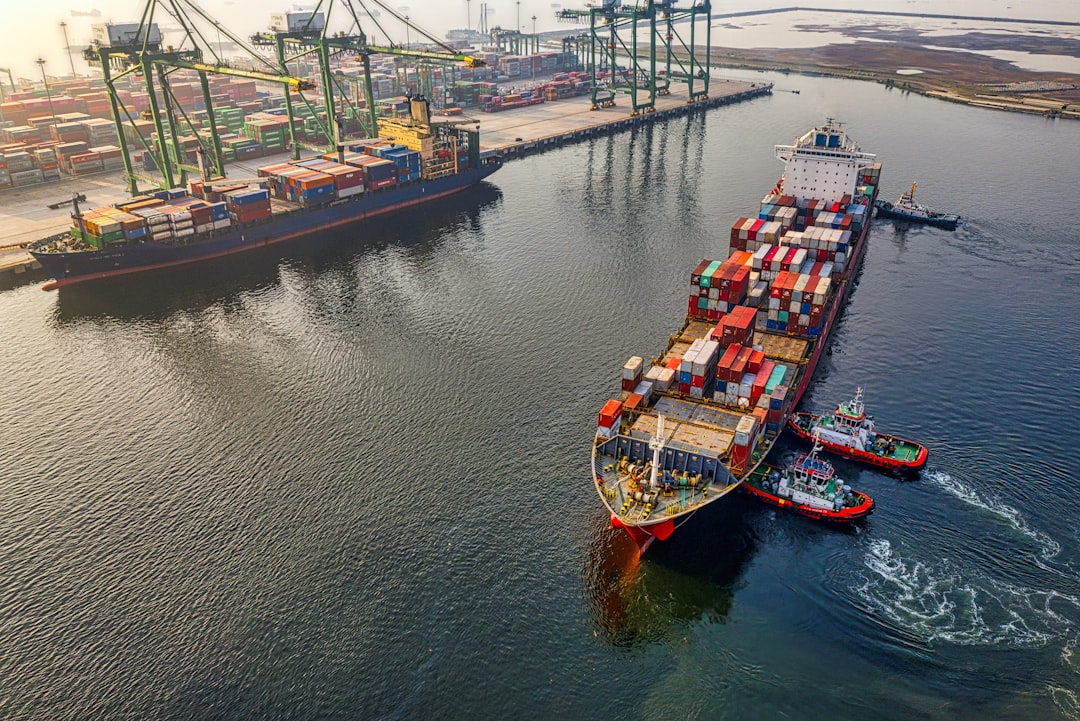
European shipping lines recruit Indian seafarers to meet growing crew demands, and GCC employers must follow similar compliance paths. With maritime trade expanding rapidly, hiring certified personnel from South Asia has become essential for fleet operations. This guide addresses STCW conventions, flag state regulations, and partnership models with licensed agencies. Furthermore, understanding these requirements helps avoid costly delays and legal penalties. At Allianze HR Consultancy, we have successfully placed 10,000+ professionals across UAE, Saudi Arabia, Qatar, and Kuwait. Additionally, our 5+ years of GCC expertise supports clients from 50+ countries. Moreover, our Ministry of External Affairs (India) RA license ensures compliance. Therefore, contact our recruitment specialists for expert guidance.
Indian seafarers are highly sought after due to their strong English skills, technical training, and cost-effectiveness. The International Maritime Organization (IMO) sets global standards through the STCW code, which governs certification, watchkeeping, and safety. European shipping lines must also comply with flag state requirements, whether operating under Panama, Liberia, or European flags. Consequently, a systematic approach to recruitment and documentation is vital.
GCC countries such as UAE and Qatar are also expanding their maritime sectors, creating parallel demand for Indian crew. Whether you are a European line or a GCC-based operator, the same compliance principles apply. Partnering with a licensed Indian recruitment agency streamlines the entire process. At Allianze HR Consultancy, we leverage our RA license and deep talent pool to deliver compliant, vetted seafarers. For a tailored proposal, schedule consultation appointment with our experts.
Understanding GCC Maritime Recruitment Requirements
GCC maritime recruitment demands strict adherence to international and local labour laws. First, employers must verify STCW endorsements for each seafarer. Next, ensure that contracts meet the Maritime Labour Convention (MLC) standards. Specifically, accommodation, medical care, and repatriation clauses must be clearly outlined. Additionally, flag state authorities often require proof of competency certificates. Furthermore, visa processing differs between UAE, Qatar, Saudi Arabia, and Kuwait. For instance, Qatar requires a No Objection Certificate from the previous employer. Moreover, medical fitness tests must be conducted at approved centres. Consequently, working with an experienced agency reduces error risk. A thorough background check on each candidate is also mandatory. Finally, employers should keep digital copies of all documents for port state control inspections. The entire process, from sourcing to deployment, typically takes 6–10 weeks. Therefore, early planning is crucial for fleet readiness.
European Shipping Lines Recruit Strategic Overview
European shipping lines recruit Indian seafarers as a strategic move to ensure crew availability and cost control. The recruitment strategy involves three key phases: sourcing, certification verification, and deployment. First, agencies like Allianze HR pre-screen candidates based on rank, experience, and STCW endorsements. Next, we verify all certificates through the Directorate General of Shipping (India) database. This step prevents fraudulent documentation. Finally, we coordinate visa applications, medical exams, and travel arrangements. Additionally, European lines must consider union agreements and trade policies. For example, some flags require a minimum number of national crew. Nevertheless, Indian officers are widely accepted on international vessels. A well-planned recruitment cycle reduces downtime between sign-on dates. Moreover, long-term partnerships improve crew loyalty and performance. Therefore, European shipping lines recruit with a focus on sustainable talent pipelines. This approach also supports corporate social responsibility goals. By investing in continuous training, companies retain skilled seafarers for multiple contracts.
Legal Framework and Compliance Standards
Compliance begins with understanding the legal framework governing Indian seafarer recruitment. The Emigration Act, 1983 requires all recruitment agencies to hold a RA license from the Ministry of External Affairs. Furthermore, the Shipping Master’s office oversees STCW certificate issuance. International conventions such as SOLAS, MARPOL, and MLC also impose obligations on shipowners. European shipping lines must additionally follow the International Ship Security (ISPS) Code. Flag state authorities audit crew documents during port state control visits. Non-compliance can lead to detention, fines, or blacklisting. Therefore, meticulous record-keeping is essential. Agencies must provide individual candidate files with verified copies of certificates, medical papers, and employment history. Additionally, the EU Maritime Labour Directive applies to vessels trading in European waters. This directive mandates proper wage payment, rest hours, and social security. Collaborating with compliant agencies mitigates legal exposure. For authoritative guidance, refer to ILO international labour standards and U.S. Commerce Department labor rights resources.
European Shipping Lines Recruit Best Practices
European shipping lines recruit best practices to maintain high safety and operational standards. First, always use agencies registered with the Indian Ministry of External Affairs. Second, request original certificate copies for STCW endorsements and watchkeeping ratings. Third, conduct video interviews to assess English proficiency and technical knowledge. Fourth, incorporate seafarer welfare checks into the recruitment process. Fifth, establish clear expectations regarding contract duration and rotation schedules. Additionally, leverage digital platforms to track document expiry dates and revalidation needs. Many European lines now use integrated HR systems that alert them before certificates lapse. Best practice also includes providing pre-departure orientation for new recruits. This covers ship-specific procedures, emergency drills, and cultural adaptation. Furthermore, maintaining a grievance mechanism builds trust among crew. Regularly audit your recruitment partners for compliance updates. Finally, benchmark your processes against industry standards like those from ILO employment promotion resources and WHO occupational health guidelines. These references help ensure holistic crew management.
Documentation and Processing Steps
Documentation is the backbone of international seafarer recruitment. Each Indian seafarer must possess a valid Continuous Discharge Certificate (CDC), passport, and STCW certificates (Basic Safety Training, Advanced Fire Fighting, etc.). Additionally, a Certificate of Competency (CoC) is required for officers. Medical certificates from approved doctors must be current (usually within 12 months). The agency compiles these into a compliance folder. Next, visa applications are submitted to the respective consulate. Some flags, like Liberia, allow electronic endorsements. Processing times vary: certificate verification can take 1–2 weeks, visa processing 2–4 weeks, and medical appointments 1 week. Hence, a lead time of 6–8 weeks is advisable. All documents should be notarised and apostilled where required. Moreover, the employer must retain copies onboard and ashore. Flag state inspections typically request these files. Using a digital document management system reduces manual errors. For further details, consult the UAE visa and immigration services and Saudi Ministry of Human Resources portals. Our professional recruitment resources offer step-by-step checklists.
European Shipping Lines Recruit Implementation Timeline
European shipping lines recruit Indian seafarers with a clear timeline to ensure seamless crew changes. The implementation timeline typically spans 8–12 weeks from initial request to onboard sign-on. Week 1–2: Agency receives job descriptions and rank requirements. Week 2–4: Sourcing and pre-screening of candidates. Week 4–6: Interviewing and selection, including medical examinations. Week 6–8: Certificate verification and visa application submission. Week 8–10: Visa issuance and travel arrangement finalisation. Week 10–12: Pre-departure briefing and travel to vessel. Delays can occur during certificate revalidation or holiday periods. Therefore, European shipping lines recruit proactively, keeping a buffer of 2 weeks. Many companies maintain a pool of pre-vetted candidates for quick deployment. Additionally, digital platforms allow real-time tracking of each candidate’s status. A Gantt chart shared with the agency improves coordination. Furthermore, contingency plans for medical rejections or visa denials are essential. By following this timeline, operators reduce off-hire days and maintain crew satisfaction. For complex projects, consider scheduling a schedule consultation appointment to customise your timeline. Expert planning ensures cost efficiency and compliance.

Common Challenges and Solutions
Recruiting Indian seafarers involves several common challenges. First, fraudulent certificates remain a significant risk. Solution: use the DGS online verification system for all STCW endorsements. Second, delays in visa processing can disrupt crew change schedules. Solution: apply early and maintain relationships with consulates. Third, language and cultural barriers may affect communication onboard. Solution: require English proficiency tests and provide cultural sensitisation training. Fourth, high turnover rates among officers due to competitive offers. Solution: offer competitive wages and career progression opportunities. Fifth, non-compliance with MLC requirements regarding rest hours and accommodation. Solution: audit crew contracts and ship conditions regularly. Sixth, difficulties in finding experienced personnel for specialised roles (e.g., LNG, tankers). Solution: partner with agencies that have niche talent databases. Seventh, administrative complexity of managing multiple flag state requirements. Solution: use a centralised compliance management system. Finally, budget overruns due to unexpected costs like last-minute flights or medicals. Solution: negotiate all-inclusive service packages with your agency. For up-to-date market insights, refer to World Bank labor market analysis. Proactive problem-solving keeps recruitment on track.
Expert Recommendations for Success
To achieve consistent success in Indian seafarer recruitment, follow these expert recommendations. Firstly, build long-term partnerships with licensed agencies rather than transactional engagements. This fosters trust and knowledge sharing. Secondly, invest in joint training programmes with your agency to improve candidate quality. Thirdly, adopt technology for document management and tracking. Fourthly, stay updated on regulatory changes via industry bodies like the International Chamber of Shipping. Fifthly, maintain open communication with seafarers during and after deployment to boost retention. Sixthly, consider forming a crew pool across multiple vessels to reduce per-hire costs. Seventhly, conduct annual audits of your recruitment partner’s compliance status. Eighthly, integrate crew welfare programmes as part of your employer brand. Finally, share feedback with agencies to refine candidate profiles. By implementing these recommendations, European shipping lines can recruit Indian seafarers efficiently and lawfully. Moreover, GCC employers can adopt the same strategies for their own operations. For personalised assistance, contact our HR specialists today. Our team offers bespoke compliance audits and sourcing solutions.
Frequently Asked Questions About European Shipping Lines Recruit
What is the process for European shipping lines recruit Indian seafarers?
The process typically takes 4-8 weeks depending on country requirements. Furthermore, documentation preparation affects processing speed. Therefore, consult our specialists for accurate timelines.
What documentation is required for maritime recruitment from India?
Required documents include employment contracts, visa applications, STCW certificates, medical certificates, and CDC. Additionally, flag-specific endorsements vary. Moreover, attestation procedures apply for all documents.
What are typical costs for hiring Indian seafarers through agencies?
Costs vary by rank, contract duration, and flag. Furthermore, visa fees, medical screening, and documentation affect total investment. Therefore, request detailed quotations for accuracy.
How does Allianze HR ensure compliance for seafarer recruitment?
We maintain Ministry-approved RA license status under The Emigration Act, 1983. Additionally, our team monitors STCW and MLC changes continuously. Moreover, we conduct thorough certificate verification at every stage.
Which European or GCC countries does Allianze HR serve for maritime recruitment?
We serve European shipping lines, UAE, Saudi Arabia, Qatar, Kuwait, Bahrain, and Oman. Furthermore, our talent network spans India, Nepal, Bangladesh, Pakistan, Sri Lanka, and the Philippines.
What sectors do Allianze specialise in for seafarer recruitment?
Our maritime expertise covers tankers, bulk carriers, container ships, LNG carriers, and offshore vessels. Additionally, we handle both deck and engine department recruitment.
Partner with Allianze HR for Maritime Recruitment Success
European shipping lines recruit Indian seafarers with confidence when they partner with a licensed, experienced agency. Throughout this guide, we have covered STCW compliance, flag state requirements, documentation steps, and best practices. The key takeaway is that thorough preparation and expert support minimise risks and maximise crew quality. At Allianze HR Consultancy, we bring over 5 years of international recruitment expertise and a RA license from the Ministry of External Affairs, India. Our team has placed thousands of seafarers with top maritime employers worldwide. Moreover, we offer end-to-end compliance management, from sourcing to deployment. By choosing us, you gain a reliable partner who understands both Indian regulations and global shipping standards. Do not leave your crew planning to chance. Contact our recruitment specialists today to discuss your specific needs. Alternatively, schedule consultation appointment for a free compliance assessment. Let us help you build a safe, skilled, and compliant workforce.