



GCC employers expanding into Saudi projects face shifting labour governance and heightened scrutiny from UN experts. The Kingdom’s Vision 2030 creates massive demand across construction, hospitality, and healthcare sectors. However, non‑compliant hiring can trigger legal penalties and reputational damage. This Saudi Arabia Worker Recruitment guide equips you with compliant strategies for sourcing talent from South Asia while navigating kafala reforms and worker welfare standards.
Construction projects require hundreds of skilled and semi‑skilled workers. Meanwhile, hospitality and healthcare sectors demand specialised professionals. Saudi authorities now enforce stricter documentation, wage protection, and accommodation rules. Consequently, employers must partner with licenced agencies that understand these nuances.
At Allianze HR Consultancy, we have successfully placed 10,000+ professionals across UAE, Saudi Arabia, Qatar, and Kuwait. Furthermore, our 5+ years of GCC expertise supports clients from 50+ countries. Moreover, our Ministry of External Affairs (India) RA licence ensures compliance. Therefore, contact our recruitment specialists for expert guidance.
Understanding GCC Saudi Hiring Requirements
GCC employers must first grasp the legal and cultural framework of Saudi workforce placement. The kafala system now includes worker mobility reforms, though sponsor approval remains essential. Additionally, Saudi Arabia requires all foreign workers to hold valid contracts attested by the Ministry of Human Resources and Social Development (MHRSD).
- Contract registration via the Qiwa platform is mandatory.
- Wages must be paid through the Wages Protection System (WPS).
- Accommodation must meet minimum health and safety standards.
- Workers must receive a copy of the contract in their native language.
- Employers must provide health insurance and annual leave.
- Penalties for non‑compliance include fines and project suspension.
Moreover, UN experts highlight risks of forced labour when agents charge excessive fees. Consequently, ethical recruitment from South Asian countries reduces these pitfalls. Indeed, transparent sourcing protects both employer and worker.
Saudi Arabia Worker Recruitment Strategic Overview
Developing a winning Saudi Arabia Worker Recruitment strategy requires aligning with national workforce goals. The Kingdom prioritises “Saudisation” in certain roles, but foreign labour remains critical for labour‑intensive sectors. Therefore, your plan must balance local‑hire quotas with overseas sourcing.
First, identify the specific trades and skill levels needed. Construction now demands certified safety‑trained workers. Hospitality roles require customer‑service credentials. Healthcare professionals need valid licences from the Saudi Commission for Health Specialties.
- Analyse project timelines to match visa processing durations.
- Budget for visa fees, medical tests, and attestation costs.
- Choose source countries based on skill availability and cultural fit.
- Engage licenced recruitment agents with MHRSD approval.
- Incorporate worker welfare clauses into service agreements.
- Plan for post‑arrival induction and compliance audits.
Furthermore, leveraging technology for digital contract management improves transparency. Notably, early engagement with labour authorities prevents delays. Thus, a strategic outline ensures smooth project mobilisation.
Legal Framework and Compliance Standards
Compliance in Saudi workforce hiring starts with understanding the new Labour Law updates. The 2025 reforms introduced fixed‑term contracts, increased annual leave, and stricter termination procedures. Additionally, the ILO employment promotion resources offer guidance on fair recruitment practices.
Employers must also comply with the U.S. Department of Commerce workforce guidelines when operating as US‑linked contractors. Furthermore, the UAE government employment portal provides cross‑border compliance references.
- All contracts must be bilingual (Arabic and worker’s language).
- Workers cannot be charged recruitment fees under Saudi law.
- Employers must provide safe transport between accommodation and worksites.
- Labour inspectors can conduct unannounced site visits.
- Fines for non‑compliance can reach SAR 100,000 per violation.
- Repeat offenders may be blacklisted from future hiring.
Additionally, the WHO occupational health guidelines are particularly relevant for healthcare workers. Moreover, World Bank labor market insights confirm that compliant employers attract better talent.
Saudi Arabia Worker Recruitment Best Practices
Implementing Saudi Arabia Worker Recruitment best practices reduces attrition and legal risk. Start by vetting recruitment agencies thoroughly. Only those with RA licences from Indian, Nepalese, or Bangladeshi authorities can legally process South Asian candidates.
Second, conduct pre‑departure orientation for all workers. Explain their rights under the new kafala reforms and provide channel for complaints. Third, use digital attendance and wage records to demonstrate compliance during inspections.
- Request references from previous GCC clients of the agency.
- Verify that sub‑agents do not charge candidates illegal fees.
- Require agencies to share candidate profiles with full background checks.
- Insist on medical fitness certificates from government‑approved hospitals.
- Include a clause for replacement if a worker fails safety training.
- Monitor accommodation through third‑party audits quarterly.
Moreover, early engagement with Saudi labour offices streamlines visa stamping. Consequently, best practices save time and build employer reputation in the region.
Documentation and Processing Steps
Accurate documentation is the backbone of any compliant hiring project. For South Asian workers, you need passports, educational certificates, experience letters, and medical reports. Furthermore, all documents must be attested by the Saudi embassy or consulate in the worker’s home country.
The visa process involves several stages. First, the employer applies for a block visa through the Qiwa system. Next, candidates undergo biometric enrolment and medical screening. Third, the visa is stamped and sent to the worker. Finally, upon arrival, the worker must obtain a residence permit (Iqama) within 90 days.
- Ensure contracts are signed before visa application.
- Keep digital copies of all documents in a central repository.
- Track expiry dates of passports and Iqama to avoid penalties.
- Use accredited translation services for non‑Arabic documents.
- Allow 8–12 weeks for complete processing from South Asia.
- Partner with a professional employer organisation for ongoing support.
Additionally, refer to our professional recruitment resources for detailed checklists.
Saudi Arabia Worker Recruitment Implementation Timeline
A realistic Saudi Arabia Worker Recruitment timeline ensures projects start on schedule. Typically, the entire process from candidate sourcing to worker arrival takes 10–14 weeks. However, delays can occur due to embassy backlogs or incomplete documentation.
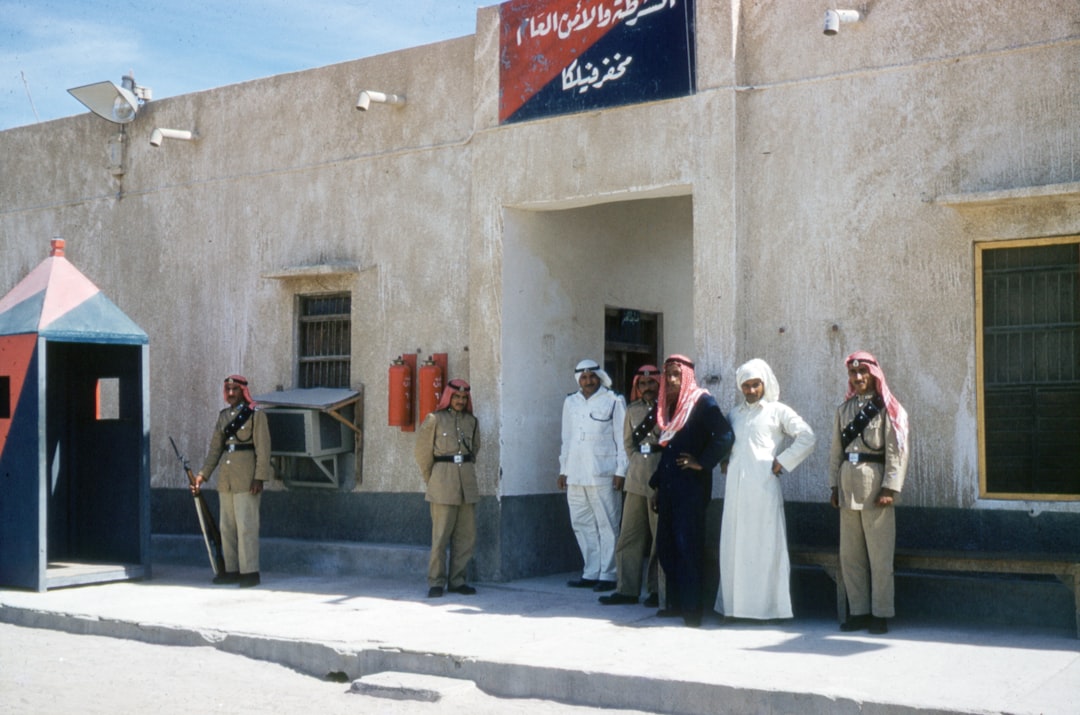
Week 1–2: Finalise job descriptions and agency selection. Week 3–4: Candidate sourcing, interviews, and offers. Week 5–6: Document collection and attestation. Week 7–8: Visa application and medical screening. Week 9–10: Visa stamping and flight booking. Week 11–12: Arrival, orientation, and Iqama processing.
- Start the paperwork at least two weeks before Ramadan and holidays.
- Allocate extra time for healthcare professional licensing.
- Factor in training periods for construction safety credentials.
- Consider multiple batches to stagger arrivals.
- Use a project management tool to track milestones.
- Communicate regularly with your recruitment partner.
Furthermore, early engagement with Saudi labour offices speeds up approvals. Consequently, a well‑planned timeline prevents costly project delays.
Common Challenges and Solutions
Even with careful planning, employers face hurdles in Saudi workforce hiring. One common challenge is candidate fraud, where forged certificates are presented. To mitigate this, agencies must verify credentials through original sources.
Another challenge is worker attrition after arrival. Cultural adjustment, homesickness, or unmet wage expectations can cause early exits. Therefore, offering mentorship programmes and clear communication about salaries helps retention.
- Legal challenges: Always use updated contract templates.
- Visa delays: Prepare backup candidates for critical roles.
- Accommodation issues: Conduct pre‑arrival inspections.
- Language barriers: Provide Arabic‑language trainers on site.
- Health concerns: Ensure comprehensive medical insurance.
- Financial disputes: Use WPS for all salary payments.
Moreover, the ILO employment promotion resources offer conflict‑resolution templates. Additionally, contact our HR specialists for customised solutions.
Expert Recommendations for Success
Based on years of GCC hiring experience, we recommend four key actions. First, invest in pre‑arrival orientation for every worker. Second, maintain open lines of communication with labour attaches in source countries. Third, subscribe to labour law updates from the MHRSD portal.
Fourth, use a technology‑enabled recruitment system that tracks candidate progress in real time. This transparency helps both employer and worker. Furthermore, conduct annual compliance audits to identify gaps before inspectors arrive.
- Join industry associations like the Saudi Council of Engineering.
- Benchmark wages against market rates to avoid exploitation claims.
- Offer career progression to reduce turnover.
- Include worker feedback channels in your welfare framework.
- Review insurance policies to cover occupational hazards.
- Celebrate cultural events to boost morale among diverse teams.
Additionally, explore our schedule consultation appointment to discuss your specific needs.
Frequently Asked Questions About Saudi Arabia Worker Recruitment
What is the process for Saudi Arabia Worker Recruitment?
The process typically takes 8–12 weeks, depending on country requirements. It involves visa application, medical tests, document attestation, and travel coordination. Furthermore, using a licenced agency speeds up each stage. Therefore, consult our specialists for accurate timelines.
What documentation is required for KSA workforce placement?
Required documents include employment contracts, visa applications, medical certificates, and educational credentials. Additionally, country‑specific requirements vary for each South Asian source nation. Moreover, attestation procedures apply for all documents.
What are typical costs for compliant Saudi hiring services?
Costs vary by position level, country, and volume. Furthermore, visa fees, medical screening, and documentation affect total investment. Therefore, request detailed quotations for accuracy.
How does Allianze HR ensure legal compliance?
We maintain Ministry‑approved RA licence status under The Emigration Act, 1983. Additionally, our team monitors GCC labour law changes continuously. Moreover, we conduct thorough documentation verification at every stage.
Which GCC countries does Allianze HR serve?
We serve UAE, Saudi Arabia, Qatar, Kuwait, Bahrain, and Oman. Furthermore, our talent network spans India, Nepal, Bangladesh, Pakistan, Sri Lanka, and the Philippines.
What sectors does Allianze specialise in?
Our expertise covers construction, hospitality, healthcare, facilities management, manufacturing, oil and gas, and technical services. Additionally, we handle both skilled and semi‑skilled recruitment.
Partner with Allianze HR for KSA Recruitment Success
Compliant Saudi Arabia Worker Recruitment requires a partner who understands local laws and global ethics. Allianze HR Consultancy combines deep GCC expertise with a proven track record of 10,000+ placements. Furthermore, our RA licence ensures every candidate is processed legally and ethically.
We support employers across construction, hospitality, and healthcare with end‑to‑end services. From candidate sourcing to post‑arrival compliance, we handle the complexities. Additionally, our team stays updated on kafala reforms and worker welfare standards.
Do not risk penalties or project delays. Contact our recruitment specialists today. You can also schedule a free consultation appointment to discuss your workforce needs. Let Allianze HR be your trusted partner for GCC hiring success.