


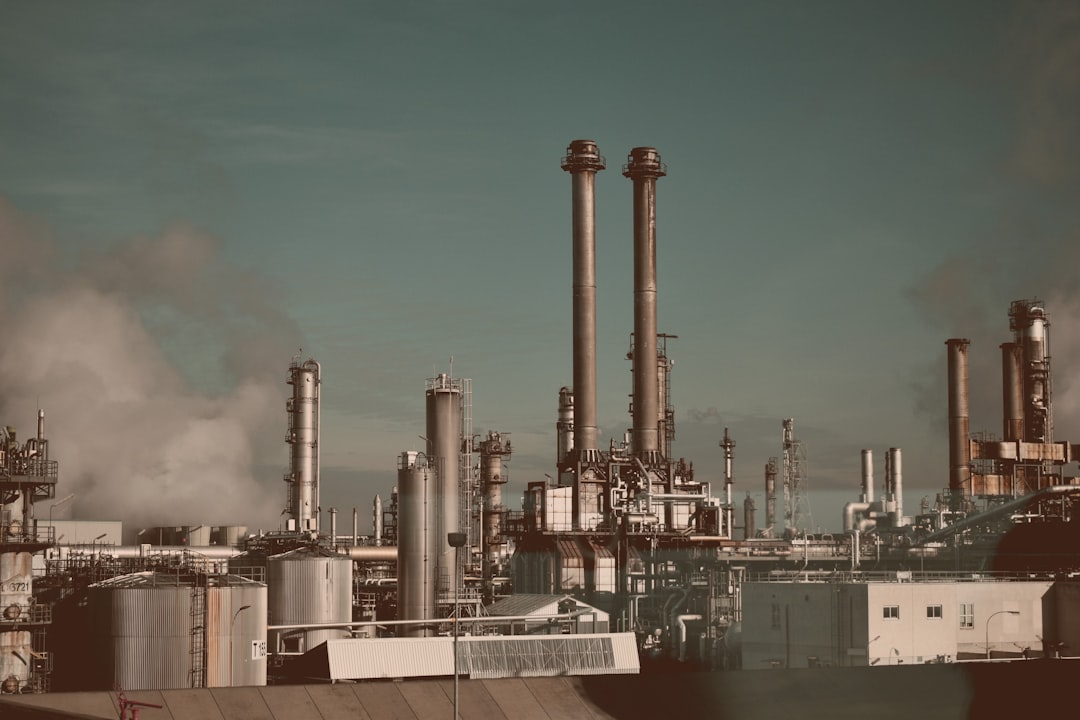
The German chemical industry faces an unprecedented workforce crisis. A recent Financial Post report warns that Germany’s chemical makers are heading for a disorderly decline without urgent action. Therefore, many firms now look abroad for talent. Specifically, skilled and semi-skilled workers from India, Nepal, and Bangladesh offer a viable solution. This German Chemical Industry Labor guide explains how European manufacturers can recruit technicians, operators, and engineers from Asia effectively.
Germany’s chemical sector employs over 460,000 people. However, an aging workforce and declining interest in technical roles have created chronic shortages. Consequently, production capacity and innovation suffer. Many companies now seek international recruitment to fill critical gaps. Asian talent pools provide well-trained professionals with strong technical backgrounds.
At Allianze HR Consultancy, we’ve successfully placed 10,000+ professionals across UAE, Saudi Arabia, Qatar, and Kuwait. Furthermore, our 5+ years of GCC expertise supports clients from 50+ countries. Moreover, our Ministry of External Affairs (India) RA license ensures compliance. Therefore, contact our recruitment specialists for expert guidance.
Understanding European Chemical Industry Requirements
First, European employers must assess their specific workforce needs. The German chemical industry demands technicians with hands-on experience in process operations, maintenance, and quality control. Operators require familiarity with automated systems and safety protocols. Engineers need advanced degrees and practical knowledge of chemical processes. Additionally, language skills matter. While English suffices for many roles, basic German improves integration. Furthermore, cultural fit and adaptability are essential for long-term retention. Employers typically seek candidates with 2‑5 years of relevant experience. Moreover, certifications in chemical handling, safety, and equipment operation add value. To succeed, companies should clearly define job roles, expected qualifications, and growth opportunities. This clarity attracts the right Asian talent and reduces turnover. Indeed, understanding these requirements forms the foundation of a successful recruitment strategy.
German Chemical Industry Labor Strategic Overview
This German Chemical Industry Labor strategy focuses on sourcing technicians, operators, and engineers from India, Nepal, and Bangladesh. These countries produce a large number of chemistry graduates and vocational trainees each year. Many candidates already work in pharmaceutical, petrochemical, or manufacturing sectors. Therefore, they possess transferable skills. The strategic approach involves three phases: sourcing, screening, and onboarding. Sourcing includes partnerships with training institutes and online platforms. Screening uses technical tests and interviews. Onboarding covers visa processing, relocation support, and integration programs. Furthermore, employers should emphasize career development. Offering clear progression paths makes positions more attractive. Additionally, competitive salaries and benefits align with European standards. This strategy ensures a steady pipeline of qualified workers. Consequently, German chemical companies can stabilize their workforce and maintain production levels.
Legal Framework and Compliance Standards
Recruiting Asian talent for German chemical plants requires strict adherence to labor laws. The German Employment Act governs work permits and residency. Employers must also follow ILO construction safety standards where applicable. Additionally, the European Union’s Blue Card scheme facilitates skilled worker entry. Compliance involves verifying qualifications, medical checks, and background screenings. Furthermore, contracts must meet German wage and hour regulations. Employers should work with licensed recruitment agencies. These agencies handle attestation and legal documentation. Moreover, OSHA construction industry guidelines offer best practices for workplace safety. Although focused on construction, they apply broadly. Also, WHO workplace health standards protect worker well-being. Finally, World Bank infrastructure development reports highlight labor trends. Adhering to these frameworks minimizes legal risks.
German Chemical Industry Labor Best Practices
Implementing German Chemical Industry Labor best practices ensures smooth recruitment and retention. First, use structured interviews to assess technical knowledge and soft skills. Second, provide pre‑departure orientation covering German workplace culture and safety norms. Third, offer ongoing language training. Additionally, assign mentors during the first six months. This helps new hires adapt quickly. Moreover, establish clear performance metrics and feedback loops. Recognize achievements to boost morale. Furthermore, involve existing Asian employees in the recruitment process. They can advise on candidate suitability and cultural nuances. Also, maintain transparent communication about job expectations and career paths. Companies that invest in integration programs see higher retention rates. Likewise, competitive compensation packages attract top talent. Therefore, these practices contribute directly to workforce stability and productivity.
Documentation and Processing Steps
The documentation process for hiring Asian talent involves several critical steps. First, collect educational certificates, work experience letters, and professional references. Second, verify these documents through authorized agencies. Third, apply for the appropriate German work visa. This includes the employer’s declaration, contract, and proof of qualifications. Additionally, obtain health insurance coverage and arrange accommodation. Furthermore, complete tax registration and social security enrollment. Each step requires careful attention to detail. Processing times vary from 4 to 12 weeks. Using an experienced agency like Allianze HR streamlines the workflow. They handle attestation, translation, and submission. Moreover, they liaise with German authorities on your behalf. Consequently, employers avoid delays and compliance issues. For more details, refer to our professional recruitment resources.
German Chemical Industry Labor Implementation Timeline
A typical German Chemical Industry Labor implementation timeline spans 8 to 16 weeks. Week 1–2: Identify workforce gaps and define job profiles. Week 3–4: Source candidates from India, Nepal, and Bangladesh. Week 5–6: Screen and interview shortlisted applicants. Week 7–8: Extend offers and collect documentation. Week 9–12: Process visas and permits. Additionally, week 13–14: Arrange travel and accommodation. Week 15–16: Conduct onboarding and initial training. However, timelines can shorten if candidates are pre‑screened. External factors like public holidays or embassy delays may extend processing. Therefore, employers should start early and maintain flexibility. Simultaneously, plan integration activities to accelerate adjustment. Using a dedicated coordinator ensures each phase stays on track. Moreover, regular status updates keep all stakeholders informed. This structured approach minimizes disruptions and speeds up time‑to‑productivity.
Common Challenges and Solutions
Recruiting Asian talent for German chemical plants comes with challenges. Language barriers are common. Solution: offer German language courses before and after arrival. Cultural differences may cause misunderstandings. Solution: provide cross‑cultural training for both new hires and existing staff. Visa delays can disrupt timelines. Solution: work with agencies familiar with German immigration procedures. Additionally, qualification recognition can be slow. Solution: pre‑verify credentials with recognized bodies. Furthermore, retention issues arise if integration is poor. Solution: create mentorship programs and social activities. Also, homesickness affects some workers. Solution: connect them with community groups. By anticipating these challenges, employers can implement effective countermeasures. Consequently, the recruitment process becomes smoother and more predictable.
Expert Recommendations for Success
To maximize success when hiring Asian talent for the German chemical industry, follow these expert recommendations. First, partner with a recruitment agency that has proven experience in the sector. Second, invest in comprehensive onboarding and training. Third, foster an inclusive workplace culture. Additionally, monitor performance and collect feedback regularly. Moreover, maintain open communication channels between management and workers. Also, offer competitive salaries and benefits aligned with German standards. Furthermore, develop a long‑term talent pipeline by engaging with training institutions in source countries. Use digital tools to streamline administrative processes. Finally, continuously evaluate and improve recruitment strategies. For personalized assistance, contact our HR specialists or schedule consultation appointment.
Frequently Asked Questions About German Chemical Industry Labor
What is the process for German Chemical Industry Labor recruitment?
The process typically takes 8‑16 weeks depending on visa requirements. Furthermore, documentation preparation affects processing speed. Therefore, consult our specialists for accurate timelines.
What documentation is required for Asian talent recruitment?
Required documents include employment contracts, visa applications, medical certificates, and educational credentials. Additionally, country‑specific requirements vary. Moreover, attestation procedures apply for all documents.
What are typical costs for hiring Asian chemical workers?
Costs vary by position level, source country, and volume. Furthermore, visa fees, medical screening, and documentation affect total investment. Therefore, request detailed quotations for accuracy.
How does Allianze HR ensure legal compliance?
We maintain Ministry‑approved RA license status under The Emigration Act, 1983. Additionally, our team monitors German and EU labor law changes continuously. Moreover, we conduct thorough documentation verification at every stage.
Which countries do you source talent from?
We source talent from India, Nepal, Bangladesh, Pakistan, Sri Lanka, and the Philippines. Furthermore, our network spans over 50 countries. We screen candidates for technical skills and cultural fit.
What sectors does Allianze specialize in?
Our expertise covers chemical, pharmaceutical, manufacturing, oil and gas, construction, and technical services. Additionally, we handle both skilled and semi‑skilled recruitment for European employers.
Partner with Allianze HR for Workforce Success
Overcoming the German Chemical Industry Labor shortage requires a strategic, compliant recruitment approach. Our guide has outlined key steps: understanding requirements, implementing best practices, and navigating legal frameworks. By tapping into Asian talent pools, you can secure skilled technicians, operators, and engineers. Allianze HR Consultancy offers end‑to‑end support, from sourcing to onboarding. With over 10,000 successful placements and a Ministry‑approved RA license, we deliver results. Furthermore, our 5+ years of international experience ensure smooth processes. Therefore, take action today. Explore our professional recruitment resources or schedule consultation appointment. Let us help you build a resilient workforce for the future.