


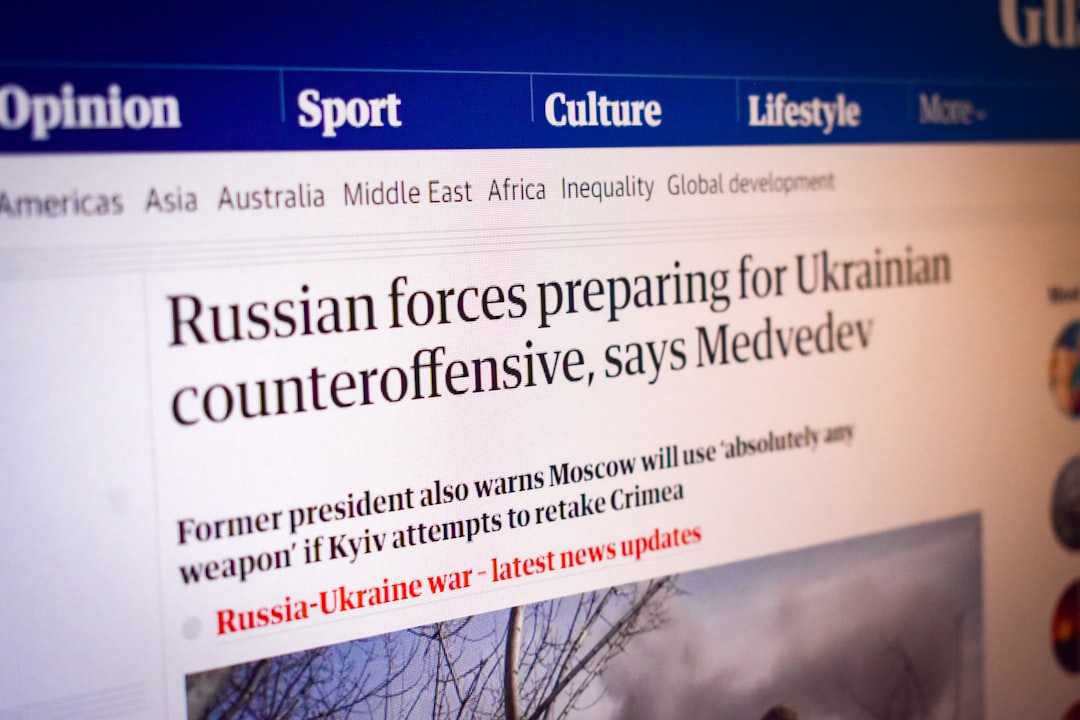
Russian construction and infrastructure companies operating in GCC countries face acute labor shortages after the war crisis. Military losses and reduced domestic workforce have crippled project pipelines. Consequently, many firms now look to hire Indian workers for skilled and semi-skilled roles. This Russian Firms GCC Hire guide outlines legal pathways, compliance steps, and cost benchmarks for seamless recruitment. Additionally, we explain visa sponsorship, BMET requirements, and sanction-proof processes.
The construction sector in UAE, Saudi Arabia, and Qatar relies heavily on expatriate labor. Russian companies, however, face unique bottlenecks due to geopolitical restrictions. For instance, bank transfers, document attestation, and travel routes require careful planning. Moreover, Indian labor pools offer reliable talent in welding, steel fixing, plumbing, and driving roles. Therefore, understanding the right recruitment channels is critical.
At Allianze HR Consultancy, we have successfully placed 10,000+ professionals across UAE, Saudi Arabia, Qatar, and Kuwait. Furthermore, our 5+ years of GCC expertise supports clients from 50+ countries. Moreover, our Ministry of External Affairs (India) RA license ensures full compliance. Therefore, contact our recruitment specialists for expert guidance on hiring Indian workers for your GCC projects.
Understanding GCC Hiring Requirements for Russian Companies
First, understand each GCC country’s labor laws before initiating recruitment. UAE requires attested contracts and medical screenings within 30 days. Saudi Arabia mandates IQAMA and Maktab Amal registration. Qatar needs Kafala sponsorship with NOC approval. Additionally, all countries demand valid passports and professional certifications. For example, Indian construction workers must provide experience letters and skill tests. Moreover, wage protection systems apply in UAE and Saudi Arabia. Thus, compliance is non-negotiable.
- Check specific visa categories for semi-skilled roles.
- Ensure employer pays medical insurance and accommodation.
- Verify BMET (Bureau of Manpower, Employment and Training) clearance for Indian workers.
- Submit attested labor contracts to respective ministries.
- Maintain digital records for labor inspections.
- Use approved recruitment agencies (RA license holders).
Furthermore, each federation imposes strict deadlines. For instance, visa validity ranges from 30 to 90 days for entry permit. Meanwhile, labor quotas change quarterly. Therefore, plan ahead. Additionally, ILO international labour standards provide baseline worker protections. Also, Saudi Ministry of Human Resources updates rules frequently.
Russian Firms GCC Hire Strategic Overview
Russian Firms GCC Hire requires a strategic partnership with licensed recruiters in India. First, identify manpower sources in states like Uttar Pradesh, Bihar, and Rajasthan. These regions supply semi-skilled construction workers with high availability. Furthermore, negotiate bulk rates for larger projects. Second, use government-to-government recruitment agreements where possible. For instance, India’s e-Migrate system streamlines emigration clearance. Moreover, compliance with The Emigration Act, 1983 is mandatory. Therefore, choose a RA agency to handle paperwork.
- Map skill demands: welders, electricians, masons, drivers.
- Set up interview and medical centers in source cities.
- Use digital verification platforms for certificates.
- Align labor contracts with GCC wage protection systems.
- Plan batch-wise mobilization to match project milestones.
- Include replacement clauses in case of absenteeism.
Consequently, strategic planning reduces turnaround time. Additionally, sanctions-related bottlenecks (e.g., SWIFT payments) can be bypassed via third-country banks. Also, UAE visa and immigration services offer investor/company visas for Russian entities. Nevertheless, ensure all transactions remain transparent for audits.
Legal Framework and Compliance Standards
Compliance starts with the India-GCC labor agreement frameworks. All Indian workers must be registered on the e-Migrate portal before departure. Furthermore, the employer must issue a valid job offer and work contract attested by Indian authorities. In parallel, GCC countries require medical fitness certificates and police clearance. Moreover, worker welfare standards (accommodation, transportation, safety) must meet local codes. For example, UAE has Ministerial Decree No. 764 on worker housing.
- Obtain RA license from Ministry of External Affairs, India.
- Register each worker on e-Migrate with unique ID.
- Attest documents at Indian embassy in worker’s home state.
- Ensure employer signs joint liability agreement for wage protection.
- Provide mandatory insurance: health, accident, and repatriation.
- Adhere to International Organization for Migration (IOM) guidelines.
Additionally, U.S. Commerce Department labor rights analysis highlights risks of forced labor allegations. Therefore, maintain full documentation. Also, World Bank labor market analysis suggests using certified recruiters to avoid fraud.
Russian Firms GCC Hire Best Practices
Russian Firms GCC Hire best practices focus on transparency and speed. First, conduct pre-departure orientation for all Indian workers. Explain GCC labor laws, cultural norms, and emergency contacts. Second, use signed employment contracts that clearly state wages, working hours, and accommodation. Third, leverage digital onboarding platforms to reduce paperwork. For example, biometric verification can replace manual signatures. Moreover, implement staggered mobilization to avoid visa processing delays.
- Partner with a local GCC sponsor or PRO for government liaison.
- Use escrow accounts for salary payments to guarantee timeliness.
- Provide translation of documents into Hindi/Urdu for workers.
- Set up grievance mechanism (24/7 helpline) in source language.
- Conduct quarterly compliance audits by third-party agencies.
- Offer skill-upgradation training aligned with GCC standards.
Furthermore, maintain close coordination with Indian missions in GCC countries. They can resolve passport issues or emergency repatriation. Also, ILO construction safety standards must be implemented on site. Consequently, worker retention improves and project delays reduce.
Documentation and Processing Steps
Documentation is the backbone of any successful recruitment. For Indian workers, you need a valid passport (minimum 2 years validity), attested educational/experience certificates, and police clearance. Additionally, medical fitness reports from government-approved clinics are mandatory. In GCC, you must submit visa applications with attested contracts to the Ministry of Labor. Processing steps include:
- Step 1: Receive demand letter from Russian firm in GCC.
- Step 2: Sign recruitment agreement with Indian RA agency.
- Step 3: Source candidates and conduct interview via video.
- Step 4: Medical test and e-Migrate enrollment.
- Step 5: Visa stamping and flight booking.
- Step 6: Arrival, biometric capture, and medical check in GCC.
Moreover, all documents must be in Arabic or English (translated and attested). Also, keep digital copies in secured cloud storage for inspections. Furthermore, professional recruitment resources can help streamline these steps. Finally, ensure end-to-end tracking using a recruitment management system.
Russian Firms GCC Hire Implementation Timeline
Russian Firms GCC Hire implementation timeline typically spans 6 to 10 weeks from demand to deployment. Week 1-2: Contract signing and candidate sourcing. Week 3-4: Interviews, selection, and medicals. Week 5-6: e-Migrate clearance and visa stamping. Week 7-8: Ticketing and orientation. Week 9-10: Arrival and work permit activation. However, timelines vary by country. For example, Saudi Arabia’s Wa-id visa can reduce process to 4 weeks for urgent projects.

- Start early to accommodate holidays (e.g., Ramadan, Indian festivals).
- Allocate buffer week for document re-attestation if needed.
- Use multichannel approvals: online portals plus courier for physical papers.
- Coordinate with airlines for group bookings at discounted rates.
- Plan post-arrival induction within 48 hours to start work quickly.
- Set up onboarding desk at airport to avoid worker confusion.
Consequently, missing a timeline can lead to penalty clauses. Therefore, use a project management tool with milestones. Also, schedule consultation appointment with our experts to create a customized timeline.
Common Challenges and Solutions
Russian firms in GCC face sanctions-related banking issues. However, solutions exist: use Asian intermediary banks or cryptocurrency payments for small amounts. Another challenge is worker documentation delays in India due to high demand. Solve this by engaging multiple RA agencies across Indian states. For example, partner with sub-agents in Kerala, Tamil Nadu, and West Bengal. Additionally, language barriers cause miscommunication. Provide bilingual supervisors or use translation apps.
- Challenge: Stamp duty on Indian contracts – pay online to avoid delays.
- Challenge: Visa rejections – ensure correct NOC code selection.
- Challenge: Worker absenteeism after arrival – implement salary advance system.
- Challenge: Attestation backlogs – use professional attestation services.
- Challenge: Flight bans due to sanctions – route workers via Kuwait/Abu Dhabi.
- Challenge: Insurance coverage gaps – buy comprehensive group policies.
Moreover, continuous compliance training for HR teams reduces violations. Also, use contact our HR specialists for case-specific solutions.
Expert Recommendations for Success
First, always work with a Ministry-approved RA license holder in India. This ensures legal protection for both employer and worker. Second, invest in pre-departure training to reduce culture shock and increase productivity. Third, establish a dedicated PRO in each GCC country to handle visa renewals and cancelations. Additionally, maintain transparent salary payments through WPS (Wage Protection System) in UAE and Saudi Arabia. Finally, build long-term relationships with Indian contractors for repeat hiring needs.
- Use pool accommodation (500+ workers) for economies of scale.
- Offer performance bonuses tied to project completion.
- Conduct quarterly satisfaction surveys among workers.
- Implement digital attendance systems to track hours.
- Create a repatriation plan for worker end-of-contract.
- Monitor international sanctions lists to avoid legal risk.
Furthermore, collaborate with local chambers of commerce (e.g., UAE-India Business Council) for networking. Also, U.S. Department of Commerce workforce insights can guide compliance. Therefore, following these recommendations ensures sustainable workforce supply.
Frequently Asked Questions About Russian Firms GCC Hire
What is the process for Russian Firms GCC Hire?
The process typically takes 4-8 weeks depending on country requirements. Furthermore, documentation preparation affects processing speed. Therefore, consult our specialists for accurate timelines.
What documentation is required for hiring Indian workers in GCC?
Required documents include employment contracts, visa applications, medical certificates, and educational credentials. Additionally, country-specific requirements vary. Moreover, attestation procedures apply for all documents.
What are typical costs for Russian firms hiring Indian workers?
Costs vary by position level, country, and volume. Furthermore, visa fees, medical screening, and documentation affect total investment. Therefore, request detailed quotations for accuracy.
How does Allianze HR ensure legal compliance for Russian firms?
We maintain Ministry-approved RA license status under The Emigration Act, 1983. Additionally, our team monitors GCC labor law changes continuously. Moreover, we conduct thorough documentation verification at every stage.
Which GCC countries does Allianze HR serve for Russian employers?
We serve UAE, Saudi Arabia, Qatar, Kuwait, Bahrain, and Oman. Furthermore, our talent network spans India, Nepal, Bangladesh, Pakistan, Sri Lanka, and the Philippines.
What sectors does Allianze specialize in for Russian companies?
Our expertise covers construction, hospitality, healthcare, facilities management, manufacturing, oil and gas, and technical services. Additionally, we handle both skilled and semi-skilled recruitment.
Partner with Allianze HR for Successful Russian Firms GCC Hire
In conclusion, Russian construction firms in GCC must act fast to secure Indian workers. By following legal pathways, compliance standards, and best practices outlined in this Russian Firms GCC Hire guide, you can overcome labor shortages. Allianze HR Consultancy offers end-to-end recruitment solutions, from candidate sourcing to post-arrival support. Our RA license ensures full legality. Moreover, our 5+ years of GCC experience guarantee efficiency. Therefore, partner with us to meet your project deadlines.
Stop delays and start hiring today. Contact our recruitment specialists for a free consultation. Alternatively, schedule consultation appointment to discuss your workforce needs. Let Allianze HR be your trusted partner for Indian talent acquisition in the GCC.