



Introduction
European hospitality groups expanding in Qatar face a growing demand for cost-effective, service-oriented staff. Housekeeping, food and beverage, and front desk roles require workers who combine English fluency with a strong service culture. Nepal offers a reliable pipeline of talent that meets these needs. The European Hotels Qatar Recruit strategy leverages Nepal’s English proficiency and hospitality training to fill positions quickly. Qatar’s tourism sector is booming, and European chains need staff who adapt to international standards. Nepal’s workforce is known for its warmth, professionalism, and language skills. This guide helps GCC employers understand the process, costs, and compliance steps involved in recruiting from Nepal.
Furthermore, European hoteliers value the cultural alignment between Nepali workers and high-end hospitality. Nepali staff often have experience in similar service roles across the Middle East and Asia. Specifically, they excel in housekeeping, F&B service, and front desk operations. Additionally, Nepal’s education system emphasises English from primary school, making communication seamless. For instance, many Nepali workers hold diplomas in hotel management or tourism. Consequently, European hotels in Qatar can reduce onboarding time and improve guest satisfaction. Therefore, the recruitment of Nepali staff is a strategic move for cost control and service consistency.
At Allianze HR Consultancy, we have successfully placed 10,000+ professionals across UAE, Saudi Arabia, Qatar, and Kuwait. Furthermore, our 5+ years of GCC expertise supports clients from 50+ countries. Moreover, our Ministry of External Affairs (India) RA license ensures compliance. Therefore, contact our recruitment specialists for expert guidance. We also provide professional recruitment resources to help you plan every step. Finally, you can schedule consultation appointment to discuss your specific hiring needs.
Understanding GCC Recruitment Requirements
European hotels must first understand Qatar’s labour laws and visa sponsorship rules. The country’s ILO international labour standards set minimum wage and working hour requirements. Additionally, the Qatar Labour Law (Law No. 14 of 2004) governs contracts, leaves, and termination. Employers need to register with the Ministry of Administrative Development, Labour and Social Affairs (MADLSA). Furthermore, each foreign worker requires a valid work visa and residence permit. Nepali candidates must also clear medical tests and obtain a No Objection Certificate (NOC) from their previous employer if applicable.
Moreover, European hotel chains must adhere to the Qatar Financial Centre (QFC) regulations if they operate under QFC license. For example, QFC entities have separate visa quotas and sponsorship rules. Also, the U.S. Commerce Department labor rights guidelines recommend fair recruitment practices. Consequently, employers should use licensed recruitment agencies like Allianze HR to avoid penalties. Finally, understanding the Wage Protection System (WPS) is critical. Therefore, employers must ensure salary payments are processed through authorised banks. Bullet points summarise key requirements:
- Valid MADLSA-approved employment contract
- Standard offer letter with clear job role and salary
- Labour card and residence permit (RP) application
- Medical fitness certificate from a government-approved centre
- Police clearance certificate from Nepal
- Attested educational and experience documents
European Hotels Qatar Recruit Strategic Overview
The European Hotels Qatar Recruit strategy begins with a thorough needs assessment. European chains must identify the number of staff required, skill levels, and English proficiency benchmarks. Subsequently, they should choose a recruitment partner with Nepal expertise. Nepal’s manpower agencies are regulated by the Department of Foreign Employment (DoFE). Using a licensed agent ensures compliance with both Nepali and Qatari laws. Moreover, the cost advantage is significant: Nepali staff command competitive salaries compared to other nationalities. For example, a housekeeper from Nepal typically earns 20–30% less than a counterpart from the Philippines or Sri Lanka.
Additionally, cultural fit is high. Nepali culture emphasises humility, punctuality, and a strong work ethic. European hotel managers often report positive feedback on guest interactions. Therefore, the strategic overview must include a pre-departure orientation programme. Topics can include Qatari culture, hotel service standards, and basic Arabic phrases. Furthermore, the recruitment cycle takes 6–10 weeks from sourcing to deployment. Bullet points below outline the strategic steps:
- Define job roles and language requirements
- Select licensed Nepal-based recruitment agency
- Conduct virtual interviews with shortlisted candidates
- Arrange medical, police, and skill verification
- Process Qatar work visa and residence permit
- Provide pre-departure training and travel logistics
Legal Framework and Compliance Standards
Compliance is the cornerstone of any GCC recruitment initiative. European hotels must follow Qatar’s Labour Law, which bans visa trading and defines maximum working hours. The UAE visa and immigration services offer similar guidelines, though each country has distinct processes. Specifically, Qatar introduced the Workplace Health and Safety (WHS) regulations in 2021. These require employers to provide insurance, accommodation, and transport. Furthermore, the Saudi Ministry of Human Resources also enforces a similar WPS and labour card system. Consequently, employers must maintain accurate records of attendance and payments.
Moreover, international labour standards from the ILO international labour standards apply. These cover anti-discrimination, freedom of association, and forced labour prohibitions. Also, the World Bank labor market analysis highlights the importance of ethical recruitment. Therefore, European hotels should audit their recruitment chain. The following bullet points list compliance essentials:
- Employment contract written in Arabic and English
- WPS registration with Qatar Central Bank
- Accommodation meeting ministerial standards
- Annual leave and end-of-service benefits
- MADLSA-approved recruitment agent
- Grievance mechanism for workers
European Hotels Qatar Recruit Best Practices
Adopting European Hotels Qatar Recruit best practices ensures long-term workforce stability. First, involve hotel department heads in the selection process. They can assess soft skills and service attitude during video interviews. Second, conduct background checks through Nepal’s police verification system. Third, provide clear job descriptions that outline daily tasks and performance expectations. Additionally, offer a competitive benefits package that includes free accommodation, transport, and meals. This reduces turnover and boosts morale. Furthermore, integrate Nepali staff into cross-cultural training programmes. For example, training on Qatari customs and European service standards helps them adapt quickly.
Moreover, create a mentorship programme where senior staff guide new hires during the first three months. This improves retention and productivity. Also, use digital tools for payroll and attendance to avoid disputes. The U.S. Commerce Department labor rights guide suggests transparent communication from day one. Consequently, staff feel valued and perform better. Below are best practice bullet points:
- Use video interviews to assess English fluency
- Verify credentials via Nepal’s Department of Foreign Employment
- Provide a clear onboarding schedule
- Assign a bilingual HR liaison
- Offer monthly performance feedback
- Celebrate Nepali festivals to build camaraderie
Documentation and Processing Steps
The documentation phase requires precision. European hotels must collect specific documents from each candidate. These include a valid passport, passport-sized photographs, educational certificates, and a detailed CV. Additionally, candidates must obtain a No Objection Certificate from their local ward office. All documents need attestation from the Nepali Ministry of Foreign Affairs and the Qatar Embassy in Kathmandu. Furthermore, medical tests must be done at a government-approved hospital. The test includes blood work, chest X-ray, and physical examination. Also, a police clearance certificate from the District Police Office is mandatory.
Moreover, the visa process starts with an electronic visa application through Qatar’s MOI portal. The employer must provide a valid commercial registration and labour quota approval. Subsequently, the candidate receives a work visa, which they must endorse within 60 days. On arrival in Qatar, the employer must complete biometric enrolment and issue a residence permit. The entire documentation pipeline takes 4–6 weeks if all documents are correct. To avoid delays, use a checklist. The following bullet points outline step-by-step:
- Collect and verify candidate documents
- Attest educational certificates in Nepal
- Complete medical and police checks
- Submit visa application via MOI
- Book flights and arrange airport pickup
- Register with MADLSA and WPS within 7 days
European Hotels Qatar Recruit Implementation Timeline
The European Hotels Qatar Recruit timeline spans 8–12 weeks from initiation to deployment. Week one focuses on needs analysis and agency selection. Weeks two to three involve candidate sourcing and virtual interviews. Subsequently, weeks four to five cover document collection and verification. Meanwhile, the medical and police checks occur in week five to six. Week seven is for visa application and approval. Once the visa is issued, the candidate travels to Qatar in week eight. The final weeks cover MOI registration, residence permit, and induction.
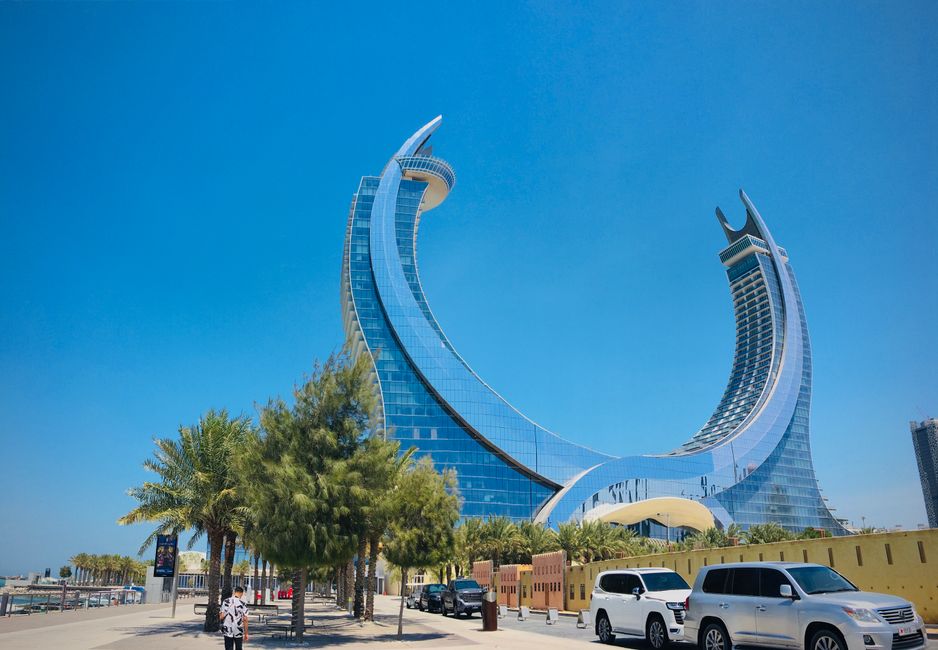
Additionally, delays can occur if documents are incomplete or medical results are delayed. Therefore, build buffer time for unforeseen issues. For example, if the Qatar Embassy requires additional attestation, it can add two weeks. Also, candidates from remote areas in Nepal may need extra time for travel. Consequently, a realistic timeline helps European hotels plan resort opening schedules. Finally, consider a phased deployment: send a first batch of supervisors and trainers a month earlier. This smoothens integration. The bullet points below summarise the timeline:
- Week 1–2: Needs assessment and partner selection
- Week 3–4: Sourcing and virtual interviews
- Week 5–6: Document collection and verification
- Week 7: Visa submission and approval
- Week 8: Travel and arrival
- Week 9–12: Onboarding and compliance registration
Common Challenges and Solutions
European hotels may face several challenges during the European Hotels Qatar Recruit process. One common issue is language proficiency that does not meet expectations. Although Nepali candidates have basic English, some lack specialised hospitality vocabulary. Solution: conduct a language assessment during the interview and provide online pre-departure English training. Another challenge is document fraud. For instance, fake experience certificates can slip through. Therefore, use a reliable recruitment agency that verifies credentials directly with previous employers. Also, cultural adjustment can cause early resignations. To counter this, offer cultural orientation before departure and assign a buddy system in Qatar.
Additionally, visa processing delays are frequent. This can be due to quota issues or incorrect data entry. Always double-check the visa application forms. Furthermore, workers may face homesickness, especially in the first month. Implement a welfare programme with regular check-ins. The WHO workplace health standards recommend mental health support. Finally, cost overruns can happen if visa fees, airfare, or accommodation costs rise unexpectedly. Therefore, sign fixed-price contracts with your agency. Below are solutions in bullet format:
- Challenge: Inadequate English skills → Solution: Pre-departure language training
- Challenge: Document fraud → Solution: Agency verification and background checks
- Challenge: Visa delays → Solution: Use MOI-approved forms and batch applications
- Challenge: High turnover → Solution: Comprehensive orientation and mentoring
- Challenge: Cost escalation → Solution: Fixed-price recruitment agreements
Expert Recommendations for Success
Based on industry experience, European hotels should follow several expert recommendations. First, partner exclusively with RA-licensed agencies in Nepal. This ensures ethical recruitment and avoids legal issues. Second, involve your hotel’s HR team early in the process to align expectations. Third, create a detailed job specification that includes service standards and guest interaction guidelines. Additionally, invest in post-placement support: provide comfortable accommodation, reliable transport, and clear career paths. Furthermore, regularly review workers’ feedback through anonymous surveys to spot dissatisfaction early.
Moreover, integrate Nepali staff into the wider workforce by pairing them with experienced Filipino or Indian colleagues. This fosters cross-cultural learning. Also, leverage Qatar’s UAE visa and immigration services as a benchmark for best practices, although the two countries differ. Another recommendation: use technology like mobile apps for attendance and payroll to minimise disputes. Consequently, this builds trust and reduces administrative burden. Finally, build a long-term talent pipeline by establishing relationships with Nepali hospitality training institutes. The bullet points below capture key recommendations:
- Use RA-licensed agencies for compliance
- Provide cultural and language orientation
- Establish welfare committees for workers
- Conduct quarterly performance reviews
- Maintain transparent communication channels
- Plan for succession through upskilling programmes
Frequently Asked Questions About European Hotels Qatar Recruit
What is the process for European Hotels Qatar Recruit?
The process typically takes 8–12 weeks. It includes needs analysis, candidate sourcing, virtual interviews, document verification, visa processing, travel, and onboarding. Furthermore, compliance with Qatari labour laws is essential. Therefore, consult our specialists for accurate timelines.
What documentation is required for Nepali recruitment?
Required documents include valid passport, CV, educational certificates, police clearance, medical report, and attested employment contracts. Additionally, a No Objection Certificate from the local government may be needed. Moreover, all documents must be attested by the Qatar Embassy in Kathmandu.
What are typical costs for Nepali staff hiring services?
Costs vary based on position level and number of hires. Typically, per-person costs range from QAR 3,000 to QAR 6,000, covering visa processing, medical, and agency fees. Furthermore, airfare and accommodation may add to the total. Therefore, request detailed quotations for accuracy.
How does Allianze HR ensure legal compliance?
We maintain Ministry-approved RA license status under The Emigration Act, 1983. Additionally, our team monitors GCC labour law changes continuously. Moreover, we conduct thorough documentation verification at every stage and coordinate with MADLSA for visa approvals.
Which GCC countries does Allianze HR serve?
We serve UAE, Saudi Arabia, Qatar, Kuwait, Bahrain, and Oman. Furthermore, our talent network spans India, Nepal, Bangladesh, Pakistan, Sri Lanka, and the Philippines for hospitality roles.
What sectors does Allianze specialize in?
Our expertise covers construction, hospitality, healthcare, facilities management, manufacturing, oil and gas, and technical services. Additionally, we handle both skilled and semi-skilled recruitment for housekeeping, F&B, and front desk positions.
Partner with Allianze HR for Recruitment Success
The European Hotels Qatar Recruit journey requires careful planning, compliance, and cultural sensitivity. Nepal offers a cost-effective workforce with strong English skills and a service-oriented mindset. European hotels benefit from lower turnover and high guest satisfaction when they invest in proper onboarding and welfare. Allianze HR Consultancy brings over a decade of GCC recruitment experience, with a proven track record of placing 10,000+ workers across the region. Our team handles everything from sourcing to post-placement support. Consequently, you can focus on running your hotel while we manage the recruitment logistics.
Moreover, we stay up to date with Qatar’s labour laws and attestation procedures. Our partnerships with licensed agencies in Nepal guarantee authenticity and transparency. Therefore, you avoid legal risks and hidden costs. Finally, we offer a free initial consultation to assess your staffing needs and provide a detailed project plan. Take the next step towards building a reliable, skilled workforce from Nepal. Contact our HR specialists today or schedule consultation appointment to start the process. Let us help you integrate Nepali talent into your European hotel operations in Qatar.