


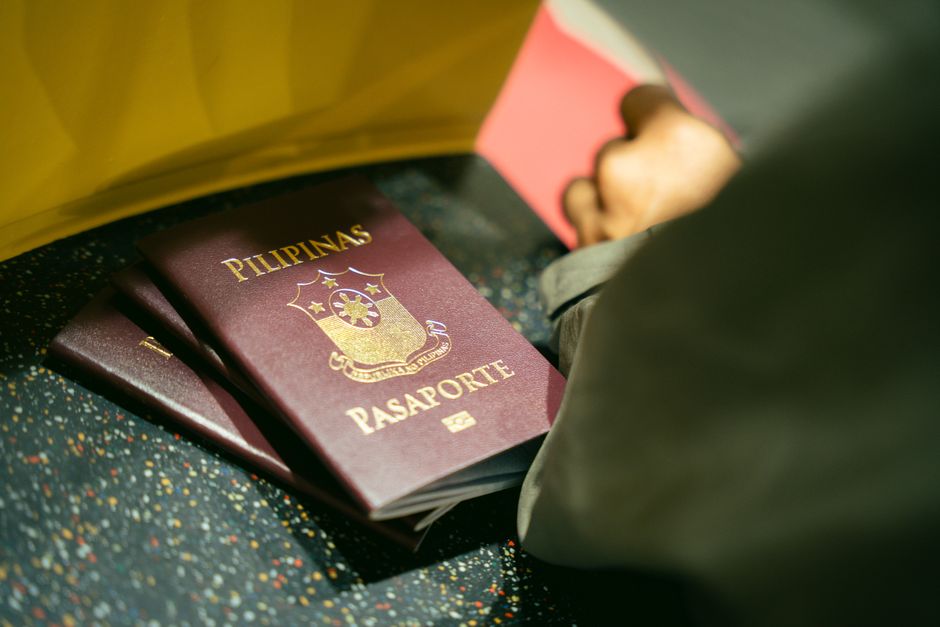
Philippines Qatar POEA Guide is essential for Qatari hospitality employers seeking skilled Filipino staff. The Philippines remains a top source for hotel and restaurant workers in the GCC region. Many Qatari establishments rely on Filipino talent for housekeeping, F&B, and front-of-house roles. Understanding POEA documentation, OEC exemption updates, medical tests, and contract attestation ensures a smooth hiring process. This guide covers every step from source country requirements to final deployment. Consequently, employers save time and reduce compliance risks.
Filipino hospitality workers are known for their strong work ethic, English proficiency, and customer service skills. Therefore, Qatari hotels and restaurants frequently prefer hiring from the Philippines. However, the recruitment process involves multiple government agencies. Specifically, the Philippine Overseas Employment Administration (POEA) oversees worker deployment. Additionally, the Overseas Employment Certificate (OEC) and medical screening are mandatory. Furthermore, contract attestation by the Philippine embassy in Qatar is required. Thus, a thorough understanding of these steps is vital for successful recruitment.
At Allianze HR Consultancy, we’ve successfully placed 10,000+ professionals across UAE, Saudi Arabia, Qatar, and Kuwait. Furthermore, our 5+ years of GCC expertise supports clients from 50+ countries. Moreover, our Ministry of External Affairs (India) RA license ensures compliance. Therefore, contact our recruitment specialists for expert guidance. We streamline the entire POEA process, from documentation to deployment.
Understanding GCC Hospitality Recruitment Requirements
Hiring Filipino hospitality staff for Qatar requires a clear grasp of regional labor laws and bilateral agreements. The GCC market demands fast, compliant recruitment. First, employers must verify job categories covered under the POEA’s approved list. Next, the Qatari Ministry of Labour (MOL) mandates specific contract terms. Additionally, the Philippine government requires a valid employment contract attested by the Philippine Overseas Labor Office (POLO). Third, medical examinations must be conducted at accredited clinics. Fourth, the OEC must be obtained before departure. Finally, upon arrival in Qatar, workers need medical testing again. Nevertheless, recent OEC exemption updates have simplified the process for certain visa types. However, compliance remains critical to avoid penalties. Therefore, staying updated on both Philippine and Qatari regulations is paramount. Many employers partner with licensed recruitment agencies like Allianze HR to handle these complexities. This approach reduces delays and legal risks.
- Verify job roles on POEA approved list
- Prepare Qatari employment contract with standard clauses
- Attest contract at Philippine embassy or POLO office
- Arrange medical tests at accredited facilities
- Obtain OEC or exemption certificate
- Complete Qatari visa and residency procedures
Philippines Qatar POEA Guide Strategic Overview
Philippines Qatar POEA Guide provides a strategic framework for cost-effective and compliant recruitment. Key benefits include access to a large, skilled labor pool and competitive wage rates. Moreover, Filipino workers have high retention rates in GCC hospitality. Therefore, the upfront investment in the POEA process yields long-term savings. The strategic overview involves three phases. First, pre-recruitment planning: document requirement analysis and budget allocation. Second, sourcing and selection: interview and credential verification. Third, deployment and post-arrival support: OEC processing, travel arrangements, and Qatar medical testing. Additionally, employers must factor in POEA fees, medical costs, and ticket expenses. However, economies of scale apply to bulk hiring. For instance, a hotel hiring 50 housekeepers can negotiate lower per-worker costs. Furthermore, using a licensed recruitment agency reduces administrative burden. Consequently, strategic planning ensures timely onboarding and minimizes turnover.
- Pre-recruitment: analyze job specifications and budget
- Partner with licensed Philippine recruitment agencies
- Streamline documentation with POLO and embassy
- Leverage OEC exemption for certain categories
- Implement post-arrival integration programs
- Monitor compliance with ongoing labor law updates
Legal Framework and Compliance Standards
Compliance with international and local labor standards is non-negotiable. The ILO international labour standards set base requirements for worker welfare. Additionally, the U.S. Commerce Department labor rights guidelines influence employer practices. In Qatar, the Ministry of Labour oversees enforcement. Moreover, the Philippine government requires strict adherence to its recruitment regulations. Any violation can lead to blacklisting of the employer or agency. Therefore, contracts must include fair wages, accommodation, insurance, and repatriation terms. Medical tests must cover tuberculosis, hepatitis, and other conditions. Further, the OEC must be issued correctly. For exemptions, specific visa types like “Direct Hiring” may waive OEC. However, employers must still provide attested contracts. Consequently, maintaining a compliance checklist is essential. Many GCC companies rely on specialized consultancies to navigate these requirements. Allianze HR ensures every step meets legal standards, reducing employer liability.
- Adhere to Philippine POEA and Qatar MOL regulations
- Include mandatory welfare provisions in contracts
- Use accredited medical testing centers
- Obtain proper visa and OEC documentation
- Contract attestation via POLO or embassy
- Regularly audit compliance with evolving rules
Philippines Qatar POEA Guide Best Practices
Philippines Qatar POEA Guide best practices focus on efficiency and worker satisfaction. First, start recruitment early to allow 6–8 weeks for processing. Second, use a single point of contact for all POEA communications. This reduces errors and speeds up approvals. Third, pre-screen candidates thoroughly to ensure they meet Qatar’s medical and skill standards. Fourth, offer transparent cost breakdowns to workers to avoid disputes. Additionally, consider using the POEA’s online systems for document submission. Moreover, maintain clear communication with the Philippine embassy in Doha. For instance, embassy verification of contracts can be done remotely. Another effective practice is to create a “welcome package” for new hires. This includes cultural orientation, accommodation details, and contact numbers. Consequently, workers adapt faster and perform better. Furthermore, regular follow-ups with workers after deployment helps identify issues early. All these practices reduce turnover and enhance employer reputation in both Philippines and Qatar.
- Start recruitment 8 weeks before required start date
- Centralize POEA document management
- Conduct thorough candidate screening and interview
- Provide transparent cost and salary details
- Establish post-arrival support system
- Utilize digital platforms for contract attestation
Documentation and Processing Steps
Complete documentation is the backbone of successful recruitment. The following steps outline the process for hiring Filipino hospitality staff for Qatar. First, the employer issues a formal job offer specifying salary, benefits, and duration. Next, the worker signs the contract, which must be attested by POLO. Third, the worker applies for a Philippine passport if not already valid. Fourth, medical screening at an accredited clinic occurs. Additionally, the worker must secure a National Bureau of Investigation (NBI) clearance. Then, the POEA processes the employment contract and issues the OEC. For visa processing, the Qatari employer submits the work visa application. Once approved, the worker receives a visa stamp. After that, the worker undergoes a final OEC verification at the POEA office. Finally, flight booking and departure proceed. Notably, some recent changes allow online OEC exemption for certain high-skilled categories. Therefore, employers should always verify current regulations. At Allianze HR, we manage all document preparation and submission, ensuring no step is overlooked.
- Job offer and contract drafting
- POLO contract attestation
- Passport and NBI clearance acquisition
- Medical test at accredited facility
- POEA contract evaluation and OEC issuance
- Visa application and stamping in Qatar
Philippines Qatar POEA Guide Implementation Timeline
Philippines Qatar POEA Guide implementation requires a realistic timeline. Typically, the entire process from contract signing to worker arrival takes 6–10 weeks. The first two weeks involve contract attestation and document collection. Next, medical and police clearance take one to two weeks. POEA processing and OEC issuance require another two weeks. Then, visa application and approval in Qatar may take one to three weeks. Finally, travel arrangements and departure occur within one week. However, delays can happen due to incomplete documents or seasonal backlogs. To mitigate this, employers should start early. Additionally, using a dedicated coordinator speeds up communication. Furthermore, the OEC exemption program reduces processing time significantly. For instance, workers under the “Company Direct Hire” visa category may skip OEC steps. Nevertheless, contract attestation remains mandatory. Therefore, planning around public holidays in both Philippines and Qatar is wise. At Allianze HR, we provide detailed timeline projections for each recruitment batch. This transparency helps employers plan their staffing needs accurately.
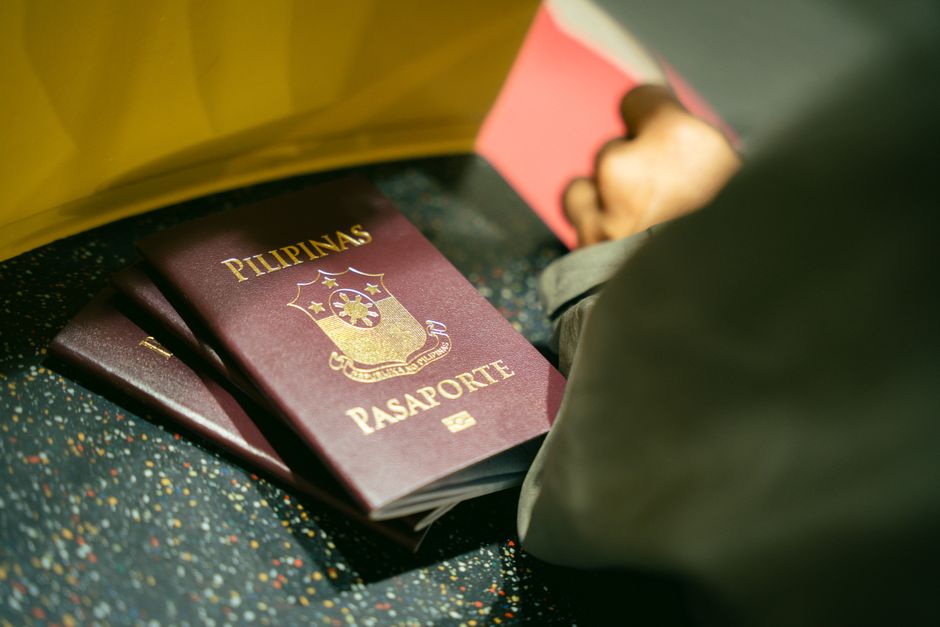
- Week 1–2: contract attestation and document collection
- Week 3–4: medical tests and clearances
- Week 5–6: POEA evaluation and OEC issuance
- Week 7–8: visa processing and final verification
- Week 9–10: travel and deployment
- Adjust timeline based on OEC exemption status
Common Challenges and Solutions
Recruiting from the Philippines to Qatar presents several challenges. One common issue is contract rejection by POEA due to missing clauses. Therefore, contracts must include all mandatory provisions. Another challenge is medical disqualification of candidates. To mitigate this, pre-screen workers early. Additionally, OEC processing delays occur during peak seasons. Hence, submitting documents as early as possible is crucial. Furthermore, language and cultural barriers can cause misunderstandings. Providing orientation sessions helps. Another problem is the high cost of recruitment for small employers. However, partnering with an agency like Allianze HR can reduce per-worker costs through volume discounts. Also, fake documentation from some candidates is a risk. Verified background checks are essential. Moreover, changes in Qatari labor laws can affect visa quotas. Keeping informed through Saudi Ministry of Human Resources (though Saudi, similar GCC trends) and UAE visa and immigration services helps anticipate regional shifts. At Allianze HR, we have protocols to manage each challenge efficiently.
- Contract rejection: use POEA-compliant templates
- Medical issues: early screening and alternative candidates
- OEC delays: submit documentation early
- Cost concerns: request bulk hiring discounts
- Fake documents: conduct thorough verification
- Regulatory changes: subscribe to official updates
Expert Recommendations for Success
To maximize success in hiring Filipino hospitality staff, follow these expert recommendations. First, use a licensed recruitment agency with a proven track record. This reduces legal risks and ensures process efficiency. Second, invest in pre-departure orientation for workers. This improves cultural adaptation and reduces turnover. Third, build a relationship with the Philippine Overseas Labor Office in Qatar. Their support can expedite contract attestation. Fourth, monitor the World Bank labor market analysis for wage trends. This ensures competitive compensation. Additionally, consider implementing a “buddy system” where experienced Filipino staff mentor new hires. Furthermore, provide clear career progression paths to retain talent. Also, conduct regular feedback sessions with workers. Moreover, stay updated on OEC exemption updates through POEA circulars. Finally, document all processes for future reference. At Allianze HR, we offer end-to-end support, from professional recruitment resources to schedule consultation appointment with our experts. Following these recommendations ensures a seamless recruitment experience.
- Engage licensed recruitment agency
- Provide pre-departure training
- Maintain contact with POLO Qatar
- Benchmark salaries with market data
- Offer career growth and support systems
- Stay current on POEA and Qatar labor updates
Frequently Asked Questions About Philippines Qatar POEA Guide
What is the process for Philippines Qatar POEA Guide?
The process typically takes 6–10 weeks depending on document preparation and visa approval. Furthermore, proper coordination with POLO speeds up attestation. Therefore, consult our specialists for accurate timelines.
What documentation is required for hiring Filipino hospitality staff?
Required documents include an employment contract, visa application, medical certificate, NBI clearance, passport copy, and OEC. Additionally, attestation from POLO is mandatory. Moreover, job offer and company license may be needed.
What are typical costs for POEA recruitment services?
Costs vary by position and processing route. Standard fees include POEA processing, medical tests, insurance, and airfare. Furthermore, agency service fees apply. Therefore, request a detailed quotation for accurate budgeting.
How does Allianze HR ensure legal compliance?
We maintain Ministry-approved RA license status under The Emigration Act, 1983. Additionally, our team monitors POEA and Qatar labor law changes continuously. Moreover, we conduct thorough documentation verification at every stage.
Which GCC countries does Allianze HR serve for hospitality recruitment?
We serve UAE, Saudi Arabia, Qatar, Kuwait, Bahrain, and Oman. Furthermore, our talent network spans India, Nepal, Bangladesh, Pakistan, Sri Lanka, and the Philippines for hospitality roles.
What sectors does Allianze specialize in besides hospitality?
Our expertise covers construction, healthcare, facilities management, manufacturing, oil and gas, and technical services. Additionally, we handle both skilled and semi-skilled recruitment from multiple source countries.
Partner with Allianze HR for Complete POEA Success
Navigating the Philippines Qatar POEA Guide requires expertise and precision. By following the strategic overview, legal framework, and best practices outlined above, employers can achieve efficient and compliant hiring. The key is to start early, use licensed agencies, and stay updated on OEC exemptions. Filipino hospitality staff offer exceptional quality and cost savings for Qatari hotels and restaurants. At Allianze HR Consultancy, we provide end-to-end support, from contract attestation to deployment. Our team handles all documentation, medical tests, and government submissions. Furthermore, our 5+ years of GCC experience ensures smooth processing. We also offer schedule consultation appointment for personalized advice. Additionally, browse our professional recruitment resources for more insights. Contact us today to start your recruitment journey. Let us help you build a reliable, skilled workforce from the Philippines for your Qatar operations.