


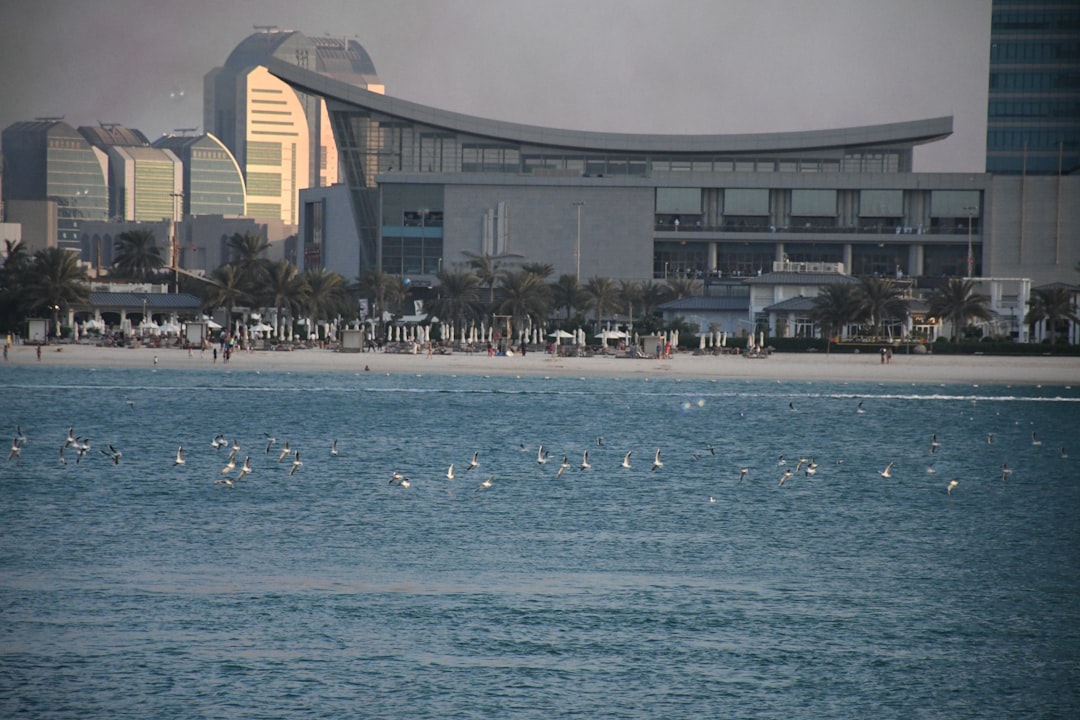
How do you successfully recruit over 300 specialized workers for a major infrastructure project like the Abu Dhabi Airport Terminal 4 expansion? Furthermore, navigating the stringent ADNOC compliance requirements adds significant complexity. Consequently, this large-scale staffing initiative demands a strategic and expert-led approach. This guide provides a comprehensive roadmap for Abu Dhabi Airport Terminal staffing and construction recruitment.
Major airport expansions in the Gulf region represent immense economic opportunities. However, they also present unique workforce mobilization challenges. Specifically, projects under entities like ADNOC require adherence to the highest safety and quality protocols. Therefore, understanding the intersection of construction recruitment and specialized compliance is critical for project success and timely delivery.
At Allianze HR Consultancy, we’ve successfully placed 10,000+ professionals across UAE, Saudi Arabia, Qatar, and Kuwait. Furthermore, our 5+ years of GCC expertise supports clients from 50+ countries. Moreover, our Ministry of External Affairs (India) RA license ensures compliance. Therefore, contact our recruitment specialists for expert guidance on your manpower needs.
Understanding GCC Mega-Project Recruitment Dynamics
Gulf Cooperation Council infrastructure projects operate on an unprecedented scale. Consequently, workforce planning must be equally ambitious and precise. These projects often have accelerated timelines and world-class quality benchmarks. Therefore, traditional hiring methods frequently prove inadequate.
Specifically, airport construction involves multiple specialized trades working simultaneously. For example, you need structural steelworkers, MEP technicians, and finishing experts. Additionally, safety officers and quality inspectors are non-negotiable roles. Moreover, logistical support staff ensure smooth on-site operations.
Understanding regional labor market trends is equally vital. The GCC construction sector experiences cyclical demand fluctuations. Therefore, proactive talent pooling becomes a strategic advantage. Partnering with a recruiter who has an established candidate network mitigates sourcing delays significantly.
- Simultaneous demand for skilled, semi-skilled, and technical labor.
- Critical path dependencies tied to specific trade availability.
- High competition for talent from other mega-projects in the region.
- Stringent visa and immigration quotas for bulk manpower processing.
- Cultural and language considerations for diverse, multinational teams.
Finally, client reputation hinges on successful project execution. Hence, the quality of your workforce directly impacts your brand. A reliable recruitment partner manages these complexities seamlessly.
Abu Dhabi Airport Terminal Staffing Strategic Overview
A strategic overview for Abu Dhabi Airport Terminal staffing begins with precise role mapping. First, project managers must break down the construction phases. Each phase demands a specific workforce composition. Therefore, a phased recruitment rollout aligns hiring with the project timeline.
Second, the scale requires a dedicated recruitment command center. This team oversees sourcing, screening, and deployment for all 300+ positions. Moreover, they ensure consistent communication between the project site and candidate sources. Consequently, this prevents bottlenecks in the talent pipeline.
The third pillar involves integrating ADNOC compliance from day one. Compliance cannot be an afterthought in the recruitment lifecycle. Instead, it must be embedded in every job description, screening criteria, and onboarding module. This proactive integration is the cornerstone of successful Abu Dhabi Airport Terminal staffing.
- Develop a detailed manpower plan aligned with construction milestones.
- Establish dedicated recruitment and compliance verification teams.
- Implement tiered sourcing strategies for different skill levels.
- Create a centralized database for candidate tracking and documentation.
- Design a pre-deployment training curriculum on project-specific standards.
Ultimately, strategy transforms a reactive hiring scramble into a predictable, managed process. This structured approach is essential for projects of this magnitude and prestige.
Legal Framework and ADNOC Compliance Standards
The legal framework for such projects is multi-layered. Firstly, employers must comply with UAE Federal Labor Law. This governs standard employment contracts, working hours, and termination procedures. Secondly, Abu Dhabi-specific regulations may impose additional requirements.
Thirdly, and most critically, ADNOC’s Code of Conduct and technical standards apply. ADNOC mandates world-class health, safety, and environment (HSE) protocols. For instance, all workers require specific safety certifications like IOSH or NEBOSH. Additionally, International Labour Organization construction safety principles are often baseline requirements.
Documentation verification is exceptionally rigorous. Educational certificates and work experience letters require attestation from home country authorities. Furthermore, they often need further authentication by UAE embassies and the Ministry of Foreign Affairs. UAE visa and immigration services provide the official channels for this process.
- Mandatory pre-employment medical screenings for fitness to work.
- Verification of trade-specific licenses and competency cards.
- Comprehensive background checks covering employment history.
- Adherence to OSHA construction industry standards or equivalent.
- Proof of previous experience on similar industrial or infrastructure projects.
Non-compliance risks severe penalties, including project disqualification. Therefore, meticulous attention to legal and contractual details is paramount. Expert partners navigate this complex landscape daily.
Abu Dhabi Airport Terminal Staffing Best Practices
Implementing best practices for Abu Dhabi Airport Terminal staffing ensures efficiency and quality. First, adopt a competency-based assessment framework. This moves beyond resume screening to practical skill verification. For example, conduct technical tests or simulated tasks for key trades.
Second, prioritize candidate experience throughout the recruitment journey. A positive process enhances your employer brand. Consequently, it attracts higher-quality applicants. Clear communication about the role, project, and living conditions is essential.
Third, leverage technology for scale and accuracy. Applicant Tracking Systems (ATS) manage high application volumes. Additionally, digital document management ensures version control and easy retrieval during audits. These systems are indispensable for modern Abu Dhabi Airport Terminal staffing projects.
- Utilize video interviewing for efficient initial screening of overseas candidates.
- Establish a robust referral program to tap into existing trusted networks.
- Conduct pre-departure orientation sessions covering culture and expectations.
- Implement batch processing for medicals and visa applications to accelerate deployment.
- Maintain a “shadow pool” of pre-qualified candidates for critical roles to mitigate attrition risk.
Furthermore, continuous process evaluation is a best practice. Regularly review time-to-hire, cost-per-hire, and quality-of-hire metrics. This data-driven approach allows for real-time strategy adjustments.
Documentation and Visa Processing Steps
The documentation phase is meticulous and sequential. Initially, the employer must secure the necessary quota approvals from the UAE Ministry of Human Resources and Emiratisation. This authorizes the hiring of a specific number of foreign workers.
Subsequently, the individual application process begins. Key documents include the employment offer letter, signed contract, educational certificates, and passport copies. Each document must be attested as per the International Labour Organization standards chain of certification. This process can take several weeks.

Meanwhile, visa processing runs in parallel. The employer applies for entry permits. After the worker arrives, they undergo medical testing and biometric registration. Finally, they receive their Emirates ID and labor card. Each step requires precise document submission. professional recruitment resources can streamline this complex workflow.
- Quota approval and entry permit application.
- Attestation of academic and professional certificates.
- Medical fitness test at approved health centers.
- Labor contract signing and Ministry approval.
- Emirates ID registration and biometric capture.
- Labor card issuance and work permit stamping.
Delays at any stage cascade through the entire timeline. Therefore, having a dedicated processing team with expertise in UAE procedures is invaluable. They anticipate requirements and prevent common filing errors.
Abu Dhabi Airport Terminal Staffing Implementation Timeline
A realistic implementation timeline for Abu Dhabi Airport Terminal staffing is multi-phased. The pre-mobilization phase typically spans 6-8 weeks. This period covers finalizing manpower plans, engaging recruitment partners, and launching sourcing campaigns.
The active recruitment and processing phase follows, lasting 8-12 weeks. During this time, candidates are sourced, assessed, and selected. Simultaneously, documentation collection, attestation, and visa applications proceed. Consequently, parallel processing is key to maintaining schedule integrity.
The final deployment and onboarding phase takes 2-4 weeks. This includes travel coordination, site inductions, and ADNOC-specific safety training. Moreover, World Health Organization workplace standards for health and welfare are implemented. A structured timeline manages expectations for all stakeholders involved in Abu Dhabi Airport Terminal staffing.
- Weeks 1-2: Strategy finalization and partner onboarding.
- Weeks 3-6: Mass sourcing, screening, and technical assessments.
- Weeks 7-10: Document attestation and entry permit processing.
- Weeks 11-12: Medical examinations and final travel arrangements.
- Weeks 13-14: Arrival, site induction, and role-specific training.
Obviously, timelines can vary based on role criticality and candidate availability. However, a detailed, communicated schedule is the project’s backbone. It allows for proactive mitigation of any delays.
Common Challenges and Proactive Solutions
Large-scale recruitment faces predictable challenges. Firstly, a shortage of specialized skills in certain trades can cause bottlenecks. The solution involves global sourcing and offering competitive, compliant compensation packages.
Secondly, documentation delays are frequent. Certificates may be stuck in attestation channels. Proactively, work with agents in source countries to expedite local authentication. Additionally, start the documentation process for top candidates immediately after selection.
Thirdly, last-minute candidate drop-outs disrupt deployment schedules. Maintaining a buffer of pre-cleared candidates mitigates this risk. Furthermore, clear communication about project details and living conditions reduces post-offer surprises. Understanding World Bank infrastructure development reports can provide context on regional labor trends.
- Challenge: High competition for talent. Solution: Build an employer value proposition focused on project prestige and worker welfare.
- Challenge: Complex ADNOC compliance. Solution: Integrate a compliance officer into the recruitment team from day one.
- Challenge: Logistical coordination of 300+ arrivals. Solution: Use staggered deployment batches and dedicated arrival management staff.
- Challenge: Cultural integration on site. Solution: Implement mandatory cultural awareness and basic language training.
Anticipating these challenges allows for the development of contingency plans. Therefore, experienced recruitment partners add tremendous value through their problem-solving foresight.
Expert Recommendations for Project Success
Expert recommendations begin with early engagement. Engage your recruitment partner during the project bidding phase. This allows for accurate manpower costing and realistic scheduling. Early involvement is a critical success factor.
Next, invest in a comprehensive pre-deployment training program. This should cover technical skills refreshers and mandatory HSE certifications. Additionally, include modules on UAE culture and project-specific protocols. This investment reduces on-site accidents and improves productivity.
Furthermore, prioritize worker welfare and accommodation standards. High-quality living conditions are not just ethical; they are strategic. They reduce attrition and improve morale. Moreover, they demonstrate compliance with UAE construction sector employment expectations for worker care.
- Treat recruitment as a strategic project pillar, not just an administrative task.
- Foster transparent communication between the client, recruiter, and candidates.
- Utilize data analytics to track recruitment KPIs and optimize the process continuously.
- Plan for retention from the start, not just acquisition. Develop career paths for key talent.
- Schedule consultation appointment with specialists who understand the intersection of construction and compliance.
Finally, choose a partner with a proven track record in GCC mega-projects. Their established systems, networks, and regulatory knowledge are irreplaceable assets. This partnership de-risks the entire staffing endeavor.
Frequently Asked Questions About Abu Dhabi Airport Terminal Staffing
What is the timeline for Abu Dhabi Airport Terminal staffing?
A complete cycle typically takes 14-20 weeks from planning to deployment. Furthermore, the timeline depends on role complexity and documentation speed. Therefore, consult our specialists for a project-specific plan.
What are the key ADNOC compliance requirements for workers?
Key requirements include specific safety certifications (e.g., IOSH Managing Safely), verified experience on industrial projects, clean medical reports, and fully attested educational and professional documents. Additionally, continuous HSE training is mandatory.
How do you source 300+ specialized construction workers?
We utilize a multi-channel strategy: our proprietary database of pre-screened candidates, targeted campaigns in key source countries, industry partnerships, and employee referral programs. Moreover, we conduct large-scale skill assessment camps to evaluate talent efficiently.
Can Allianze HR manage the entire visa and documentation process?
Yes, we provide end-to-end managed services. This includes quota application, document attestation, visa processing, medical coordination, and travel logistics. Our team ensures full compliance at every step to prevent delays.
What industries does Allianze specialize in recruiting?
Our expertise covers construction, hospitality, healthcare, facilities management, manufacturing, oil and gas, and technical services. Additionally, we handle both skilled and semi-skilled worker recruitment across all sectors.
How does Allianze ensure worker quality and retention?
We implement rigorous technical and behavioral assessments. Furthermore, we provide transparent pre-departure briefings. Additionally, we advocate for fair worker welfare policies. This comprehensive approach ensures we place qualified, reliable candidates who are likely to stay for the project duration.
Partner with Allianze HR for Terminal Staffing Success
Successfully executing Abu Dhabi Airport Terminal staffing requires a blend of scale, specialization, and stringent compliance.