


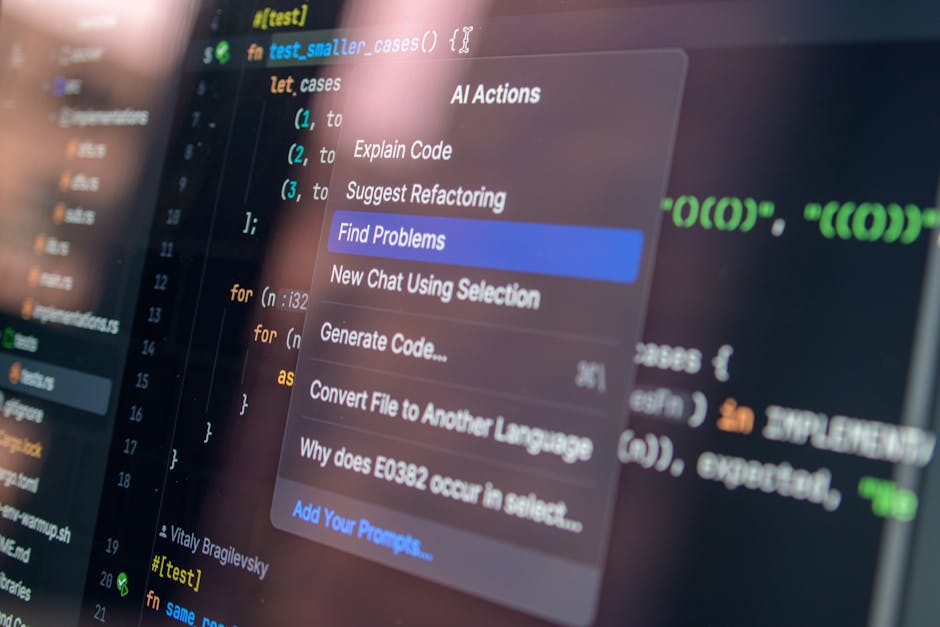
Is your enterprise struggling with lengthy, costly hiring cycles? Furthermore, talent scarcity in the GCC intensifies this challenge. Therefore, innovative solutions are now essential. AI in RPO sourcing screening delivers transformative results. Specifically, it reduces time-to-fill by 43% for enterprise hiring.
The GCC labor market is uniquely competitive. Moreover, rapid economic diversification demands specialized talent. Consequently, traditional recruitment methods often fall short. AI-powered recruitment process outsourcing offers a strategic advantage. This guide details the proven efficiency gains.
At Allianze HR Consultancy, we’ve successfully placed 10,000+ professionals across UAE, Saudi Arabia, Qatar, and Kuwait. Furthermore, our 5+ years of GCC expertise supports clients from 50+ countries. Moreover, our Ministry of External Affairs (India) RA license ensures compliance. Therefore, contact our recruitment specialists for expert guidance on AI-powered talent acquisition.
Understanding Modern Enterprise Hiring Challenges
Enterprise hiring in the GCC faces distinct pressures. First, project timelines are exceptionally tight. Second, niche skill requirements are expanding rapidly. Third, candidate expectations continue to evolve. Consequently, manual processes create significant bottlenecks.
Traditional sourcing and screening consume excessive resources. Moreover, they often yield low-quality candidate shortlists. Additionally, high-volume recruitment exacerbates these inefficiencies. Therefore, a paradigm shift in talent acquisition strategy is necessary. This shift centers on intelligent automation and data.
Key pain points for GCC employers include:
- Prolonged vacancy periods impacting project delivery.
- High cost-per-hire from inefficient advertising and agency fees.
- Inconsistent candidate quality leading to poor retention.
- Administrative overload for internal HR teams.
- Difficulty accessing passive talent pools across borders.
- Compliance risks in multi-jurisdictional hiring.
These challenges demand a smarter approach. Intelligent recruitment process outsourcing provides the solution. It combines human expertise with algorithmic precision.
AI RPO Sourcing Screening Strategic Overview
AI RPO sourcing screening represents a fundamental evolution. It integrates artificial intelligence into recruitment process outsourcing. This fusion creates a powerful talent acquisition engine. Specifically, it automates and enhances candidate identification and evaluation.
The core function involves predictive analytics. AI algorithms analyze vast datasets to find ideal candidates. Moreover, they assess skills and cultural fit at scale. Consequently, recruiters focus on high-value human interactions. This strategic overview clarifies the operational model.
Primary components of this system include:
- Predictive Candidate Sourcing: AI scans global databases and social profiles.
- Intelligent Resume Parsing: Automatically extracts and ranks candidate information.
- Automated Video Interview Screening: Analyzes responses for content and soft skills.
- Skills and Competency Mapping: Matches candidate profiles to precise role requirements.
- Bias Reduction Algorithms: Promotes diversity by focusing on objective criteria.
- Candidate Engagement Bots: Maintains communication throughout early stages.
This approach transforms recruitment from reactive to proactive. For example, AI can identify passive candidates not actively job-seeking. Therefore, it dramatically expands the talent pool available to GCC enterprises.
Legal Framework and AI Compliance Standards
Implementing AI in recruitment requires careful legal navigation. GCC data protection laws are strengthening. Moreover, anti-discrimination regulations are strictly enforced. Therefore, compliance must be engineered into the AI system from inception.
Transparency in algorithmic decision-making is crucial. Employers must understand how AI scores candidates. Additionally, candidates have rights regarding their data. Consequently, partnering with knowledgeable RPO providers mitigates risk. They ensure systems align with International Labour Organization guidelines and local statutes.
Key compliance considerations include:
- Adherence to UAE’s Personal Data Protection Law (PDPL) and similar GCC regulations.
- Ensuring AI models are audited for unintended bias, promoting fair hiring practices.
- Securing explicit consent for data processing during the application stage.
- Maintaining data sovereignty, keeping candidate information within approved jurisdictions.
- Aligning with UAE government employment regulations on qualification verification.
- Implementing robust cybersecurity protocols to protect sensitive candidate information.
Ethical AI use builds employer brand and trust. Furthermore, it ensures sustainable, legally sound recruitment practices. Therefore, compliance is not a barrier but a foundational element of modern RPO.
AI RPO Sourcing Screening Best Practices
Maximizing ROI from AI RPO sourcing screening requires strategic implementation. First, clearly define success metrics with your partner. Second, ensure high-quality data feeds the AI systems. Third, maintain human oversight for final decision-making. These best practices guarantee optimal outcomes.
Integration with existing HR technology stacks is vital. The AI should enhance, not replace, current workflows. Moreover, change management for internal teams is essential. Consequently, training ensures smooth adoption and utilization.
Proven best practices for GCC enterprises:
- Start with a Pilot Program: Test AI RPO on a single, high-volume role first.
- Define Ideal Candidate Personas: Input detailed success criteria for accurate AI matching.
- Continuously Train the Algorithm: Use hiring outcomes to refine sourcing models.
- Prioritize Candidate Experience: Use AI for efficiency but keep communication personal.
- Audit for Diversity: Regularly check that AI promotes inclusive shortlists.
- Measure Beyond Time-to-Fill: Track quality-of-hire, retention, and hiring manager satisfaction.
Following these practices ensures the technology serves business goals. For instance, a well-trained algorithm learns your organizational culture. Therefore, it sources candidates more likely to thrive and stay long-term.
Documentation and AI-Assisted Processing Steps
AI streamlines the entire recruitment documentation workflow. Initially, it automates the collection and verification of candidate documents. Subsequently, it cross-references data against compliance checklists. This reduces administrative errors and accelerates processing.
The typical AI-enhanced process involves several stages. First, candidates upload documents via a secure portal. Next, Optical Character Recognition (OCR) extracts relevant data. Then, the system flags discrepancies or missing information for review. Finally, compiled profiles move to human recruiters for assessment.
Key documentation steps optimized by AI:
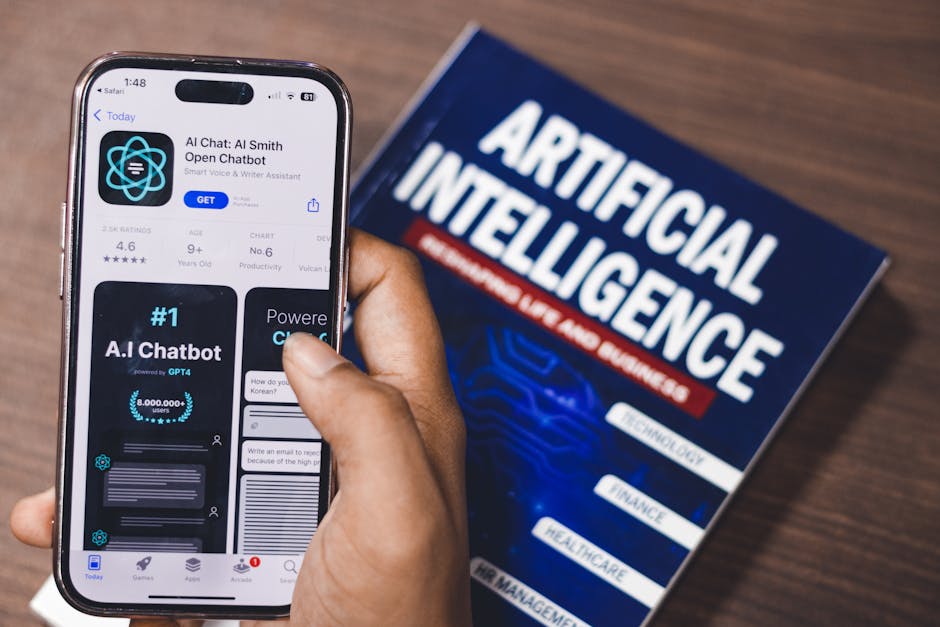
- Automated passport, visa, and educational certificate validation.
- Instant work experience verification against global databases.
- Digital collection and organization of medical fitness certificates.
- AI-driven contract generation based on standardized templates and role specifics.
- Compliance tracking with GCC-specific labor contract requirements.
- Seamless data transfer to onboarding and payroll systems post-hire.
This automation ensures accuracy and speed. Moreover, it provides a clear audit trail for all hiring activities. Therefore, it supports compliance with complex U.S. Department of Commerce trade resources and local mandates.
AI RPO Sourcing Screening Implementation Timeline
A structured implementation timeline is critical for success. Typically, deploying AI RPO sourcing screening takes 6-10 weeks. This period allows for configuration, integration, and testing. Moreover, it ensures the system is tailored to your enterprise’s unique needs.
The first phase involves discovery and planning. Next, comes system configuration and integration. Subsequently, a pilot launch validates the setup. Finally, full-scale deployment and optimization occur. This phased approach minimizes disruption to ongoing hiring.
A detailed 8-week implementation roadmap:
- Weeks 1-2: Needs analysis, data audit, and success metric definition.
- Weeks 3-4: AI model training with historical hiring data and role profiling.
- Week 5: System integration with your ATS and HRIS platforms.
- Week 6: Controlled pilot launch for a specific department or role family.
- Week 7: Analysis of pilot results and algorithm fine-tuning.
- Week 8+: Full enterprise rollout, ongoing monitoring, and quarterly reviews.
Adhering to this timeline ensures a smooth transition. Furthermore, it allows for mid-course corrections based on real feedback. Consequently, enterprises quickly begin realizing the promised efficiency gains in their talent acquisition process.
Common Challenges and Strategic Solutions
Despite its benefits, AI RPO implementation faces hurdles. A primary concern is internal resistance from HR teams. Additionally, data privacy questions often arise. Moreover, ensuring the AI reflects true business needs can be complex. However, each challenge has a proven solution.
Proactive communication addresses team concerns. Demonstrating AI as an assistant, not a replacement, is key. Furthermore, selecting an RPO partner with robust security credentials alleviates privacy fears. Therefore, partnership and transparency are the overarching solutions.
Specific challenges and mitigation strategies:
- Challenge: “Black Box” Anxiety – not understanding AI decisions.
Solution: Demand explainable AI (XAI) features and regular transparency reports. - Challenge: Poor Quality Historical Data skewing algorithms.
Solution: Conduct thorough data cleansing before implementation. - Challenge: Integrating with legacy HR systems.
Solution: Use RPO providers with API-first platforms and proven integration experience. - Challenge: Maintaining a human touch in candidate experience.
Solution: Design workflows where AI handles logistics, and humans handle rapport-building. - Challenge: Evolving GCC regulatory landscape.
Solution: Partner with locally embedded RPOs who monitor legal changes in real-time.
Anticipating these issues enables smoother adoption. For example, involving HR teams in the design phase builds ownership. Therefore, they become champions of the new AI-powered recruitment process.
Expert Recommendations for Sustainable Success
Sustaining the benefits of AI RPO requires ongoing effort. First, view it as a continuous partnership, not a one-time project. Second, dedicate internal resources to manage the relationship. Third, regularly review metrics and refine goals. These actions ensure long-term value creation.
Leadership commitment is non-negotiable. Furthermore, aligning talent acquisition with broader business strategy is vital. Consequently, recruitment becomes a true competitive advantage. This strategic alignment is the ultimate goal of digital transformation in hiring.
Final expert recommendations for GCC leaders:
- Choose an RPO partner with proven GCC experience and cultural intelligence.
- Invest in upskilling your HR team to work alongside AI tools effectively.
- Establish a joint governance committee with your RPO provider for quarterly strategy reviews.
- Expand metrics to track candidate satisfaction and quality-of-hire, not just speed and cost.
- Ensure your AI strategy supports diversity, equity, and inclusion (DEI) goals, referencing World Health Organization workplace standards for wellbeing.
- Stay informed on global talent trends through resources like World Bank labor market reports.
Following these recommendations future-proofs your hiring function. Moreover, it builds a resilient, agile talent pipeline capable of supporting Vision 2030 goals and beyond.
Frequently Asked Questions About AI RPO Sourcing Screening
What is the typical ROI for AI RPO sourcing screening?
ROI extends beyond the 43% faster hiring. Furthermore, it includes higher quality hires and reduced agency fees. Moreover, improved retention lowers long-term costs. Therefore, comprehensive ROI often exceeds 300% within the first year.
How does AI ensure quality in candidate screening?
AI uses multi-factor analysis beyond keywords. Additionally, it assesses project relevance, skill progression, and role fit. Moreover, predictive models identify candidates with high success probability. Consequently, shortlist quality improves significantly.
Is our candidate data safe with an AI RPO provider?
Reputable providers use enterprise-grade encryption and compliance frameworks. Furthermore, data processing agreements clearly define ownership and usage limits. Additionally, access controls are strictly enforced. Therefore, partnering with a licensed firm like Allianze HR ensures security.
Can AI handle specialized technical roles in the GCC?
Yes. AI models are trained on domain-specific data for engineering, IT, healthcare, and more. Moreover, they can parse complex technical certifications and project experience. Therefore, they excel at sourcing niche talent for GCC’s growing sectors.
How does Allianze HR integrate AI into its RPO services?
We embed AI tools into our proven recruitment methodology. Furthermore, our consultants use AI-driven insights to guide strategy. Moreover, we maintain human judgment for all final hiring decisions. This blended approach delivers efficiency with expertise.
What is the first step to implement AI RPO sourcing screening?
The first step is a diagnostic consultation. We analyze your current hiring process and pain points. Subsequently, we design a tailored proof-of-concept. Therefore, schedule a consultation appointment to begin your transformation.
Partner with Allianze HR for Talent Acquisition Success
The evidence for AI-powered recruitment is compelling. It dramatically accelerates hiring while enhancing quality. Moreover, it provides a sustainable model for GCC talent challenges. Therefore, embracing AI RPO sourcing screening is a strategic imperative for growth-oriented enterprises.
This transformation requires the right partner. Allianze HR combines deep regional expertise with cutting-edge technology. Furthermore, our human-centric approach ensures technology serves your people goals. Consequently, you gain a competitive edge in the war for talent.
We invite you to leverage our proven framework. Explore our professional recruitment resources for deeper insights. Then, take the decisive step toward modernizing your hiring. Let us demonstrate how intelligent automation can achieve your specific goals. Transform your talent acquisition into a strategic asset today.