


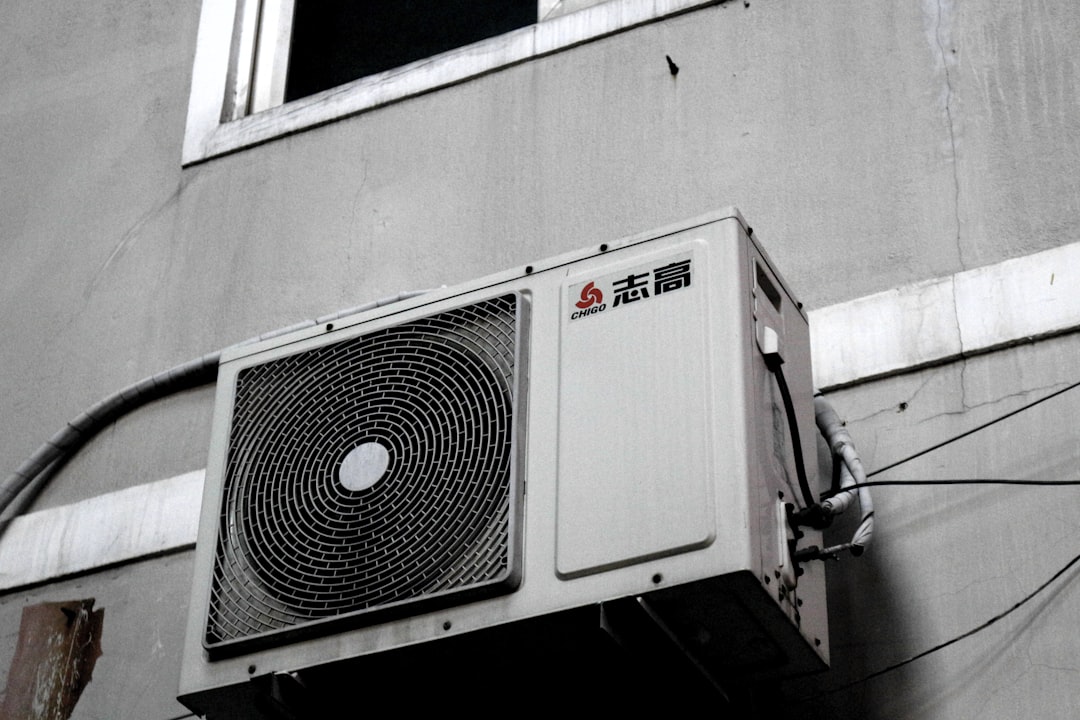
How can facility managers in the Gulf region ensure optimal indoor air quality and system longevity? The answer lies in a disciplined, scheduled approach to air filter maintenance. Consequently, neglecting this critical task leads to poor air quality, increased energy costs, and premature equipment failure. For GCC businesses, from towering commercial complexes to sprawling industrial facilities, a proactive air filter maintenance HVAC strategy is non-negotiable. This guide provides a comprehensive framework for success.
Furthermore, the GCC’s unique environmental conditions present specific challenges. Dust, sand, and high humidity levels place extraordinary strain on ventilation systems. Therefore, standard maintenance schedules often prove insufficient. Moreover, regional health and safety regulations increasingly emphasize indoor environmental quality. Consequently, employers must implement robust filter management protocols to protect occupant health and ensure operational continuity.
At Allianze HR Consultancy, we’ve successfully placed 10,000+ facilities management professionals across UAE, Saudi Arabia, Qatar, and Kuwait. Furthermore, our 5+ years of GCC expertise supports clients from 50+ countries in building high-performing technical teams. Moreover, our Ministry of External Affairs (India) RA license ensures compliance in all recruitment activities. Therefore, contact our recruitment specialists for expert guidance on staffing your facility management department with qualified technicians who excel at preventive maintenance.
Understanding GCC Indoor Air Quality Imperatives
Indoor Air Quality (IAQ) is a paramount concern across Gulf Cooperation Council nations. The region’s frequent dust storms introduce high concentrations of particulate matter into building systems. Additionally, high ambient temperatures force HVAC systems to operate continuously. This combination accelerates filter loading and degradation.
Therefore, facility managers face a constant battle against environmental factors. A compromised filter fails to capture contaminants effectively. Consequently, these particles circulate throughout the building. Moreover, they can damage sensitive HVAC components like coils and fans. Subsequently, system efficiency plummets while energy consumption soars.
Key regional considerations include:
- Sand and Dust Particulates: MERV 8 or higher filters are often mandatory for first-stage filtration.
- High Humidity: Promotes microbial growth on clogged filters, requiring antimicrobial options in specific zones.
- Energy Efficiency Standards: Programs like UAE’s Estidama or Saudi’s SASO push for optimized system performance.
- Occupant Health Regulations: Growing emphasis on ventilation rates and contaminant control in worker accommodations.
Furthermore, understanding these drivers is the first step. Next, implementing a structured maintenance program becomes essential. For detailed standards, refer to the World Health Organization indoor air quality guidelines.
Air Filter Maintenance HVAC Strategic Overview
A strategic approach to air filter maintenance HVAC transcends simple calendar reminders. It integrates asset management, performance benchmarking, and compliance tracking. First, facility managers must categorize systems by criticality and usage. For example, hospital ventilation demands more rigorous schedules than warehouse systems.
Moreover, a successful strategy hinges on documented procedures and trained personnel. Technicians must understand not just the “how” but the “why.” Additionally, leveraging data from building management systems (BMS) can predict filter life. Consequently, this shifts maintenance from reactive to predictive, saving costs and preventing downtime.
Core strategic components include:
- Risk Assessment: Identify high-risk areas like data centers, labs, or healthcare facilities.
- Performance Baselines: Establish normal pressure drop readings and airflow rates for each system.
- Vendor Management: Secure reliable suppliers for quality filter replacements and technical support.
- Training Protocols: Ensure FM staff are certified in proper handling, installation, and disposal procedures.
Therefore, a holistic view ensures reliability. For broader facility management frameworks, the International Facility Management Association provides valuable resources.
Legal Framework and Compliance Standards
GCC nations enforce specific regulations governing building ventilation and workplace air quality. Compliance is not optional. In the UAE, for instance, Dubai Municipality codes outline ventilation requirements for all building types. Similarly, Saudi Arabia’s Saudi Ministry of Labor regulations include provisions for worker accommodation air quality.
Furthermore, international standards often influence local codes. ASHRAE Standard 62.1 (Ventilation for Acceptable Indoor Air Quality) is widely referenced. Additionally, ISO 16890 on air filter testing determines efficiency ratings. Consequently, facility managers must align their filter specifications and change-out logs with these benchmarks.
Key compliance actions include:
- Documentation Audits: Maintain detailed logs of every filter change, including brand, MERV rating, and pressure readings.
- Regular Inspections: Schedule quarterly inspections by certified third parties to validate internal maintenance records.
- Worker Safety Adherence: Follow International Labour Organization workplace safety protocols during maintenance work.
- Disposal Compliance: Adhere to local environmental regulations for disposing of used filters, especially those containing hazardous materials.
Neglecting these standards risks penalties, operational shutdowns, and reputational damage. Therefore, a compliance-first mindset is crucial.
Air Filter Maintenance HVAC Best Practices
Implementing industry best practices transforms a basic task into a value-adding operation. First, establish a clear visual inspection protocol. Technicians should check for filter bypass, frame damage, and moisture weekly. Moreover, monitoring differential pressure gauges is the most reliable indicator of filter condition.
Additionally, standardization across multiple facilities streamlines operations. Use the same filter types and brands where possible. This simplifies inventory management and technician training. Furthermore, implement a color-coding or tagging system. Consequently, this instantly communicates the installation date and next due date.
Essential best practices include:
- Seal and Gasket Checks: Ensure no air bypasses the filter media, which renders it useless.
- Pre- and Post-Filter Inspections: Protect higher-efficiency (and more expensive) final filters with well-maintained pre-filters.
- Seasonal Adjustments: Increase inspection frequency during sandstorm seasons (like the Khamsin winds).
- Technology Integration: Use wireless pressure sensors connected to the BMS for real-time alerts on filter status.
For insights into sustainable building operations, review UAE green building regulations. These often include specific HVAC maintenance criteria.
Documentation and Processing Steps
Meticulous documentation is the backbone of any credible maintenance program. Every filter change must generate a record. This record should include the system ID, filter location, part number, and measured pressure drop. Furthermore, photographing the old filter before disposal provides visual proof of condition.
Next, integrate these records into a Computerized Maintenance Management System (CMMS). The CMMS should automatically generate work orders based on elapsed time or pressure triggers. Moreover, it must track inventory levels to prevent stock-outs. Consequently, this prevents emergency purchases and system downtime.
Critical documentation steps are:
- Work Order Creation: Detail the scope, required tools, safety precautions, and expected time for the task.
- Performance Logging: Record initial and final pressure differentials across the filter bank.
- Inventory Reconciliation: Update stock levels after each change and flag items for reorder.
- Compliance File Updates: File inspection reports and compliance certificates in a dedicated, accessible location.
This procedural rigor not only ensures consistency but also provides defensible data during regulatory audits or tenant inquiries.
Air Filter Maintenance HVAC Implementation Timeline
Developing a realistic timeline is essential for successful rollout. A phased implementation minimizes disruption. First, conduct a facility-wide audit in Week 1-2. This audit should catalog every air handling unit, fan coil, and ventilation intake. Subsequently, categorize filters by type, size, and criticality.
Next, during Weeks 3-4, establish baselines. Measure and record the clean pressure drop for each filter type. Meanwhile, procure initial filter inventory and set up the CMMS database. Furthermore, train the core FM team on the new procedures and documentation requirements.
A sample 90-day timeline includes:
- Month 1: Audit completion, baseline establishment, and procedure drafting.
- Month 2: Pilot program in one building wing, CMMS configuration, and technician training.
- Month 3: Full-scale rollout, first scheduled filter changes, and initial performance review.
- Ongoing: Monthly KPI reviews (energy use, filter costs), quarterly compliance checks, and annual procedure refinement.
Therefore, a structured timeline ensures systematic adoption. For planning large-scale facility improvements, World Bank urban development reports offer useful case studies.
Common Challenges and Solutions
Facility managers often encounter predictable hurdles in maintaining filter schedules. A frequent challenge is inconsistent technician performance. Solution: Implement a checklist with sign-off stages and incorporate spot audits. Moreover, budget constraints can lead to purchasing inferior filters. Solution: Present life-cycle cost analyses that show higher-quality filters save energy and last longer.
Another common issue is poor access to filter housings. Consequently, technicians may delay changes. Solution: During retrofit planning, prioritize serviceability. Additionally, managing inventory for diverse, obsolete systems is difficult. Solution: Standardize filter types across the portfolio where feasible, and phase out non-standard equipment.
Additional challenges and mitigations:
- Challenge: Lack of management buy-in for preventive maintenance budgets.
- Solution: Report on tangible ROI through energy savings and reduced emergency repair costs.
- Challenge: Disposal of contaminated filters from healthcare or industrial settings.
- Solution: Partner with licensed hazardous waste contractors and maintain strict chain-of-custody paperwork.
- Challenge: Verifying contractor performance for outsourced maintenance.
- Solution: Define strict SLAs with key performance indicators (KPIs) like filter change compliance rate and pressure differential targets.
Anticipating these obstacles allows for proactive planning and smoother operations.
Expert Recommendations for Success
To build a world-class air filter maintenance program, go beyond the minimum. First, invest in continuous education for your FM team. Encourage certifications in HVAC and indoor air quality. Furthermore, foster relationships with filter manufacturers. They can provide valuable training on new technologies and efficiency improvements.
Moreover, leverage data analytics. Trend energy consumption against filter change cycles. This often reveals optimal change-out points that differ from manufacturer guidelines. Additionally, consider the occupant experience. Implement a simple feedback mechanism for staff to report stuffy air or dust issues. Consequently, this creates an early warning system.
Final expert recommendations include:
- Benchmarking: Compare your filter costs and change frequencies with industry peers through FM networks.
- Technology Adoption: Explore IoT-based filter monitors that provide real-time, remote status updates.
- Sustainability Integration: Evaluate washable/reusable filters for appropriate applications to reduce waste.
- Staffing Strategy: Ensure your team has the right mix of skills. Access our professional recruitment resources to build your ideal FM team.
Ultimately, excellence in this area protects health, assets, and the bottom line.
Frequently Asked Questions About Air Filter Maintenance HVAC
What is the optimal schedule for air filter maintenance HVAC?
The optimal schedule depends on filter type, environment, and system runtime. For standard commercial settings in the GCC, inspect monthly and change quarterly. However, during sandstorm seasons or in high-occupancy buildings, monthly air filter maintenance HVAC changes may be necessary. Always follow pressure differential readings over fixed calendar dates.
How do I determine the correct MERV rating for my facility?
Balance air quality needs with system capability. Higher MERV ratings capture more particles but increase pressure drop. Consult your HVAC engineer. Generally, MERV 8-13 is suitable for commercial spaces, while healthcare may require MERV 14+. Furthermore, never upgrade filters without verifying your fan motors can handle the added static pressure.
Can poor filter maintenance increase energy costs?
Absolutely. A clogged filter forces fans to work harder to move air, significantly increasing energy consumption. Studies show a dirty filter can increase HVAC energy use by 15% or more. Therefore, regular changes are a direct energy conservation measure that provides rapid return on investment.
What are the signs that a filter needs immediate replacement?
Visible dirt/dust on the clean side, a sustained 10-15% increase in pressure drop across the filter, excessive dust around supply vents, or a noticeable drop in airflow from diffusers. Moreover, if the filter media appears damaged or bowed, replace it immediately to prevent bypass.
How does Allianze HR support facilities management staffing?
We specialize in recruiting qualified HVAC technicians, facility managers, and maintenance supervisors for GCC employers. Our rigorous screening ensures candidates understand preventive maintenance protocols, including filter management. Furthermore, we handle all compliance and onboarding. Schedule a consultation appointment to discuss your staffing needs.
Should filter maintenance be outsourced or kept in-house?
This depends on scale, expertise, and cost. In-house control offers immediacy and direct oversight. Conversely, outsourcing to a specialized provider brings expertise and transfers liability. For many large GCC facilities, a hybrid model works best: in-house team for routine changes, and a specialist contractor for annual audits, deep cleans, and handling hazardous materials.
Partner with Allianze HR for Facility Management Success
Implementing a rigorous air filter maintenance HVAC program is a cornerstone of responsible facility management in the GCC. This guide has outlined the strategic, compliance, and practical steps required for excellence. From understanding regional IAQ challenges to executing detailed change schedules, each element contributes to system health and occupant wellbeing.
Furthermore, the success of any maintenance protocol ultimately depends on the people executing it