


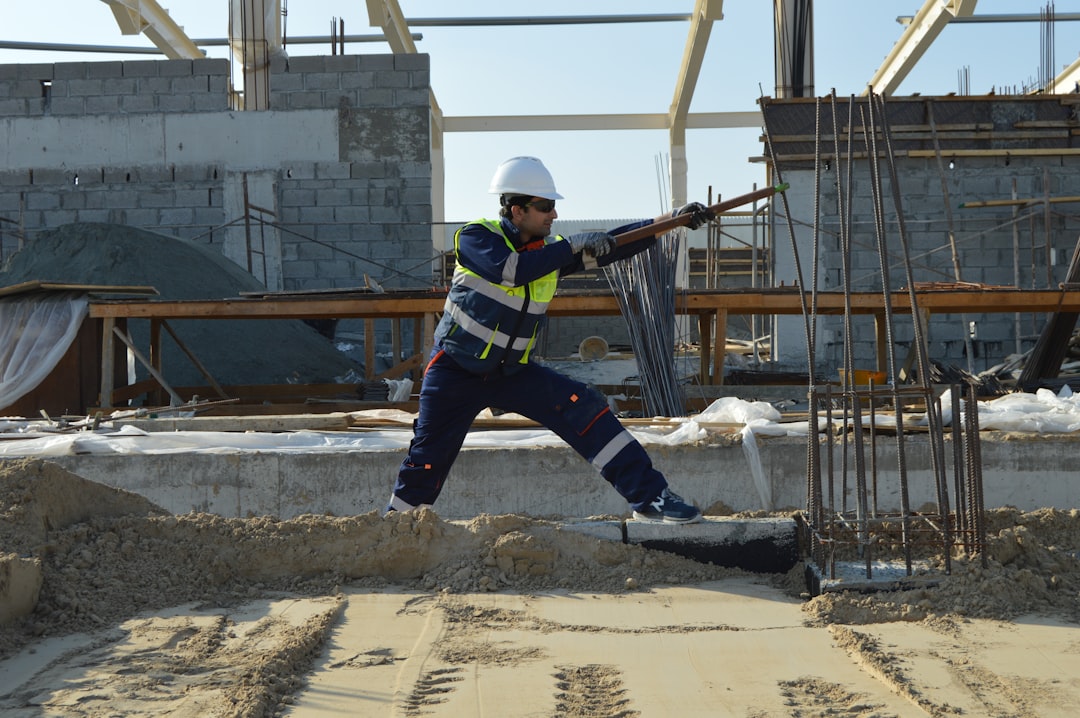
How can construction firms in the UAE’s Garden City build a compliant and effective project team? Furthermore, Al Ain’s development boom demands a specialized regional construction workforce. Consequently, navigating local recruitment with strict Emiratization rules presents a complex challenge. Therefore, this Al Ain construction workforce guide provides essential strategies for success. Moreover, it ensures your project meets both timelines and legal mandates.
Al Ain represents a unique market within the UAE’s construction sector. Specifically, its heritage and strategic growth plans require tailored manpower solutions. Additionally, recruitment here blends international standards with strong local cultural expectations. Hence, understanding regional nuances becomes critical for project managers and HR teams. Finally, effective workforce planning directly impacts project viability and profitability.
At Allianze HR Consultancy, we’ve successfully placed 10,000+ professionals across UAE, Saudi Arabia, Qatar, and Kuwait. Furthermore, our 5+ years of GCC expertise supports clients from 50+ countries. Moreover, our Ministry of External Affairs (India) RA license ensures compliance. Therefore, contact our recruitment specialists for expert guidance on your Al Ain project needs. We provide end-to-end talent acquisition and deployment services.
Understanding GCC Construction Labor Dynamics
The Gulf construction sector operates within a specific regulatory ecosystem. First, labor laws prioritize national workforce development through policies like Emiratization. Second, visa and sponsorship systems govern all foreign worker employment. Third, safety and welfare standards are strictly enforced by multiple authorities. Consequently, employers must navigate this complex framework carefully.
Al Ain’s market has distinct characteristics. For example, its proximity to Oman influences labor availability and cost structures. Additionally, major projects often focus on tourism, culture, and infrastructure. Moreover, competition for skilled tradespeople is intense across the Emirates. Therefore, a proactive recruitment strategy is non-negotiable. Employers must plan their manpower pipeline months in advance.
Key considerations include sourcing both specialized and bulk labor. Specifically, projects require engineers, foremen, and crane operators. Furthermore, they need high volumes of masons, carpenters, and general helpers. Additionally, understanding wage expectations and accommodation logistics is vital. Hence, thorough market research forms the foundation of any successful UAE construction sector employment plan. Partnering with experts mitigates risk.
Al Ain Construction Workforce Guide Strategic Overview
Developing a strategic workforce plan for Al Ain requires a multi-phase approach. First, conduct a detailed project analysis to identify skill and quantity requirements. Second, map those needs against local labor availability and Emiratization quotas. Third, create a blended sourcing strategy targeting both local and international talent pools. This Al Ain construction workforce guide emphasizes integrated planning.
A successful strategy balances several critical elements. For instance, cost control must align with quality and compliance standards. Moreover, recruitment speed must meet project milestones without compromising vetting. Additionally, workforce retention strategies reduce costly turnover and retraining. Therefore, viewing recruitment as a strategic investment yields better long-term results. It ensures project continuity and reputation.
Implementation involves coordinated steps. Initially, secure necessary project-specific approvals from the Abu Dhabi Department of Economic Development. Next, establish your Emiratization compliance framework with the Ministry of Human Resources and Emiratisation (MOHRE). Subsequently, launch targeted recruitment campaigns through appropriate channels. Finally, manage the onboarding and mobilization logistics efficiently. Each step demands precision and local knowledge.
Legal Framework and Emiratization Compliance Standards
UAE labor law and Emiratization policies form the cornerstone of legal compliance. Specifically, Cabinet Resolution No. 19 of 2022 expanded quotas for private sector companies. Furthermore, these regulations are actively enforced with significant penalties for non-compliance. Consequently, construction firms must integrate Emiratization goals into their core HR planning. Understanding these International Labour Organization standards is essential.
Emiratization in construction focuses on skilled and semi-skilled roles. For example, targets apply to project managers, engineers, quantity surveyors, and HSE officers. Moreover, companies must register and report their UAE national workforce through the MOHRE platform. Additionally, training and career development plans for Emirati staff are often scrutinized. Therefore, a proactive approach to national talent development is crucial. It turns compliance into a competitive advantage.
Beyond quotas, general labor law compliance is mandatory. This includes standardized employment contracts, timely wage payments, and adequate accommodation. Furthermore, adherence to OSHA construction industry standards for safety is rigorously inspected. Additionally, proper visa processing and medical screening prevent legal disruptions. Hence, a dedicated compliance officer or partner ensures ongoing adherence. It protects the company from fines and project stoppages.
Al Ain Construction Workforce Guide Best Practices
Adopting industry best practices streamlines your Al Ain manpower deployment. First, establish strong relationships with local technical colleges and training centers. Second, utilize technology for candidate screening and skills verification. Third, implement a transparent and fair compensation structure aligned with market rates. This section of the Al Ain construction workforce guide outlines actionable methods.
Effective local market recruitment employs several tactics. For instance, partnering with established manpower suppliers with Al Ain experience is beneficial. Moreover, participating in local job fairs and using Arabic-language platforms widens your reach. Additionally, offering clear career progression paths attracts higher-quality candidates. Therefore, a multi-channel sourcing strategy yields the best talent mix. It combines efficiency with effectiveness.
Onboarding and integration are equally important. Specifically, comprehensive induction programs covering safety, culture, and project goals are vital. Furthermore, assigning mentors for new Emirati hires fosters engagement and retention. Moreover, regular welfare checks and grievance mechanisms maintain morale and productivity. Consequently, investing in the employee experience reduces attrition. It builds a stable, skilled workforce for the project duration.
Documentation and Visa Processing Steps
Accurate documentation is the backbone of compliant workforce deployment. Initially, companies must obtain a valid trade license and MOHRE establishment card. Next, they need to secure quota approvals for the required number of employee visas. Subsequently, the individual application process for each worker begins. This involves multiple government portals and physical document submissions.
The core document checklist is extensive. For example, it includes attested educational certificates and experience letters. Furthermore, passport copies, photographs, and medical fitness certificates are required. Additionally, the employment contract must be in Arabic and English, adhering to MOHRE templates. Moreover, UAE visa and immigration services have specific format requirements. Therefore, meticulous attention to detail prevents costly rejections and delays.
The processing timeline involves several stages. First, entry permit approval takes 5-7 working days. Second, medical screening and Emirates ID registration follow. Third, labor contract approval and visa stamping complete the process. Finally, the worker can be mobilized to the site. Throughout, coordination with typing centers, medical facilities, and government offices is constant. Hence, dedicated processing expertise significantly accelerates timelines.

Al Ain Construction Workforce Guide Implementation Timeline
A realistic implementation timeline manages stakeholder expectations effectively. Typically, the end-to-end process for mobilizing a regional construction workforce spans 8-12 weeks. This timeline accounts for planning, recruitment, compliance, and visa processing. Following this Al Ain construction workforce guide timeline ensures no critical path delays.
The first phase, planning and approval, takes 2-3 weeks. This includes finalizing manpower budgets, obtaining internal approvals, and securing MOHRE quotas. Furthermore, Emiratization candidate sourcing should begin concurrently. Meanwhile, the recruitment and selection phase for foreign workers requires 3-4 weeks. This covers advertising, screening, interviewing, and job offer finalization. Therefore, parallel processing of different workforce segments is essential.
The final phase is documentation and mobilization, requiring 3-5 weeks. Specifically, this involves contract signing, visa processing, and medical checks. Moreover, it includes booking travel and arranging initial accommodation. Additionally, planning for airport pickup and site induction is part of this stage. Consequently, a detailed week-by-week action plan keeps the entire process on track. It transforms a complex procedure into a manageable workflow.
Common Challenges and Proactive Solutions
Construction employers in Al Ain frequently encounter specific hurdles. First, fluctuating material costs can pressure manpower budgets. Second, unexpected project scope changes may alter skill requirements. Third, high competition for certain trades leads to wage inflation. Fourth, navigating the evolving Emiratization regulations requires constant vigilance. Recognizing these challenges early allows for mitigation planning.
Proactive solutions exist for each common issue. For instance, building flexible clauses into manpower contracts accommodates scope changes. Moreover, developing a pipeline of pre-vetted candidates through an professional recruitment resources partner prevents talent shortages. Additionally, investing in training programs for existing staff can fill specialized skill gaps. Therefore, strategic foresight turns potential obstacles into manageable processes.
Compliance challenges demand particular attention. Specifically, maintaining accurate records for MOHRE inspections is critical. Furthermore, ensuring all worker accommodations meet the World Health Organization workplace standards prevents welfare violations. Moreover, regular audits of payroll and contract adherence safeguard against disputes. Consequently, implementing robust internal HR systems is a necessary investment. It ensures sustainable and ethical operations.
Expert Recommendations for Long-Term Success
Sustaining a successful construction workforce in Al Ain requires a long-term perspective. First, view Emiratization not as a cost but as a strategic investment in local community integration. Second, prioritize workforce welfare and safety to build a reputable employer brand. Third, leverage data analytics to forecast future manpower needs based on project pipelines. These strategies foster resilience and growth.
Building partnerships is another key recommendation. For example, collaborate with recruitment firms that have deep GCC networks and compliance expertise. Moreover, engage with industry bodies and chambers of commerce for market intelligence. Additionally, consider the insights from World Bank infrastructure development reports for long-term planning. Therefore, a networked approach provides stability and insight.
Finally, commit to continuous improvement. Regularly review recruitment metrics like time-to-hire and retention rates. Furthermore, solicit feedback from site managers and workers to refine processes. Moreover, stay updated on legal changes through official channels and professional advisors. Consequently, an adaptive and learning-oriented HR function becomes a true competitive advantage. It ensures your workforce strategy evolves with the market.
Frequently Asked Questions About Al Ain Construction Workforce Guide
What is the timeline for Al Ain construction workforce guide implementation?
Timeline typically ranges 8-12 weeks for full workforce mobilization. Furthermore, planning and Emiratization compliance affect the initial phase. Therefore, consult our specialists for a project-specific schedule.
What documentation is required for construction recruitment in Al Ain?
Required documents include company trade license, MOHRE quota approval, attested candidate certificates, and medical reports. Additionally, signed MOHRE-standard employment contracts are mandatory for visa processing.
How does Emiratization specifically affect construction hiring?
Emiratization mandates specific percentages of skilled roles be filled by UAE nationals. Consequently, construction firms must source and integrate Emirati engineers, supervisors, and HSE officers into their project teams.
Can Allianze HR assist with both skilled and bulk labor needs?
Yes. We provide end-to-end manpower solutions from executive construction roles to volume hiring for tradesmen. Moreover, our processes ensure full compliance for all worker categories simultaneously.
What are the key cost factors in Al Ain workforce deployment?
Major costs include recruitment fees, visa and government charges, airfare, accommodation setup, and insurance. Furthermore, training costs for Emiratization compliance should be budgeted for long-term success.
How do we ensure worker welfare meets UAE standards?
We advise on compliant accommodation, health insurance, and contract terms. Additionally, we reference International Labour Organization construction safety guidelines to help clients exceed basic welfare requirements.
Partner with Allianze HR for Workforce Deployment Success
Building a compliant and productive construction team in Al Ain is a multifaceted endeavor. This comprehensive Al Ain construction workforce guide has outlined the strategic, legal, and practical steps required. From Emiratization integration to efficient visa processing, each element demands expertise and precision. Moreover, the dynamic nature of the UAE market requires a partner who can navigate its complexities seamlessly.
Allianze HR Consultancy offers that partnership. With our extensive GCC experience and licensed operations, we transform your manpower challenges into reliable solutions. Furthermore, we provide end-to-end support from initial planning to final mobilization. Additionally, our commitment to compliance and ethical recruitment protects your project and reputation. Therefore, choosing the right recruitment partner is your most critical decision.
Do not let workforce shortages or compliance risks delay your Al Ain development project. Take proactive steps today to secure your talent pipeline. Schedule consultation appointment with our Al Ain specialists for a tailored workforce plan. Together, we can build the skilled team needed to turn your project vision into reality, on time and within full regulatory compliance.