


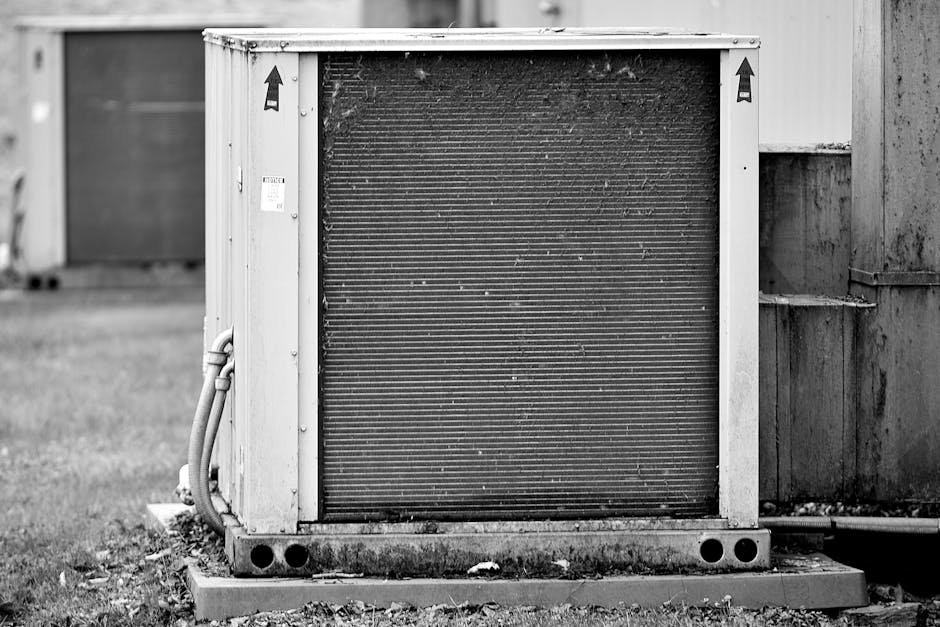
How can facility managers in the GCC ensure their heating and cooling systems are both efficient and compliant? Furthermore, the region’s extreme climate places immense demand on HVAC infrastructure. Consequently, proactive maintenance is not just an operational task but a critical business imperative. Adhering to ASHRAE standards HVAC maintenance best practices provides the definitive framework for success. This guide delivers a strategic roadmap for facility management optimization.
The Gulf’s construction boom demands sophisticated building management. Moreover, operational costs for cooling can exceed 70% of a facility’s energy bill. Therefore, systematic maintenance directly impacts profitability and sustainability. Additionally, regional regulations increasingly reference international standards for indoor environmental quality and energy use. Understanding these requirements is essential for long-term operational resilience.
At Allianze HR Consultancy, we’ve successfully placed 10,000+ technical and facilities management professionals across UAE, Saudi Arabia, Qatar, and Kuwait. Furthermore, our 5+ years of GCC expertise supports clients from 50+ countries in building competent teams. Moreover, our Ministry of External Affairs (India) RA license ensures compliance in all recruitment activities. Therefore, contact our recruitment specialists for expert guidance in staffing your facility management department with certified technicians.
Understanding GCC Facility Management Requirements
GCC facility management operates within a unique environmental and regulatory context. First, extreme heat and dust necessitate robust filtration and frequent system checks. Second, ambitious sustainability goals, like UAE Vision 2030 and Saudi Vision 2030, mandate higher efficiency. Additionally, occupant comfort in luxury hospitality and corporate sectors sets high performance benchmarks.
Consequently, maintenance programs must be more rigorous than global norms. For example, coil cleaning and filter replacement cycles are often shorter. Moreover, water treatment for cooling towers is critical in coastal, humid regions. Furthermore, UAE green building regulations align closely with ASHRAE energy standards. Therefore, a localized approach to international standards is vital.
Key regional considerations include:
- High ambient temperature stress on condensers and compressors.
- Sand and particulate matter accelerating component wear.
- Stringent indoor air quality expectations for malls and hotels.
- Growing enforcement of energy efficiency audits by utilities.
- Demand for technicians skilled in both modern VRF systems and legacy chiller plants.
ASHRAE Standards HVAC Maintenance Strategic Overview
ASHRAE, the American Society of Heating, Refrigerating and Air-Conditioning Engineers, sets the global benchmark. Their standards provide a scientific foundation for system operation. Implementing ASHRAE standards HVAC maintenance is a strategic decision, not a technical checklist. It transforms reactive repairs into a proactive asset management program.
Firstly, these standards offer a risk-based framework for prioritizing tasks. Secondly, they establish measurable performance criteria for indoor environmental quality. Consequently, facility managers can justify budgets with data-driven ROI calculations. Moreover, compliance demonstrates due diligence to insurers and regulators. This strategic alignment protects capital investment and ensures business continuity.
Core standards guiding maintenance include:
- ASHRAE Standard 180: Establishes minimum inspection and maintenance procedures.
- ASHRAE Standard 55: Defines thermal comfort conditions for occupants.
- ASHRAE Standard 62.1: Specifies ventilation for acceptable indoor air quality.
- ASHRAE Standard 90.1: Provides the energy efficiency basis for building codes.
- ASHRAE Guideline 4: Outlines preparation of operational and maintenance documentation.
Legal Framework and Compliance Standards
GCC facility management intersects with multiple legal and regulatory layers. National building codes often incorporate or reference ASHRAE standards. Additionally, occupational health and safety laws mandate safe working environments. Furthermore, International Labour Organization workplace safety principles underpin many local regulations. Therefore, maintenance is a compliance activity.
In the UAE, the Dubai Municipality and Abu Dhabi Department of Municipalities and Transport enforce strict guidelines. Similarly, Saudi Arabia’s Saudi Ministry of Labor regulations and SASO standards apply. Moreover, facility management contracts often stipulate adherence to specific international standards. Non-compliance can result in fines, operational shutdowns, or voided warranties.
Critical compliance areas include:
- Regular inspection and certification of pressure vessels and refrigeration systems.
- Documentation of water treatment to prevent Legionella, as per World Health Organization indoor air quality guidelines.
- Energy performance reporting aligned with ESG (Environmental, Social, and Governance) commitments.
- Maintaining logs for all service activities as legal evidence of due care.
- Ensuring technician certifications meet local civil defense and regulatory requirements.
ASHRAE Standards HVAC Maintenance Best Practices
Implementing ASHRAE standards HVAC maintenance requires translating guidelines into daily routines. First, develop a comprehensive Operations & Maintenance (O&M) manual for each asset. This manual should detail task frequency, methods, and acceptance criteria. Second, establish a computerized maintenance management system (CMMS) to schedule and track all work orders.
Preventive maintenance forms the core of ASHRAE’s approach. Consequently, schedule regular inspections, cleaning, and adjustments before failures occur. Additionally, predictive maintenance, using vibration analysis or thermal imaging, identifies hidden issues. Moreover, calibration of sensors and controls is essential for system optimization. Finally, thorough documentation of every action provides a valuable historical record.
Essential best practices include:
- Quarterly: Inspect belts, filters, coils, and electrical connections; verify refrigerant charge.
- Semi-Annually: Clean evaporator and condenser coils; test safety controls; calibrate thermostats.
- Annually: Perform combustion analysis on boilers; clean and treat cooling tower water; conduct ductwork inspection.
- Use standardized checklists derived from ASHRAE Standard 180 appendices.
- Benchmark system performance against design conditions and investigate deviations.
Documentation and Processing Steps
Robust documentation is the backbone of effective facility management. It turns maintenance from an art into a science. First, create a centralized repository for all system documentation. This includes design manuals, as-built drawings, O&M manuals, and equipment submittals. Second, implement a consistent logging procedure for every service visit.
Furthermore, each work order should capture the date, technician, tasks performed, measurements taken, parts used, and observations. Subsequently, this data feeds into performance analytics and lifecycle planning. Moreover, proper documentation is crucial during audits or when claiming equipment warranties. Therefore, treat paperwork with the same importance as the physical work.
Key documentation steps are:
- Maintain an updated asset register with model numbers, serial numbers, and installation dates.
- Log all refrigerant usage and leaks in compliance with environmental regulations.
- Keep calibration certificates for all test and measurement equipment.
- Document energy meter readings monthly to track consumption trends.
- Archive manufacturer service bulletins and update procedures accordingly.
ASHRAE Standards HVAC Maintenance Implementation Timeline
Rolling out a compliant maintenance program is a phased project. A realistic ASHRAE standards HVAC maintenance implementation timeline spans several months. First, conduct a comprehensive facility audit in Week 1-4. This baseline assessment identifies all assets and their current condition. Next, develop customized maintenance plans for each major system in Month 2.
Meanwhile, source and onboard qualified technicians or a specialized service partner. Subsequently, in Month 3, deploy your CMMS and begin populating it with asset data and schedules. Furthermore, initiate training for in-house staff on new protocols and documentation requirements. Finally, by Month 6, the full preventive maintenance program should be operational with all historical data migrated.
A sample 6-month timeline includes:
- Month 1: Facility audit, gap analysis, and budget finalization.
- Month 2: Development of O&M plans and procurement of CMMS software.
- Month 3: Staff training, CMMS configuration, and initial documentation upload.
- Month 4: Begin executing preventive maintenance tasks; refine schedules.
- Month 5-6: Full program rollout, performance review, and continuous improvement cycle.
Common Challenges and Solutions
Facility managers face predictable hurdles when elevating maintenance standards. First, budget constraints often prioritize short-term cost-cutting over long-term investment. The solution is to present lifecycle cost analysis demonstrating ROI from reduced energy use and avoided major repairs. Second, a lack of technically skilled personnel is acute in the GCC. Partnering with a recruitment expert like Allianze HR ensures access to certified talent.
Another common issue is resistance from existing staff to new, documented procedures. Therefore, involve them in the process and highlight how standardized work makes their jobs easier and safer. Additionally, managing diverse equipment from multiple vendors complicates parts inventory. Consequently, creating a strategic spares list based on criticality analysis is essential. Moreover, integrating new IoT-based monitoring with legacy systems requires careful planning.
Effective solutions include:
- Start with a pilot project on one building system to demonstrate value before full rollout.
- Leverage professional recruitment resources to build a skilled, sustainable team.
- Use the CMMS to automate reminders and reporting, reducing administrative burden.
- Engage a commissioning authority to re-commission systems and establish true baseline performance.
- Join professional bodies like the International Facility Management Association for ongoing training and networking.
Expert Recommendations for Success
Sustaining a world-class maintenance program requires ongoing commitment and expert insight. First, appoint a dedicated maintenance manager with the authority to enforce standards. This role is critical for program continuity and accountability. Second, invest in continuous training for technicians on emerging technologies and standards updates. The HVAC industry evolves rapidly, and skills must keep pace.
Furthermore, integrate your maintenance data with broader World Bank urban development and sustainability goals. This positions your facility as a leader in corporate responsibility. Moreover, conduct regular third-party audits of your program to identify blind spots and opportunities for improvement. Finally, foster a culture where every occupant feels empowered to report comfort or air quality issues.
Top recommendations are:
- Benchmark your facility’s energy use intensity (EUI) against similar buildings in the region.
- Implement a continuous commissioning process to catch system drift early.
- Develop strong relationships with equipment OEMs for advanced technical support.
- Prioritize indoor air quality monitoring, especially post-pandemic, as a key health metric.
- Schedule consultation appointment with HR specialists to audit your technical team’s capabilities and plan for future needs.
Frequently Asked Questions About ASHRAE Standards HVAC Maintenance
What is the primary benefit of ASHRAE standards HVAC maintenance?
The primary benefit is optimized system lifecycle cost. Furthermore, it ensures reliable performance, occupant comfort, and regulatory compliance. Consequently, it reduces emergency repairs and energy consumption significantly.
How often should HVAC systems be serviced under ASHRAE guidelines?
Frequency depends on system type and usage. Generally, preventive maintenance occurs quarterly. Additionally, specific components like filters may need monthly attention in dusty GCC environments. Moreover, annual comprehensive inspections are mandatory.
Is ASHRAE compliance mandatory for GCC facilities?
While not always explicitly mandated, local building codes often incorporate ASHRAE standards. Moreover, many client contracts and green building certifications (like LEED or ESTIDAMA) require adherence. Therefore, it is a de facto industry requirement.
What qualifications should HVAC technicians have?
Technicians should hold certifications from bodies like HVAC Excellence or NATE. Additionally, manufacturer-specific training for installed equipment is crucial. Moreover, understanding of local codes and safety standards, informed by OSHA construction industry standards principles, is essential.
Can existing maintenance programs be upgraded to meet ASHRAE standards?
Absolutely. The process begins with a gap analysis against Standard 180. Subsequently, develop a phased upgrade plan for procedures, documentation, and training. Moreover, securing management buy-in by highlighting financial benefits is the critical first step.
How does Allianze HR support facilities management staffing?
We specialize in recruiting certified HVAC technicians, facility managers, and energy auditors. Furthermore, we verify technical credentials and ensure compliance with GCC labor laws. Therefore, we provide the skilled workforce needed to implement and sustain ASHRAE standards HVAC maintenance programs effectively.
Partner with Allianze HR for Facility Management Success
Implementing rigorous ASHRAE standards HVAC maintenance transforms building operations from a cost center into a value driver. This guide has outlined the strategic importance, best practices, and implementation pathway. Furthermore, the GCC’s unique climate and regulatory landscape make adherence to these international standards particularly critical. Consequently, the return on investment manifests in lower energy bills, extended equipment life, and enhanced occupant satisfaction.
However, success ultimately depends on people. The most sophisticated program fails without skilled technicians and competent managers to execute it. Therefore, building a capable facility management team is your most important strategic decision. Partnering with an experienced recruitment firm provides access to pre-vetted, certified talent who understand both the technology and the regional context.
Allianze HR Consultancy is your dedicated partner in this mission. We connect you with the technical professionals needed to achieve operational excellence. Let us help you build a team that ensures your HVAC systems perform optimally, compliantly, and efficiently for years to come. Contact our HR specialists today to discuss your facility management staffing requirements and take the first step toward optimized building performance.