


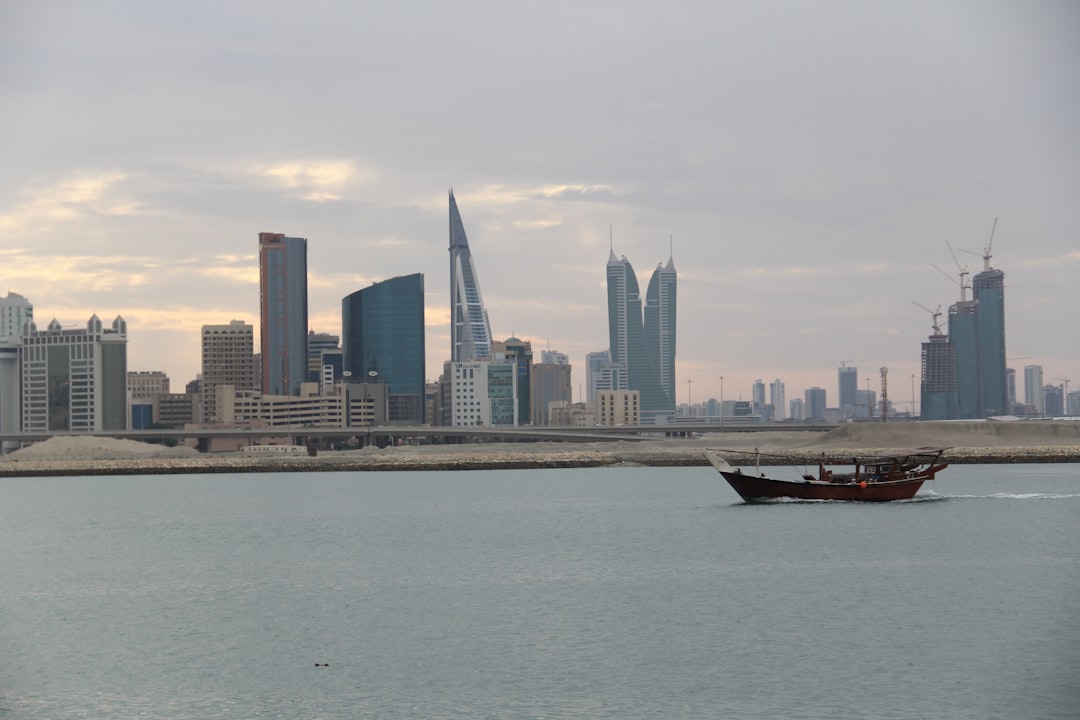
How can GCC employers successfully navigate the complex recruitment for the Bahrain Causeway extension? This landmark marine infrastructure project demands specialized talent. Furthermore, securing bridge construction specialists with proven underwater expertise presents a significant challenge. The Bahrain Causeway bridge construction initiative requires a strategic approach to workforce deployment. Consequently, understanding the nuances of marine and underwater recruitment is essential for project success.
Major infrastructure projects across the Gulf region are accelerating. Moreover, marine construction requires unique technical and safety competencies. Additionally, the GCC’s vision for enhanced connectivity drives demand for specialized engineers and technicians. Therefore, employers must adopt targeted strategies for this niche sector. This ensures compliance with stringent regional and international standards.
At Allianze HR Consultancy, we’ve successfully placed 10,000+ professionals across UAE, Saudi Arabia, Qatar, and Kuwait. Furthermore, our 5+ years of GCC expertise supports clients from 50+ countries. Moreover, our Ministry of External Affairs (India) RA license ensures compliance. Therefore, contact our recruitment specialists for expert guidance on your marine infrastructure talent needs.
Understanding GCC Marine Infrastructure Demands
The Gulf region is investing heavily in transformative marine projects. Consequently, the demand for skilled professionals in this sector is unprecedented. These projects often involve complex engineering challenges. Additionally, they require adherence to strict environmental and safety protocols.
Specifically, projects like the Bahrain Causeway extension involve deep-water piling, submerged concrete work, and underwater welding. Moreover, engineers must understand tidal patterns and seabed geology. Therefore, recruitment must focus on candidates with verifiable project experience. This ensures they can handle the technical complexities from day one.
Key roles in high demand include marine civil engineers, diving supervisors, underwater welders, and hydrographic surveyors. Furthermore, project managers with a background in offshore construction are critical. Employers must also consider support roles like marine equipment operators and safety divers. A comprehensive team approach guarantees project efficiency and safety compliance.
- Marine Civil Engineers with offshore structure design experience.
- Certified Commercial Divers and Underwater Welding Technicians.
- Hydrographic Surveyors proficient in seabed mapping technology.
- Project Managers experienced in multi-phase marine infrastructure.
- Marine Equipment Specialists for crane and piling vessel operations.
Partnering with a recruitment firm that understands these specific demands is vital. For more insights, explore our professional recruitment resources.
Bahrain Causeway Bridge Construction Strategic Overview
A successful Bahrain Causeway bridge construction recruitment strategy begins with precise planning. First, define the exact technical skills and certifications required for each phase. Next, identify the sourcing regions with the deepest talent pools for marine construction. Finally, establish a rigorous vetting process that includes practical assessments.
Furthermore, the strategic overview must account for project timelines and mobilization schedules. Often, marine projects operate on tight deadlines dictated by weather windows. Therefore, your recruitment pipeline must be agile and responsive. Delays in securing key personnel can lead to significant cost overruns and project setbacks.
Additionally, consider the integration of new hires with existing teams and subcontractors. Effective communication and cultural alignment are as crucial as technical skill. Moreover, a clear onboarding process that includes site-specific safety inductions is non-negotiable. This holistic approach ensures a cohesive and productive workforce from the start.
- Phase-specific skill mapping for dredging, piling, and deck installation.
- Identification of global talent hubs for marine engineering expertise.
- Implementation of competency-based interviews and technical tests.
- Development of accelerated onboarding for rapid site integration.
- Continuous workforce planning to anticipate future skill requirements.
Understanding global standards is also key. Refer to the International Labour Organization construction safety guidelines for best practices.
Legal Framework and Compliance Standards
Navigating the legal landscape for marine construction recruitment in the GCC is complex. Each country has distinct labor laws, visa regulations, and maritime authorities. Therefore, employers must ensure full compliance to avoid penalties and project stoppages. This involves meticulous documentation and adherence to both local and international standards.
Specifically, roles involving underwater work require additional certifications and medical clearances. For example, commercial divers must hold valid certifications from recognized bodies like IMCA or ADCI. Moreover, all personnel must undergo specific safety training for offshore environments. Compliance is not just bureaucratic; it is a fundamental safety requirement.
Furthermore, contractual agreements must clearly define terms related to hazardous work, insurance coverage, and emergency protocols. Additionally, employers are responsible for providing suitable accommodation and medical facilities for marine crews. Partnering with a knowledgeable HR consultancy mitigates these compliance risks. They ensure every step from offer letter to site deployment meets regulatory scrutiny.
- Adherence to Bahraini and Saudi labor laws for cross-border projects.
- Verification of international diving and welding certifications.
- Securing of marine project visas and work permits for offshore teams.
- Implementation of OSHA construction industry standards for safety.
- Comprehensive insurance covering marine hazards and medical evacuation.
Bahrain Causeway Bridge Construction Best Practices
Implementing best practices for Bahrain Causeway bridge construction recruitment ensures quality and longevity. First, prioritize candidates with direct experience in tidal or offshore bridge projects. This specific experience is invaluable for problem-solving in dynamic marine environments. Moreover, it reduces the learning curve and associated risks.
Secondly, establish a multi-stage verification process. This should include technical interviews, certification checks, and reference validation from previous marine employers. Additionally, consider practical skill assessments, such as simulated underwater welding tests or engineering design reviews. Consequently, you build a team of proven specialists.
Another critical practice is fostering a strong safety culture from recruitment. Emphasize safety records and attitudes during candidate evaluation. Furthermore, integrate World Health Organization workplace standards into your training programs. Finally, plan for knowledge transfer and succession to maintain expertise throughout the project lifecycle.
- Targeted sourcing from regions with strong maritime heritage and training.
- Rigorous verification of project-specific experience and technical claims.
- Incorporation of safety competency evaluations into the hiring process.
- Development of continuous professional development programs for staff.
- Creation of a talent pipeline for future marine infrastructure projects.
Documentation and Processing Steps
The documentation process for marine construction staff is extensive and detail-oriented. Initially, employers must collect and attest educational and professional certificates. This often requires verification from embassies and foreign ministries. Subsequently, role-specific documents like diving medicals and safety training records must be gathered.

Next, the visa application process for GCC countries begins. This involves submitting documents to the relevant Ministry of Labor and immigration authorities. Moreover, for marine projects, additional clearances from port and maritime agencies are frequently necessary. Each step must be meticulously tracked to prevent delays in mobilization.
Furthermore, employment contracts must be tailored to the marine sector. They should clearly outline terms for offshore work, hazard pay, leave rotations, and termination conditions. Additionally, ensuring all documentation complies with both the UAE construction sector employment frameworks and Bahraini law is crucial. Professional HR partners manage this complex workflow efficiently.
- Collection and attestation of degrees, training certificates, and experience letters.
- Medical examinations including specific fitness tests for diving roles.
- Submission of labor contract approval and work visa applications.
- Acquisition of maritime security passes and offshore safety inductions.
- Final deployment coordination including travel and site access logistics.
Bahrain Causeway Bridge Construction Implementation Timeline
A realistic timeline for Bahrain Causeway bridge construction staffing is critical for project planning. Typically, the end-to-end recruitment and deployment process spans 8 to 14 weeks. This timeframe accounts for sourcing, vetting, documentation, and visa processing. However, for highly specialized underwater roles, it may extend further.
The first phase involves detailed job profiling and market sourcing, taking approximately 2-3 weeks. Subsequently, the screening and interview process for technical roles requires another 2-3 weeks. Following candidate selection, the documentation and visa stage is the most variable. It can take 4-6 weeks depending on government processing speeds and attestation requirements.
Therefore, project managers must integrate this recruitment timeline into the overall project schedule. Proactive planning prevents costly delays. Moreover, working with a recruitment agency that has established processes can compress this timeline. They leverage existing talent networks and streamlined compliance channels. To initiate your project staffing, schedule consultation appointment with our team.
- Weeks 1-3: Job specification finalization and active candidate sourcing.
- Weeks 4-6: Technical assessments, interviews, and final selection.
- Weeks 7-12: Document collection, attestation, and visa processing.
- Week 13: Pre-departure briefings and travel arrangements.
- Week 14: Site arrival, final safety induction, and project deployment.
Common Challenges and Solutions
Recruiting for marine infrastructure projects presents several distinct challenges. Firstly, the global pool of certified underwater construction specialists is limited. This creates intense competition for top talent. Secondly, verifying niche technical experience and international certifications is difficult. Fraudulent claims can pose serious safety and project risks.
Thirdly, the logistical complexity of mobilizing teams to remote marine sites is significant. This includes coordinating travel, accommodation, and equipment. Furthermore, retaining skilled staff for the project’s duration is an ongoing challenge. The demanding nature of offshore work can lead to attrition if welfare is not prioritized.
Solutions involve partnering with specialized recruiters who have global marine networks. They can access passive candidates not on the open market. Additionally, implementing robust background checks and practical skill tests mitigates verification risks. Moreover, offering competitive packages, clear career paths, and excellent camp facilities improves retention. Understanding broader World Bank infrastructure development trends also helps in long-term planning.
- Challenge: Scarcity of specialized talent. Solution: Global headhunting and talent mapping.
- Challenge: Certification verification. Solution: Direct validation with issuing authorities.
- Challenge: High attrition rates. Solution: Focus on worker welfare and career development.
- Challenge: Logistical bottlenecks. Solution: Dedicated logistics and mobilization teams.
- Challenge: Cross-cultural team integration. Solution: Pre-deployment cultural orientation programs.
Expert Recommendations for Success
To ensure success in marine infrastructure recruitment, adopt a proactive and partnership-based approach. Begin engagement with your recruitment partner during the project’s feasibility stage. Their early input on talent availability can influence project design and timelines. Moreover, this collaboration ensures a seamless alignment between project needs and workforce strategy.
Invest in building a strong employer brand within the marine construction community. Showcase your project’s significance, safety record, and commitment to employee wellbeing. Consequently, you attract higher-caliber candidates who are motivated by challenging and reputable work. Additionally, this reduces reliance on expensive headhunting over time.
Finally, prioritize compliance and ethics throughout the recruitment journey. This protects your company’s reputation and ensures sustainable operations. Furthermore, it aligns with international best practices and GCC regulatory expectations. A commitment to ethical recruitment, as outlined by global bodies, builds trust with both employees and authorities.
- Engage recruitment specialists at the project conception phase.
- Develop a compelling employer value proposition for the marine sector.
- Implement technology for tracking candidates and compliance documents.
- Foster long-term relationships with key technical institutes and training centers.
- Conduct regular audits of recruitment processes and worker satisfaction.
Frequently Asked Questions About Bahrain Causeway Bridge Construction
What is the timeline for Bahrain Causeway bridge construction recruitment?
The complete timeline typically spans 8 to 14 weeks. This includes sourcing, vetting, documentation, and visa processing for specialized roles. Furthermore, factors like certification verification can affect duration. Therefore, consult our specialists for a precise project-specific estimate.
What documentation is required for marine infrastructure recruitment?
Essential documents include attested educational certificates, professional experience letters, valid passports, and role-specific certifications. Additionally, commercial divers need medical fitness certificates and diving logs. Moreover, safety training records and previous project references are mandatory for verification.
How do you verify underwater construction expertise?
Verification involves multiple steps. We conduct technical interviews with scenario-based questions. Furthermore, we validate certifications directly with issuing bodies like IMCA. Additionally, we check detailed project references and, where possible, administer practical skill assessments to confirm hands-on ability.
What are the key safety standards for such projects?
Projects must comply with GCC national regulations, international maritime codes, and standards from bodies like OSHA. Moreover, specific protocols for diving operations, offshore lifting, and emergency response are critical. Implementing a robust Safety Management System (SMS) tailored to marine construction is non-negotiable.
Can Allianze HR source candidates globally for niche roles?
Yes. Our global network spans key talent hubs in South Asia, Europe, and Southeast Asia. Furthermore, we have expertise in sourcing candidates with experience in major marine projects worldwide. This allows us to identify and mobilize the precise specialists required for complex infrastructure like the Causeway extension.
What support is provided after candidate placement?
Our support includes onboarding coordination, follow-up on accommodation and site integration, and periodic check-ins. Moreover, we assist with any post-arrival documentation or compliance issues. This ensures a smooth transition for both the employee and the employer, fostering long-term retention.
Partner with Allianze HR for Marine Recruitment Success
Successfully staffing the Bahrain Causeway bridge construction project requires a blend of niche expertise and procedural excellence. Throughout this guide, we’ve outlined the strategic, compliance, and practical steps necessary. From understanding GCC-specific demands to navigating complex visa processes, each phase is critical. Moreover, the challenges of underwater construction recruitment demand a specialized partner.
Allianze HR Consultancy brings proven expertise in GCC marine infrastructure recruitment. Our systematic approach ensures you secure technically proficient, compliant, and reliable professionals. Furthermore, our end-to-end management reduces administrative burden and mitigates risk. Consequently, you can focus on core project delivery with confidence in your