


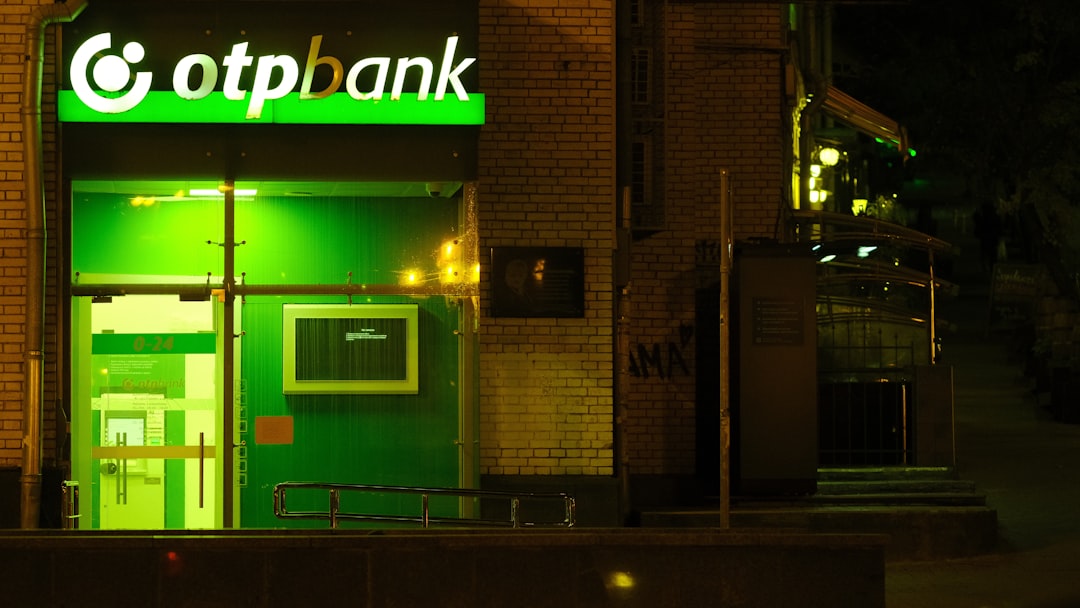
How can financial institutions in the GCC ensure their physical branches operate with unwavering reliability and security? The answer lies in specialized bank branch FM maintenance. This critical discipline blends technical upkeep with stringent security protocols. Furthermore, it protects assets and ensures seamless customer service. Consequently, a strategic approach to banking property facility management is non-negotiable for modern institutions.
Financial facilities face unique operational demands. These include extended hours, high public traffic, and sensitive transactions. Moreover, regional climate conditions in the Gulf accelerate wear on building systems. Therefore, proactive maintenance prevents costly downtime and reputational damage. Additionally, compliance with local and international security standards is paramount. This guide explores the essential framework for success.
At Allianze HR Consultancy, we’ve successfully placed 10,000+ professionals across UAE, Saudi Arabia, Qatar, and Kuwait. Furthermore, our 5+ years of GCC expertise supports clients from 50+ countries. Moreover, our Ministry of External Affairs (India) RA license ensures compliance. Therefore, contact our recruitment specialists for expert guidance on staffing your facility management teams.
Understanding GCC Financial Facility Requirements
Banking properties in the Gulf region operate under distinct pressures. First, architectural prestige often involves complex systems. These include advanced HVAC for extreme heat and sophisticated IT infrastructure. Second, security requirements exceed standard commercial standards. They integrate physical barriers, electronic surveillance, and access control protocols. Third, business continuity is critical. Even minor disruptions can impact customer trust and regulatory standing.
Furthermore, GCC labor markets require specific skill sets for technical roles. Employers must navigate sponsorship laws and certification requirements. Additionally, cultural and language considerations affect service delivery. For example, maintenance staff must coordinate with security personnel effectively. Moreover, understanding UAE green building regulations is increasingly important. Sustainable operations are now a competitive advantage.
- 24/7 operational readiness for critical banking systems.
- Integration of physical security with building management systems.
- Compliance with Central Bank and civil defense regulations.
- Specialized HVAC maintenance for server rooms and vaults.
- Rapid response protocols for emergency repairs.
- Vendor management for specialized services like ATM maintenance.
Bank Branch FM Maintenance Strategic Overview
A strategic approach to bank branch FM maintenance transforms it from a cost center to a value driver. This perspective aligns facility operations with core business objectives. Therefore, the first step involves comprehensive asset auditing. Next, risk assessments identify critical failure points. Subsequently, a prioritized maintenance plan allocates resources effectively. Moreover, this plan must incorporate evolving security threats and technology upgrades.
Effective bank branch facility management requires cross-functional coordination. Maintenance teams must work with IT, security, and operations departments. Furthermore, data from building management systems informs predictive maintenance schedules. This prevents failures before they impact banking services. Additionally, strategic sourcing of skilled manpower ensures technical competency. Partnering with a specialist like Allianze HR provides access to vetted, qualified technicians familiar with GCC standards.
- Develop a lifecycle management plan for all critical assets.
- Implement Computerized Maintenance Management System (CMMS) software.
- Establish key performance indicators for facility uptime and response.
- Integrate security system checks into routine maintenance workflows.
- Create a disaster recovery and business continuity plan for facilities.
- Budget for cyclical upgrades of security and building systems.
Legal Framework and Compliance Standards
GCC financial institutions navigate a multi-layered regulatory environment. First, national Central Banks issue stringent guidelines for physical security. These often mandate specific access controls, surveillance coverage, and vault standards. Second, municipal authorities enforce building codes, fire safety, and occupancy rules. Third, labor ministries regulate technician qualifications, work hours, and safety training. Non-compliance results in heavy fines and operational restrictions.
Furthermore, international standards provide best practice frameworks. Adherence to guidelines from the International Facility Management Association enhances operational credibility. Additionally, International Labour Organization workplace safety standards protect staff. Moreover, environmental regulations are tightening. Consequently, facilities must manage waste, energy, and water according to new laws. Proactive compliance is a strategic imperative, not just a legal duty.
- Central Bank security circulars and inspection requirements.
- Civil Defense approvals for fire alarm and suppression systems.
- Emirates Authority for Standardization and Metrology (ESMA) certifications for equipment.
- Adherence to World Health Organization indoor air quality guidelines.
- Local municipality rules for signage, exteriors, and public access.
- Data protection laws impacting security camera footage and access logs.
Bank Branch FM Maintenance Best Practices
Implementing proven best practices elevates bank branch FM maintenance from reactive to world-class. First, adopt a preventive maintenance philosophy. Scheduled servicing of HVAC, electrical, and security systems prevents major failures. Second, integrate technology. IoT sensors can monitor equipment health in real-time. Third, prioritize security system maintenance. Cameras, alarms, and access readers must be tested daily. Furthermore, documentation is crucial. Meticulous logs support compliance audits and warranty claims.
Moreover, staff training and clear communication protocols are vital. Technicians must understand the sensitivity of banking environments. For example, working in a server room or near a vault requires special escort and logging. Additionally, service level agreements with vendors must specify response times for critical systems. Therefore, a holistic approach ensures reliability. Explore our professional recruitment resources for templates and checklists to support these practices.
- Conduct daily visual checks of all public areas and critical systems.
- Perform quarterly comprehensive audits of all security and life-safety systems.
- Maintain a centralized digital log for all work orders and inspections.
- Establish a spare parts inventory for critical high-failure-rate items.
- Implement a color-coded system for labeling electrical and plumbing lines.
- Schedule after-hours work for disruptive maintenance to avoid customer impact.
Documentation and Processing Steps
Robust documentation forms the backbone of compliant facility management. First, create a master asset register. This lists all equipment with details like model, serial number, and warranty. Second, develop standard operating procedures for every maintenance task. These SOPs ensure consistency and safety. Third, maintain compliance certificates. These include elevator inspections, fire system tests, and electrical safety reports. Furthermore, access control logs and security footage must be archived according to policy.
Additionally, the processing of maintenance work follows a defined cycle. It begins with a request or scheduled trigger. Next, a work order is generated and assigned to a qualified technician. Subsequently, the technician executes the task, documenting parts used and time spent. Finally, a supervisor verifies the work and closes the loop. This systematic approach, supported by a CMMS, ensures accountability and traceability. It also provides data for analyzing trends and optimizing resource allocation.
- Asset lifecycle documentation from installation to decommissioning.
- Vendor contracts, insurance certificates, and service reports.
- As-built drawings for electrical, plumbing, and data networks.
- Training records for all in-house and contracted technical staff.
- Incident reports for any facility-related disruption or security event.
- Sustainability reports tracking energy, water, and waste metrics.
Bank Branch FM Maintenance Implementation Timeline
Deploying a comprehensive bank branch FM maintenance program requires phased execution. The first phase, Assessment and Planning, typically takes 4-6 weeks. This involves facility audits and strategy development. The second phase, System Setup, spans 2-3 months. Activities include implementing CMMS software and finalizing vendor contracts. The third phase, Staffing and Training, is concurrent. Sourcing and onboarding skilled technicians is critical. Partnering with Allianze HR streamlines this complex recruitment process.

Furthermore, the fourth phase involves Process Rollout and takes 1-2 months. Here, new procedures are communicated and tested. The final phase is Continuous Optimization, an ongoing effort. Regular reviews refine the program based on performance data. Moreover, budgeting for this timeline is essential. Initial setup costs are offset by long-term savings from reduced emergencies. Therefore, a structured timeline manages stakeholder expectations and ensures thorough implementation.
- Weeks 1-6: Comprehensive facility condition assessment and gap analysis.
- Months 2-4: Procurement of CMMS, tools, and initial spare parts inventory.
- Month 3-5: Recruitment and onboarding of facility management team lead and technicians.
- Month 5-6: Training of all staff on new procedures and systems.
- Month 7: Go-live and parallel running of old and new processes.
- Month 8+: Monthly review meetings and quarterly strategic audits.
Common Challenges and Solutions
Financial institutions face several hurdles in facility management. First, finding technically skilled staff who also understand security protocols is difficult. The solution is partnering with specialized recruiters with GCC experience. Second, balancing operational uptime with necessary maintenance creates scheduling conflicts. The solution involves meticulous after-hours planning and clear communication with branch managers. Third, managing multiple vendors for specialized services leads to coordination issues. A primary vendor management strategy consolidates responsibility.
Moreover, rapid technological evolution presents a constant challenge. Security and building systems become obsolete quickly. Therefore, a dedicated technology refresh budget is mandatory. Additionally, regulatory changes can demand sudden upgrades. Proactive engagement with authorities and industry groups provides early warnings. Finally, cost control pressures can threaten service quality. Implementing predictive maintenance, as supported by World Bank urban development insights on efficient infrastructure, reduces long-term expenses.
- Challenge: High turnover of skilled maintenance staff. Solution: Competitive packages and clear career progression paths.
- Challenge: Siloed information between security and maintenance teams. Solution: Integrated dashboards and cross-departmental briefings.
- Challenge: Unforeseen major asset failures. Solution: Robust preventive maintenance and condition-based monitoring.
- Challenge: Meeting evolving sustainability targets. Solution: Retrofitting with energy-efficient lighting and HVAC controls.
- Challenge: Budget constraints for comprehensive programs. Solution: Phased implementation focusing on highest-risk assets first.
Expert Recommendations for Success
To achieve excellence in banking facility management, follow these expert recommendations. First, secure executive sponsorship. Leadership must view FM as a strategic function. Second, invest in the right technology from the start. A capable CMMS is the central nervous system of effective operations. Third, prioritize talent. Technicians are your first line of defense. Ensure they are highly trained, properly certified, and thoroughly vetted. Furthermore, foster a culture of continuous improvement. Regularly benchmark performance against industry standards.
Additionally, build strong relationships with regulators and utility providers. This facilitates smoother inspections and faster service restoration. Moreover, develop a comprehensive communication plan for outages or disruptions. Transparency maintains customer trust. Finally, consider the future. Plan for branch digitization trends and how they impact physical space needs. A flexible facility strategy adapts to changing business models. For tailored staffing strategies, schedule a consultation appointment with our experts.
- Appoint a dedicated Facility Manager with authority over budget and operations.
- Conduct annual third-party audits to identify blind spots in your program.
- Create a digital twin of your facility for planning and simulation.
- Implement a continuous training program on new technologies and safety protocols.
- Develop strong partnerships with local emergency services and civil defense.
- Benchmark your facility’s performance against regional and global best practices.
Frequently Asked Questions About Bank Branch FM Maintenance
What is the timeline for bank branch FM maintenance program implementation?
A full implementation typically spans 6-8 months. The timeline includes assessment, system setup, staffing, and rollout phases. Furthermore, complexity and branch size affect duration. Therefore, consult our specialists for a customized project plan.
What are the critical security systems in financial facility management?
Critical systems include surveillance cameras, intrusion detection alarms, access control systems, vault security, and fire suppression. Additionally, their integration and 24/7 monitoring are mandatory. Moreover, regular testing and maintenance prevent security gaps.
How do GCC regulations impact facility management staffing?
Regulations mandate specific certifications for electrical, HVAC, and fire safety work. Furthermore, labor nationalization policies may require hiring local talent for supervisory roles. Additionally, visa sponsorship rules govern the recruitment of expatriate technicians.
Can predictive maintenance reduce operational costs for banks?
Yes, significantly. Predictive maintenance uses data from sensors to forecast failures before they happen. This prevents costly emergency repairs and business disruption. Consequently, it extends asset life and optimizes spare parts inventory, delivering strong ROI.
What role does technology play in modern bank branch maintenance?
Technology is central. Computerized Maintenance Management Systems automate scheduling and record-keeping. IoT sensors enable condition-based monitoring. Furthermore, mobile apps allow technicians to receive work orders and update status in real-time, boosting efficiency and accountability.
Why partner with a specialist recruiter for FM staffing?
Specialist recruiters understand the unique technical and security skill sets required. They also navigate GCC labor compliance, ensuring visa and certification validity. This reduces hiring risk and accelerates the deployment of a competent, reliable facility management team.
Partner with Allianze HR for Facility Management Success
Effective bank branch FM maintenance is a complex, continuous endeavor. It demands strategic planning, rigorous compliance, and skilled execution. This guide has outlined the essential components, from understanding GCC-specific requirements to implementing best practices. Furthermore, the integration of security with physical asset care is the defining characteristic of financial facility management. Therefore, a proactive, technology-enabled approach is the only path to operational excellence and risk mitigation.
Your most critical success factor is your team. Securing technicians and managers with the right blend of technical skill and security awareness is challenging. Consequently, expert recruitment support becomes a strategic advantage. Allianze HR Consultancy provides precisely that. With our deep GCC market knowledge and compliant recruitment framework, we help you build a facility management team that protects your assets and ensures uninterrupted service. Let us help you implement a robust bank branch FM maintenance program. Contact us today to secure the talent that safeguards your operations.