



How can your organization transform training from a cost center into a strategic asset? In the dynamic GCC business landscape, a robust learning and development framework is essential. Moreover, a well-designed building learning strategy directly fuels growth and innovation. This comprehensive guide provides actionable steps for GCC employers.
The Gulf region’s rapid economic diversification demands agile workforce capabilities. Consequently, skills development is a top priority for both public and private sectors. Additionally, national visions like Saudi Vision 2030 emphasize human capital investment. Therefore, aligning your training initiatives with clear business objectives delivers measurable ROI.
At Allianze HR Consultancy, we’ve successfully placed 10,000+ professionals across UAE, Saudi Arabia, Qatar, and Kuwait. Furthermore, our 5+ years of GCC expertise supports clients from 50+ countries. Moreover, our Ministry of External Affairs (India) RA license ensures compliance. Therefore, contact our recruitment specialists for expert guidance on talent development.
Understanding GCC Talent Development Requirements
GCC labor markets present unique learning and development challenges. First, multinational workforces require culturally sensitive training approaches. Second, rapid technological adoption necessitates continuous upskilling. Third, high expatriate turnover rates demand efficient onboarding systems.
Furthermore, regional economic agendas prioritize national talent development. For example, Emiratization, Saudization, and Qatarization programs create specific requirements. Consequently, your training programs must support these localization goals. Additionally, they should enhance overall organizational capability.
Industry-specific demands also shape learning needs. The construction sector requires heavy equipment certification. Conversely, hospitality demands exceptional service culture training. Healthcare needs rigorous clinical competency programs. Therefore, thorough needs analysis forms the foundation.
- Analyze workforce demographics and skill gaps systematically.
- Benchmark against industry standards and competitor practices.
- Identify technical, behavioral, and compliance training priorities.
- Align with nationalization program requirements and timelines.
- Consider multilingual delivery for diverse employee groups.
- Integrate with existing performance management systems.
Finally, secure leadership commitment from the outset. Executive sponsorship ensures adequate resource allocation. Moreover, it signals organizational importance to all employees. Subsequently, this drives higher participation and engagement rates.
Building Learning Strategy Strategic Overview
Creating an effective building learning strategy requires a structured approach. First, clearly define your strategic business objectives. Are you expanding operations, improving quality, or enhancing innovation? Next, translate these goals into specific learning outcomes. This alignment ensures every training dollar supports business priorities.
Furthermore, conduct a comprehensive skills gap analysis. Assess current capabilities against future requirements. Additionally, consider both individual and organizational competency gaps. This analysis identifies precise development needs across departments and levels.
Moreover, establish clear governance and ownership structures. Assign a dedicated L&D leader or committee. Define decision-making authority and budget approval processes. Also, create measurement frameworks for tracking progress and impact.
- Define vision, mission, and guiding principles for L&D.
- Establish multi-year roadmap with phased implementation.
- Create blended learning approaches combining various methods.
- Develop internal capability through train-the-trainer programs.
- Build partnerships with accredited training providers.
- Implement technology infrastructure for learning delivery.
Therefore, a strategic overview provides the essential blueprint. It connects daily training activities to long-term business success. Consequently, this strategic alignment maximizes your human capital investment.
Legal Framework and Compliance Standards
GCC learning strategies must operate within complex regulatory environments. Each country maintains specific training and qualification requirements. For instance, the UAE requires certain safety certifications across industries. Similarly, Saudi Arabia mandates continuous professional development in regulated sectors.
Furthermore, international standards often apply alongside local laws. Many organizations follow ISO quality management standards. Additionally, industry-specific certifications may be necessary. Compliance ensures operational legality and enhances market reputation.
Moreover, worker welfare regulations impact training content. The International Labour Organization guidelines influence regional policies. Occupational health and safety training is frequently mandatory. Also, anti-harassment and ethical conduct programs are increasingly required.
- Review Ministry of Human Resources training regulations annually.
- Ensure certification programs meet local accreditation standards.
- Document all training completion for audit readiness.
- Align safety training with civil defense requirements.
- Include data protection and cybersecurity awareness modules.
- Verify trainer qualifications and program accreditation status.
Consequently, proactive compliance management prevents legal issues. It also demonstrates corporate responsibility to stakeholders. Therefore, integrate regulatory checks into your strategy development process.
Building Learning Strategy Best Practices
Implementing proven best practices enhances your building learning strategy effectiveness. First, adopt a learner-centric design philosophy. Understand your employees’ preferences, schedules, and learning styles. Then, tailor delivery methods accordingly for maximum engagement.
Furthermore, leverage technology strategically. Learning Management Systems (LMS) enable scalable delivery. Additionally, microlearning platforms support just-in-time knowledge access. Mobile learning accommodates deskless workers in construction or facilities management.
Moreover, create strong links between learning and performance. Integrate training with career progression pathways. Also, recognize and reward skill development achievements. This connection motivates continuous employee participation and improvement.
- Implement 70-20-10 model: experiential, social, and formal learning.
- Develop internal subject matter experts as instructors.
- Create personalized learning paths for different roles.
- Utilize gamification elements to increase engagement.
- Establish communities of practice for knowledge sharing.
- Conduct regular feedback surveys to improve programs.
Therefore, best practices transform generic training into impactful development. They ensure knowledge transfer leads to behavioral change. Consequently, this drives tangible business performance improvements.
Documentation and Processing Steps
Systematic documentation ensures learning strategy consistency and quality. First, develop comprehensive training needs analysis reports. These documents should detail identified gaps and proposed solutions. Additionally, they require stakeholder sign-off before implementation.
Furthermore, create detailed program design documents for each initiative. Specify learning objectives, content outlines, delivery methods, and assessment criteria. Also, include facilitator guides and participant materials. Standardized templates improve efficiency and quality control.
Moreover, maintain meticulous training records for all employees. Track participation, completion, assessment scores, and feedback. Additionally, document certification expiry dates for compliance training. This data supports both reporting and strategic decision-making.
- Develop training calendars and schedules for clear communication.
- Create budget tracking documents with actual versus planned spend.
- Maintain vendor contracts and service level agreements.
- Document evaluation reports measuring business impact.
- Keep individual learning records within employee files.
- Archive materials for program iteration and improvement.
Consequently, proper documentation creates organizational memory. It enables continuous improvement through historical analysis. Therefore, invest in robust systems and processes from the beginning.
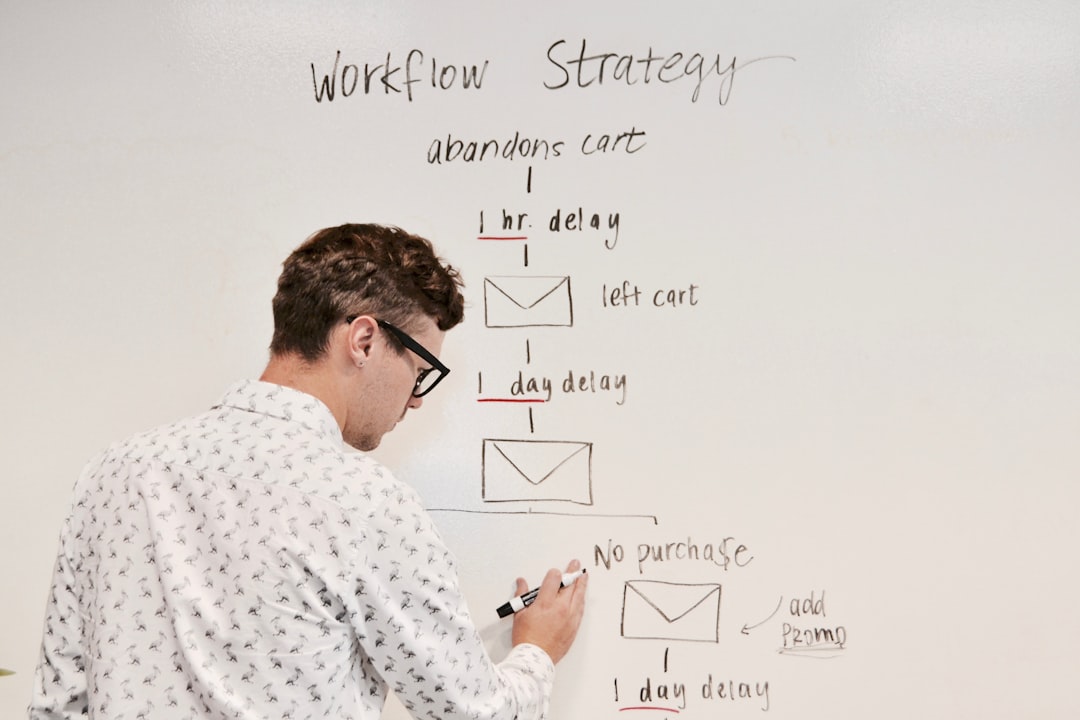
Building Learning Strategy Implementation Timeline
A realistic timeline is crucial for successful building learning strategy execution. The first phase typically involves foundational work over 1-2 months. This includes stakeholder alignment, needs analysis, and framework design. Additionally, budget approval and resource allocation occur during this period.
Furthermore, the development phase generally spans 2-4 months. Program design, content creation, and facilitator preparation happen here. Moreover, technology platform selection and configuration occur simultaneously. Pilot testing with small groups validates approaches before full rollout.
Next, the implementation phase rolls out programs across the organization. This can take 3-6 months depending on program complexity and workforce size. Additionally, change management communications support adoption. Meanwhile, monitoring systems track participation and early feedback.
- Month 1-2: Analysis, design, and planning activities.
- Month 3-4: Content development and pilot testing.
- Month 5-8: Phased rollout across departments and locations.
- Month 9-10: Evaluation, feedback collection, and adjustment.
- Month 11-12: Annual review and planning for next cycle.
- Ongoing: Continuous delivery, support, and minor enhancements.
Therefore, a structured timeline manages expectations and resources. It breaks the monumental task into manageable phases. Consequently, this approach maintains momentum and demonstrates incremental progress.
Common Challenges and Solutions
GCC organizations face predictable learning strategy implementation challenges. First, low learner engagement often undermines program effectiveness. Employees may view training as disruptive or irrelevant. However, solutions exist to increase participation and value perception.
Furthermore, budget constraints frequently limit program scope and quality. Training competes with other operational priorities for funding. Nevertheless, creative approaches can maximize limited resources. For example, leveraging internal experts reduces external facilitator costs.
Moreover, measuring ROI presents significant difficulty. Isolating training impact from other business factors proves complex. Despite this, robust evaluation frameworks can demonstrate value. Specifically, link learning metrics to key performance indicators.
- Challenge: Limited management support. Solution: Present business case with clear benefits.
- Challenge: Technological barriers. Solution: Start simple, then scale sophistication.
- Challenge: Cultural resistance. Solution: Involve local champions in design.
- Challenge: High turnover. Solution: Focus on portable skills with individual value.
- Challenge: Language diversity. Solution: Offer multilingual materials and translation.
- Challenge: Remote workforce. Solution: Utilize mobile-friendly, asynchronous learning.
Consequently, anticipating challenges enables proactive mitigation. Each obstacle has proven solutions from regional experience. Therefore, learn from others’ experiences through networks and professional recruitment resources.
Expert Recommendations for Success
Seasoned GCC learning professionals offer valuable implementation advice. First, start with clear, achievable pilots rather than enterprise-wide transformation. Demonstrate quick wins to build credibility and support. Additionally, choose visible, high-impact areas for initial focus.
Furthermore, integrate learning with other HR processes seamlessly. Connect development to recruitment, performance management, and succession planning. Moreover, align with compensation and recognition systems. This integration embeds learning into organizational culture naturally.
Also, leverage regional resources and partnerships effectively. Utilize U.S. Department of Commerce trade resources for international standards. Additionally, consult UAE government employment regulations for compliance guidance. Local chambers of commerce often offer relevant training programs.
- Secure executive champion who advocates for L&D investment.
- Develop internal marketing campaign to promote learning culture.
- Create cross-functional steering committee for diverse input.
- Benchmark against industry leaders through professional associations.
- Invest in L&D team capability development continuously.
- Celebrate and communicate success stories regularly.
Therefore, expert recommendations accelerate your journey. They help avoid common pitfalls while maximizing impact. Consequently, your building learning strategy delivers sustainable competitive advantage.
Frequently Asked Questions About Building Learning Strategy
What is the timeline for building learning strategy implementation?
Timeline typically ranges 4-8 weeks for initial design. Furthermore, full implementation spans 6-12 months depending on organization size. Therefore, consult our specialists for accurate planning.
What documentation is required for talent development processes?
Required documents include needs analysis reports, program designs, and completion records. Additionally, budget approvals and evaluation reports are essential. Moreover, compliance certificates require secure storage.
What are typical costs for comprehensive L&D programs?
Costs vary by program scale, delivery method, and technology investment. Furthermore, content development and facilitator fees affect budgets. Therefore, request detailed quotations from development partners.
How does Allianze HR ensure training compliance?
We maintain Ministry-approved RA license status. Additionally, our team monitors GCC labor law changes continuously. Moreover, we conduct thorough program alignment verification at every stage.
Which GCC industries need specialized learning approaches?
Construction, healthcare, oil and gas, and hospitality require tailored programs. Furthermore, each sector has unique certification and safety requirements. Additionally, nationalization programs create specific development needs.
How do we measure learning strategy ROI effectively?
Track leading indicators like participation and completion rates first. Subsequently, measure lagging indicators including performance improvement and productivity gains. Finally, correlate with business metrics like retention and profitability.
Partner with Allianze HR for Talent Development Success
Implementing an effective building learning strategy requires specialized expertise. The GCC’s unique regulatory and cultural landscape adds complexity. Moreover, aligning development with business objectives demands strategic perspective. Therefore, professional partnership accelerates your success while mitigating risks.
Allianze HR Consultancy provides comprehensive learning strategy support. We analyze your organizational needs and business goals. Furthermore, we design customized frameworks aligned with GCC requirements. Additionally, we help implement sustainable processes for long-term impact.
Our expertise spans the entire talent development lifecycle. From needs analysis to program evaluation, we provide guidance. Moreover, our regional experience ensures culturally appropriate solutions. We also connect you with accredited training providers and resources.
Ready to transform your training into strategic advantage? Schedule consultation appointment with our L&D specialists today. Let us help you build a future-ready workforce through strategic development. Together, we can achieve your human capital and business objectives.