



How can GCC hospitality and retail businesses secure skilled butchers and meat preparation specialists to meet rising consumer demand? The region’s booming food service sector requires precision, compliance, and culinary expertise. Consequently, specialized butchery team recruitment presents unique challenges. Effective butchers meat preparation specialist staffing is essential for operational excellence, food safety, and customer satisfaction. This guide provides a strategic roadmap for successful kitchen butchery team recruitment in the Gulf.
The GCC’s diverse culinary landscape demands highly skilled professionals. From high-end hotel restaurants to large-scale meat processing plants, the need for qualified personnel is critical. Furthermore, regional regulations on food handling and labor add complexity to the hiring process. Therefore, understanding the nuances of talent acquisition in this niche is vital for employers aiming to build reliable, efficient teams.
At Allianze HR Consultancy, we’ve successfully placed 10,000+ professionals across UAE, Saudi Arabia, Qatar, and Kuwait. Furthermore, our 5+ years of GCC expertise supports clients from 50+ countries. Moreover, our Ministry of External Affairs (India) RA license ensures compliance. Therefore, contact our recruitment specialists for expert guidance on building your culinary workforce.
Understanding GCC Kitchen Butchery Team Requirements
Kitchen butchery roles in the Gulf require a specific blend of technical skill and cultural awareness. Employers must define precise job specifications. These specifications include primal and sub-primal cutting, portion control, and meat aging knowledge. Additionally, familiarity with Halal slaughtering and preparation standards is often mandatory.
Furthermore, the work environment dictates skill requirements. For example, a five-star hotel kitchen differs significantly from a supermarket’s back-of-house operation. Therefore, identifying the correct skill level prevents costly hiring mistakes. Key competencies to assess include:
- Advanced knife skills and knowledge of cutting techniques.
- Comprehensive understanding of meat grades, cuts, and yields.
- Strict adherence to HACCP and local food safety protocols.
- Ability to operate and maintain specialized butchery equipment.
- Knowledge of inventory management and waste reduction.
Moreover, soft skills like teamwork, communication, and adaptability are equally important. A butchery specialist must integrate seamlessly into a busy kitchen brigade. Consequently, a holistic candidate profile ensures long-term placement success and team harmony.
Butchers Meat Preparation Specialist Staffing Strategic Overview
A strategic approach to butchers meat preparation specialist staffing transforms recruitment from reactive to proactive. First, analyze your business’s current and projected meat processing volumes. This analysis informs staffing levels and shift patterns. Next, map the talent landscape, identifying key sourcing regions with a strong tradition in butchery trades.
Additionally, developing a compelling employer value proposition attracts top talent. GCC employers often offer competitive packages. These packages include accommodation, transportation, and career development opportunities. Moreover, a clear path for skill advancement increases retention. Therefore, your staffing strategy must encompass attraction, assessment, and retention pillars.
Finally, partner with a recruitment agency that understands both the culinary arts and GCC labor dynamics. Specialized partners pre-vet candidates for technical and compliance readiness. This readiness significantly reduces time-to-hire and onboarding friction. Consequently, a strategic partnership ensures a steady pipeline of qualified meat preparation professionals.
Legal Framework and Compliance Standards
Navigating the legal framework is a critical component of butchery recruitment. GCC countries enforce strict labor and food safety regulations. For instance, the Saudi Ministry of Labor regulations and UAE’s food safety authorities set mandatory standards. Compliance failures can result in fines, operational shutdowns, or reputational damage.
Therefore, employers must verify several key documents. These documents include attested educational and vocational certificates. Additionally, valid food handler certificates and medical fitness reports are mandatory. Furthermore, the International Labour Organization standards provide a global benchmark for fair recruitment practices.
Moreover, understanding visa categories and sponsorship rules is essential. Different Emirates or regions may have specific quotas for skilled trades. Consequently, working with a licensed recruiter like Allianze HR ensures all legal and regulatory boxes are checked. This compliance protects both the employer and the employee throughout the employment lifecycle.
Butchers Meat Preparation Specialist Staffing Best Practices
Implementing best practices streamlines your butchers meat preparation specialist staffing process. First, conduct rigorous, practical skills assessments. A hands-on cutting test evaluates speed, precision, and yield management more effectively than any interview. Second, utilize structured behavioral interviews. These interviews assess a candidate’s experience in high-pressure kitchen environments and problem-solving abilities.
Furthermore, prioritize candidates with certifications from recognized institutions. Certifications from bodies aligned with World Health Organization food safety guidelines add significant value. Additionally, implement a thorough reference checking process. Contact previous employers to verify technical skills, reliability, and teamwork.
Moreover, develop a standardized onboarding program. This program should cover company-specific procedures, kitchen layout, and safety protocols. A well-structured onboarding process accelerates productivity and reinforces compliance. Therefore, best practices in recruitment directly correlate with lower turnover and higher kitchen efficiency.
Documentation and Processing Steps
Accurate documentation is the backbone of successful international recruitment. The process begins with obtaining a clear job offer and employment contract. This contract must detail all terms, including salary, working hours, and benefits, in accordance with GCC law. Subsequently, the candidate must gather personal documents for visa processing.
Key required documents typically include:
- Passport with minimum validity of two years.
- Attested educational diplomas or trade certificates.
- Professional experience certificates from previous employers.
- Medical fitness certificate from approved health centers.
- Police clearance certificate from the home country.
Next, the employer submits these documents to the relevant Ministry of Labor for work permit approval. Following this, the candidate undergoes medical screening in the host country. Finally, the residency visa is stamped, and the employee can begin work. Each step requires precision. Therefore, leveraging our professional recruitment resources ensures a smooth, error-free process.
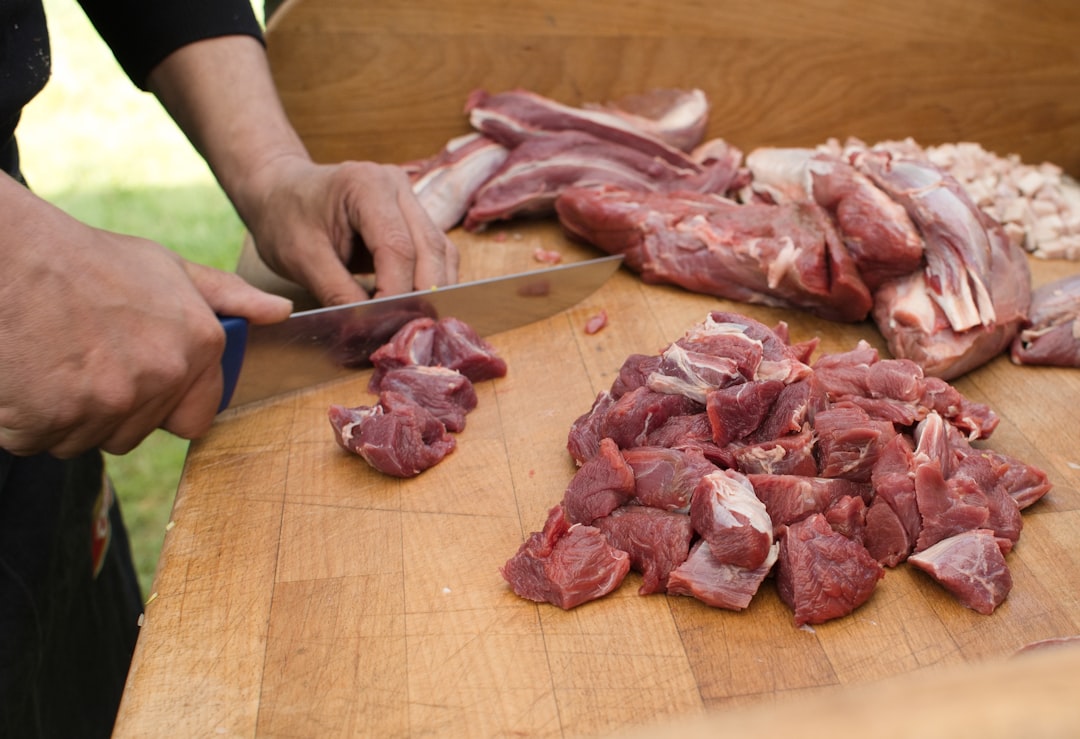
Butchers Meat Preparation Specialist Staffing Implementation Timeline
A realistic timeline is crucial for planning your kitchen operations. The entire cycle for butchers meat preparation specialist staffing typically spans 6 to 10 weeks. However, this duration depends on the source country, candidate readiness, and specific GCC destination. Understanding this timeline helps manage kitchen staffing expectations and prevents operational gaps.
First, candidate sourcing and screening require 2-3 weeks. This phase includes advertising, interviews, and practical tests. Next, documentation collection and attestation take 1-2 weeks. Subsequently, visa and work permit processing through government channels requires 3-4 weeks. Finally, travel arrangements and onboarding add another week to the process.
Several factors can influence this timeline. For example, peak holiday seasons or changes in immigration policy may cause delays. Therefore, building buffer time into your recruitment plan is advisable. Proactive employers who start the process well in advance secure the best talent without disrupting their meat preparation services.
Common Challenges and Solutions
Recruiting butchery specialists in the GCC presents distinct challenges. A primary issue is the verification of practical skills from overseas candidates. Solution: Implement mandatory video-based skill demonstrations or partner with recruitment agencies that conduct in-person assessments in source countries. Another common challenge is navigating the complex and changing visa regulations.
Solution: Partner with a consultancy that maintains up-to-date knowledge of GCC labor markets, as highlighted by World Bank labor market analysis. Cultural and language integration can also pose difficulties. Solution: Provide pre-departure orientation and basic Arabic language training focused on kitchen terminology. This training eases the transition.
Furthermore, retention can be difficult if career progression is unclear. Solution: Create clear skill ladders and certification sponsorship programs. Additionally, ensure working conditions meet international standards as per International Labour Organization hospitality standards. Addressing these challenges proactively builds a stable, skilled butchery team.
Expert Recommendations for Success
To achieve long-term success in butchery team recruitment, follow these expert recommendations. First, invest in building relationships with vocational training institutes in key sourcing countries. This investment creates a direct pipeline of certified talent. Second, standardize your competency framework. Use this framework for all hiring and promotion decisions to ensure objectivity and fairness.
Moreover, stay informed about regional trends in food consumption and butchery technology. Adapting your skill requirements to market demands keeps your team competitive. Additionally, prioritize worker welfare. Providing quality accommodation, as suggested by UAE employment regulations, and healthcare leads to higher morale and productivity.
Finally, view your butchery staff as strategic assets, not just operational costs. Continuous training in new cuts, sustainability practices, and inventory software adds value. Therefore, a commitment to professional development fosters loyalty and excellence. For a tailored strategy, schedule consultation appointment with our GCC hospitality recruitment experts.
Frequently Asked Questions About Butchers Meat Preparation Specialist Staffing
What is the timeline for butchers meat preparation specialist staffing?
The complete recruitment timeline typically ranges from 6 to 10 weeks. This period covers sourcing, screening, documentation, and visa processing. Furthermore, candidate availability and specific GCC country procedures affect the duration. Therefore, early planning is essential for seamless kitchen butchery team recruitment.
What documentation is required for kitchen butchery team recruitment?
Essential documents include a valid passport, attested trade certificates, experience letters, a medical fitness report, and a police clearance certificate. Additionally, a food handler’s license is often mandatory. Moreover, all documents must be attested and translated as per the destination country’s requirements.
How do you verify the practical skills of overseas butchery candidates?
We recommend structured video skill assessments or partnering with agencies that conduct in-person practical tests. Candidates can demonstrate specific cuts, portioning, and equipment use. Furthermore, detailed reference checks with previous employers verify claimed experience and proficiency in meat preparation techniques.
What are the key compliance risks in GCC butchery staffing?
Major risks include invalid or non-attested certificates, expired food safety licenses, and non-compliance with Halal standards. Additionally, violating labor contract terms or accommodation standards poses significant legal risks. Consequently, working with a licensed recruiter mitigates these compliance challenges effectively.
Which countries are prime sourcing markets for butchery talent?
Prime sourcing markets include India, Nepal, Bangladesh, Sri Lanka, and the Philippines. These regions have strong vocational training systems for butchery and culinary arts. Moreover, professionals from these countries are often experienced in meeting international food safety and hospitality standards.
How can employers improve retention of skilled butchery staff?
Improve retention by offering clear career progression, regular skill-upgrading training, competitive compensation, and excellent living conditions. Furthermore, recognizing skill mastery and providing performance incentives fosters loyalty. Therefore, a holistic approach to employee welfare is the most effective retention strategy.
Partner with Allianze HR for Butchery Team Success
Building a proficient kitchen butchery team is a strategic investment in your food business’s quality and reputation. This guide has outlined the critical path from understanding GCC requirements to implementing best practices in butchers meat preparation specialist staffing. Moreover, navigating legal frameworks and documentation requires expert precision. Therefore, a methodical approach ensures compliance, efficiency, and culinary excellence.
Allianze HR Consultancy specializes in connecting GCC employers with pre-vetted, skilled butchery professionals. Our end-to-end recruitment management covers sourcing, compliance, logistics, and onboarding support. Furthermore, our deep regional expertise and extensive talent network streamline your entire hiring process. Consequently, you gain access to reliable talent while minimizing administrative burden and risk.
Ready to strengthen your culinary team with expert butchery talent? Let us handle the complexities of international recruitment. Contact us today to discuss your specific staffing needs and develop a customized recruitment plan. Reach out to our HR specialists now to ensure your meat preparation operations are staffed for success.