



How can employers in the GCC ensure their labor accommodations meet stringent health and regulatory standards? Furthermore, maintaining high standards of camp cleanliness and daily maintenance schedules is not just a legal obligation. It is a critical component of worker welfare, productivity, and corporate reputation. Consequently, structured housekeeping procedures and cleaning frequency requirements form the backbone of effective facilities management. This comprehensive guide details the essential framework for camp cleanliness maintenance schedules across Gulf Cooperation Council countries.
Labor camps in construction, oil and gas, and industrial sectors house thousands of workers. Moreover, these high-density living environments present unique hygiene challenges. Regional authorities in the UAE, Saudi Arabia, Qatar, and Kuwait enforce strict regulations. Therefore, non-compliance results in heavy fines, project delays, and reputational damage. Additionally, a clean environment directly impacts employee health and morale. Ultimately, proactive maintenance is a strategic investment.
At Allianze HR Consultancy, we’ve successfully placed 10,000+ professionals across UAE, Saudi Arabia, Qatar, and Kuwait. Furthermore, our 5+ years of GCC expertise supports clients from 50+ countries. Moreover, our Ministry of External Affairs (India) RA license ensures compliance. Therefore, contact our recruitment specialists for expert guidance on staffing your facilities management and housekeeping teams to uphold these vital standards.
Understanding GCC Labor Accommodation Standards
GCC nations have developed detailed regulations for worker housing. These standards cover space, ventilation, sanitation, and recreational facilities. For instance, the UAE’s Ministerial Resolution No. 44 of 2022 outlines specific accommodation requirements. Similarly, Saudi Arabia’s Ministry of Human Resources sets clear welfare guidelines.
Therefore, employers must first understand the local legal landscape. Key areas regulated include:
- Minimum living space per worker (often 3-4 square meters).
- Requirements for toilets, showers, and washing facilities per capita.
- Kitchen and dining hall hygiene and food safety protocols.
- Waste management systems for solid and liquid waste.
- Pest control measures and regular fumigation schedules.
Additionally, international benchmarks provide further guidance. The International Labour Organization promotes decent work and living conditions globally. Consequently, aligning with these standards ensures both local compliance and global best practice.
Camp Cleanliness Maintenance Schedules Strategic Overview
A strategic approach to camp cleanliness maintenance schedules transforms reactive cleaning into a systematic program. This overview establishes the core philosophy. First, maintenance must be preventive, not corrective. Second, schedules must be documented, measurable, and auditable. Third, responsibility must be clearly assigned to dedicated personnel.
Moreover, a successful strategy integrates several components. Daily tasks address immediate hygiene needs. Weekly and monthly deep-cleaning tackles accumulated grime. Furthermore, seasonal maintenance prepares facilities for weather changes. Subsequently, a master schedule coordinates all these activities without disrupting worker routines.
Effective implementation requires proper resources. This includes trained cleaning staff, appropriate equipment, and quality supplies. Additionally, digital checklists and audit apps enhance accountability. For example, supervisors can confirm task completion in real-time. Therefore, strategic planning is the critical first step for camp managers.
Legal Framework and Compliance Standards
Compliance with GCC labor laws is non-negotiable. Each country publishes specific decrees governing accommodation. In Qatar, the International Labour Organization standards heavily influence local law. Kuwait’s Public Authority for Manpower issues regular circulars on camp conditions.
Regular government inspections enforce these standards. Inspectors assess cleanliness, pest control, facility repair, and record-keeping. Consequently, employers must maintain detailed logs. Essential documentation includes:
- Daily cleaning checklists signed by supervisors.
- Monthly pest control service reports and certificates.
- Maintenance work orders for repairs.
- Inventory records for cleaning supplies and equipment.
- Training records for housekeeping staff.
Non-compliance triggers immediate penalties. Fines can reach tens of thousands of dirhams or riyals. In severe cases, authorities may suspend work permits or shut down the camp. Therefore, understanding and adhering to the legal framework is paramount for operational continuity.
Camp Cleanliness Maintenance Schedules Best Practices
Implementing best practices for camp cleanliness maintenance schedules ensures efficiency and effectiveness. First, categorize all cleaning tasks by frequency and area. High-traffic zones like dining halls and washrooms need attention multiple times daily. Conversely, storage areas may require weekly cleaning.
Furthermore, develop clear Standard Operating Procedures (SOPs) for each task. SOPs eliminate ambiguity. They specify the method, chemicals, tools, and safety gear required. For instance, a washroom cleaning SOP details disinfection protocols for sinks, toilets, and floors. Additionally, training ensures all staff execute tasks consistently.
Another best practice is zone-wise staffing assignment. Dedicate teams to specific camp blocks. This fosters accountability. Moreover, rotate teams periodically to prevent monotony. Utilize color-coded equipment to prevent cross-contamination. For example, red mops for washrooms and green mops for common areas. These practices elevate hygiene standards significantly.
Documentation and Processing Steps
Robust documentation transforms maintenance from an activity into a verifiable system. The process begins with a master schedule. This calendar outlines all tasks, frequencies, and responsible parties. Next, create individual checklists for each shift and area. Supervisors use these to verify completion.
Additionally, establish a clear reporting hierarchy. Cleaning staff report to housekeeping supervisors. These supervisors then report to the camp facilities manager. Moreover, digital tools streamline this process. Mobile apps allow for photo verification and instant reporting. Consequently, managers gain real-time visibility into camp conditions.
Audit processing is the final critical step. Schedule internal audits weekly. Furthermore, conduct comprehensive monthly reviews against the master schedule. Document all findings and corrective actions taken. This creates a continuous improvement cycle. Therefore, proper documentation is the evidence trail for both internal management and external inspectors.
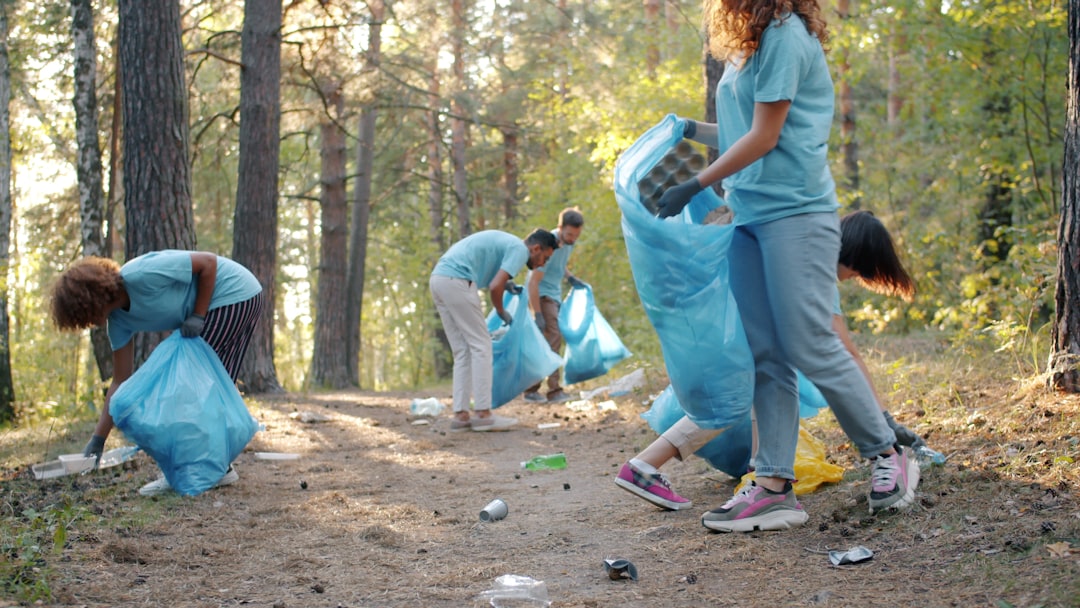
Camp Cleanliness Maintenance Schedules Implementation Timeline
Rolling out a new camp cleanliness maintenance schedules program requires careful phasing. A typical implementation spans 4-6 weeks. Week one focuses on assessment and planning. Audit current conditions and inventory resources. Furthermore, draft the initial master schedule and SOPs during this phase.
Week two involves team mobilization and training. Recruit or assign dedicated cleaning staff. Conduct intensive training on SOPs, chemical handling, and safety. Additionally, distribute cleaning equipment and uniforms. Meanwhile, week three is the pilot launch. Implement the schedule in one camp section first. Monitor closely and gather feedback.
Finally, weeks four to six see full-scale deployment. Expand the schedule to the entire camp. Moreover, establish the documentation and audit cycle. Refine procedures based on pilot phase learnings. Subsequently, the program transitions into routine operation. This phased approach minimizes disruption and ensures sustainable adoption.
Common Challenges and Solutions
Employers often face predictable challenges in camp maintenance. High staff turnover in housekeeping teams is a major issue. This disrupts consistency and training. Solution: Partner with a reliable recruiter like Allianze HR to ensure a steady pipeline of trained personnel. Additionally, implement simplified visual training guides.
Another common challenge is budget constraints for equipment and quality supplies. However, using substandard materials reduces effectiveness. Solution: Prioritize expenditure on critical areas like disinfectants and pest control. Moreover, bulk purchasing and long-term supplier contracts can reduce costs. Furthermore, proper equipment maintenance extends its lifespan.
Finally, achieving worker buy-in and cooperation is crucial. Residents may not always maintain cleanliness. Solution: Launch awareness campaigns on personal hygiene. Additionally, involve worker representatives in monitoring common areas. Recognizing clean blocks with incentives also fosters a collective responsibility for the living environment.
Expert Recommendations for Success
For long-term success, go beyond basic compliance. First, integrate health and safety with cleanliness programs. The World Health Organization emphasizes indoor air quality. Therefore, ensure ventilation systems are cleaned regularly as part of the schedule.
Second, leverage technology for smarter management. Use IoT sensors to monitor waste bin levels or restroom supplies. This enables proactive rather than reactive servicing. Furthermore, digital dashboards provide management with key performance indicators. Metrics like compliance rates and audit scores drive improvement.
Third, view camp maintenance as a core employee welfare function. A clean, well-maintained camp directly impacts retention and productivity. It demonstrates respect for your workforce. Consequently, allocate appropriate leadership and budget to this function. Ultimately, excellence in camp management becomes a competitive advantage in attracting talent.
Frequently Asked Questions About Camp Cleanliness Maintenance Schedules
What is the timeline for implementing camp cleanliness maintenance schedules?
A full implementation typically takes 4-6 weeks. Furthermore, the process involves assessment, planning, training, pilot testing, and deployment. Therefore, consult our specialists for a customized project plan based on your camp size and condition.
What documentation is required for camp hygiene audits?
Required documents include daily checklists, pest control certificates, maintenance logs, supply inventories, and staff training records. Additionally, authorities may request the master cleaning schedule and past inspection reports. Moreover, digital records are increasingly accepted.
How often should deep cleaning of common areas occur?
Deep cleaning frequency depends on usage. Dining halls may need weekly deep cleans. Washrooms might require it twice weekly. Furthermore, lounges and corridors can be scheduled monthly. Consequently, your master schedule must reflect the specific traffic patterns of your camp.
How does Allianze HR support camp maintenance staffing?
We recruit and deploy trained housekeeping supervisors and cleaners familiar with GCC standards. Additionally, we ensure all personnel have necessary medical clearances and visas. Moreover, our compliance expertise helps you maintain legally sound staffing records for audits.
Which authority links should we monitor for regulation changes?
Monitor official portals like the UAE government site for building regulations. Furthermore, the World Bank provides reports on urban living standards that often influence policy.
What are the penalties for non-compliance in the UAE?
Penalties can include fines exceeding AED 50,000 per violation. Repeated offenses may lead to work permit suspensions or a ban on hiring new workers. Therefore, proactive management of camp cleanliness maintenance schedules is essential to avoid these severe financial and operational risks.
Partner with Allianze HR for Camp Management Success
Establishing and maintaining rigorous camp cleanliness maintenance schedules is a complex but vital undertaking. This guide has outlined the strategic, operational, and compliance components required for success. From understanding GCC-specific regulations to implementing daily housekeeping procedures, each element contributes to a safe, healthy, and compliant living environment for your workforce.
Ultimately, consistent execution relies on having the right personnel. Skilled, trained, and reliable facilities management staff are the cornerstone of any effective program. Allianze HR Consultancy specializes in sourcing and deploying such talent across the GCC region. Our deep understanding of local labor markets and compliance requirements ensures your team is built for success.
Do not let staffing challenges compromise your camp standards or expose you to regulatory risk. Explore our professional recruitment resources for more insights. Then, take the next step toward operational excellence. Schedule a consultation appointment with our experts today to discuss your specific camp management and staffing needs. We provide the human capital solutions that allow your business to thrive while upholding the highest standards of worker welfare.