


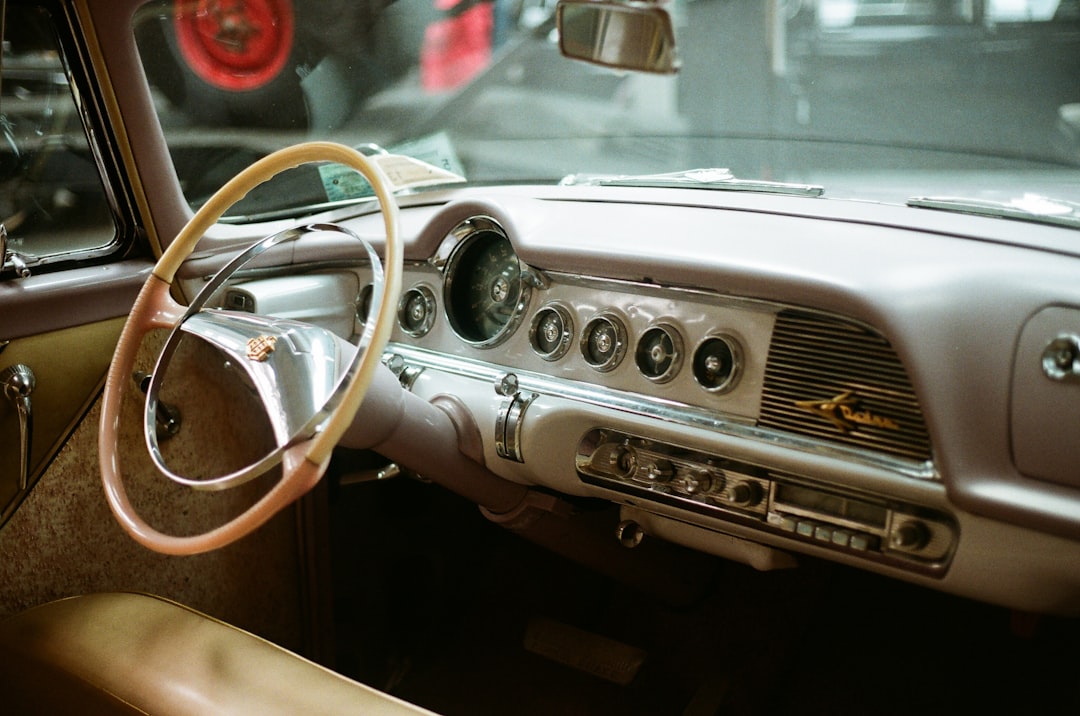
How can automotive dealerships in the Gulf region transform their showrooms into high-performance assets? Furthermore, the integration of facility management within automotive retail presents unique challenges. Consequently, strategic staffing becomes the cornerstone of operational excellence. This comprehensive guide explores car showroom FM automotive retail maintenance and staffing strategies for sustainable success.
The GCC automotive market remains fiercely competitive. Moreover, customer expectations for premium retail experiences continue to rise. Therefore, dealerships must excel beyond vehicle sales. Effective facility management ensures brand image, safety, and customer satisfaction. Additionally, specialized staffing supports these complex operational needs across diverse regional markets.
At Allianze HR Consultancy, we’ve successfully placed 10,000+ professionals across UAE, Saudi Arabia, Qatar, and Kuwait. Furthermore, our 5+ years of GCC expertise supports clients from 50+ countries. Moreover, our Ministry of External Affairs (India) RA license ensures compliance. Therefore, contact our recruitment specialists for expert guidance on building your dealership’s operational team.
Understanding GCC Automotive Retail Facility Dynamics
Automotive retail facilities in the Gulf are multifaceted environments. First, they combine customer-facing showrooms with technical service bays. Second, they must manage extensive inventory and parts storage. Third, regional climate conditions demand robust HVAC and energy management. Consequently, a holistic facility management approach is non-negotiable for profitability.
GCC consumers expect a seamless brand experience. Therefore, every facility element must reflect the automotive brand’s values. Lighting, cleanliness, and ambient controls directly impact sales. Moreover, adherence to local UAE green building regulations and safety codes is mandatory. Proactive maintenance prevents costly disruptions and protects asset value.
- Integrated showroom, service center, and parts warehouse management.
- High standards for interior air quality and customer comfort.
- Energy and water conservation strategies for sustainable operations.
- Compliance with municipal codes for commercial automotive facilities.
- Security protocols for high-value inventory and customer data protection.
- Waste management systems for oils, batteries, and automotive fluids.
Finally, the operational complexity requires a specialized workforce. Technicians, custodial staff, and facility coordinators must work in unison. Strategic staffing aligns human resources with these intricate operational demands. Therefore, a targeted recruitment strategy forms the foundation of effective dealership facility management.
Car Showroom FM Automotive Retail Strategic Overview
Developing a strategic overview for car showroom FM automotive retail begins with clear objectives. First, define key performance indicators for facility uptime and customer satisfaction. Second, map all physical assets and their maintenance cycles. Third, integrate technology for smart building management. This holistic view turns facility management from a cost center into a value driver.
Strategic planning must account for the entire customer journey. From the moment a client enters the parking lot, their experience is shaped by facility conditions. Clean, well-lit, and comfortable environments encourage longer visits and higher sales conversions. Moreover, efficient back-of-house operations ensure quick vehicle preparation and service turnaround.
- Develop a preventive maintenance schedule for all building systems.
- Implement a Computerized Maintenance Management System (CMMS).
- Establish clear protocols for daily, weekly, and monthly facility checks.
- Create a capital expenditure plan for long-term asset replacement.
- Integrate energy management systems to reduce operational costs.
- Design contingency plans for equipment failure and emergency repairs.
Furthermore, strategy must be adaptable. GCC markets evolve rapidly with new technologies and consumer trends. Therefore, regular strategy reviews ensure alignment with business goals. Consequently, a dynamic approach to car showroom FM automotive retail maintenance safeguards your investment and enhances brand reputation.
Legal Framework and Compliance Standards
Navigating the legal landscape is critical for automotive dealerships in the GCC. Each country has specific regulations governing commercial facilities, labor, and environmental standards. For instance, Saudi Arabia’s Ministry of Labor regulations dictate workplace safety requirements. Similarly, UAE municipalities enforce strict codes for showroom construction and operation.
Compliance extends beyond local building codes. International standards provide valuable frameworks. The International Labour Organization workplace safety guidelines inform best practices for staff welfare. Additionally, World Health Organization indoor air quality standards are relevant for customer and employee health.
- Adherence to Civil Defense requirements for fire safety and evacuation.
- Compliance with environmental regulations for hazardous material disposal.
- Meeting accessibility standards for people of determination.
- Following electrical and mechanical codes for all installed equipment.
- Implementing data protection laws for customer information systems.
- Observing labor laws for staff working hours and accommodation.
Non-compliance risks substantial fines, operational shutdowns, and reputational damage. Therefore, dealerships must prioritize regulatory adherence. Moreover, a dedicated compliance officer or partner ensures continuous monitoring of legal changes. Proactive compliance management is a strategic advantage in the regulated GCC automotive retail sector.
Car Showroom FM Automotive Retail Best Practices
Implementing industry best practices elevates dealership operations significantly. First, adopt a proactive rather than reactive maintenance philosophy. Scheduled inspections prevent minor issues from becoming major failures. Second, leverage data analytics from building management systems. This data informs decisions about energy use, equipment lifespan, and maintenance priorities.
Third, standardize processes across all facility management functions. Create clear checklists for opening and closing procedures, cleaning protocols, and safety inspections. Consistency ensures quality and makes staff training more effective. Furthermore, engage with professional bodies like the International Facility Management Association for updated methodologies.
- Utilize IoT sensors for real-time monitoring of HVAC and lighting systems.
- Establish a centralized helpdesk for reporting and tracking maintenance issues.
- Implement a 5S methodology (Sort, Set, Shine, Standardize, Sustain) for organization.
- Conduct regular training on safety protocols and emergency response.
- Develop strong relationships with reliable vendors and spare parts suppliers.
- Perform annual facility condition assessments to plan capital projects.
Moreover, best practices in car showroom FM automotive retail include sustainability initiatives. Water recycling, solar power, and LED lighting reduce costs and align with regional sustainability goals. Consequently, these practices not only improve efficiency but also enhance the dealership’s corporate social responsibility profile.
Documentation and Processing Steps
Robust documentation forms the backbone of accountable facility management. First, maintain comprehensive asset registers for all equipment. This includes purchase dates, warranties, service histories, and replacement costs. Second, develop standard operating procedures for every maintenance task. Clear SOPs ensure consistency and quality, regardless of staff changes.
Third, implement a systematic work order process. All maintenance requests should be logged, prioritized, assigned, and closed with documentation. This creates an audit trail for accountability and performance analysis. Additionally, keep all compliance certificates, inspection reports, and permits organized and readily accessible for authorities.
- Asset Management: Equipment logs, warranty documents, and depreciation schedules.
- Safety Records: Fire drill reports, incident logs, and training certificates.
- Vendor Contracts: Service level agreements, insurance certificates, and performance reviews.
- Financial Documents: Maintenance budgets, invoice records, and cost-benefit analyses.
- Compliance Files: Building permits, environmental approvals, and Civil Defense NOCs.
- Staff Records: Qualifications, training completion proof, and assignment histories.
Digital document management systems are highly recommended. They improve accessibility, version control, and security. Furthermore, they facilitate reporting and analysis. Proper documentation not only ensures smooth operations but also provides critical data for strategic planning and professional recruitment resources when scaling your team.
Car Showroom FM Automotive Retail Implementation Timeline
Executing a successful facility management program requires careful phasing. A typical implementation timeline spans 12 to 18 months. The first phase, lasting 1-3 months, involves assessment and planning. Conduct a full facility audit and benchmark against industry standards. Subsequently, define your strategic goals and secure management buy-in.
The second phase, months 4-9, focuses on core system implementation. This includes deploying your CMMS, establishing SOPs, and launching initial staff training programs. Moreover, this phase involves recruiting or reassigning key facility personnel. Partnering with an expert like Allianze HR can streamline this critical staffing component.
- Months 1-3: Facility audit, strategy development, and budget approval.
- Months 4-6: Recruitment of FM lead, system selection, and process design.
- Months 7-9: System rollout, staff training, and pilot program execution.
- Months 10-12: Full implementation, performance monitoring, and initial review.
- Months 13-18: Optimization, advanced training, and sustainability initiative launch.
- Ongoing: Continuous improvement, biannual reviews, and technology updates.
Finally, the timeline must remain flexible. Unforeseen challenges or opportunities may arise. Therefore, regular review points are essential. This structured approach to car showroom FM automotive retail implementation ensures systematic progress, measurable outcomes, and sustainable long-term operational excellence.
Common Challenges and Solutions
Dealerships face several common challenges in facility management. First, high staff turnover disrupts continuity and training investments. Solution: Develop a compelling employee value proposition. Offer clear career paths, competitive compensation, and a positive work environment. Second, budget constraints limit proactive maintenance. Solution: Build a strong business case demonstrating ROI through cost avoidance and asset preservation.
Third, coordinating between sales, service, and FM teams creates friction. Solution: Implement cross-functional communication protocols and shared performance metrics. Fourth, keeping pace with technological change is difficult. Solution: Allocate an annual budget for technology upgrades and staff upskilling. Engage with World Bank urban development reports for insights on smart city trends.
- Challenge: Sourcing technically skilled FM staff in a competitive market.
- Solution: Partner with a specialized recruitment agency with GCC automotive sector experience.
- Challenge: Managing energy costs in extreme climate conditions.
- Solution: Invest in building automation and conduct regular energy audits.
- Challenge: Ensuring consistent service quality across multiple shifts.
- Solution: Digital checklists, remote monitoring, and shift handover protocols.
Moreover, regulatory changes pose an ongoing challenge. Solution: Designate a compliance point person and subscribe to regulatory update services. By anticipating these challenges and implementing prepared solutions, dealerships can maintain resilient and efficient operations. Proactive problem-solving is a hallmark of mature facility management.
Expert Recommendations for Success
To achieve lasting success, GCC automotive retailers should follow key expert recommendations. First, prioritize your workforce. Your staff executes every strategy. Therefore, invest in rigorous recruitment, continuous training, and employee engagement. Skilled, motivated teams are your greatest asset. Second, embrace technology as an enabler, not a cost. Smart building systems provide data for smarter decisions and long-term savings.
Third, integrate facility management goals with overall business objectives. FM should contribute directly to sales targets, customer satisfaction scores, and brand equity. Fourth, foster a culture of continuous improvement. Encourage staff to suggest enhancements and reward innovation. Furthermore, regularly benchmark your performance against regional and global automotive retail leaders.
- Appoint a dedicated Facility Manager with authority and budget control.
- Develop a multi-year strategic plan for facility development and staffing.
- Build strong partnerships with reliable technology vendors and recruitment firms.
- Implement a balanced scorecard to measure FM performance holistically.
- Conduct regular “walk-throughs” with management to maintain visibility and priority.
- Allocate a contingency budget for unexpected repairs and regulatory upgrades.
Finally, do not underestimate the value of expert partnership. Specialized HR consultancies understand the nuances of recruiting for technical facility roles in the GCC context. Leveraging external expertise accelerates implementation and mitigates risk. Consequently, a collaborative approach often yields the best return on investment.
Frequently Asked Questions About Car Showroom FM Automotive Retail
What is the timeline for car showroom FM automotive retail implementation?
A full implementation typically spans 12-18 months. Furthermore, the timeline includes assessment, planning, system rollout, and staffing phases. Therefore, consult our specialists for a customized project plan based on your dealership’s size and readiness.
What are the key staffing roles for dealership facility management?
Critical roles include Facility Manager, Maintenance Technicians (HVAC, electrical, mechanical), Custodial Supervisors, and Safety Officers. Additionally, roles for energy management and sustainability are increasingly important in the GCC region.
How can I reduce high energy costs in my automotive showroom?
Implement building automation systems, transition to LED lighting, optimize HVAC schedules, and improve building insulation. Moreover, regular energy audits identify specific waste areas. Consequently, these measures significantly lower utility expenses.
How does Allianze HR ensure legal compliance for recruited staff?
We maintain Ministry-approved RA license status under The Emigration Act, 1983. Additionally, our team monitors GCC labor law changes continuously. Moreover, we conduct thorough documentation verification at every recruitment stage for complete compliance.
What technology is essential for modern showroom facility management?
Essential technology includes a Computerized Maintenance Management System (CMMS), IoT sensors for environmental monitoring, a digital work order platform, and integrated security systems. Furthermore, data analytics tools are crucial for predictive maintenance.
Which GCC countries does Allianze HR serve for automotive recruitment?
We provide recruitment services across UAE, Saudi Arabia, Qatar, Kuwait, Bahrain, and Oman. Furthermore, our talent network specializes in the technical skills required for automotive retail and facility management roles.
Partner with Allianze HR for Dealership Operational Success
Mastering car showroom FM automotive retail maintenance is a strategic imperative for GCC dealerships. This guide has outlined the integration of physical asset management with strategic staffing. From compliance to daily operations, every element contributes to brand strength and customer loyalty. Moreover, the right team turns facility challenges into competitive advantages.
Your journey toward operational excellence begins with expert partnership. Allianze HR Consultancy provides