


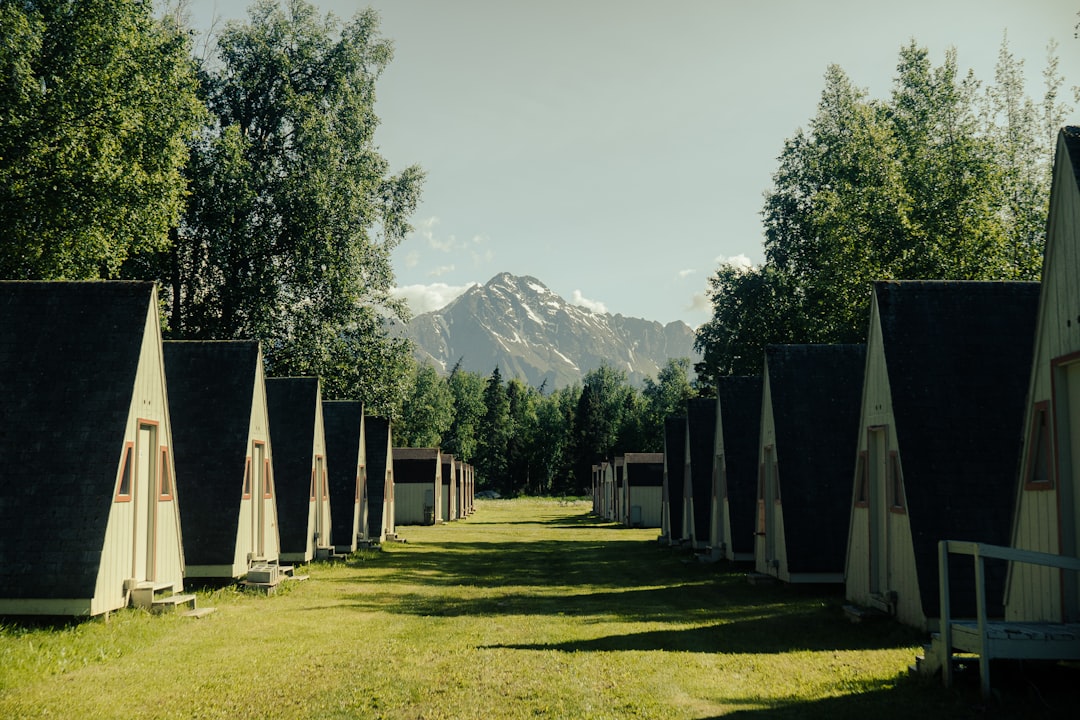
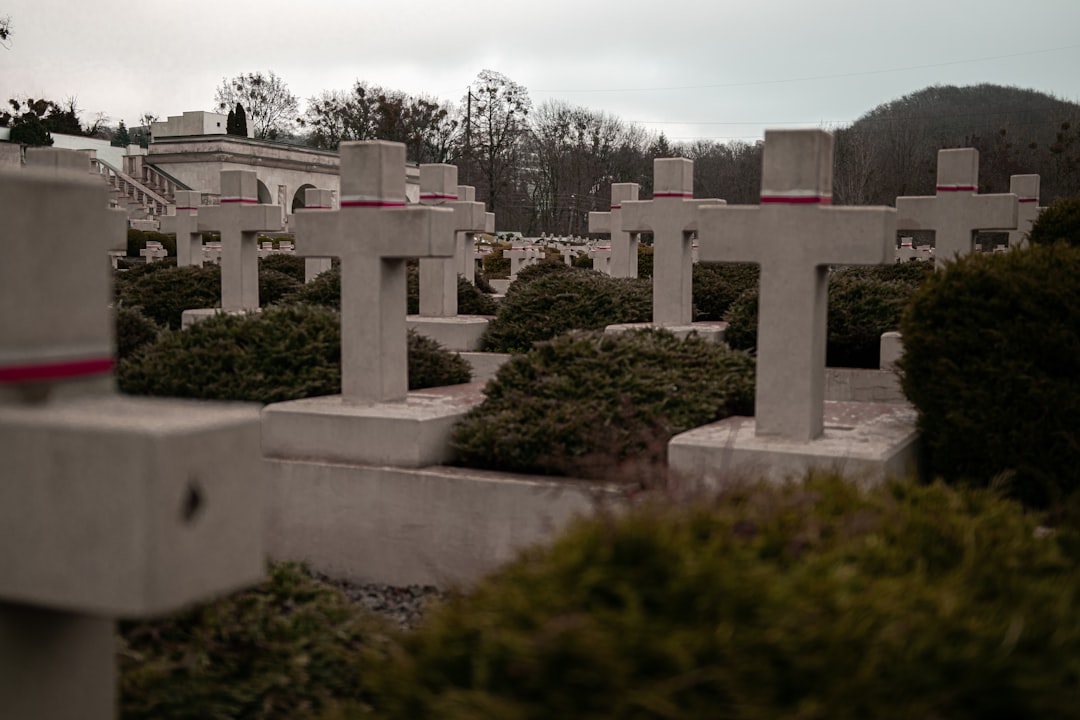
How can GCC employers ensure dignified, compliant, and sustainable operations for cemeteries and memorial parks? Furthermore, managing these sacred spaces requires a unique blend of technical facility management, sensitive staffing, and expert horticultural care. Consequently, cemetery FM operations memorial park management presents distinct challenges in the Gulf region. This specialized field demands a strategic approach to staffing and maintenance.
The GCC’s growing urban centers and diverse populations necessitate modern, well-maintained memorial facilities. Moreover, regional climate conditions place extreme demands on landscaping. Additionally, cultural and religious sensitivities require staff with specific training and demeanor. Therefore, effective management combines operational efficiency with profound respect.
At Allianze HR Consultancy, we’ve successfully placed 10,000+ professionals across UAE, Saudi Arabia, Qatar, and Kuwait. Furthermore, our 5+ years of GCC expertise supports clients from 50+ countries. Moreover, our Ministry of External Affairs (India) RA license ensures compliance. Therefore, contact our recruitment specialists for expert guidance on building your memorial park team.
Understanding GCC Memorial Facility Management Requirements
Memorial park management in the Gulf involves multifaceted responsibilities. First, facilities must adhere to strict public health and sanitation standards. Second, landscape maintenance must combat harsh heat and water scarcity. Third, staff must perform duties with utmost respect and cultural awareness. Additionally, operational protocols vary significantly between municipalities.
Furthermore, GCC governments are investing in modern, green burial spaces. These projects require skilled personnel. For example, irrigation specialists must use water-efficient systems. Similarly, groundskeepers need knowledge of drought-resistant flora. Consequently, recruitment must target these niche skill sets. Employers face a competitive talent market for these roles.
- Compliance with municipal public health codes and burial regulations.
- Implementation of sustainable landscaping and water conservation practices.
- Staff training in cultural sensitivity and interfaith protocols.
- Maintenance of infrastructure like pathways, lighting, and water systems.
- Coordination with religious authorities and community groups.
- Management of records and plot allocation databases.
Therefore, a successful operation depends on a carefully assembled team. This team blends technical skills with soft skills. Moreover, understanding local UAE green building regulations can inform sustainable facility design. Partnering with a knowledgeable recruiter streamlines this complex hiring process.
Cemetery FM Operations Memorial Park Management Strategic Overview
A strategic approach to cemetery FM operations memorial park management is essential for GCC employers. First, define the operational scope clearly. This includes grounds upkeep, facility maintenance, and visitor services. Second, develop a staffing model that covers all critical functions. Third, integrate compliance and sustainability from the outset. This proactive planning prevents operational gaps.
Moreover, the strategic overview must consider long-term landscape maturation. Trees and plants chosen today define the park’s character for decades. Additionally, staffing strategy should account for shift patterns and seasonal workloads. For instance, maintenance peaks may occur during cooler months. Therefore, flexible workforce planning is advantageous.
Furthermore, technology plays an increasing role. Digital mapping of plots, automated irrigation, and facility management software boost efficiency. However, these systems require trained personnel to operate. Consequently, your recruitment plan must include both traditional horticulturalists and tech-savvy operators. This blend of old and new skills ensures future-ready operations.
Finally, a strategic partnership with a specialized HR firm is invaluable. They understand the unique profile needed for memorial park roles. They also navigate the complex International Labour Organization standards and local labor laws. This expertise transforms a management plan into a fully staffed, compliant reality.
Legal Framework and Compliance Standards
Operating a cemetery or memorial park in the GCC involves navigating a specific legal landscape. First, land use and zoning laws dictate where such facilities can be located. Second, public health regulations govern burial practices and environmental protection. Third, labor laws define worker rights, accommodations, and contracts. Non-compliance risks severe penalties and reputational damage.
Additionally, documentation for foreign workers must be impeccable. This includes visas, work permits, and medical screenings. Moreover, certain roles may require background checks or special clearances. Therefore, the recruitment process must be meticulous. Every hire must be legally authorized to work in their specific capacity.
Furthermore, occupational health and safety standards are paramount. The World Health Organization occupational health guidelines inform safe working practices. Staff may use equipment, handle materials, or work in conditions requiring safety protocols. Consequently, training and compliance monitoring are continuous responsibilities.
- Adherence to municipal burial and interment laws.
- Strict compliance with nationalization (Nitaqat, Emiratisation) quotas.
- Provision of legally mandated healthcare, insurance, and accommodation.
- Implementation of workplace safety measures per local OSHA equivalents.
- Proper attestation and legalization of employee credentials and contracts.
- Respect for cultural and religious observance requirements for staff.
Navigating this framework alone is daunting for employers. Hence, expert guidance is crucial. A partner like Allianze ensures every aspect of your staffing meets Saudi Ministry of Labor regulations and other GCC standards. This allows you to focus on operations with confidence.
Cemetery FM Operations Memorial Park Management Best Practices
Implementing best practices in cemetery FM operations memorial park management ensures excellence and sustainability. First, prioritize staff training beyond technical skills. Sensitivity training is non-negotiable. Staff interact with grieving families and manage sacred spaces daily. Therefore, empathy and professionalism are core competencies.
Second, adopt integrated pest management and water conservation. The GCC’s environment demands smart horticulture. For example, using native, drought-tolerant plants reduces water use. Similarly, efficient drip irrigation systems conserve resources. These practices align with regional sustainability goals and reduce operational costs.
Third, establish clear, documented procedures for all tasks. This includes daily maintenance, interment services, and emergency response. Standardized procedures ensure consistency and quality. Moreover, they simplify the training process for new hires. Consequently, operations remain smooth despite staff turnover.
Furthermore, engage with the community. Memorial parks are community assets. Hosting remembrance events or offering educational tours builds positive relations. Additionally, community feedback can guide improvements. This engagement turns a facility into a cherished part of the social fabric. Best practices blend operational efficiency with community heart.
Finally, leverage technology for efficiency. Utilize facility management software for work orders and asset tracking. Implement digital mapping for precise plot management. These tools, operated by trained staff, elevate the entire operation. Accessing professional recruitment resources helps find candidates skilled in these modern tools.
Documentation and Processing Steps for Staffing
The staffing process for memorial park management requires meticulous documentation. First, define precise job descriptions for each role. These should outline horticultural duties, facility tasks, and interpersonal requirements. Clear descriptions attract suitable candidates. They also form the basis for employment contracts and performance reviews.
Second, initiate the visa and work permit process upon candidate selection. This involves submitting documents to relevant government ministries. Required papers typically include passports, attested educational certificates, and medical reports. Processing times vary across the GCC. Therefore, planning for delays is prudent.
Third, ensure all employment contracts are clear and compliant. Contracts must state salary, working hours, benefits, and termination conditions in local currency. Moreover, they must align with GCC labor law. This protects both employer and employee. Subsequently, onboarding begins with orientation and mandatory training.
- Detailed job descriptions for groundskeepers, irrigation techs, and facility attendants.
- Attested academic and vocational certificates for skilled landscaping roles.
- Medical fitness certificates from approved centers.
- Ministry-approved employment contracts in Arabic and English.
- Proof of employer’s commercial license and facility operating permit.
- Housing and insurance policy documentation as per law.
Managing this paperwork internally consumes significant time and carries risk. Alternatively, a specialized recruiter manages the entire workflow. They ensure every document meets the standards of bodies like the U.S. Department of Commerce labor standards and local authorities. This guarantees a smooth, compliant deployment.
Cemetery FM Operations Memorial Park Management Implementation Timeline
A realistic timeline is critical for successful cemetery FM operations memorial park management. The process typically spans 8 to 14 weeks from planning to full deployment. First, the planning and job specification phase takes 1-2 weeks. This involves auditing needs and defining the organizational structure. Rushing this stage leads to poor hiring decisions.
Second, candidate sourcing and screening requires 3-4 weeks. Finding individuals with the right technical and temperamental fit takes time. Specialized recruiters with relevant networks expedite this phase. Subsequently, interviews and final selection add another 1-2 weeks. Thorough vetting here prevents future issues.
Third, documentation processing and visa procurement is the longest phase, taking 4-6 weeks. This depends on home and host country procedures. Furthermore, medical checks and attestations cause variability. Therefore, constant follow-up with authorities is necessary. Meanwhile, pre-deployment orientation can begin remotely.
Finally, arrival, final onboarding, and site-specific training take 1-2 weeks. Staff must acclimate to the specific park’s layout, systems, and protocols. Moreover, team integration is crucial for operational harmony. Consequently, the timeline must allocate time for this settling-in period. A phased implementation often works best for larger teams.
Understanding this timeline allows for proper project planning. It aligns staffing with park opening dates or operational transitions. For precise scheduling, schedule consultation appointment with our experts. We provide tailored timelines based on your specific country and scale requirements.
Common Challenges and Strategic Solutions
Employers in this sector face several predictable challenges. First, finding candidates with both landscaping expertise and the requisite solemn demeanor is difficult. The technical skill is common, but the soft skills are rare. Solution: Partner with recruiters who screen for emotional intelligence and service orientation.
Second, high turnover in facility roles can disrupt operations. The work environment is emotionally demanding. Solution: Implement strong support systems, clear career pathways, and competitive compensation. Recognizing the importance of the work boosts morale and retention. Additionally, proper accommodation and welfare are essential.
Third, navigating the bureaucratic web of local municipality and health department regulations is complex. Solution: Designate a compliance officer or work with a consultancy that provides ongoing regulatory updates. Proactive engagement with authorities builds positive relationships and smooths operations.
Furthermore, maintaining landscape beauty under extreme heat and water restrictions is a technical challenge. Solution: Invest in advanced irrigation technology and hire specialists trained in arid-climate horticulture. Leveraging World Bank urban development insights on sustainable city management can also inform strategies.
Finally, budgeting for long-term maintenance versus short-term costs creates tension. Solution: Develop a lifecycle management plan for landscapes and infrastructure. This justifies upfront investment in quality materials and skilled staff, reducing costly repairs later. Strategic planning turns challenges into managed operational factors.
Expert Recommendations for Memorial Park Success
For GCC employers aiming for excellence, several expert recommendations stand out. First, view your staff as custodians, not just employees. Invest in their well-being and professional development. A respected, stable team provides consistent, high-quality service. This directly impacts the visitor experience and community perception.
Second, integrate sustainability into every decision. Choose native plants, install solar lighting, and implement water recycling where possible. This reduces operational costs and aligns with GCC national visions. Moreover, it creates a legacy of environmental stewardship. Sustainable parks are future-proof parks.
Third, embrace technology for dignity and efficiency. Online plot selection, digital records, and virtual memorials offer modern services. However, balance technology with human touch. The most advanced park still needs compassionate staff on the ground. Therefore, technology should empower staff, not replace them.
Furthermore, build strong community partnerships. Collaborate with religious leaders, funeral homes, and community centers. This ensures your services are culturally appropriate and widely trusted. Additionally, consider forming an advisory board. This board can provide valuable feedback and support.
Finally, choose your recruitment partner with care. They should understand the unique intersection of FM, landscaping, and human sensitivity required. A partner like Allianze HR provides end-to-end support, from sourcing to compliance. This allows you to establish and maintain a memorial park that serves its community with honor and professionalism for generations.
Frequently Asked Questions About Cemetery FM Operations Memorial Park Management
What is the timeline for cemetery FM operations memorial park management staffing?
The complete staffing timeline typically ranges from 8 to 14 weeks. This includes planning, sourcing, visa processing, and deployment. Furthermore, specific GCC country procedures affect duration. Therefore, consult our specialists for a precise project plan.
What skills are most critical for memorial park grounds staff?
Beyond horticultural expertise, cultural sensitivity, reliability, and physical stamina are paramount. Additionally, basic maintenance skills for infrastructure are valuable. Moreover, the ability to work respectfully in a solemn environment is a non-negotiable soft skill.
How do GCC labor laws impact memorial park staffing models?
Laws mandate specific worker accommodations, healthcare, and insurance. Additionally, nationalization quotas may apply to supervisory roles. Furthermore, contract terms and working hours are strictly regulated. Compliance is essential for operational continuity and reputation.
Can Allianze HR source candidates with arid-landscape expertise?
Yes. Our talent network includes professionals experienced in drought-resistant landscaping and efficient irrigation systems from similar climates. We specifically screen for this technical knowledge to ensure your park thrives in GCC conditions.
What are the key differences in managing a cemetery versus a public park?
The primary differences involve sensitivity, privacy, and specific regulations. Operations are conducted with minimal disruption to visitors. Furthermore, record-keeping for plots is legally critical. Additionally, staff training focuses on interpersonal skills for supporting grieving families.
How can technology improve memorial park facility management?
Technology aids in digital mapping for plot management, automated irrigation control, facility work order systems, and online visitor services. These tools increase accuracy, conserve resources, and free staff to focus on high-value, compassionate service tasks.
Partner with Allianze HR for Memorial Park Management Success
Establishing and operating a dignified, well-maintained memorial park in the GCC is a significant undertaking. It requires a specialized team that blends technical facility management, expert landscaping, and profound interpersonal sensitivity. From navigating complex labor laws to sourcing candidates who thrive in this unique environment, the path is filled with detailed requirements. Consequently, strategic planning and expert execution are non-negotiable for success.