


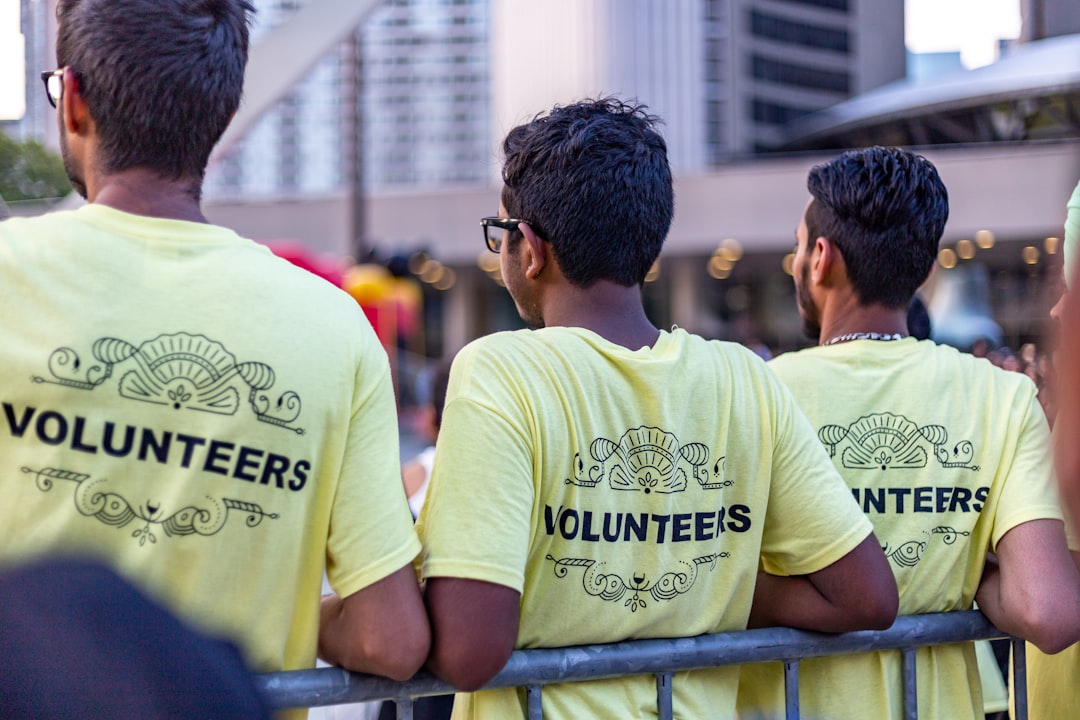
How can non-profit organizations in the GCC transform well-meaning individuals into a high-impact volunteer force? The success of charity events and non-profit retail operations hinges on effective volunteer coordination. This complex process involves strategic recruitment, meticulous management, and sustained engagement. Mastering charity event volunteer coordination is essential for maximizing fundraising outcomes and community impact across the diverse Gulf region.
The GCC’s philanthropic landscape is vibrant and growing. Consequently, events range from high-profile galas to community-driven retail pop-ups. Furthermore, cultural nuances and regulatory considerations shape volunteer management. Therefore, a structured approach is not just beneficial but necessary. This ensures both operational efficiency and compliance with local labor and volunteer guidelines.
At Allianze HR Consultancy, we’ve successfully placed 10,000+ professionals across UAE, Saudi Arabia, Qatar, and Kuwait. Furthermore, our 5+ years of GCC expertise supports clients from 50+ countries. Moreover, our Ministry of External Affairs (India) RA license ensures compliance. Therefore, contact our recruitment specialists for expert guidance on structuring your volunteer programs and workforce strategies.
Understanding GCC Volunteer Management Requirements
Volunteerism in the Gulf Cooperation Council operates within a unique cultural and legal framework. First, organizations must distinguish between paid staff and volunteers clearly. This distinction affects labor law applications and liability. Second, cultural sensitivities around working hours and gender segregation may apply. Third, event permits often require proof of adequate personnel planning.
Additionally, successful programs align with regional values of community and generosity. For instance, Ramadan and National Day celebrations see peak volunteer interest. Moreover, corporate social responsibility (CSR) initiatives frequently partner with non-profits. Therefore, understanding these dynamics is the first step. Consequently, it builds a foundation for effective charity event volunteer coordination.
Key regional considerations include:
- Adherence to local sponsorship (Kafala) system implications for long-term volunteers.
- Respect for Islamic holidays and prayer times when scheduling events.
- Understanding visa restrictions that may affect expatriate volunteer participation.
- Navigating permissions for public fundraising events from municipalities.
- Leveraging strong community and family networks for volunteer recruitment.
Charity Event Volunteer Coordination Strategic Overview
A strategic overview of charity event volunteer coordination transforms random acts of help into a reliable operational engine. This process begins with defining clear roles tied to event goals. Next, it requires targeted recruitment campaigns. Finally, it depends on robust management systems. Furthermore, strategy must account for both pre-event planning and post-event evaluation phases.
Effective coordination is a cycle, not a one-time task. First, identify the skills needed for specific functions like guest registration or retail sales. Then, create role descriptions that attract suitable candidates. Moreover, integrate training to ensure quality service. Subsequently, implement recognition programs to retain talent for future events. Therefore, a strategic view ensures sustainability.
Strategic pillars include:
- Needs Assessment: Quantifying volunteer numbers and skills for each event segment.
- Resource Alignment: Matching volunteer abilities with organizational needs precisely.
- Communication Framework: Establishing clear channels for instructions and feedback.
- Risk Management: Planning for no-shows, emergencies, and performance issues.
- Impact Measurement: Tracking volunteer contributions to event success metrics.
Legal Framework and Compliance Standards
Navigating the legal landscape is crucial for non-profits operating in the GCC. While volunteers are not employees, organizations still have duties. These include providing a safe working environment. Additionally, they involve securing necessary insurance coverage. Furthermore, compliance with International Labour Organization standards on voluntary work offers a best-practice baseline.
Local regulations vary by emirate and kingdom. For example, UAE visa and immigration services guidelines may affect long-term volunteer arrangements. In Saudi Arabia, the Saudi Ministry of Labor regulations provide a framework for all work arrangements. Therefore, consulting legal experts is prudent. Consequently, this prevents unintended violations.
Essential compliance actions include:
- Drafting clear volunteer agreements outlining roles, expectations, and liability.
- Securing event-specific insurance that covers volunteer accidents or injuries.
- Obtaining parental consent for volunteers under the local age of majority.
- Ensuring data protection compliance for volunteer information collected.
- Verifying permissions for volunteer activities in public or commercial spaces.
Charity Event Volunteer Coordination Best Practices
Implementing best practices elevates charity event volunteer coordination from administrative to strategic. First, adopt a centralized digital platform for scheduling and communication. This improves efficiency dramatically. Second, implement a structured onboarding process for all volunteers. This ensures consistency and preparedness. Third, assign dedicated volunteer managers or team leaders. These individuals provide direct support and supervision.
Moreover, recognition is a powerful retention tool. Simple thank-you events or certificates of appreciation matter significantly. Additionally, providing meals, uniforms, or transportation demonstrates respect for volunteers’ time. Furthermore, debriefing sessions after events capture feedback for improvement. Therefore, treating volunteers as valuable stakeholders builds a loyal community. Consequently, this community supports long-term organizational growth.
Proven best practices include:
- Role-Specific Training: Conduct sessions for retail cashiers, event ushers, and donation collectors.
- Shift Flexibility: Offer varied time slots to accommodate diverse volunteer availability.
- Performance Support: Provide quick-reference guides and on-site mentors during events.
- Feedback Loops: Create simple surveys to gather volunteer insights post-event.
- Succession Planning: Identify potential volunteer leaders for future event coordination roles.
Documentation and Processing Steps
Meticulous documentation streamlines charity event volunteer coordination. First, develop a standardized application form. This captures essential contact information, skills, and availability. Second, create a master database for tracking volunteer history and preferences. Third, prepare checklists for each event phase. These lists cover setup, execution, and breakdown tasks. Furthermore, clear documentation reduces confusion and ensures accountability.
Processing volunteers efficiently requires systemization. For instance, use automated confirmations for shift sign-ups. Additionally, maintain digital copies of signed waivers and codes of conduct. Moreover, certificates of participation should be prepared in advance. Therefore, a smooth administrative experience reflects professionalism. Consequently, it enhances the volunteer’s perception of the organization. This encourages repeat participation.
Essential documentation includes:
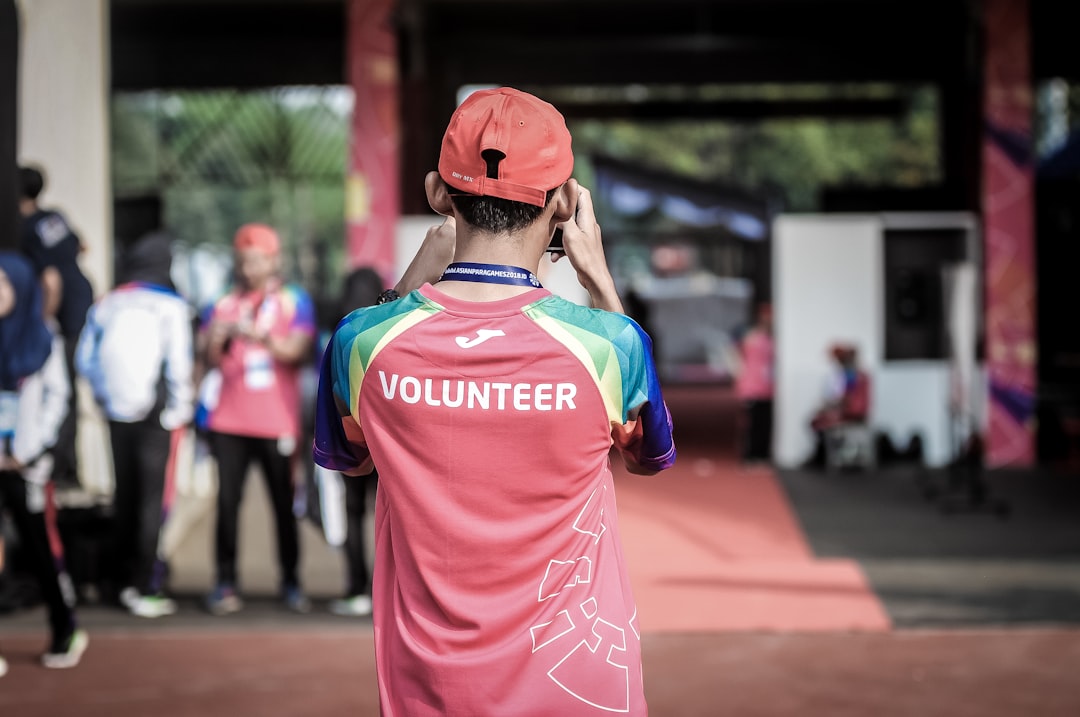
- Volunteer application and profile forms with emergency contact details.
- Liability waivers and photo release forms compliant with local laws.
- Detailed shift schedules with location maps and supervisor contact information.
- Training manuals and role-specific duty checklists.
- Attendance logs and hour-tracking sheets for recognition programs.
Charity Event Volunteer Coordination Implementation Timeline
A realistic implementation timeline is the backbone of successful charity event volunteer coordination. This process should begin 8-12 weeks before the event. The first phase involves planning and role definition. Subsequently, recruitment campaigns launch 6-8 weeks prior. Then, training sessions occur 2-3 weeks before the event. Finally, post-event follow-up happens within one week after conclusion.
Adhering to this timeline prevents last-minute crises. For example, early recruitment allows for screening and placement. Meanwhile, training close to the event ensures information retention. Moreover, immediate follow-up capitalizes on volunteer engagement while memories are fresh. Therefore, a phased approach manages workload effectively. Consequently, it leads to a more polished and professional event execution.
Sample 10-week timeline:
- Weeks 10-8: Finalize volunteer needs, create role descriptions, set up management software.
- Weeks 7-5: Launch recruitment via social media, community partners, and corporate networks.
- Weeks 4-3: Screen applicants, conduct interviews for key roles, confirm assignments.
- Weeks 2-1: Conduct mandatory training, distribute schedules and information packs.
- Event Week: Execute day-of coordination, provide on-site support, manage shift changes.
- Post-Event: Send thank-yous, distribute certificates, survey volunteers, analyze data.
Common Challenges and Solutions
Non-profit leaders frequently encounter specific challenges in volunteer coordination. First, volunteer no-shows can disrupt event operations. Second, skill mismatches may leave critical roles underperforming. Third, communication breakdowns cause confusion during execution. Additionally, managing large groups in dynamic environments like retail pop-ups is difficult. Furthermore, sustaining volunteer interest beyond a single event poses a long-term challenge.
Fortunately, proactive strategies mitigate these issues. For no-shows, maintain a standby list of pre-trained volunteers. For skill gaps, implement a simple assessment during recruitment. For communication, use dedicated group messaging apps with clear protocols. Moreover, for large group management, employ a tiered leadership structure. Therefore, anticipating problems allows for prepared solutions. Consequently, event resilience improves significantly.
Practical solutions include:
- Challenge: Last-minute cancellations. Solution: Require confirmation 48 hours prior and have backups.
- Challenge: Lack of commitment. Solution: Implement short, specific shift durations (e.g., 3-hour blocks).
- Challenge: Inadequate training retention. Solution: Provide role-specific video tutorials accessible on mobile devices.
- Challenge: Volunteer burnout. Solution: Rotate high-intensity roles and ensure adequate breaks.
- Challenge: Measuring impact. Solution: Track metrics like funds raised per volunteer hour or customer satisfaction scores.
Expert Recommendations for Success
Experts recommend integrating volunteer coordination into the organization’s core strategic planning. First, appoint a dedicated Volunteer Coordinator role, even part-time. This ensures accountability. Second, invest in relationship-building, not just transaction management. Volunteers contribute passion, not just labor. Third, leverage technology suited for non-profits. Many affordable platforms manage scheduling and communication effectively.
Furthermore, partnerships amplify reach. Collaborate with universities, corporate CSR departments, and community groups. Additionally, always align volunteer tasks with the organization’s mission. Help volunteers see their direct impact. Moreover, continuous learning is vital. Analyze each event’s volunteer data to refine future processes. Therefore, adopting a professional, data-informed approach yields superior results. Consequently, it maximizes both volunteer satisfaction and fundraising outcomes.
Top expert recommendations:
- Develop a volunteer “career path” with opportunities for increased responsibility.
- Create a branded volunteer experience with uniforms, welcome kits, and clear branding.
- Integrate volunteer management software with your donor CRM for a holistic view.
- Benchmark your practices against UN World Tourism Organization guidelines for event volunteerism.
- Foster a community through social media groups or regular volunteer newsletters.
Frequently Asked Questions About Charity Event Volunteer Coordination
What is the timeline for charity event volunteer coordination?
Effective coordination requires an 8-12 week lead time. Furthermore, recruitment should begin 6-8 weeks before the event. Therefore, early planning is essential for screening and training. Consequently, consult our specialists for a customized project plan.
What legal documents are needed for volunteer management?
Essential documents include liability waivers, codes of conduct, and role agreements. Additionally, parental consent forms are needed for minors. Moreover, organizations should consult local regulations, referencing resources like the U.S. Department of Commerce labor standards for best practices.
How do you recruit volunteers for fundraising events?
Utilize multi-channel strategies. These include social media campaigns, community bulletin boards, and corporate partnerships. Furthermore, leverage existing donor networks. Additionally, clearly communicate the impact and benefits of volunteering to attract committed individuals.
How can Allianze HR assist with volunteer program structure?
We provide expert consultancy on creating scalable, compliant volunteer frameworks. Furthermore, we help define roles, develop training modules, and establish recruitment pipelines. Moreover, our professional recruitment resources can be adapted for volunteer management systems.
What are key metrics for measuring volunteer program success?
Track volunteer retention rate, hours contributed, and cost savings versus paid staff. Additionally, measure event-specific outcomes like funds raised per volunteer. Moreover, survey satisfaction scores provide qualitative insights into program health.
How do you handle volunteer underperformance during an event?
Address issues promptly and privately. First, provide clear, constructive feedback. Second, offer additional guidance or reassign to a more suitable task. Third, document the incident for review. Therefore, maintaining respect and focusing on solutions preserves morale and event success.
Partner with Allianze HR for Volunteer Program Success
Mastering charity event volunteer coordination is a strategic imperative for non-profits in the GCC. This guide has outlined the essential components: from strategic overview and legal compliance to best practices and implementation timelines. Effective coordination boosts fundraising results, enhances community engagement, and builds a sustainable talent pipeline. Therefore, treating volunteer management with professional rigor delivers measurable organizational benefits.
Ultimately, successful programs blend clear structure with genuine human engagement. They recognize that volunteers are ambassadors and donors. Moreover, they leverage systems to free up time for relationship-building. Consequently, investing in robust charity event volunteer coordination is an investment in your mission’s long-term viability and impact.
Let Allianze HR Consultancy empower your philanthropic efforts. Our expertise in GCC workforce solutions provides a strong foundation for structuring your volunteer programs. For a tailored strategy that transforms volunteer passion into operational excellence, contact our HR specialists today. Alternatively, schedule a consultation appointment to discuss your specific event and volunteer coordination challenges.