


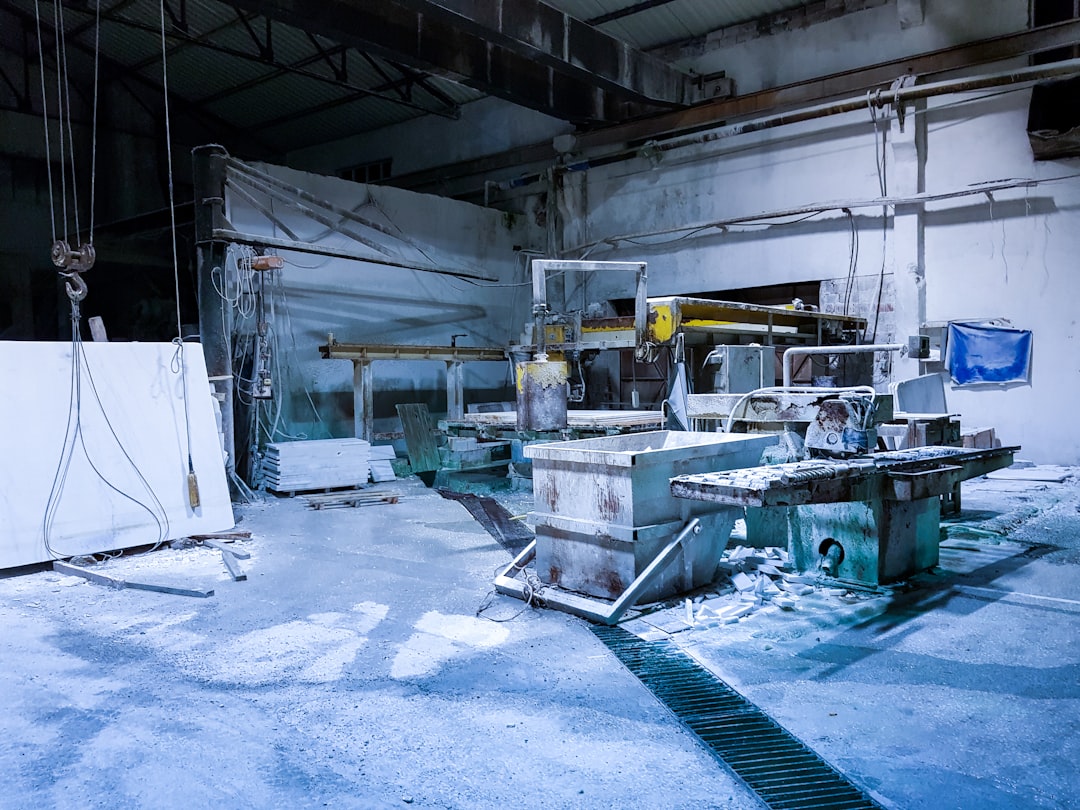
Are you struggling to build a reliable housekeeping team for your manufacturing plant? Furthermore, maintaining impeccable hygiene in a GCC production facility presents unique challenges. Consequently, strategic cleaners manufacturing facility maintenance staffing becomes a critical operational pillar. This guide provides a comprehensive framework for factory housekeeping team recruitment and management.
Manufacturing environments demand rigorous cleanliness standards. These standards prevent product contamination and ensure worker safety. Moreover, GCC labor regulations add specific compliance layers. Therefore, effective staffing requires specialized knowledge. Understanding regional nuances ensures long-term operational success and regulatory adherence.
At Allianze HR Consultancy, we’ve successfully placed 10,000+ professionals across UAE, Saudi Arabia, Qatar, and Kuwait. Furthermore, our 5+ years of GCC expertise supports clients from 50+ countries. Moreover, our Ministry of External Affairs (India) RA license ensures compliance. Therefore, contact our recruitment specialists for expert guidance on your manpower needs.
Understanding GCC Manufacturing Housekeeping Requirements
Manufacturing facility cleanliness directly impacts product quality and safety. First, different production sectors have varying hygiene protocols. For example, food processing and pharmaceutical plants require stringent standards. Conversely, metal fabrication facilities focus on debris removal. Additionally, GCC climate conditions influence cleaning schedules and methods.
Furthermore, local regulations often mandate specific housekeeping practices. These practices align with both International Labour Organization workplace safety guidelines and national codes. Therefore, employers must understand these dual requirements. A tailored approach prevents compliance issues and operational downtime.
Key considerations include:
- Chemical handling and storage protocols for cleaning agents.
- Waste disposal regulations, especially for industrial by-products.
- Personal Protective Equipment (PPE) requirements for cleaning staff.
- Shift scheduling to align with production cycles and maintenance windows.
- Language and safety training comprehensibility for a multicultural workforce.
Cleaners Manufacturing Facility Maintenance Staffing Strategic Overview
A strategic approach to cleaners manufacturing facility maintenance staffing transforms housekeeping from a cost center to a value driver. First, define the scope of work precisely. This definition includes daily, weekly, and deep-cleaning tasks. Moreover, consider facility size, layout, and hazard zones. Consequently, accurate scoping enables correct team sizing and skill matching.
Next, develop clear job descriptions and competency frameworks. These documents should outline technical skills and safety knowledge. Additionally, they must reflect GCC labor contract requirements. Furthermore, integrating these frameworks with your professional recruitment resources streamlines hiring. A structured process attracts qualified candidates efficiently.
Effective strategic planning involves:
- Conducting a facility-specific risk assessment for housekeeping activities.
- Determining the optimal mix of in-house staff versus contracted services.
- Establishing key performance indicators (KPIs) for cleanliness and efficiency.
- Creating career progression paths to reduce staff turnover.
- Aligning the housekeeping budget with operational quality goals.
Legal Framework and Compliance Standards
Navigating the GCC legal landscape is paramount for manufacturing employers. Each country has distinct labor laws, visa rules, and sector-specific regulations. For instance, Saudi Ministry of Labor regulations under Vision 2030 influence hiring practices. Similarly, UAE’s employment regulations set clear worker protection standards.
Compliance extends beyond hiring. It encompasses ongoing worker welfare, contract adherence, and end-of-service benefits. Moreover, adherence to international standards like those from the World Health Organization occupational health guidelines is often expected. Therefore, a robust compliance framework mitigates legal and reputational risk.
Essential compliance components include:
- Valid employment contracts in Arabic and the worker’s language.
- Proper visa sponsorship and work permit processing.
- Mandatory health insurance and occupational injury coverage.
- Regular wage protection system (WPS) submissions where applicable.
- Documented safety training aligned with OSHA industry standards.
Cleaners Manufacturing Facility Maintenance Staffing Best Practices
Implementing best practices ensures your cleaners manufacturing facility maintenance staffing strategy delivers results. First, prioritize candidate screening beyond basic qualifications. Look for prior experience in industrial settings. Additionally, assess aptitude for following strict safety protocols. Moreover, behavioral interviews reveal reliability and attention to detail.
Second, invest in comprehensive onboarding and continuous training. This investment covers chemical safety, equipment operation, and emergency procedures. Furthermore, training should be delivered in accessible languages. Consequently, a well-trained team performs efficiently and safely. Regular refresher courses maintain high standards as protocols evolve.
Proven best practices for employers:
- Utilize skills testing during recruitment (e.g., equipment demonstration).
- Implement a buddy system for new hire integration and knowledge transfer.
- Establish clear communication channels between housekeeping and production teams.
- Conduct regular audits and provide constructive feedback to staff.
- Recognize and reward exceptional performance to boost morale and retention.
Documentation and Processing Steps
Meticulous documentation is the backbone of compliant recruitment. The process begins with obtaining quota approval from the relevant Ministry of Labor. Next, prepare the employment offer and contract. These documents must specify job title, duties, remuneration, and working hours. Furthermore, they require alignment with GCC standard templates.
Subsequently, the visa and work permit application process starts. This stage involves medical fitness tests, biometrics, and Emirates ID applications (in UAE). Moreover, educational and experience certificates often need attestation. Therefore, maintaining an organized checklist prevents delays. Partnering with experts ensures each step meets official requirements.
Critical documentation steps include:
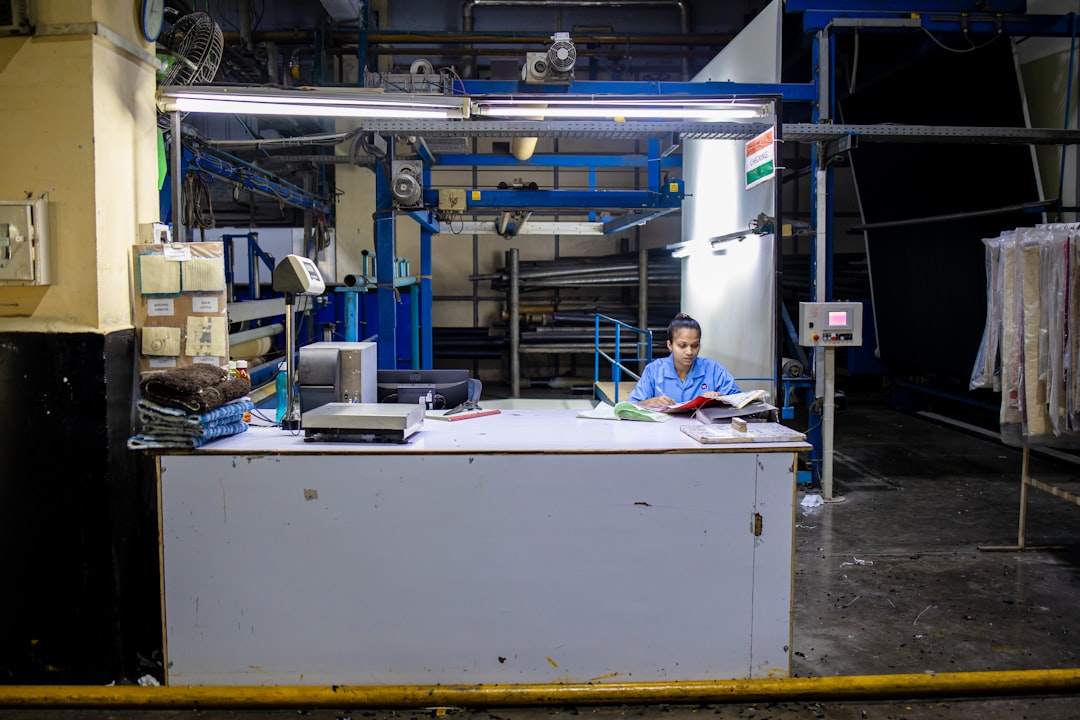
- Passport copies and photographs meeting specific country guidelines.
- Attested educational certificates and previous experience letters.
- Medical clearance certificates from approved health centers.
- Labor contract approval from the Ministry of Human Resources.
- Insurance policy documents and company sponsorship papers.
Cleaners Manufacturing Facility Maintenance Staffing Implementation Timeline
A realistic timeline for cleaners manufacturing facility maintenance staffing prevents operational gaps. Typically, the end-to-end process requires 6 to 10 weeks. However, timelines vary by GCC country and candidate nationality. First, the planning and sourcing phase takes 2-3 weeks. This phase includes finalizing requirements and beginning candidate search.
Next, selection, offer, and documentation require another 2 weeks. Subsequently, government processing for visas and permits takes 3-5 weeks. Furthermore, travel arrangements and final onboarding add extra days. Therefore, proactive planning is essential. To accelerate your timeline, schedule consultation appointment with our team early.
Sample implementation timeline:
- Weeks 1-2: Job description finalization and candidate sourcing initiation.
- Weeks 3-4: Candidate screening, interviews, and selection.
- Weeks 5-6: Contract signing, document attestation, and visa filing.
- Weeks 7-9: Government processing, medical exams, and flight booking.
- Week 10: Airport pickup, final onboarding, and deployment to facility.
Common Challenges and Solutions
Employers frequently encounter specific hurdles in factory housekeeping recruitment. High turnover rates pose a significant challenge. This issue often stems from inadequate training or unclear career paths. Conversely, cultural and language barriers can hinder safety communication. Additionally, fluctuating production schedules complicate shift management.
Another common issue is navigating frequent changes in immigration policies. GCC countries continuously refine their labor market regulations. Therefore, staying updated requires dedicated effort. Moreover, ensuring consistent quality across large or multi-shift teams is difficult. Fortunately, each challenge has a practical solution.
Effective solutions for common problems:
- Challenge: High turnover. Solution: Create clear career ladders and recognition programs.
- Challenge: Language barriers. Solution: Implement visual training aids and hire multilingual supervisors.
- Challenge: Policy changes. Solution: Partner with a consultancy that monitors World Bank trade and labor updates.
- Challenge: Inconsistent quality. Solution: Use digital checklists and real-time audit tools.
- Challenge: Scheduling conflicts. Solution: Implement flexible shift rotations aligned with production downtime.
Expert Recommendations for Success
To build a world-class manufacturing housekeeping team, adopt a proactive, strategic mindset. First, view your cleaning staff as integral to quality assurance, not just maintenance. This perspective influences investment in their training and welfare. Moreover, integrate housekeeping KPIs with overall plant performance metrics. Consequently, their contribution becomes visible and valued.
Second, leverage technology for recruitment and management. Utilize digital platforms for efficient candidate sourcing and onboarding. Furthermore, consider facility management software for task assignment and tracking. Additionally, stay informed on regional trends through authoritative sources like the International Facility Management Association. Continuous improvement ensures sustained success.
Final expert recommendations:
- Conduct annual reviews of your staffing strategy against industry benchmarks.
- Foster a culture of safety where every team member feels empowered to report hazards.
- Build relationships with specialized technical training providers for upskilling.
- Consider the total cost of employment, including retention, not just hiring costs.
- Develop a contingency plan for rapid staff replacement to avoid operational disruption.
Frequently Asked Questions About Cleaners Manufacturing Facility Maintenance Staffing
What is the timeline for cleaners manufacturing facility maintenance staffing?
The complete process typically takes 6 to 10 weeks. Furthermore, this includes sourcing, documentation, and government processing. However, timelines vary by GCC country and candidate availability. Therefore, consult our specialists for a project-specific estimate.
What documentation is required for factory housekeeping team recruitment?
Essential documents include company trade license, quota approval, employment contract, candidate passport, photos, attested certificates, and medical reports. Additionally, visa application forms and insurance documents are mandatory. Moreover, requirements can differ between Emirates and Kingdoms.
How can we reduce turnover in our manufacturing cleaning team?
Improve retention through fair compensation, clear career paths, regular training, and positive recognition. Furthermore, ensure safe working conditions and proper equipment. Moreover, fostering a respectful, inclusive work culture significantly increases long-term staff commitment.
Does Allianze HR handle bulk hiring for multiple facility locations?
Yes, we specialize in volume hiring and workforce deployment across multiple GCC locations. Furthermore, our systematic process manages screening, documentation, and logistics for large groups. Consequently, we ensure consistent quality and compliance for all your sites simultaneously.
What are the key safety certifications for industrial cleaners?
Important certifications include Hazard Communication (GHS), Chemical Handling, Lockout-Tagout (LOTO) awareness, and Fire Safety training. Additionally, equipment-specific training for floor scrubbers or high-reach equipment is crucial. Moreover, first-aid certification enhances team safety preparedness.
Can you assist with temporary or project-based staffing needs?
Absolutely. We provide flexible staffing solutions for plant shutdowns, seasonal peaks, or special projects. Furthermore, we manage all contractual, compliance, and logistical aspects. Therefore, you gain operational flexibility without administrative burden.
Partner with Allianze HR for Manufacturing Housekeeping Success
Strategic cleaners manufacturing facility maintenance staffing is a cornerstone of operational excellence in the GCC. This guide has outlined the critical steps from planning to implementation. Furthermore, we emphasized compliance, best practices, and proactive problem-solving. Consequently, a methodical approach ensures a clean, safe, and efficient production environment.
Allianze HR Consultancy offers end-to-end expertise in factory housekeeping team recruitment. Our deep regional knowledge and vast talent network streamline your hiring process. Moreover, our compliance-first approach protects your business. Therefore, transform your facility’s maintenance staffing from a challenge into a competitive advantage.
Ready to build a reliable, high-performing housekeeping team? Connect with our experts today. We provide tailored workforce solutions that align with your specific manufacturing needs and GCC regulations. Let’s discuss how we can support your operational goals and ensure long-term staffing success.