


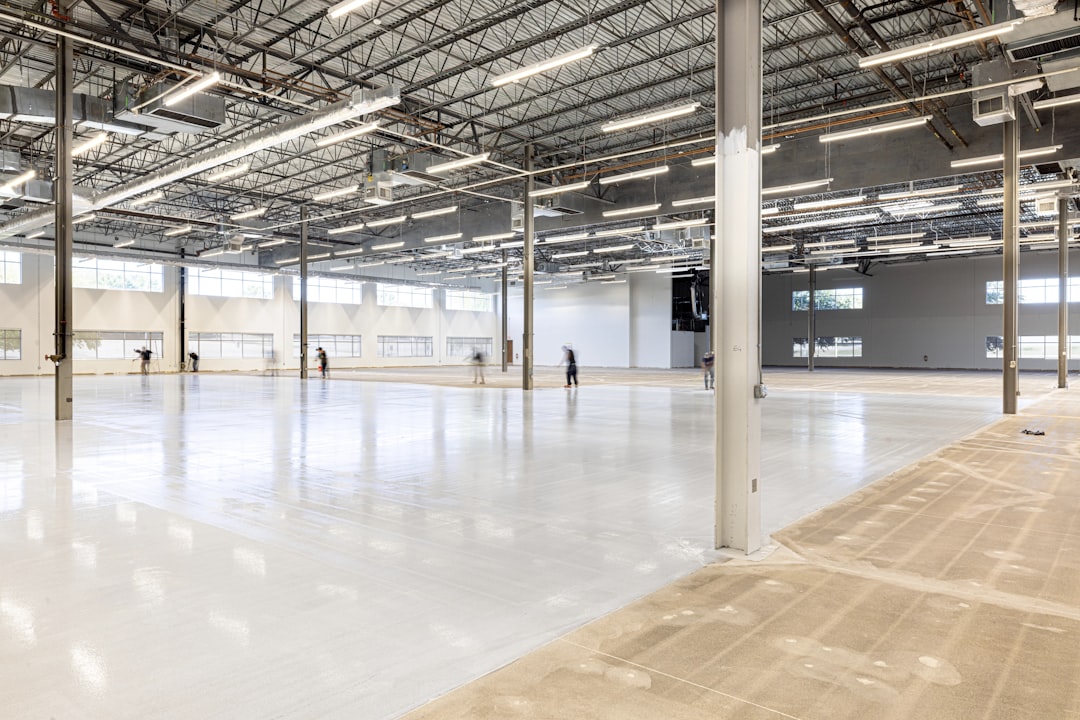
How can logistics and warehouse operators in the GCC build a high-performing, compliant housekeeping team? The efficiency of your supply chain depends on it. A clean, safe, and well-maintained warehouse is not merely an aesthetic concern. It is a critical component of operational safety, inventory protection, and regulatory compliance. Consequently, recruiting and managing a dedicated cleaning crew for warehouse facility maintenance presents unique challenges in the Gulf’s competitive labor market. This guide provides a strategic roadmap for success.
Warehouse operations across the UAE, Saudi Arabia, Qatar, and Kuwait face intense pressure. High throughput, strict safety standards, and extreme climates demand robust maintenance protocols. Furthermore, the distinction between general cleaning and specialized industrial housekeeping is significant. Therefore, a strategic approach to staffing is essential. It ensures seamless logistics, protects valuable assets, and upholds the reputation of your business in a rapidly growing sector.
At Allianze HR Consultancy, we’ve successfully placed 10,000+ professionals across UAE, Saudi Arabia, Qatar, and Kuwait. Furthermore, our 5+ years of GCC expertise supports clients from 50+ countries. Moreover, our Ministry of External Affairs (India) RA license ensures compliance. Therefore, contact our recruitment specialists for expert guidance on building your logistics support team.
Understanding GCC Warehouse Maintenance Requirements
Warehouse facility maintenance in the Gulf region extends beyond basic cleanliness. The operational environment imposes specific demands. Extreme summer heat and dust storms necessitate frequent filter changes and specialized cleaning. Additionally, high-value inventory and automated systems require careful, non-disruptive cleaning protocols. Therefore, understanding these nuances is the first step.
GCC labor laws also define clear standards for worker welfare. These standards directly impact housekeeping roles. Employers must provide appropriate personal protective equipment (PPE) for chemical handling and floor work. Moreover, adequate training on equipment like floor scrubbers and high-reach systems is mandatory. Compliance with these regulations is non-negotiable for sustainable operations.
Key considerations include adherence to local safety codes. For instance, proper storage of cleaning chemicals prevents hazardous incidents. Furthermore, scheduling maintenance during low-activity periods minimizes operational disruption. A proactive approach prevents costly downtime and safety violations. Partnering with experts who understand these regional specifics is crucial for efficiency.
- Climate-adapted cleaning schedules for dust and humidity control.
- PPE mandates for chemical handling and machinery operation.
- Specialized training for automated warehouse system cleaning.
- Strict protocols for high-bay and mezzanine level maintenance.
- Integration of green cleaning practices where possible.
- Regular audit readiness for municipal and civil defense inspections.
Cleaning Crews Warehouse Facility Maintenance Strategic Overview
A strategic overview of cleaning crews warehouse facility maintenance begins with defining scope. What areas require daily, weekly, and monthly attention? Floor maintenance, dock areas, and restrooms need daily service. Conversely, high-level lighting, ventilation ducts, and external facades require scheduled deep cleaning. Mapping these needs creates an effective staffing plan.
Furthermore, the recruitment strategy must match operational shifts. Many GCC logistics centers operate 24/7. Consequently, your housekeeping team may need multiple shifts. This requires careful coordination and supervision. Additionally, integrating the maintenance team with warehouse management ensures safety during active operations. Clear communication channels prevent accidents.
Budgeting is another critical component. Costs include salaries, equipment, consumables, and training. However, investing in quality recruitment reduces turnover and improves reliability. A stable, well-trained team performs more efficiently. Therefore, view your cleaning crew as a value center, not just a cost. They protect your primary assets and ensure uninterrupted workflow.
- Conduct a detailed site audit to define cleaning zones and frequencies.
- Align staffing schedules with warehouse operational peaks and troughs.
- Develop clear job descriptions for supervisors, technicians, and helpers.
- Budget for industrial-grade equipment and ongoing consumables.
- Establish key performance indicators (KPIs) for cleanliness and safety.
- Implement a digital reporting system for task completion and issues.
Legal Framework and Compliance Standards
Navigating the GCC legal framework is paramount for warehouse employers. Each country has distinct labor and immigration laws. For example, Saudi Arabia’s Ministry of Labor regulations govern contracts and working hours. Similarly, UAE’s Wage Protection System mandates timely salary payments. Non-compliance results in severe penalties and operational bans.
International standards also provide essential guidance. The International Labour Organization occupational safety guidelines are widely referenced. Additionally, OSHA warehousing industry standards offer best practices for material handling and chemical safety. Adhering to these frameworks demonstrates corporate responsibility.
Documentation is the backbone of compliance. Proper employment contracts, visa sponsorship, and health insurance are mandatory. Moreover, training records for equipment operation and safety drills must be maintained. Regular internal audits ensure continuous adherence. Consequently, partnering with a recruitment firm well-versed in these requirements mitigates risk significantly.
- Secure correct employment visas and work permits for all staff.
- Provide legally mandated health insurance and accommodation.
- Maintain training certificates for equipment and hazard communication.
- Conduct regular safety inspections aligned with civil defense requirements.
- Ensure all cleaning chemicals have Material Safety Data Sheets (MSDS) available.
- Implement a clear grievance redressal mechanism for workers.
Cleaning Crews Warehouse Facility Maintenance Best Practices
Implementing best practices for cleaning crews warehouse facility maintenance drives long-term success. First, invest in comprehensive onboarding. New hires must understand site-specific hazards and protocols. This reduces accidents and improves service quality. Furthermore, cross-training team members on different tasks increases flexibility. It also covers for absences without disrupting service.
Technology integration is another powerful practice. Use task management software to assign and track cleaning schedules. Digital checklists ensure no area is missed. Additionally, equipment with IoT sensors can alert supervisors to maintenance needs. This proactive approach prevents small issues from becoming major problems. It also provides valuable data for optimizing workflows.
Employee engagement is often overlooked in this sector. Recognize good performance and provide clear career pathways. A motivated team takes ownership of their workspace. Consequently, they perform better and stay longer. Regular team meetings foster communication and allow for feedback. This creates a positive, safety-oriented culture within the maintenance department.
- Develop a multi-day onboarding program covering safety, equipment, and site layout.
- Utilize digital tools for real-time task assignment and completion verification.
- Establish a preventive maintenance schedule for all cleaning machinery.
- Create a “spot recognition” program for safety and initiative.
- Schedule monthly safety refresher training and toolbox talks.
- Promote from within to build loyalty and fill supervisor roles.
Documentation and Processing Steps
The documentation process for recruiting a warehouse housekeeping team is meticulous. It begins with obtaining the necessary quota or work permit approval from the local Ministry. This step varies between free zones and mainland entities. Subsequently, candidate sourcing and selection commence. Detailed offer letters and employment contracts must be prepared in Arabic and English.
Next, the visa processing stage involves medical testing and fingerprinting. This is followed by entry permit issuance and travel coordination. Upon arrival, additional steps include Emirates ID or Iqama registration, labor contract attestation, and opening bank accounts. Each document must be meticulously verified to avoid delays. Moreover, UAE employment regulations and similar portals in other GCC states should be consulted.
Maintaining organized records is crucial for renewal processes. All documents, including attested educational certificates and previous experience letters, should be digitally archived. This simplifies annual renewal and audit processes. Furthermore, a clear handover file for supervisors ensures continuity. Therefore, systematic documentation management is a core competency for successful facility maintenance staffing.
- Collect and attest candidate passports, photos, and professional certificates.
- Prepare dual-language employment contracts specifying all terms and conditions.
- Coordinate medical fitness tests and biometric appointments.
- Manage the application for national identity cards (Emirates ID/Iqama).
- Secure mandatory health insurance policies as per local law.
- Create a digital personnel file for each employee with all documents.
Cleaning Crews Warehouse Facility Maintenance Implementation Timeline
A realistic implementation timeline for cleaning crews warehouse facility maintenance is vital for planning. The entire process, from decision to deployment, typically spans 6 to 10 weeks. The first phase involves planning and documentation, taking 1-2 weeks. This includes finalizing manpower plans, job descriptions, and budget approvals. Clarity at this stage prevents revisions later.
The recruitment and selection phase follows, lasting 2-3 weeks. Sourcing, screening, and interviewing candidates takes time to ensure quality. Subsequently, the visa and immigration process requires 3-5 weeks. This duration depends on the destination country and the efficiency of document submission. Therefore, building buffer time into the schedule is wise.
Finally, onboarding and site-specific training after arrival takes 1-2 weeks. New staff need time to acclimate and learn site protocols. Rushing this phase compromises safety and performance. A phased rollout for large teams can mitigate operational impact. Consequently, a well-structured timeline ensures a smooth, compliant, and effective team launch.
- Weeks 1-2: Needs assessment, job description finalization, and recruitment partner selection.
- Weeks 3-5: Candidate sourcing, skills testing, interviews, and selection.
- Weeks 6-9: Document collection, visa processing, medicals, and travel arrangements.
- Week 10: Arrival, final administrative processing, and commencement of induction training.
- Ongoing: Continuous performance monitoring and quarterly skills development sessions.
Common Challenges and Solutions
Employers frequently encounter challenges in warehouse maintenance staffing. High turnover is a primary issue. The perceived nature of the work can lead to attrition. Solution: Improve working conditions, offer clear career progression, and ensure fair treatment. Additionally, providing recognition and timely salary payments builds loyalty. A positive workplace culture is the best retention tool.
Another common challenge is skill mismatch. General cleaners may lack experience with industrial equipment. Solution: Implement rigorous skills assessments during hiring. Furthermore, invest in certified training programs post-hire. Partnerships with equipment suppliers can provide specialized training. This upskilling investment enhances capability and employee confidence.
Regulatory changes also pose a constant challenge. GCC labor laws evolve regularly. Solution: Work with a partner who monitors legal updates proactively. Regular compliance audits identify gaps before they become violations. Additionally, subscribing to official ministry newsletters keeps you informed. Proactive adaptation is cheaper than reactive penalty payments.
- Challenge: High turnover. Solution: Competitive packages, respectful management, and career paths.
- Challenge: Language barriers. Solution: Hire supervisors with multilingual skills and use visual training aids.
- Challenge: Equipment misuse leading to damage. Solution: Intensive hands-on training and clear accountability.
- Challenge: Scheduling conflicts with warehouse operations. Solution: Joint planning meetings with logistics managers.
- Challenge: Controlling consumable costs. Solution: Implement a monitored issuance system and bulk purchasing.
Expert Recommendations for Success
For long-term success, adopt a strategic partnership model. Do not view recruitment as a one-time transaction. Instead, partner with an HR consultancy for ongoing workforce management. This provides access to a talent pipeline for replacement or expansion needs. Furthermore, experts can advise on market salary benchmarks to keep your offers competitive.
Prioritize safety culture above all else. A clean warehouse is a safe warehouse. Empower your cleaning crew to report safety hazards without fear. Additionally, involve them in safety committee meetings. This inclusion makes them active partners in risk prevention. Moreover, regular audits using World Health Organization occupational health principles can guide improvements.
Finally, leverage data for continuous improvement. Track metrics like area coverage time, incident rates, and consumable usage. Analyze this data to optimize schedules and processes. Additionally, stay informed on sector trends through resources like the World Bank trade and logistics reports. A data-driven approach ensures your maintenance operations evolve with your business.
- Forge a long-term partnership with a specialized GCC recruitment firm.
- Conduct bi-annual reviews of your maintenance protocols and staffing levels.
- Invest in automation where possible, such as automated floor scrubbers.
- Benchmark your practices against regional industry leaders.
- Develop a succession plan to grow supervisors from within your team.
- Explore professional recruitment resources for latest insights.
Frequently Asked Questions About Cleaning Crews Warehouse Facility Maintenance
What is the timeline for cleaning crews warehouse facility maintenance recruitment?
The complete recruitment and deployment timeline typically ranges from 6 to 10 weeks. This includes planning, sourcing, visa processing, and onboarding. Furthermore, specific GCC country procedures can affect duration. Therefore, consult our specialists for a precise project plan.
What documentation is required for warehouse housekeeping staff?
Essential documents include passports, attested educational certificates, previous experience letters, passport-sized photographs, and medical fitness certificates. Additionally, the employer must provide the employment contract, visa application, and insurance documents. Proper attestation is critical for government processing.
How can we reduce turnover in our cleaning team?
Reducing turnover involves fair compensation, respectful management, and clear communication. Furthermore, providing proper tools, training, and recognition improves job satisfaction. Additionally, creating a pathway to supervisory roles encourages long-term commitment. A positive and safe work environment is fundamental.
What are the key safety certifications for this role?
Key certifications include basic fire safety, first aid, chemical handling (HazCom), and equipment-specific operation training (for scrubbers, sweepers). Additionally, training in working at heights may be required for certain facilities. These certifications ensure compliance and minimize workplace risks.
Can Allianze HR handle bulk hiring for multiple warehouse sites?
Absolutely. We specialize in volume recruitment and simultaneous deployment across multiple GCC locations. Our structured process manages screening, documentation, and logistics for large groups efficiently. This ensures consistent quality and timely staffing for your expansion or multi-site needs.
What is the difference between general cleaners and industrial warehouse cleaners?
Industrial warehouse cleaners require knowledge of heavy-duty equipment, chemical dilution ratios, and specific safety protocols for high-traffic, hazardous environments. They often handle spill response and deep cleaning of machinery