


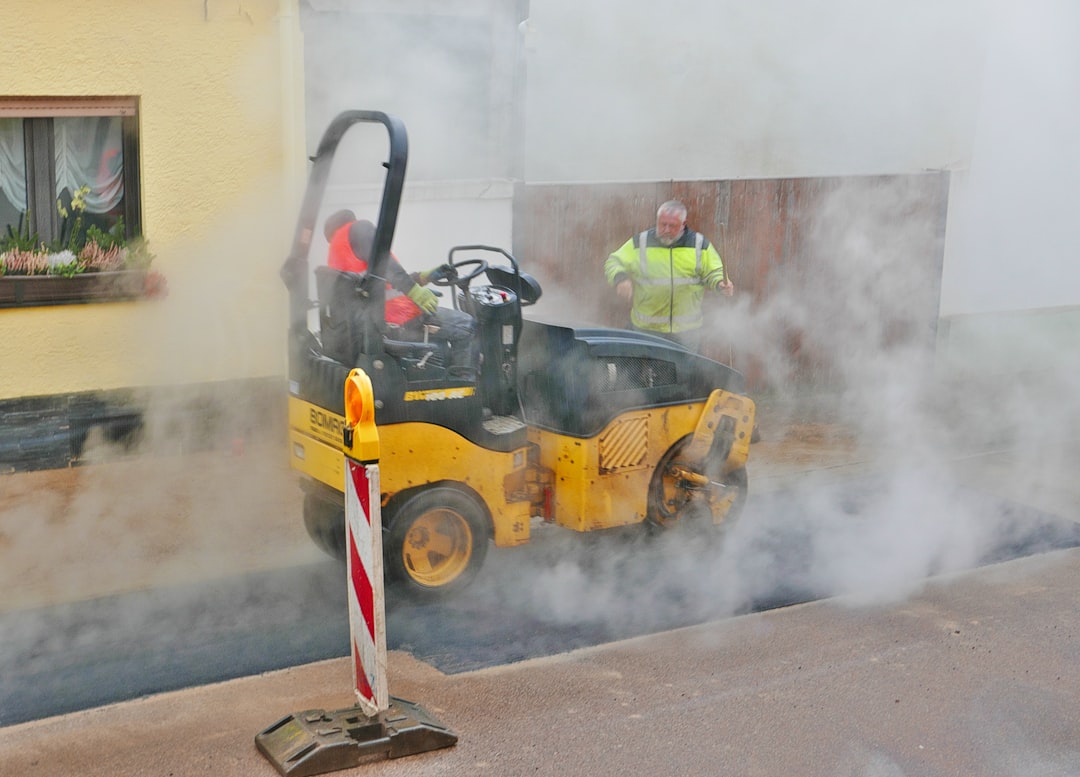
How can construction site managers in the Gulf ensure a safe, compliant, and productive work environment? The answer lies in strategic cleaning staff site maintenance. This critical function goes beyond basic tidiness. It directly impacts worker safety, project timelines, and regulatory compliance. Furthermore, GCC mega-projects demand meticulous site housekeeping. Therefore, understanding this specialized recruitment need is essential for success.
Construction sites generate significant debris, dust, and hazardous waste daily. Consequently, dedicated cleaning personnel prevent accidents and maintain operational flow. Additionally, regional regulations in the UAE, Saudi Arabia, and Qatar enforce strict cleanliness standards. Non-compliance risks severe penalties and project delays. Moreover, a well-maintained site boosts morale and reflects professional project management. This guide explores the strategic importance of this workforce segment.
At Allianze HR Consultancy, we’ve successfully placed 10,000+ professionals across UAE, Saudi Arabia, Qatar, and Kuwait. Furthermore, our 5+ years of GCC expertise supports clients from 50+ countries. Moreover, our Ministry of External Affairs (India) RA license ensures compliance. Therefore, contact our recruitment specialists for expert guidance on building your site maintenance team.
Understanding GCC Construction Site Housekeeping Requirements
Site housekeeping in the Gulf involves unique challenges. First, extreme temperatures and sand increase dust accumulation. This requires frequent suppression and removal. Second, high-rise and infrastructure projects generate complex waste streams. Third, multicultural workforces need clear, universally understood safety protocols. Therefore, a proactive cleaning strategy is non-negotiable.
Daily duties extend far beyond sweeping. Key responsibilities include debris clearance from work areas and access routes. Additionally, proper segregation of recyclable, general, and hazardous waste is mandatory. Furthermore, cleaning staff must manage spill response and dust control measures. They also maintain sanitation facilities for hundreds of workers. Consequently, recruiting trained personnel is crucial.
Authorities like the OSHA construction industry standards provide a global framework. Locally, each GCC nation has specific codes. For instance, the UAE construction sector employment guidelines emphasize worker welfare. Similarly, Saudi’s Vision 2030 projects enforce high environmental standards. Thus, employers must align their housekeeping plans with these regulations.
- Daily removal of construction debris and scrap materials.
- Segregation of waste into designated, labeled containers.
- Regular cleaning of common areas, walkways, and emergency exits.
- Maintenance of toilet and washing facilities to hygienic standards.
- Control of dust through sweeping, wetting, or vacuuming.
- Immediate cleanup of chemical or oil spills following safety protocols.
Cleaning Staff Site Maintenance Strategic Overview
A strategic approach to cleaning staff site maintenance transforms it from a cost to a value driver. First, it mitigates slip, trip, and fall hazards, which are leading causes of construction injuries. Second, it ensures unobstructed access for equipment and deliveries. This prevents costly workflow interruptions. Third, it supports environmental compliance and sustainability goals. Therefore, integrating housekeeping into the project plan is essential.
Recruitment strategy must match project phase and scale. For example, a high-rise tower requires teams for different floors and waste chute management. Conversely, a horizontal infrastructure project needs mobile teams for large areas. Furthermore, specialized tasks like facade cleaning or post-demolition cleanup require specific skills. Hence, workforce planning should be dynamic and scalable.
Effective management involves clear reporting structures. Typically, cleaning supervisors report to the site manager or HSE officer. Additionally, daily briefings should outline priority zones and special hazards. Moreover, providing proper Personal Protective Equipment (PPE) is a legal and ethical duty. Resources from the International Labour Organization construction safety portal reinforce these practices. Consequently, a systematic approach ensures consistency and accountability.
Legal Framework and Compliance Standards
Navigating the GCC’s legal landscape is paramount. Each country mandates specific health, safety, and environment (HSE) codes. Non-compliance can result in fines, work stoppages, or even blacklisting. Therefore, employers must stay informed about evolving regulations. Additionally, many projects require third-party HSE audits. A well-documented housekeeping program is a key audit component.
Core compliance areas include waste management licensing. Transporting and disposing of construction waste often requires government permits. Furthermore, worker accommodations, if provided on-site, must meet hygiene standards set by ministries of health. Also, the World Health Organization workplace standards offer guidelines for sanitation. Adhering to these protects worker health and demonstrates corporate responsibility.
Documentation proves compliance. Employers must maintain records of training, safety inductions, equipment inspections, and waste disposal tickets. Moreover, contracts for cleaning staff must align with local labor laws regarding wages, hours, and benefits. The World Bank infrastructure development reports often highlight regulatory trends. Thus, meticulous record-keeping is as important as the physical cleaning work itself.
- Adherence to national HSE regulations (e.g., UAE’s Ministerial Decree 32).
- Secure proper waste disposal permits from municipal authorities.
- Provide mandatory safety training and keep attendance records.
- Ensure employment contracts comply with GCC labor law provisions.
- Pass regular inspections by civil defense and municipality officials.
- Maintain manifests for hazardous waste tracking from cradle to grave.
Cleaning Staff Site Maintenance Best Practices
Implementing cleaning staff site maintenance best practices maximizes efficiency and safety. First, establish a color-coded waste segregation system on-site. This simplifies recycling and hazardous material handling. Second, schedule cleaning during low-activity periods to minimize interference. However, critical path areas may need continuous attention. Therefore, flexibility within the plan is important.
Investing in quality equipment yields long-term returns. Industrial-grade sweepers, wet/dry vacuums, and high-pressure washers complete tasks faster. Additionally, providing ergonomic tools reduces worker fatigue and injury risk. Moreover, digital tools like task management apps can assign zones and track completion. Consequently, technology enhances traditional housekeeping methods.
Training is the cornerstone of effective operations. Staff must understand not just “how” but “why.” For example, training should cover the fire hazards of accumulated combustible waste. Furthermore, cross-training in basic first aid and spill response adds value. Regular refresher courses, as suggested by global International Labour Organization standards, keep skills sharp. Hence, continuous learning fosters a culture of safety and professionalism.
Documentation and Processing Steps for Recruitment
Recruiting cleaning staff for construction sites follows a structured process. Initially, define the job description with clear duties, shift patterns, and physical requirements. Next, determine the employment model: direct hire or outsourced through a manpower agency. Each model has different compliance responsibilities. Therefore, careful consideration is needed based on project duration and scale.
The documentation phase is critical. Required papers typically include signed employment contracts, passport copies, and photographs. Additionally, educational and experience certificates may need attestation. Furthermore, medical fitness certificates from approved centers are mandatory for visa processing. Subsequently, applications proceed to relevant ministries for work permit and visa issuance.
Partnering with an experienced recruiter streamlines this complex workflow. A specialist handles document collection, verification, and submission. Moreover, they manage pre-departure orientations and travel logistics. This allows your project team to focus on core construction activities. For a detailed roadmap, explore our professional recruitment resources. Ultimately, a systematic process prevents delays and ensures a compliant, ready-to-work team.

Cleaning Staff Site Maintenance Implementation Timeline
A realistic timeline for cleaning staff site maintenance team deployment is 6 to 10 weeks. The first week involves finalizing manpower plans and initiating recruitment. Sourcing and screening candidates typically takes 2-3 weeks. Subsequently, document processing and visa approvals require another 3-4 weeks. Finally, travel arrangements and site induction take approximately one week. Therefore, advance planning is essential.
Several factors can influence this timeline. These include changes in government processing speeds, candidate availability, and the completeness of submitted documents. Additionally, peak construction seasons in the GCC may slow down processing. Conversely, using a pre-vetted talent pool can accelerate sourcing. Hence, building a relationship with a reliable recruitment partner provides predictability.
To ensure a smooth start, onboarding is key. The first day should include site-specific safety inductions, PPE distribution, and team introductions. Furthermore, clearly defining reporting lines and daily routines sets expectations. Monitoring the team’s initial performance allows for quick adjustments. Consequently, a well-managed implementation phase establishes a foundation for long-term site cleanliness and safety.
Common Challenges and Proactive Solutions
Employers often face predictable challenges in site housekeeping. High staff turnover can disrupt consistency. To counter this, offer competitive packages and recognize good performance. Additionally, language barriers may hinder instruction comprehension. Solution: use visual guides, multilingual supervisors, and simple signage. Furthermore, managing waste in remote project locations is difficult. Partnering with licensed waste removal services in advance solves this.
Another common issue is integrating cleaning staff with other trade workers. Sometimes, their role is undervalued. Promoting a “safety is everyone’s job” culture addresses this. Specifically, include housekeeping in daily toolbox talks. Moreover, fluctuating waste volumes can overwhelm static teams. Implementing a scalable labor model, with part-time or temporary workers for peak periods, provides flexibility.
Budget constraints often lead to under-investment in equipment. This is a false economy. Instead, consider equipment leasing or sharing between non-competing sites. Additionally, training gaps can lead to unsafe practices. Regular, certified training programs are the solution. For expert strategies on overcoming these hurdles, schedule consultation appointment with our team. Proactively addressing these challenges ensures uninterrupted site operations.
Expert Recommendations for Long-Term Success
For sustained excellence, integrate housekeeping into your site’s overall safety management system. First, appoint a dedicated HSE officer with authority over cleaning operations. Second, conduct unannounced spot checks to maintain standards. Third, leverage data by tracking metrics like waste recycling rates or incident reports related to housekeeping. This data-driven approach identifies areas for improvement.
Invest in your cleaning staff’s career development. Offering pathways to become supervisors or HSE assistants boosts retention. Additionally, involve them in safety committee meetings. This gives them a voice and provides ground-level insights. Moreover, consider sustainability. Implementing robust recycling reduces landfill costs and supports corporate ESG goals. Reports from the World Bank emphasize green construction’s growing importance.
Finally, choose your recruitment partner wisely. Look for agencies with specific construction sector experience and a verifiable compliance record. They should understand the physical and regulatory demands of GCC sites. Furthermore, they must have a reliable sourcing network for quality candidates. A true partner becomes an extension of your project management team, ensuring your site maintenance staff are capable, compliant, and committed.
Frequently Asked Questions About Cleaning Staff Site Maintenance
What is the timeline for cleaning staff site maintenance team deployment?
Timeline typically ranges 6-10 weeks depending on country requirements. Furthermore, documentation preparation affects processing speed. Therefore, consult our specialists for accurate estimates based on your project location and scale.
What documentation is required for site housekeeping recruitment?
Required documents include employment contracts, visa applications, medical certificates, and educational credentials. Additionally, country-specific requirements vary. Moreover, attestation procedures apply for all documents before submission to GCC authorities.
What are the key duties of construction cleaning staff?
Key duties involve daily debris removal, waste segregation, sanitation facility upkeep, dust control, and spill response. Furthermore, they maintain clear access routes and emergency exits, which are critical for overall site safety and compliance.
How does Allianze HR ensure legal compliance for recruitment?
We maintain Ministry-approved RA license status under The Emigration Act, 1983. Additionally, our team monitors GCC labor law changes continuously. Moreover, we conduct thorough documentation verification at every recruitment stage to prevent compliance issues.
What is the difference between general cleaners and construction site cleaners?
Construction site cleaners require specific safety training for hazardous environments. They handle industrial waste, work at height protocols, and understand construction workflow. Conversely, general cleaners typically work in finished, controlled indoor settings.
Can you manage bulk recruitment for multiple site locations?
Yes. We specialize in volume hiring and simultaneous deployment across multiple GCC project sites. Our scalable processes and extensive talent network ensure timely staffing for large-scale and multi-location construction projects.
Partner with Allianze HR for Site Maintenance Success
Effective cleaning staff site maintenance is a strategic pillar of successful construction management in the GCC. It safeguards your workforce, ensures regulatory compliance, and protects project timelines. Moreover, it enhances your company’s reputation for professionalism and safety. This guide has outlined the requirements, best practices, and implementation pathways. The complexities of recruitment and compliance, however, are best navigated with expert support.
Allianze HR Consultancy provides end-to-end solutions for your site housekeeping needs. We handle the entire recruitment lifecycle, from sourcing qualified candidates to managing visa processing and deployment. Furthermore, our deep understanding of GCC labor markets and construction sector dynamics ensures a perfect fit for your project’s specific demands. Therefore, partnering with us transforms a logistical challenge into a competitive advantage.
Do not let site housekeeping be an afterthought. Proactively building a skilled and compliant cleaning team is an investment in your project’s safety and efficiency. Let our expertise guide you. For a tailored strategy and access to our pre-vetted talent pool, reach out today. Contact our HR specialists to discuss your construction site maintenance staffing requirements and ensure your project’s foundation is as strong as your structures.