


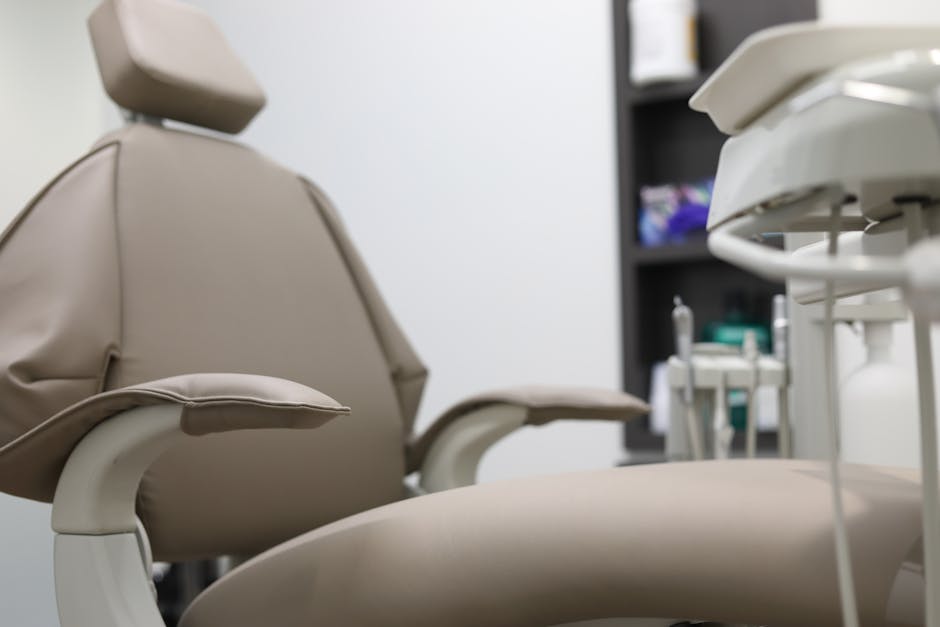
How can healthcare providers in the GCC ensure their facilities operate flawlessly while meeting stringent hygiene and regulatory standards? Clinic FM services facility management is the critical answer. This specialized discipline integrates property maintenance, technical staffing, and rigorous hygiene protocols. Consequently, it directly impacts patient safety, operational efficiency, and regulatory compliance. For healthcare employers across the Gulf, mastering this function is non-negotiable for sustainable success.
The GCC healthcare sector is experiencing unprecedented growth and modernization. Governments are investing heavily in medical infrastructure. Therefore, the demand for specialized facility management within clinics and medical centers has surged. This field goes beyond basic cleaning. It encompasses biomedical equipment maintenance, infection control, and specialized staffing. Moreover, regional regulations like the UAE’s sustainable building standards and Saudi Arabia’s Ministry of Labor regulations add layers of complexity. Effective management ensures clinics remain safe, compliant, and patient-ready.
At Allianze HR Consultancy, we’ve successfully placed 10,000+ professionals across UAE, Saudi Arabia, Qatar, and Kuwait. Furthermore, our 5+ years of GCC expertise supports clients from 50+ countries. Moreover, our Ministry of External Affairs (India) RA license ensures compliance. Therefore, contact our recruitment specialists for expert guidance on building your healthcare facility management team.
Understanding GCC Healthcare Facility Requirements
Healthcare facilities in the Gulf face unique operational challenges. The region’s climate demands robust HVAC and humidity control systems. These systems are vital for patient comfort and medical equipment longevity. Additionally, infection prevention and control (IPC) standards are exceptionally strict. Clinics must adhere to guidelines from bodies like the World Health Organization on indoor air quality.
Furthermore, GCC labor laws require specific skill certifications for technical staff. Biomedical technicians and sterilization specialists need verified credentials. Moreover, cultural considerations influence facility design and staffing. Patient privacy and gender-specific areas are paramount. Consequently, facility managers must navigate both technical and cultural nuances. This requires a deep understanding of local expectations and international best practices.
Key components include:
- Preventive maintenance schedules for medical and non-medical equipment.
- Strict waste management protocols for clinical, chemical, and general waste.
- Specialized staffing for sterile services departments and biomedical engineering.
- Continuous monitoring of water, air, and surface hygiene standards.
- Compliance with local civil defense and health authority regulations.
Clinic FM Services Facility Management Strategic Overview
A strategic approach to clinic FM services facility management transforms reactive upkeep into proactive excellence. This strategy aligns physical assets with clinical outcomes. First, it begins with a comprehensive facility audit. This audit assesses the building’s condition, equipment lifecycle, and workflow efficiency. Next, a tailored management plan is developed. This plan prioritizes critical systems like emergency power and medical gas supplies.
Moreover, staffing strategy is integral. Technical roles require specific certifications. For instance, HVAC technicians in clinics need training in infection control airflow. Similarly, maintenance staff must understand cleanroom protocols. Therefore, recruitment focuses on both skill and sector-specific knowledge. Partnering with a specialist like Allianze ensures access to this niche talent pool. Our professional recruitment resources streamline this complex process.
Ultimately, the goal is creating a healing environment. A well-managed facility reduces clinician stress and patient anxiety. It also minimizes costly downtime for critical equipment. Consequently, strategic FM is an investment in clinical quality and financial performance. It ensures the facility supports, rather than hinders, healthcare delivery.
Legal Framework and Compliance Standards
Navigating the legal landscape is a cornerstone of medical facility management. GCC countries enforce rigorous health facility licensing regulations. These regulations cover everything from space per patient to ventilation rates. Additionally, international standards like those from the International Labour Organization on workplace safety often inform local codes. Compliance is not optional; it is mandatory for operation.
Documentation is equally critical. Maintenance logs, staff training records, and audit reports must be meticulously maintained. Health authority inspections can occur without notice. Therefore, real-time documentation readiness is essential. Furthermore, contractor management carries significant liability. All third-party service providers must have valid licenses and insurance. Their staff must also undergo health and safety induction specific to the clinic.
Key compliance areas include:
- Adherence to national infection prevention and control (IPC) manuals.
- Regular fire safety and medical gas system certifications.
- Environmental health standards for pest control and water quality.
- Medical equipment calibration and maintenance as per manufacturer and MOH guidelines.
- Staff health screening and immunization records as per policy.
Clinic FM Services Facility Management Best Practices
Implementing best practices elevates clinic FM services facility management from adequate to exceptional. First, adopt a technology-enabled Computerized Maintenance Management System (CMMS). This system schedules preventive tasks, tracks work orders, and manages inventory. Consequently, it reduces equipment failure and extends asset life. Moreover, data from the CMMS informs capital planning and budget justification.
Second, integrate hygiene into every process. This goes beyond scheduled cleaning. It involves selecting easy-to-clean materials, defining traffic flow to minimize contamination, and using color-coded cleaning tools. Training is crucial here. All staff, including security and administrative personnel, must understand basic infection control principles. Resources from the International Facility Management Association offer valuable frameworks.
Finally, foster a culture of safety and ownership. Encourage staff to report maintenance issues immediately. Implement a simple, non-punitive reporting system. Recognize teams for maintaining high standards. This cultural element ensures protocols are followed consistently. It turns policy into daily practice, creating a resilient and self-correcting facility environment.
Documentation and Processing Steps
Robust documentation forms the backbone of accountable facility management. The process starts with comprehensive asset registers. Every piece of equipment, from an MRI machine to a fire extinguisher, needs a unique ID. This ID links to its purchase date, warranty, service manual, and maintenance history. Subsequently, this register drives all scheduled activities and budget forecasts.
Next, establish clear Standard Operating Procedures (SOPs). SOPs detail every critical task, such as handling a water leak in a clinical area or responding to a HVAC failure. These documents ensure consistency and quality. They also serve as essential training tools for new staff. Furthermore, all contractor work must be governed by service level agreements (SLAs). SLAs define response times, performance metrics, and penalty clauses.
Essential documents include:

- Facility Risk Assessments and Mitigation Plans.
- Preventive Maintenance Schedules and completed work orders.
- Staff training matrices and competency assessment records.
- Incident and accident investigation reports.
- Health authority inspection reports and corrective action plans.
Clinic FM Services Facility Management Implementation Timeline
Implementing a robust clinic FM services facility management program requires phased execution. A typical project spans 12 to 26 weeks. The first phase, Assessment and Planning (Weeks 1-4), involves detailed audits and strategy development. This phase sets the foundation. All stakeholders must align on scope, standards, and key performance indicators.
The second phase, System and Team Setup (Weeks 5-12), is the most intensive. Here, technology systems like CMMS are procured and configured. Concurrently, the recruitment and onboarding of specialized FM staff occurs. This includes roles like Facility Manager, Biomedical Technician, and Hygiene Supervisors. Partnering with Allianze accelerates this phase. We provide pre-vetted candidates who understand GCC healthcare standards. You can schedule a consultation appointment to plan your staffing needs.
The final phase, Go-Live and Optimization (Weeks 13-26+), sees all new processes activated. Initial weeks focus on training and adjustment. Subsequently, continuous monitoring and refinement begin. Performance data is reviewed monthly. The system matures, driving efficiency and reliability. This structured timeline ensures a smooth transition without disrupting clinical operations.
Common Challenges and Solutions
Healthcare facility managers in the GCC encounter several predictable challenges. First, sourcing technically skilled staff who also understand healthcare environments is difficult. The solution lies in partnering with specialized recruitment agencies. These agencies have networks and screening processes for niche roles. They ensure candidates have both the technical skill and the necessary sector awareness.
Second, balancing cost control with uncompromising quality is a constant tension. Reactive repairs are often more expensive than planned prevention. Therefore, the solution is investing in a strong preventive maintenance program. Data from the CMMS justifies this investment by showing cost avoidance. Additionally, exploring energy-efficient upgrades, guided by World Bank urban development insights, can reduce long-term operational costs.
Third, keeping pace with evolving regulations is daunting. Health authority requirements can change frequently. The solution is designating a compliance officer within the FM team. This officer subscribes to official updates and conducts regular gap analyses. Furthermore, attending industry forums and training ensures the team stays ahead of new standards, maintaining continuous compliance.
Expert Recommendations for Success
To achieve excellence in medical facility management, follow these expert recommendations. First, secure executive-level buy-in. Facility management is a strategic function, not just a cost center. Present it as integral to patient safety and risk management. When leadership understands its value, securing budget and resources becomes easier.
Second, integrate FM with clinical governance. The Facility Manager should participate in key clinical meetings. This integration ensures the physical environment supports new medical technologies and care pathways. For example, introducing a new surgical service requires FM planning for utilities, waste, and cleaning.
Finally, never compromise on staff quality. Your FM team are the guardians of your clinical environment. Invest in their continuous training and professional development. Encourage certifications from bodies like the World Health Organization on healthcare worker safety. A skilled, motivated team is your most reliable asset for maintaining a world-class healthcare facility.
Frequently Asked Questions About Clinic FM Services Facility Management
What is the timeline for clinic FM services facility management setup?
A full implementation typically takes 12 to 26 weeks. The timeline includes assessment, system setup, specialized staffing, and process optimization. Furthermore, clinic size and existing infrastructure affect duration. Therefore, consult our specialists for a customized project plan.
What staffing is critical for medical facility operations?
Critical roles include a Facility Manager, Biomedical Equipment Technicians, HVAC specialists with IPC knowledge, and Hygiene Supervisors. Additionally, skilled electricians and plumbers familiar with healthcare standards are essential. Moreover, all staff require ongoing training in infection control protocols.
How do you ensure compliance with GCC health authority standards?
Compliance requires a dedicated officer, regular internal audits, and subscription to official regulatory updates. Furthermore, all maintenance activities and staff competencies must be meticulously documented. Additionally, engaging with pre-vetted contractors who understand healthcare compliance is crucial for consistent adherence.
What technology supports effective healthcare FM?
A Computerized Maintenance Management System (CMMS) is fundamental. Additionally, IoT sensors for monitoring temperature, humidity, and equipment performance are valuable. Furthermore, digital logbooks for hygiene rounds and contractor management software streamline operations and ensure accountability.
Can Allianze HR source specialized healthcare FM staff?
Yes, we specialize in recruiting for niche technical roles within healthcare settings. Our network includes certified biomedical technicians, sterilization experts, and facility managers with proven GCC experience. We verify both technical skills and understanding of clinical environment protocols.
How is clinic FM different from general commercial FM?
Clinic FM operates under vastly higher regulatory scrutiny for infection control and life safety. It involves specialized medical equipment maintenance and clinical waste management. The stakes are directly tied to patient health outcomes, requiring stricter protocols, faster response times, and staff with specific healthcare training.
Partner with Allianze HR for Healthcare Facility Success
Effective clinic FM services facility management is a strategic imperative in the modern GCC healthcare landscape. It directly influences patient trust, clinical outcomes, and regulatory standing. This guide has outlined the critical components: from strategic planning and compliance to specialized staffing and best practices. Mastering these elements ensures your facility is not just maintained, but optimized for healing and efficiency.
The complexity of recruiting and managing specialized technical staff remains a significant hurdle for many providers. This is where a proven partner adds immense value. Allianze HR Consultancy delivers end-to-end recruitment solutions for the healthcare FM sector. We understand the unique blend of technical and regulatory skills required. Moreover, our deep GCC expertise and compliant processes mitigate your operational risk.
Do not let staffing challenges compromise your facility’s standards or safety. Take the next step toward operational excellence. Explore our professional recruitment resources or speak directly with our team. Contact Allianze HR today to build a facility management team that meets the highest standards of care and compliance.