



How can GCC employers truly measure coaching return on investment? Furthermore, executive coaching and leadership development represent significant investments. Therefore, quantifying their impact becomes essential for strategic HR planning. Coaching ROI measuring impact provides the framework for this evaluation. Moreover, it links soft skills development to tangible business outcomes across Gulf markets.
Additionally, the GCC’s competitive talent landscape demands proven development strategies. Consequently, organizations seek data-driven validation for coaching expenditures. Specifically, they need to track behavioral shifts and performance improvements. Meanwhile, regional business culture values demonstrable results and accountability. Thus, a structured measurement approach aligns coaching with organizational goals.
At Allianze HR Consultancy, we’ve successfully placed 10,000+ professionals across UAE, Saudi Arabia, Qatar, and Kuwait. Furthermore, our 5+ years of GCC expertise supports clients from 50+ countries. Moreover, our Ministry of External Affairs (India) RA license ensures compliance. Therefore, contact our recruitment specialists for expert guidance on talent development strategies.
Understanding GCC Talent Development Requirements
GCC organizations face unique talent development challenges. First, rapid economic diversification requires new leadership capabilities. Second, multicultural workforces need culturally intelligent coaching approaches. Third, nationalization policies (like Saudization and Emiratisation) create specific upskilling needs. Consequently, coaching programs must address these regional dynamics effectively.
Moreover, successful development initiatives require careful planning. For example, coaching objectives must align with both business and cultural goals. Additionally, measurement systems should respect regional communication styles. Furthermore, evaluation timelines must consider GCC business cycles. Therefore, localization of coaching frameworks proves critical.
Key considerations for GCC coaching programs include:
- Alignment with Vision 2030 and similar national transformation agendas
- Integration with existing performance management systems
- Respect for hierarchical organizational structures common in the region
- Measurement of both individual growth and team performance impact
- Consideration of English/Arabic language preferences in assessment tools
- Compliance with local labor laws regarding training and development
Finally, organizations should establish clear baseline metrics. Specifically, pre-coaching assessments provide crucial comparison data. Meanwhile, regular check-ins maintain momentum and accountability. Consequently, structured approaches yield the most reliable ROI data for leadership review.
Coaching ROI Measuring Impact Strategic Overview
A strategic overview of coaching ROI measuring impact begins with purpose. Why measure coaching effectiveness? Primarily, it justifies continued investment in human capital. Additionally, it identifies the most valuable coaching methodologies for your organization. Furthermore, it demonstrates HR’s contribution to strategic objectives. This measurement framework transforms subjective feedback into objective business intelligence.
Moreover, effective ROI strategy encompasses multiple data types. First, quantitative metrics include productivity and retention figures. Second, qualitative data captures behavioral and cultural changes. Third, financial analysis calculates actual return against investment. Therefore, a blended measurement approach provides comprehensive insights. For instance, combining sales data with 360-degree feedback paints a complete picture.
Implementing this strategy requires several key steps. Initially, define specific, measurable coaching objectives aligned to business goals. Subsequently, select appropriate data collection methods and tools. Meanwhile, establish clear timelines for pre, during, and post-coaching assessment. Furthermore, ensure stakeholder buy-in from participants and their managers. Consequently, this systematic approach yields actionable, credible results.
Ultimately, the strategic goal is continuous improvement. Coaching ROI measuring impact should inform future program design. Additionally, it should highlight individual and organizational development needs. Moreover, it must communicate value to executive leadership clearly. Thus, a robust strategy turns coaching from cost center to value driver.
Legal Framework and Compliance Standards
GCC coaching initiatives operate within specific legal parameters. First, labor laws in UAE, Saudi Arabia, and Qatar address training obligations. For example, some regulations require certain training investments for expatriate staff. Additionally, nationalization programs often mandate leadership development for local talent. Therefore, compliance forms part of the coaching ROI context.
Moreover, data collection for coaching measurement involves privacy considerations. Specifically, personal development data requires careful handling under regional norms. Furthermore, performance information must be managed ethically and confidentially. Consequently, measurement processes should align with both local laws and international best practices. The International Labour Organization guidelines provide useful frameworks.
Key compliance areas for coaching evaluation include:
- Adherence to UAE’s Federal Decree-Law No. 33 on data protection
- Compliance with Saudi Arabia’s Personal Data Protection Law (PDPL)
- Respect for Islamic principles in assessment content and methodology
- Alignment with corporate governance requirements in each GCC state
- Proper documentation of coaching agreements and evaluation consent
- Ethical use of assessment results in promotion and compensation decisions
Furthermore, UAE government employment regulations emphasize workforce development. Similarly, Saudi Arabia’s Human Resources Development Fund (HRDF) supports training initiatives. Therefore, understanding available incentives and requirements optimizes program design. Ultimately, compliant measurement strengthens program legitimacy and sustainability.
Coaching ROI Measuring Impact Best Practices
Adopting best practices for coaching ROI measuring impact ensures reliable results. First, start with the end in mind by linking coaching to key performance indicators. For instance, connect leadership coaching to team engagement scores. Additionally, align sales coaching directly to revenue growth metrics. This practice creates clear lines of sight from intervention to outcome.
Moreover, utilize a multi-rater feedback system (360-degree assessments). Specifically, collect perceptions from managers, peers, and direct reports. Furthermore, compare these results before and after coaching engagements. Consequently, you capture comprehensive behavioral change data. This method provides a holistic view of development impact beyond self-assessment.
Another best practice involves tracking leading and lagging indicators. Leading indicators might include increased feedback frequency or better meeting effectiveness. Meanwhile, lagging indicators encompass improved retention or higher customer satisfaction. Therefore, monitoring both provides early signals and ultimate proof of value. Coaching ROI measuring impact benefits from this dual perspective.
Additionally, calculate tangible and intangible returns separately. Tangible returns include productivity gains or reduced recruitment costs. Conversely, intangible returns cover improved innovation or stronger culture. Moreover, use control groups where possible to isolate coaching effects. Finally, present findings in business language that resonates with financial decision-makers. These practices transform coaching evaluation from HR activity to business intelligence.
Documentation and Processing Steps
Effective documentation systematizes the coaching ROI measurement process. First, create a coaching engagement charter for each participant. This document should outline goals, success metrics, and evaluation methods. Additionally, it must define roles, timelines, and confidentiality parameters. Consequently, it establishes clear expectations and measurement foundations from the outset.
Moreover, develop standardized data collection templates. For example, use consistent pre- and post-coaching survey instruments. Furthermore, establish protocols for collecting business metric data. Meanwhile, ensure secure storage and ethical handling of all assessment information. Therefore, proper documentation supports both analysis and compliance requirements.
Key processing steps for ROI calculation include:
- Step 1: Isolate the effects of coaching using control groups or trend analysis
- Step 2: Convert business outcomes to monetary values using standard formulas
- Step 3: Tabulate fully loaded coaching program costs (coach fees, participant time, etc.)
- Step 4: Calculate ROI using standard formula: (Net Benefits / Program Costs) x 100
- Step 5: Identify and report intangible benefits that resist monetary conversion
- Step 6: Conduct validity checks to ensure credibility of calculations and assumptions
Furthermore, process documentation should include stakeholder communication plans. Specifically, determine how and when to share results with participants and sponsors. Additionally, create templates for executive summary reports that highlight key findings. Consequently, thorough processing transforms raw data into compelling business stories. This documentation becomes invaluable for future program planning and budgeting.
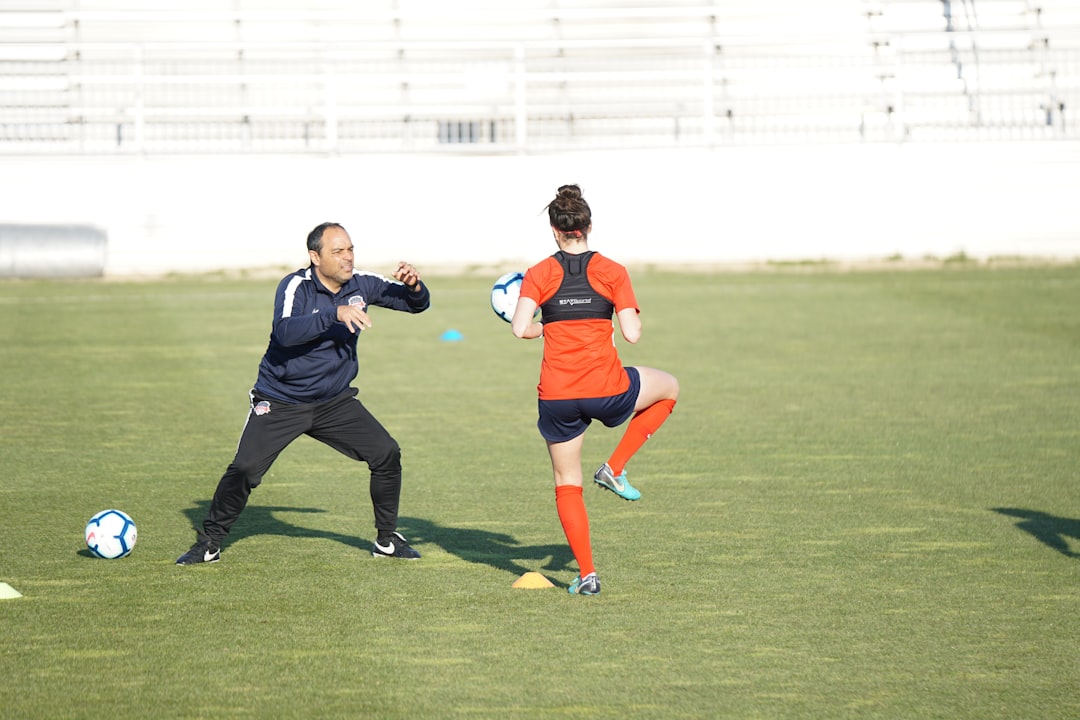
Coaching ROI Measuring Impact Implementation Timeline
A realistic implementation timeline structures the measurement journey. Typically, a complete coaching ROI measuring impact cycle spans 6-12 months. This duration allows for meaningful behavioral change and business impact manifestation. Moreover, it accommodates data collection at multiple intervals for trend analysis.
Month 1-2 focuses on foundation building. First, establish measurement objectives aligned with business goals. Second, select assessment tools and customize for organizational context. Third, conduct baseline data collection with all participants. Fourth, train managers on their role in the observation and support process. Consequently, this phase sets the stage for credible evaluation.
Months 3-8 represent the active coaching and monitoring phase. During this period, coaching sessions occur regularly. Meanwhile, collect ongoing data on leading indicators. For example, track application of new skills through manager check-ins. Additionally, monitor relevant business metrics for early trend shifts. Furthermore, conduct midpoint assessments to gauge progress and adjust approaches. Therefore, this phase combines intervention with continuous measurement.
Months 9-12 concentrate on evaluation and reporting. Specifically, conduct post-coaching assessments using the same tools as baseline. Subsequently, calculate monetary benefits and full program costs. Then, compute final ROI percentages and identify intangible benefits. Finally, prepare comprehensive reports and present findings to stakeholders. This structured timeline ensures disciplined, thorough evaluation of coaching effectiveness.
Common Challenges and Solutions
GCC organizations encounter specific challenges when measuring coaching impact. First, attributing business results solely to coaching proves difficult. Many factors influence performance metrics simultaneously. Therefore, isolation techniques become essential. For instance, use participant estimates of coaching contribution percentage. Additionally, compare coached groups to similar non-coached groups where possible.
Moreover, resistance to evaluation presents another hurdle. Some coaches or participants may view measurement as intrusive. Furthermore, managers might lack time for proper observation and feedback. Consequently, communication about purpose and benefits becomes critical. Specifically, position measurement as learning tool rather than judgment. The U.S. Department of Commerce trade resources highlight measurement’s role in competitiveness.
Common challenges and practical solutions include:
- Challenge: Converting soft skills improvements to monetary value. Solution: Use standard industry conversion factors for metrics like reduced turnover.
- Challenge: Short-term focus undermining long-term measurement. Solution: Implement phased reporting showing leading indicators early, lagging later.
- Challenge: Lack of baseline data for comparison. Solution: Use retrospective pre-assessments or manager ratings as proxies.
- Challenge: Cultural reluctance to provide critical feedback. Solution: Use anonymous 360 tools and emphasize developmental (not evaluative) purpose.
- Challenge: Inconsistent data collection across participants. Solution: Create simple, standardized tools with clear administration protocols.
- Challenge: Demonstrating ROI for senior executives who received coaching. Solution: Focus on organizational outcomes influenced by their decisions and leadership.
Additionally, World Health Organization workplace standards emphasize mental wellbeing benefits. These intangible outcomes resist easy monetization but hold significant value. Therefore, balanced scorecard approaches that include multiple perspectives often work best. Ultimately, anticipating challenges allows for proactive solution design.
Expert Recommendations for Success
Expert recommendations begin with executive sponsorship. Secure active support from senior leadership before launching coaching initiatives. Furthermore, involve them in goal-setting and review processes. Consequently, this engagement ensures alignment and resource commitment. Additionally, it signals organizational seriousness about development and measurement.
Moreover, integrate coaching evaluation with existing HR systems. For example, connect coaching goals to performance management objectives. Additionally, link development outcomes to succession planning criteria. Furthermore, incorporate coaching participation into talent review discussions. Therefore, measurement becomes part of standard business processes rather than separate activity.
Another key recommendation involves starting small and scaling. Pilot your coaching ROI measuring impact approach with one group or department. Subsequently, refine methodologies based on lessons learned. Then, expand to broader populations with improved tools and processes. This iterative approach builds capability and credibility gradually.
Additionally, invest in measurement capability development. Train HR staff on ROI methodology and data analysis. Furthermore, educate coaches on how to set measurable objectives with clients. Meanwhile, equip managers with observation and feedback skills. Consequently, the entire ecosystem supports effective evaluation. According to World Bank labor market reports, measurement capability correlates with program success.
Finally, communicate results transparently and frequently. Share successes and learnings across the organization. Moreover, celebrate both quantitative returns and qualitative improvements. Therefore, you build a culture that values development and accountability. This communication reinforces the business case for ongoing coaching investment.
Frequently Asked Questions About Coaching ROI Measuring Impact
What is the timeline for coaching ROI measuring impact?
Timeline typically ranges 6-12 months for full evaluation cycles. Furthermore, shorter checkpoints provide interim progress data. Therefore, consult our specialists for program-specific planning.
What documentation is required for coaching evaluation?
Required documents include coaching agreements, baseline assessments, business metric data, and cost records. Additionally, feedback surveys and progress reports support analysis. Moreover, comparison group data strengthens validity.
What are typical costs for leadership development measurement?
Costs vary by program scale, data collection methods, and analysis depth. Furthermore, assessment tools and consultant support affect investment. Therefore, request detailed proposals from development partners.
How does Allianze HR ensure evaluation compliance?
We maintain Ministry-approved RA license status. Additionally, our team follows international evaluation standards. Moreover, we adapt methodologies to respect GCC cultural and legal contexts.
Which metrics best demonstrate coaching value in GCC?
Effective metrics include retention rates of key talent, promotion velocity, team engagement scores, and specific business KPIs. Additionally, 360-degree feedback improvements show behavioral change.
Can you measure ROI for soft skills coaching?
Yes, through proxy metrics like reduced conflict resolution time, improved collaboration scores, or increased innovation implementation. Furthermore, linking soft skills to hard outcomes demonstrates tangible value.
Partner with Allianze HR for Talent Development Success
Measuring coaching effectiveness transforms talent development from expense to investment. Furthermore, it provides the evidence needed for strategic HR decisions. Additionally, it demonstrates tangible contribution to organizational objectives across GCC markets. Therefore, a robust approach to coaching ROI measuring impact delivers multiple benefits. Moreover, it builds a culture of accountability and continuous improvement.
At Allianze HR Consultancy, we integrate measurement into our talent development partnerships. First, we help establish clear, measurable coaching objectives aligned with your goals. Second, we design customized evaluation frameworks using proven methodologies. Third, we support data collection, analysis, and reporting processes. Consequently, our clients gain clear visibility into their development return on investment.
Our expertise spans the entire GCC region’s unique business environment. Additionally, we understand the cultural nuances affecting coaching and evaluation. Furthermore, we stay current with regional labor laws and best practices. Therefore, we provide both strategic guidance and practical implementation support. Explore our professional recruitment resources for additional insights.
Begin your journey toward measurable talent development today. Schedule consultation appointment with our HR specialists. Together, we can design coaching initiatives with built-in measurement for clear ROI demonstration. Ultimately, proven impact strengthens your employer brand and competitive position in the dynamic GCC market.