


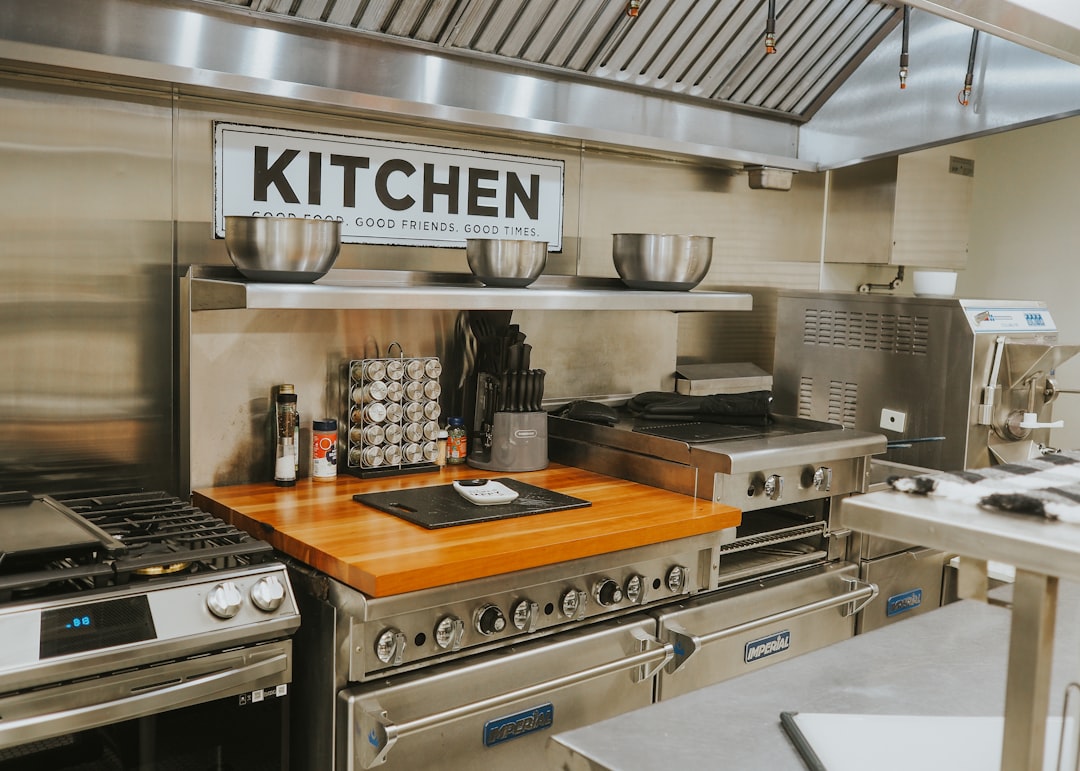
How do you ensure the health, morale, and productivity of a remote construction workforce in the demanding GCC environment? The answer often lies in a critical but sometimes overlooked facility: the commercial catering kitchen camp. Furthermore, these specialized food service hubs are vital for large-scale projects in Saudi Arabia, Qatar, the UAE, and Kuwait. Therefore, understanding the specifications for commercial catering kitchen camps becomes a strategic priority. This guide provides a comprehensive overview for project managers and employers.
The GCC’s rapid infrastructure development frequently places workforces in isolated locations. Consequently, providing nutritious, safe, and scalable meal solutions is non-negotiable. Moreover, these facilities must comply with stringent regional health codes and international safety standards. Additionally, a well-designed kitchen directly impacts worker welfare and project efficiency. Proper planning prevents costly delays and health incidents.
At Allianze HR Consultancy, we recognize that successful camp management extends beyond recruitment to include holistic worker welfare and facilities planning. Furthermore, our 5+ years of GCC expertise supports clients from 50+ countries in building compliant, efficient operations. Moreover, our Ministry of External Affairs (India) RA license ensures all our partnerships adhere to the highest standards. Therefore, contact our recruitment and facilities specialists for expert guidance on staffing and managing your camp operations.
Understanding Remote Camp Catering Challenges in the GCC
Operating a commercial kitchen in a remote desert or industrial camp presents unique hurdles. Extreme temperatures strain refrigeration and HVAC systems. Additionally, logistical challenges affect daily food supply chains. Furthermore, cultural and dietary diversity within a multinational workforce requires careful menu planning.
Water scarcity and waste management are critical environmental considerations. Moreover, local municipal health inspections still apply, demanding robust internal hygiene protocols. Consequently, facility design must proactively address these regional factors. For example, stainless steel equipment resists corrosion from sandy conditions.
- Extreme climate control for food storage and preparation areas.
- Complex logistics for perishable goods delivery.
- Compliance with both GCC and international food safety codes.
- High-volume meal production for shift-based workforces.
- Specialized waste water and solid waste disposal systems.
Partnering with experts who understand these nuances is essential. Therefore, thorough planning mitigates operational risks from day one.
Commercial Catering Kitchen Camps Strategic Overview
A strategic approach to commercial catering kitchen camps begins with a clear assessment of scale and need. First, calculate the peak number of meals per day across all shifts. Second, determine the required cuisine types and dietary accommodations. Third, plan for scalability as the project workforce grows or changes.
The core goal is to create a centralized, efficient food production hub. This hub must support worker health and satisfaction consistently. Furthermore, integrating these facilities with overall camp infrastructure is crucial. Power supply, water treatment, and staff accommodation must be co-located effectively.
- Define meal volume (e.g., 500, 1000, 5000+ meals daily).
- Allocate separate zones for storage, preparation, cooking, and cleaning.
- Incorporate worker dining halls and potentially separate management mess.
- Plan for backup generators and water storage for uninterrupted operation.
- Design for easy cleaning and maintenance to meet health codes.
Ultimately, a well-executed strategy ensures this critical facility supports the entire project timeline without major redesigns.
Legal Framework and Compliance Standards
Compliance is non-negotiable in GCC camp catering. Facilities must adhere to a matrix of local and international regulations. Firstly, each GCC nation has its own municipal health department rules for commercial kitchens. Secondly, projects often require alignment with client or international standards like ISO 22000.
The World Health Organization food safety guidelines provide a foundational global framework. Additionally, contractors must follow International Labour Organization hospitality standards for worker conditions. Moreover, local civil defense regulations dictate fire safety for kitchens using gas or open flames.
- Municipality health licenses and routine inspection compliance.
- Food handler medical certificates and hygiene training mandates.
- HACCP (Hazard Analysis Critical Control Point) implementation.
- Proper waste disposal contracts aligned with environmental laws.
- Gas and electrical system certifications from approved authorities.
Non-compliance risks severe fines, work stoppages, and reputational damage. Therefore, integrating legal review into the planning phase is imperative.
Commercial Catering Kitchen Camps Best Practices
Adopting industry best practices transforms a basic kitchen into a model of efficiency and safety. First, implement a strict “clean-as-you-go” policy supported by ample cleaning stations. Second, enforce a color-coded system for cutting boards and utensils to prevent cross-contamination. Third, ensure all kitchen staff receive certified food safety training.
Furthermore, workflow should follow a linear progression from goods receipt to waste disposal. This prevents backtracking and contamination. Moreover, using durable, commercial-grade equipment designed for 24/7 operation reduces breakdowns. Additionally, digital inventory and temperature monitoring systems enhance control.
- Unidirectional workflow from dirty to clean areas (separate entry/exit).
- Installation of commercial exhaust hoods with automatic fire suppression.
- Regular third-party pest control services as part of the maintenance contract.
- Clear signage in multiple languages for safety and hygiene procedures.
- Establishment of a quarantine area for non-conforming food supplies.
These practices not only ensure compliance but also optimize operational costs and food quality over the long term.
Food Preparation Area Specifications and Zoning
The food preparation area is the heart of any commercial catering kitchen camp. Specifications must prioritize hygiene, workflow, and capacity. Typically, this area should comprise at least 40% of the total kitchen floor space. Furthermore, floors must be non-slip, chemical-resistant, and coved at the walls for easy cleaning.
Walls and ceilings require smooth, washable, and light-colored surfaces. Additionally, lighting must be bright, shadow-free, and protected against breakage. Moreover, ventilation must provide a complete air change every 2-3 minutes to manage heat and odors. Consequently, working with experienced camp facility designers is highly recommended.
- Dry Storage: Cool, ventilated space for non-perishables, off the floor on pallets.
- Cold Storage: Separate walk-in chillers (0-5°C) and freezers (-18°C or below).
- Preparation Zone: Dedicated stations for vegetables, meats, and poultry with dedicated sinks.
- Cooking Line: Heavy-duty ranges, ovens, griddles, and boiling pans sized for volume.
- Pot Wash Area: Separate room with commercial dishwashers and three-compartment sinks.
Proper zoning prevents cross-contamination and creates an efficient assembly-line for meal production.
Commercial Catering Kitchen Camps Implementation Timeline
A realistic timeline for deploying commercial catering kitchen camps is critical for project scheduling. Phase One involves needs assessment and design, typically taking 4-6 weeks. This includes menu planning, equipment selection, and compliance checks. Subsequently, Phase Two covers procurement and fabrication, which can take 8-12 weeks for custom kitchen modules.
Phase Three is site installation and commissioning, requiring 2-4 weeks depending on complexity. Furthermore, this phase includes utility connections, equipment testing, and staff training. Moreover, obtaining the final health department license is the crucial final step before operational launch. Therefore, a total lead time of 14-22 weeks is common for a turnkey solution.
- Weeks 1-6: Consultation, design finalization, and permit applications.
- Weeks 7-18: Equipment manufacturing, procurement, and pre-site testing.
- Weeks 19-22: Site installation, utility hook-up, and system commissioning.
- Week 23: Staff training, trial meal service, and final regulatory inspection.
- Ongoing: Daily operation, preventive maintenance, and monthly deep cleaning.
Early engagement with specialists prevents timeline overruns that could delay the entire project mobilization.
Essential Equipment Requirements and Specifications
Equipment selection dictates the kitchen’s capability, efficiency, and safety. All equipment must be commercial-grade, not domestic. Furthermore, stainless steel (grade 304) is the standard for durability and cleanliness. Additionally, consider energy-efficient models to reduce the camp’s power and water consumption footprint.
Key pieces include combi-ovens for versatile cooking, tilting braising pans for large batches, and high-output rice cookers. Moreover, refrigeration must have sufficient capacity with backup alarm systems. According to OSHA construction industry standards, all equipment installation must ensure worker safety from burns, slips, and electrical hazards.
- Cooking: Range tops, convection ovens, deep fat fryers, steamers.
- Preparation: Vegetable cutters, meat slicers, mixers, work tables with sinks.
- Storage: Walk-in coolers/freezers, dry storage shelving, blast chiller.
- Service: Hot and cold bain-maries, meal assembly counters, trolleys.
- Cleaning: Commercial dishwashers, pot sinks, grease traps, waste compactors.
Investing in reliable equipment minimizes downtime and ensures consistent meal service for the workforce.
Expert Recommendations for Success
Success in managing commercial catering kitchen camps hinges on proactive planning and expert partnerships. First, engage a specialized camp catering consultant during the project’s feasibility stage. Second, prioritize the recruitment of skilled, certified chefs and kitchen stewards through a reliable partner like Allianze HR. Third, implement a robust digital system for inventory, meal planning, and cost control from day one.
Furthermore, establish a clear maintenance schedule and keep a critical spare parts inventory on-site. Additionally, create a feedback mechanism with the workforce to adapt menus and improve satisfaction. Moreover, regular audits against UAE green building regulations and other sustainability benchmarks can reduce environmental impact.
- Partner with a recruitment firm experienced in sourcing camp-based hospitality staff.
- Conduct surprise internal hygiene audits to maintain standards.
- Develop contingency plans for supply chain disruption or equipment failure.
- Integrate kitchen operations with the camp’s overall professional recruitment resources and HR management.
- Plan for eventual demobilization and equipment resale or redeployment.
These strategic steps ensure the facility becomes a value center that supports worker retention and project success.
Frequently Asked Questions About Commercial Catering Kitchen Camps
What are the key health regulations for commercial catering kitchen camps in the GCC?
Regulations vary by emirate and kingdom but universally require municipal health licenses, HACCP plans, and certified food handlers. Furthermore, facilities must pass regular inspections on hygiene, storage, and waste management. Therefore, consulting local authorities early is essential. Our specialists can help navigate these requirements.
How is the size of the kitchen facility determined for a camp?
Size is based on peak meal count, menu complexity, and service style. A basic rule is 0.8 to 1.2 square meters per meal produced per shift. Additionally, separate zones for storage and preparation add to the total area. Moreover, local codes may specify minimum dimensions for critical rooms like cold storage.
What is the typical cost range for setting up a camp kitchen?
Costs vary widely based on capacity and equipment quality. A modular kitchen for 500 persons may start at $150,000, while a fixed facility for 5,000 can exceed $1 million. Furthermore, ongoing costs for utilities, supplies, and staff are significant. Therefore, detailed budgeting with a turnkey supplier is crucial.
Can modular or portable kitchens be used for temporary projects?
Absolutely. Pre-fabricated modular kitchens are ideal for projects under 3 years. They are constructed off-site, shipped in containers, and rapidly assembled. Moreover, they meet all health codes and can be relocated after project completion. This offers flexibility and potentially lower capital investment.
How does Allianze HR support camp kitchen operations?
We provide end-to-end recruitment of qualified kitchen staff, from head chefs to stewards. Furthermore, we advise on organizational structure and compliance related to workforce accommodation and contracts. Additionally, our schedule consultation appointment service helps integrate your catering manpower plan with overall project needs.
What are common mistakes in planning camp catering facilities?
Common errors include underestimating peak demand, neglecting waste water treatment, poor ventilation design, and selecting undersized refrigeration. Additionally, failing to plan for equipment maintenance leads to disruptive breakdowns. Consequently, expert-led planning from the outset avoids these costly pitfalls.
Partner with Allianze HR for Camp Facility Success
Establishing and operating effective commercial catering kitchen camps is a complex, multidisciplinary challenge. It requires seamless integration of facilities planning, strict compliance, and skilled manpower management. Furthermore, the well-being of your remote workforce and the smooth progression of your GCC construction project depend on this critical infrastructure. Therefore, a strategic, well-informed approach is not just beneficial—it is essential.
This guide has outlined the core specifications, equipment needs, and best practices for these vital facilities. From understanding zoning laws to implementing a realistic timeline, each element requires careful attention. Moreover, partnering with experts who understand both the regional landscape and international standards can de-risk the entire process. Ultimately, a superior catering operation boosts morale, enhances productivity, and safeguards your investment.
Allianze HR Consultancy offers more than recruitment; we provide holistic workforce solutions. Our expertise spans sourcing certified culinary professionals and advising on camp facility management frameworks. Furthermore, our deep GCC experience and compliant licensing ensure your operations meet all regulatory demands. Contact our HR and facilities specialists today to discuss how we can support the successful deployment and management of your commercial catering kitchen camps and the teams that run them.