


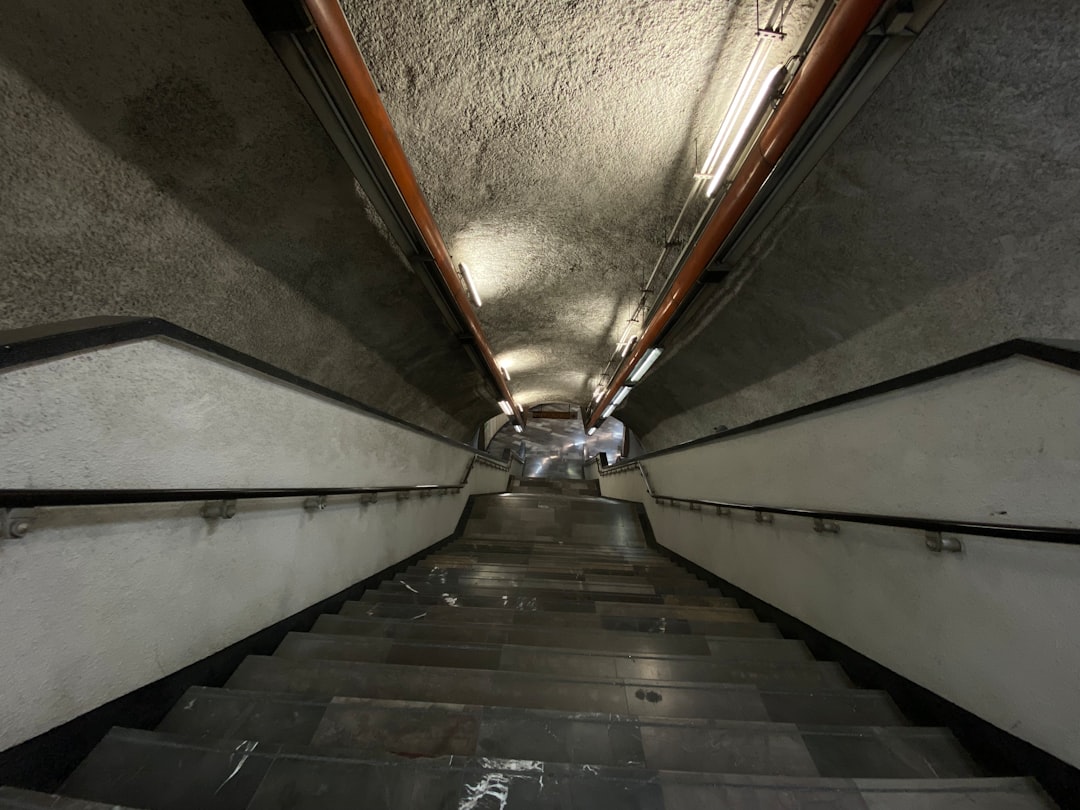
How can construction firms in the GCC ensure absolute safety for workers in high-risk underground environments? Furthermore, the region’s rapid infrastructure development demands specialized safety protocols. Consequently, confined space training for underground construction is not just a regulatory box to tick. Moreover, it is a critical investment in human capital and project integrity. Therefore, understanding and implementing robust confined space training underground programs is paramount for any employer.
The GCC’s construction boom involves extensive tunneling, metro systems, and utility works. Additionally, these projects frequently present hazardous confined spaces. These areas have limited entry and exit points. They also may contain atmospheric hazards. Subsequently, the risk of accidents without proper training is severe. Employers must navigate complex local and international safety standards. This ensures both legal compliance and worker protection.
At Allianze HR Consultancy, we’ve successfully placed 10,000+ professionals across UAE, Saudi Arabia, Qatar, and Kuwait. Furthermore, our 5+ years of GCC expertise supports clients from 50+ countries. Moreover, our Ministry of External Affairs (India) RA license ensures compliance. Therefore, contact our recruitment specialists for expert guidance on sourcing certified, safety-trained personnel for your most challenging projects.
Understanding GCC Underground Worksite Hazards
Underground construction in the Gulf presents unique dangers. First, extreme heat and humidity can exacerbate atmospheric risks. Second, sandy soils and complex geology increase structural instability. Additionally, confined spaces like manholes, shafts, and tunnels trap hazardous gases. These include hydrogen sulfide or low oxygen levels.
Therefore, recognizing these hazards is the first step. Employers must conduct thorough site-specific risk assessments. This process identifies potential dangers before work begins. Moreover, it informs the development of effective control measures. Consequently, a proactive approach prevents incidents before they occur.
- Atmospheric hazards: oxygen deficiency, flammable gases, toxic vapors.
- Physical hazards: engulfment, moving machinery, extreme temperatures.
- Biological hazards: molds, bacteria, or other organic contaminants.
- Psychological hazards: claustrophobia and stress in isolated environments.
Furthermore, the International Labour Organization construction safety standards provide a global framework. Meanwhile, local GCC regulations add specific layers of compliance. Employers must integrate both sets of requirements seamlessly.
Confined Space Training Underground Strategic Overview
Implementing effective confined space training underground requires a strategic framework. First, training must be role-specific. Entrants, attendants, and supervisors each need different skill sets. Additionally, training should combine theoretical knowledge with practical, hands-on drills. This ensures workers can apply their learning in real-world scenarios.
Moreover, certification is not a one-time event. Refresher courses are mandatory. They keep skills sharp and knowledge current. Furthermore, training programs must be documented meticulously. This documentation proves compliance during audits. It also creates a culture of safety accountability.
- Develop a written confined space entry program and policy.
- Identify and classify all permit-required confined spaces on site.
- Select accredited training providers with GCC experience.
- Integrate training with emergency response and rescue plans.
- Establish continuous evaluation and improvement processes.
Consequently, a strategic approach transforms training from a cost center to a value driver. It reduces downtime from incidents. It also lowers insurance premiums. Therefore, it directly impacts the project’s bottom line and reputation.
Legal Framework and Compliance Standards
GCC employers operate under a dual regulatory landscape. First, international standards like those from OSHA construction industry standards are widely referenced. Second, each GCC nation has its own ministerial decrees and civil defense regulations. Navigating this complexity is challenging but non-negotiable.
For example, UAE Federal Law No. 8 and various ministerial resolutions mandate worker safety. Similarly, Saudi Arabia’s Saudi Ministry of Labor regulations enforce strict protocols. Furthermore, Qatar’s Supreme Committee for Delivery & Legacy sets stringent standards for major projects. Non-compliance results in heavy fines, project stoppages, and legal liability.
Therefore, compliance starts with understanding the law. Employers must designate a competent person to oversee confined space safety. This individual ensures all procedures align with local mandates. Additionally, they maintain the required permits and records. Regular inspections by authorities are common. Proper documentation is the best defense.
Confined Space Training Underground Best Practices
Adopting industry confined space training underground best practices ensures program effectiveness. First, training must be conducted in the worker’s native language whenever possible. This guarantees comprehension of critical safety instructions. Additionally, trainers should use visual aids and practical demonstrations. These methods reinforce learning for workers of all literacy levels.
Moreover, simulation-based training is highly effective. It allows workers to experience controlled hazardous scenarios. Consequently, they build muscle memory for emergency responses. Furthermore, incorporating real case studies from GCC projects makes training relevant. Workers understand the direct application to their daily tasks.
- Use gas detection equipment during practical training sessions.
- Practice donning and using personal protective equipment (PPE).
- Conduct mock rescue drills using tripods and retrieval systems.
- Train on proper ventilation techniques and atmospheric monitoring.
- Implement a “buddy system” and clear communication protocols.
Finally, fostering a “stop work” authority culture is crucial. Every worker must feel empowered to halt operations if they perceive danger. This human-focused approach, supported by World Health Organization workplace standards, saves lives.
Documentation and Worker Certification Processing
Proper documentation validates your safety program. First, every trained worker must receive a personalized certificate. This certificate should list the specific skills covered and the expiry date. Additionally, employers must maintain a central training register. This log tracks who is trained, when, and for which specific confined space role.
Furthermore, the permit-to-work system is a critical document. It must be completed before every confined space entry. The permit details the hazards, controls, authorized personnel, and emergency contacts. Moreover, it requires signatures from the entrant, attendant, and supervisor. This formalizes the safety checks.
Therefore, efficient document management is key. Digital systems can streamline this process. They ensure certificates are valid and accessible for audit. They also send automatic alerts for refresher training deadlines. Consequently, employers avoid lapses in certification that could halt project progress.

Confined Space Training Underground Implementation Timeline
Rolling out a comprehensive confined space training underground program follows a logical timeline. First, the planning and assessment phase takes 1-2 weeks. This involves identifying spaces, assessing risks, and selecting a training provider. Next, the development of site-specific procedures requires another 1-2 weeks.
Subsequently, the core training delivery for the initial workforce can take 3-4 weeks. This depends on crew size and shift patterns. Moreover, scheduling must minimize project disruption. Furthermore, implementing the permit system and conducting the first supervised entries add 1-2 weeks. Finally, ongoing monitoring, refreshers, and audits become part of routine operations.
Therefore, employers should allocate 6-8 weeks for full program implementation. Rushing this process compromises safety. A phased approach is often most effective. Start with supervisory staff and high-risk teams. Then, roll out training to the broader workforce. This ensures a solid foundation of knowledge at all levels.
Common Challenges and Practical Solutions
Employers face several hurdles in maintaining confined space safety. First, high worker turnover can erode a trained workforce. The solution is to make safety training a non-negotiable part of onboarding. Additionally, integrate it with your broader professional recruitment resources to source pre-vetted candidates.
Second, complacency is a silent killer. Workers may take shortcuts after repeated safe entries. Consequently, continuous reinforcement is vital. Regular toolbox talks and surprise drills keep safety top-of-mind. Moreover, recognizing and rewarding safe behavior reinforces its importance.
Third, coordinating with multiple subcontractors creates complexity. The principal contractor must enforce a single, site-wide safety standard. Therefore, include strict training requirements in all subcontractor agreements. Furthermore, conduct joint training sessions to ensure alignment. This unified approach, supported by UAE construction sector employment best practices, protects everyone on site.
Expert Recommendations for Program Success
To build a world-class safety culture, go beyond minimum compliance. First, invest in high-quality equipment. Reliable gas detectors, ventilation fans, and retrieval systems are essential. Additionally, partner with training providers who offer train-the-trainer programs. This builds in-house expertise and reduces long-term costs.
Moreover, leverage technology for enhanced safety. Wireless gas monitors can provide real-time atmospheric data to surface attendants. Drones can perform initial inspections of high-risk spaces. Furthermore, digital checklists for permits improve accuracy and record-keeping. These innovations demonstrate a commitment to cutting-edge safety.
Finally, view safety training as integral to World Bank infrastructure development goals. A safe workforce is a productive and stable workforce. It attracts better talent and enhances your company’s reputation. Therefore, leadership must champion safety from the top down. Schedule consultation appointment with our experts to audit and enhance your current safety training strategy.
Frequently Asked Questions About Confined Space Training Underground
What is the timeline for confined space training underground implementation?
A full program rollout typically requires 6-8 weeks. This includes risk assessment, procedure development, and workforce training. Furthermore, the complexity of the site affects the schedule. Therefore, early planning is critical for timely compliance.
What documentation is required for worker certification in restricted spaces?
Required documents include individual training certificates, a central training log, signed permits-to-work, equipment inspection records, and risk assessment reports. Moreover, these must be readily available for regulatory audits at all times.
How often must confined space training be refreshed?
Refresher training is generally required annually. However, more frequent drills are recommended. Additionally, retraining is mandatory if work procedures change, new hazards are identified, or an incident occurs. Consequently, skills remain current and effective.
What are the key differences between entrant and attendant training?
Entrant training focuses on hazard recognition, PPE use, and internal communication. Conversely, attendant training emphasizes external monitoring, maintaining entry logs, and initiating emergency rescue procedures without entering the space.
Does Allianze HR provide pre-certified workers with safety training?
Yes. We specialize in sourcing candidates with verified certifications for underground and confined space work. Furthermore, we can coordinate with accredited partners to provide additional site-specific training upon placement, ensuring full compliance.
How are rescue plans integrated into confined space training?
Rescue planning is a core training module. It covers non-entry retrieval using equipment and scenarios requiring trained entry rescue teams. Moreover, drills are conducted regularly. These drills coordinate with onsite medical and emergency services for a seamless response.
Partner with Allianze HR for Underground Safety Success
Implementing rigorous confined space training underground is a complex but essential responsibility for GCC employers. This guide has outlined the strategic, legal, and practical components of an effective program. From hazard assessment to certification management, each step builds a safer worksite. Furthermore, a robust safety culture protects your most valuable asset: your workforce.
Therefore, partnering with an experienced recruitment and compliance firm adds a critical layer of assurance. At Allianze HR, we connect you with pre-vetted, safety-conscious talent. Moreover, our understanding of GCC regulations helps you navigate the compliance landscape with confidence. We transform the challenge of safety training into a structured, manageable process.
Consequently, do not leave safety to chance. Proactive investment in certified training prevents tragedies and protects your project’s future. Let us help you build a team that values safety as much as productivity. Contact our HR specialists today to discuss your underground construction staffing and safety training needs. Together, we can achieve zero-harm objectives and operational excellence.