


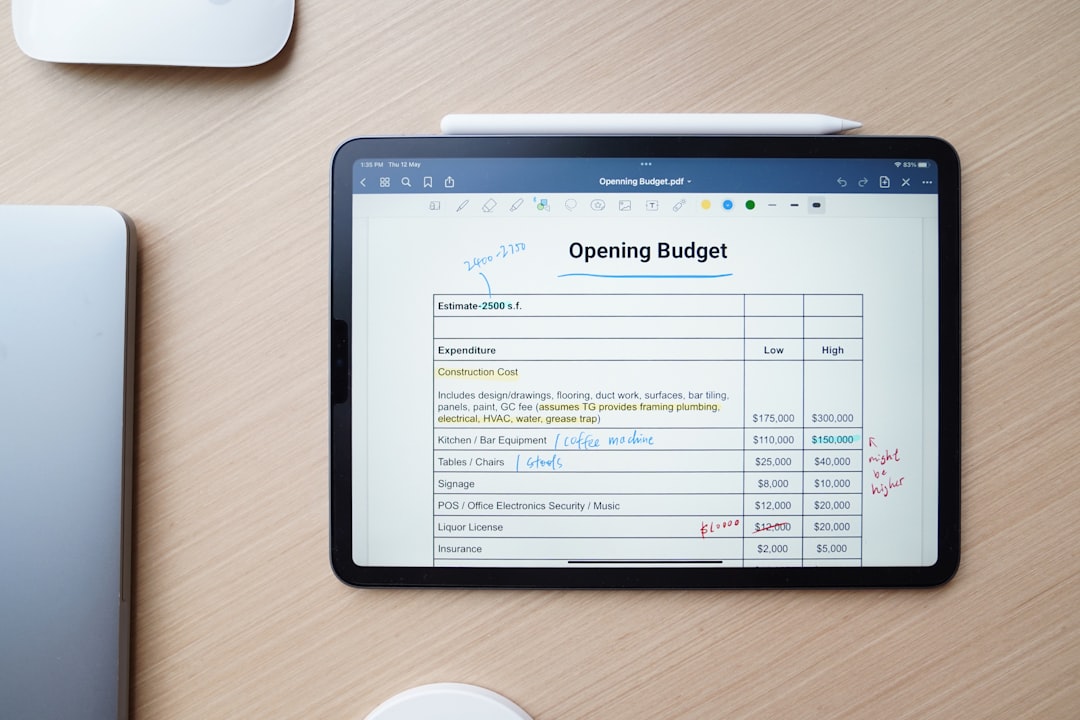
Are you struggling to control facility management expenses across your GCC operations? Furthermore, static budgets often fail to reflect real-time financial realities. Consequently, overspending and inaccurate forecasts become common problems. Therefore, mastering cost tracking budget management is essential for regional success. This strategic approach provides immediate financial visibility and predictive control.
Facility management in the Gulf region involves complex, variable costs. These include utilities, maintenance contracts, and vendor services. Moreover, GCC-specific factors like extreme climate and rapid development impact spending. Additionally, regulatory compliance adds another layer of financial complexity. Thus, proactive expense monitoring is not optional but a business imperative for sustainable operations.
At Allianze HR Consultancy, we’ve successfully placed 10,000+ professionals across UAE, Saudi Arabia, Qatar, and Kuwait. Furthermore, our 5+ years of GCC expertise supports clients from 50+ countries. Moreover, our Ministry of External Affairs (India) RA license ensures compliance. Therefore, contact our recruitment specialists for expert guidance on building teams that optimize your operational budgets.
Understanding GCC Facility Expense Dynamics
Facility expenses in the Gulf Cooperation Council exhibit unique characteristics. First, energy consumption represents a major cost driver due to climate control needs. Second, labor costs for maintenance staff fluctuate with market regulations. Third, supply chain variability affects material and service pricing. Consequently, a static annual budget becomes quickly outdated.
Regional economic visions like Saudi Vision 2030 and UAE Vision 2021 emphasize efficiency. Therefore, organizations must align their spending with national sustainability goals. Additionally, smart city initiatives across Dubai, Riyadh, and Doha demand intelligent expense tracking. Moreover, compliance with local authorities requires meticulous financial record-keeping.
- Utility costs (AC, water, electricity) often exceed 40% of FM budgets.
- Preventive maintenance contracts require careful SLA monitoring.
- Vendor management across multiple Emirates or regions adds complexity.
- Capital expenditure for facility upgrades must be accurately forecasted.
- Seasonal variations significantly impact energy and staffing costs.
Understanding these dynamics is the first step toward control. Subsequently, implementing the right systems and processes enables true financial mastery. For deeper insights, explore our professional recruitment resources.
Cost Tracking Budget Management Strategic Overview
Effective cost tracking budget management transforms financial oversight from reactive to proactive. This methodology integrates real-time data capture with analytical forecasting. Furthermore, it creates a continuous feedback loop between spending and planning. Therefore, decision-makers gain immediate insight into financial performance against targets.
A strategic overview begins with defining key performance indicators (KPIs). These metrics should reflect both efficiency and effectiveness. Additionally, they must align with organizational goals for sustainability and growth. Moreover, the system must accommodate the unique regulatory landscape of each GCC country. Consequently, customization is often necessary for optimal results.
- Establish clear budget categories aligned with chart of accounts.
- Implement centralized digital platforms for data aggregation.
- Define approval workflows for expenditure control.
- Integrate with existing ERP or accounting software systems.
- Set automated alerts for budget threshold breaches.
The ultimate goal is predictive financial intelligence. Hence, historical data analysis informs future budget allocations. This strategic approach ensures resources are deployed where they deliver maximum value. For example, tracking maintenance spend can predict equipment failure before it occurs.
Legal Framework and Compliance Standards
GCC facility management operates within a strict legal environment. First, labor laws govern wages, accommodations, and working conditions for maintenance staff. Second, environmental regulations mandate specific energy and waste management practices. Third, contractual obligations with government entities often include financial reporting requirements. Therefore, compliance is integral to cost management.
Authorities like the Saudi Ministry of Labor and UAE visa and immigration services set foundational rules. Additionally, international standards from the International Labour Organization influence local practices. Moreover, UAE green building regulations directly impact facility upgrade costs.
Non-compliance carries significant financial risk. Penalties, project delays, and reputational damage can escalate expenses rapidly. Consequently, your budget must allocate funds for compliance assurance. Furthermore, regular audits ensure ongoing adherence to evolving standards. This proactive stance prevents costly violations and operational disruptions.
Cost Tracking Budget Management Best Practices
Implementing proven best practices maximizes the effectiveness of your cost tracking budget management system. First, adopt cloud-based software that offers real-time dashboard visibility. Second, standardize coding for all expenses to ensure consistent data collection. Third, conduct monthly budget review meetings with key stakeholders. Therefore, financial control becomes a collaborative, organization-wide effort.
Data accuracy is paramount. Consequently, automate data entry where possible to minimize human error. Additionally, implement a robust vendor management process to control service costs. Moreover, benchmark your facility expenses against industry standards for the GCC region. This comparison identifies areas for potential savings and efficiency gains.
- Utilize IoT sensors for real-time utility consumption monitoring.
- Develop detailed preventive maintenance schedules to avoid costly repairs.
- Negotiate long-term contracts with key suppliers for price stability.
- Train facility staff on basic financial awareness and cost-saving initiatives.
- Regularly review and update budget forecasts based on actual performance.
These practices create a culture of financial accountability. Hence, every team member understands their impact on the budget. This alignment drives continuous improvement and sustainable cost control across all operations.
Documentation and Processing Steps
Meticulous documentation forms the backbone of reliable expense monitoring. First, every financial transaction requires a digital record with supporting evidence. Second, standardized forms for purchase requests and work orders ensure consistency. Third, a centralized document management system provides secure, accessible storage. Therefore, audit trails are complete and transparent.
The processing workflow must be clearly defined. Initially, a department submits a spending request with a detailed justification. Subsequently, the request undergoes approval based on budget availability and business priority. Moreover, upon completion, the invoice is matched against the purchase order and delivery note. Finally, payment is released only after full verification, closing the financial loop.
Technology plays a crucial role in streamlining these steps. Automated workflow tools route documents to the correct approvers. Additionally, integration with accounting software eliminates manual data re-entry. Furthermore, digital archives facilitate quick retrieval for reporting or compliance checks. Consequently, administrative overhead decreases while control increases.

Cost Tracking Budget Management Implementation Timeline
A structured implementation timeline ensures successful adoption of cost tracking budget management. The first phase, spanning 2-4 weeks, involves needs assessment and software selection. Next, the configuration and integration phase requires 4-6 weeks for technical setup. Subsequently, a pilot program in one facility or department runs for 6-8 weeks. Therefore, full-scale rollout typically occurs within 4-6 months of project initiation.
Critical path items include data migration, user training, and process redesign. Additionally, securing executive sponsorship early accelerates organizational buy-in. Moreover, aligning the timeline with your fiscal year start simplifies budget transition. Consequently, planning must account for both technical and human factors.
- Week 1-4: Requirements gathering, vendor evaluation, and tool selection.
- Week 5-10: System configuration, integration testing, and data import.
- Week 11-18: Pilot launch, user training, and feedback collection.
- Week 19-24: Process refinement and preparation for organization-wide rollout.
- Month 6+: Full implementation, ongoing support, and continuous optimization.
Adherence to this timeline requires dedicated project management. Hence, appointing a cross-functional team with clear responsibilities is essential. This structured approach minimizes disruption and maximizes the return on your financial management investment.
Common Challenges and Solutions
Organizations frequently encounter obstacles when implementing financial control systems. Resistance to change among staff is a primary challenge. Therefore, comprehensive change management and training are non-negotiable. Additionally, data silos between departments hinder holistic visibility. Consequently, integrating disparate systems into a single platform is a critical solution.
Another common issue is the high variability of GCC facility costs. Unplanned equipment failures or utility price hikes can derail budgets. Hence, building contingency reserves into forecasts is a prudent strategy. Moreover, leveraging predictive analytics can identify patterns and warn of potential overruns before they happen.
Finally, ensuring data quality and consistency remains an ongoing struggle. Manual entry is prone to errors and delays. The solution lies in automation and validation rules within the software. Furthermore, regular data audits maintain integrity over time. Addressing these challenges head-on transforms potential weaknesses into strengths for your financial operations.
Expert Recommendations for Success
To achieve excellence in financial oversight, start with leadership commitment. Executive sponsorship ensures adequate resources and organizational priority. Next, invest in the right talent. Skilled facility managers and financial analysts are crucial for interpreting data and taking action. Therefore, consider scheduling a consultation appointment to build your optimized team.
Embrace technology as an enabler, not a replacement for judgment. Select tools that are scalable and compliant with GCC data regulations. Additionally, foster a culture where every employee feels responsible for cost control. Moreover, regularly review your processes against global best practices from bodies like the International Facility Management Association.
Continuously look beyond immediate savings to long-term value. Investments in energy-efficient systems or predictive maintenance technology yield significant returns. Furthermore, align your financial management with broader World Bank urban development and sustainability principles. This strategic perspective ensures your operations remain competitive and resilient in the dynamic GCC market.
Frequently Asked Questions About Cost Tracking Budget Management
What is the primary benefit of cost tracking budget management?
The primary benefit is real-time financial visibility and control. Furthermore, it enables proactive decision-making to prevent overspending. Additionally, accurate forecasting improves strategic planning and resource allocation for facility operations.
What technology is essential for real-time expense monitoring?
Cloud-based facility management software (CAFM/IWMS) with integrated financial modules is essential. Additionally, IoT sensors for utilities and mobile tools for staff workflow tracking provide critical real-time data streams for comprehensive monitoring.
How does this approach help with GCC compliance?
It maintains detailed, auditable records of all expenses, which is required for government reporting. Moreover, it helps ensure spending on worker welfare, safety, and environmental measures meets World Health Organization and local standards.
Can small and medium enterprises implement this system?
Absolutely. Scalable software solutions cater to businesses of all sizes. Furthermore, starting with core tracking of major expense categories provides significant value. The key is to begin with clear processes and scale complexity as the organization grows.
What role does workforce management play in cost control?
A skilled, efficient workforce is the largest lever for operational cost control. Properly trained staff perform preventive maintenance, optimize energy use, and manage vendors effectively. Therefore, strategic recruitment and training are direct investments in financial performance.
How does Allianze HR support facility management budgeting?
We recruit the specialized talent needed to run cost-effective facilities. This includes facility managers, maintenance engineers, and energy auditors who understand GCC cost dynamics. Moreover, our expertise ensures you hire professionals who can implement and benefit from robust cost tracking budget management systems.
Partner with Allianze HR for Financial Control Success
Mastering cost tracking budget management is a decisive competitive advantage in the GCC. It transforms facility operations from a cost center into a value-driven asset. Furthermore, the integration of real-time data with predictive forecasting empowers strategic leadership. Therefore, the journey toward financial clarity and control begins with a commitment to modern practices and skilled talent.
The human element remains irreplaceable. Technology provides the tools, but your team executes the strategy. Consequently, investing in the right facility management professionals is paramount. Our recruitment expertise ensures you find candidates who are not only technically proficient but also financially astute. Moreover, they will champion a culture of accountability and continuous improvement within your organization.
Take the next step toward operational and financial excellence. Let us help you build a team that optimizes every dirham and riyal of your facility budget. Contact our HR specialists today to discuss your recruitment needs. Together, we can implement the people-powered strategies that make sophisticated cost tracking budget management a reality for your business.