


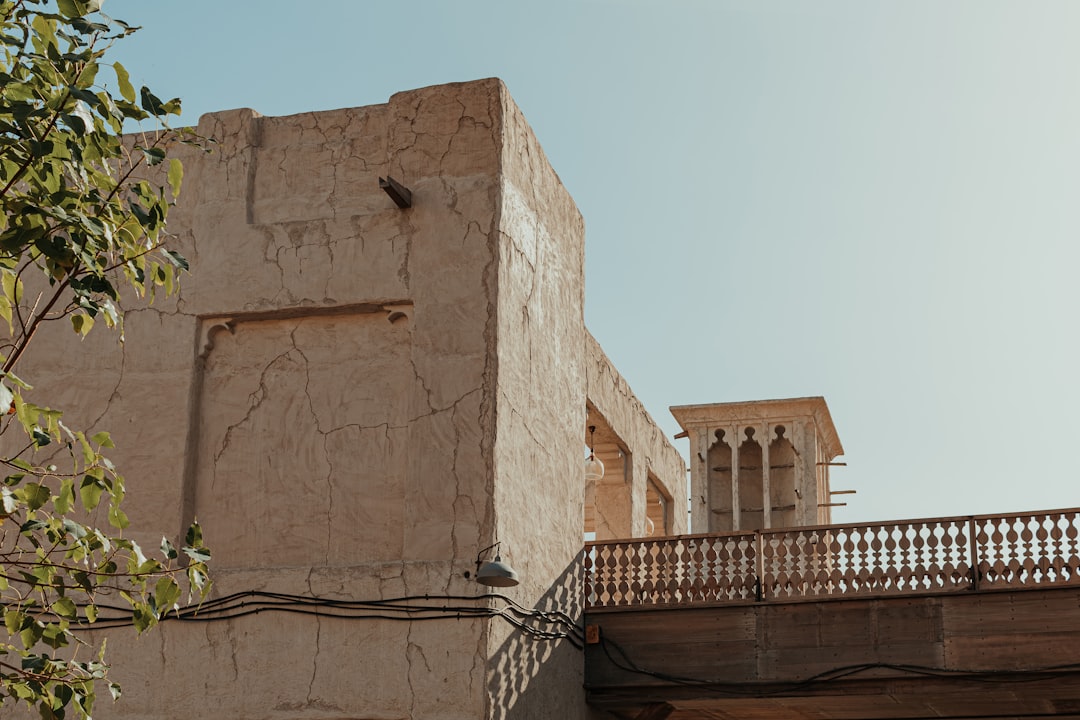
How can you build a world-class cultural landmark while preserving its historical soul? This challenge defines the ambitious heritage construction projects across the Gulf. Specifically, Abu Dhabi’s Cultural District represents a monumental fusion of modern vision and ancient tradition. Consequently, recruiting the right talent for these projects demands unique expertise. The Cultural District Heritage Construction process requires specialized knowledge in both museum development and historical preservation.
Furthermore, the GCC’s cultural sector is experiencing unprecedented growth. Iconic museums, performing arts centers, and restored heritage sites are reshaping skylines and identities. These projects are not merely buildings; they are national statements. Therefore, the workforce behind them must understand complex technical, aesthetic, and regulatory requirements. Moreover, success hinges on sourcing professionals who blend engineering precision with cultural sensitivity.
At Allianze HR Consultancy, we’ve successfully placed 10,000+ professionals across UAE, Saudi Arabia, Qatar, and Kuwait. Furthermore, our 5+ years of GCC expertise supports clients from 50+ countries. Moreover, our Ministry of External Affairs (India) RA license ensures compliance. Therefore, contact our recruitment specialists for expert guidance on your next landmark project. Our deep networks connect you with the niche talent essential for heritage development success.
Understanding GCC Cultural Project Requirements
Heritage construction in the Gulf differs fundamentally from standard commercial development. First, projects must align with national vision documents like UAE Vision 2031 or Saudi Vision 2030. These frameworks prioritize cultural preservation alongside modernization. Additionally, architectural integrity is paramount. Designs often incorporate traditional motifs, materials, and passive cooling techniques. Consequently, recruiters must identify architects and engineers with relevant portfolio experience.
Moreover, stakeholder management is exceptionally complex. Projects involve government entities, royal patrons, international museum consultants, and UNESCO guidelines. Therefore, project managers need exceptional diplomacy and regulatory navigation skills. Furthermore, the supply chain for authentic materials—such as specific stone or traditional plaster—requires specialized procurement expertise. Teams must source sustainably while meeting exact historical specifications.
- Alignment with national cultural vision and identity goals.
- Mastery of region-specific architectural styles and materials.
- Experience navigating multi-layered government and institutional approvals.
- Knowledge of international conservation charters and standards.
- Ability to integrate modern MEP systems within historical fabric sensitively.
Finally, sustainability is a core mandate. Cultural districts are designed as legacy projects. Thus, environmental considerations and future-proofing are baked into every decision. This requires talent who view construction not as an endpoint, but as the beginning of a centuries-long stewardship.
Cultural District Heritage Construction Strategic Overview
A strategic approach to Cultural District Heritage Construction recruitment is non-negotiable. Initially, employers must define the project’s dual nature: it is both a construction site and a curatorial endeavor. This duality influences every hiring decision. For example, a site manager must protect archaeological finds as diligently as they enforce safety protocols. Similarly, a facilities engineer must design systems that protect priceless artifacts from environmental fluctuations.
Furthermore, the talent pipeline is global yet niche. Specialists in stone conservation, archival lighting, or climate-controlled vitrine installation are rare. Therefore, recruitment strategies must be proactive and network-driven. Generic job portals are insufficient. Instead, partnerships with academic institutions, global heritage bodies, and specialized agencies are crucial. Additionally, succession planning is vital, as these projects span many years, often decades.
- Develop a phased recruitment plan aligned with project milestones (e.g., excavation, structural, fit-out).
- Establish partnerships with global conservation schools and institutes.
- Create hybrid role descriptions that merge technical skills with cultural/curatorial understanding.
- Implement rigorous vetting processes that include portfolio reviews of past heritage work.
- Plan for knowledge transfer between international experts and local junior staff.
Consequently, a strategic partner like Allianze HR provides immense value. We map the global talent landscape for you. Our experts at professional recruitment resources understand where to find professionals who meet these exacting standards. This strategic foresight prevents costly hiring mistakes and project delays.
Legal Framework and Compliance Standards
Navigating the legal landscape for heritage projects is multifaceted. Firstly, national labor laws from the Saudi Ministry of Labor or UAE visa services apply to all workers. Secondly, specialized heritage protection laws impose additional layers of regulation. These laws may govern everything from excavation permits to the export of historical materials. Therefore, compliance officers must be well-versed in both domains.
Moreover, international standards heavily influence GCC cultural projects. For instance, guidelines from the International Labour Organization ensure worker welfare. Meanwhile, conservation work often references ICOMOS (International Council on Monuments and Sites) principles. Consequently, contracts must include clauses protecting cultural assets. Additionally, insurance requirements are exceptionally high, covering potential damage to irreplaceable items.
- Adherence to national antiquities and cultural heritage protection laws.
- Compliance with international conservation ethics and charters.
- Strict visa and work permit processes for specialized expatriate conservators.
- Complex insurance and liability frameworks for high-value collections.
- Environmental and sustainability regulations for sensitive sites.
Thus, legal expertise is a critical recruitment pillar. Employers need professionals who can interpret dense regulatory texts and implement them on-site. This ensures the project’s integrity and protects the organization from significant legal and reputational risk.
Cultural District Heritage Construction Best Practices
Implementing best practices in Cultural District Heritage Construction ensures quality and compliance. First, establish an integrated project team from day one. This team should include conservators, architects, engineers, and curators in collaborative planning. Early involvement prevents design conflicts that could damage heritage value. Furthermore, adopt a “conservation-led” construction methodology. This means construction processes adapt to preserve finds, not the other way around.
Additionally, invest in continuous training. Site workers, from foremen to laborers, must understand the unique sensitivity of their work environment. For example, training should cover handling unexpected archaeological discoveries. Moreover, implement stringent documentation protocols. Every stage, from initial site condition to final installation, must be meticulously recorded. This creates a valuable archive for future conservation efforts.
- Form an interdisciplinary project team at the earliest conceptual phase.
- Implement a “soft strip” survey before any demolition or groundworks.
- Use non-destructive testing and monitoring techniques throughout the build.
- Establish clear chains of custody and condition reports for any moved artifacts.
- Prioritize the use of reversible and compatible materials for any new interventions.
Therefore, recruitment must prioritize candidates who are advocates for these methodologies. Look for professionals who demonstrate a track record of meticulous documentation and collaborative problem-solving. These best practices, driven by the right team, transform ambitious blueprints into enduring cultural treasures.
Documentation and Processing Steps
The documentation process for heritage construction recruitment is exceptionally detailed. Initially, role specifications must be co-drafted with technical and curatorial leads. This ensures candidates possess the rare hybrid skills required. Subsequently, the visa and licensing process for specialized roles can be prolonged. Positions like “Master Stone Mason” or “Preventive Conservator” often require additional justification to immigration authorities.
Moreover, credential verification is critical. Academic degrees in conservation, archaeology, or heritage architecture must be attested and validated. Professional certifications from bodies like the International Facility Management Association (for museum facilities roles) add further credibility. Furthermore, portfolio assessment is more important than in standard construction. Candidates must provide evidence of direct, hands-on experience with similar materials and challenges.
- Detailed, co-created job descriptions specifying both technical and heritage skills.
- Enhanced credential attestation for specialized academic and professional qualifications.
- Comprehensive portfolio reviews, including references from previous heritage project clients.
- Project-specific inductions covering site-specific heritage values and protocols.
- Meticulous contract drafting that includes confidentiality and cultural sensitivity clauses.
Consequently, having a recruitment partner who understands this intricate workflow is invaluable. Allianze HR manages this complex documentation trail, ensuring every “i” is dotted and “t” is crossed. This allows project leaders to focus on the build itself, confident that their team is fully compliant and credentialed.
Cultural District Heritage Construction Implementation Timeline
A realistic timeline for Cultural District Heritage Construction staffing accounts for unique delays. Typically, the end-to-end recruitment process for specialized roles takes 8 to 16 weeks. This extended period accommodates global searches, rigorous portfolio reviews, and complex visa processing. Initially, the planning and job specification phase itself may take 2-3 weeks. Engaging stakeholders to agree on hybrid role requirements is time well spent.
Next, the sourcing and screening phase is lengthier than standard recruitment. Niche candidates are not actively seeking jobs on common platforms. Therefore, headhunting and network tapping are essential. Subsequently, interview panels are often larger, including client representatives, lead architects, and museum directors. Finally, mobilization includes extensive briefings on heritage protocols before site arrival. This ensures every team member respects the site’s significance from day one.
- Weeks 1-3: Project scoping, role definition, and stakeholder alignment.
- Weeks 4-10: Global candidate sourcing, in-depth screening, and multi-stage interviews.
- Weeks 11-14: Offer negotiation, contract finalization, and initiation of visa/work permit applications.
- Weeks 15-16: Pre-deployment heritage briefings, logistics coordination, and onboarding planning.
- Ongoing: Continuous support for visa renewals, family relocation, and performance management.
Hence, early engagement with a specialized recruiter is paramount. A partner like Allianze HR can compress timelines through established networks and procedural expertise. To begin strategic planning, schedule a consultation appointment with our heritage project specialists.
Common Challenges and Solutions
Heritage construction projects face predictable yet complex challenges. First, a significant skills gap exists globally. There are far fewer trained heritage craftspeople than the booming GCC market demands. This scarcity drives up costs and lengthens hiring times. The solution involves investing in apprenticeship programs. Partnering with local vocational institutes to develop “heritage skills” tracks can build a sustainable future pipeline.
Another major challenge is the conflict between modern building codes and preservation principles. For example, fire safety regulations may require materials or layouts that clash with historical authenticity. Solving this requires early and frequent dialogue between code officials, conservation architects, and engineers. Creative solutions, like hidden modern compartmentalization, often emerge from this collaboration. Furthermore, managing stakeholder expectations is constant. Patrons may have visionary ideas that push technical or ethical boundaries.
- Challenge: Global shortage of specialized heritage trades. Solution: Develop local apprenticeship programs and offer upskilling.
- Challenge: Modern code compliance vs. preservation ethics. Solution: Facilitate pre-application meetings with authorities to find hybrid solutions.
- Challenge: Unforeseen archaeological discoveries halting work. Solution: Budget and schedule contingency for archaeological mitigation.
- Challenge: High risk of damage to irreplaceable assets. Solution: Implement layered insurance and rigorous daily inspection protocols.
- Challenge: Maintaining project momentum over long (decade-plus) timelines. Solution: Build a core team with long-term contracts and clear succession plans.
Therefore, resilience and adaptability are key traits to recruit for. The ideal project team views challenges as integral to the mission, not as setbacks. This mindset, supported by robust planning, turns obstacles into opportunities for innovation.
Expert Recommendations for Success
To ensure your cultural district project excels, follow these expert recommendations. First, prioritize quality over speed in recruitment. A rushed hire of a non-specialist can lead to catastrophic errors on a heritage site. Instead, build relationships with World Bank and UNWTO affiliated programs that often cultivate relevant talent pools. Furthermore, foster a culture of continuous learning on-site. Encourage teams to understand the historical narrative they are helping to preserve; this builds pride and carefulness.
Moreover, leverage technology thoughtfully. Digital tools like 3D laser scanning, BIM for heritage, and environmental monitoring sensors are invaluable. However, they must be managed by personnel who interpret data through a conservation lens. Additionally, plan for legacy from the start. The handover to facilities management is critical. Recruit FM staff who specialize in cultural institutions, understanding the indoor air quality needs of artifacts and the OSHA-aligned safety needs of visitors.
- Embed a conservator or heritage consultant within the core project leadership team.
- Allocate budget for ongoing professional development in emerging conservation techniques.
- Develop a comprehensive digital twin of the site for future maintenance and virtual access.
- Establish clear metrics for success beyond budget and schedule, including preservation integrity and cultural impact.
- Build strong partnerships with local communities, making them stakeholders in the preservation story.
Ultimately, success is measured centuries from now. The buildings and spaces you construct today will define cultural identity for generations. Partnering with experts who share this long-term vision is the most critical decision you will make.
Frequently Asked Questions About Cultural District Heritage Construction
What is the timeline for Cultural District Heritage Construction recruitment?
Timeline typically ranges 8-16 weeks for specialized roles. The process involves global sourcing, rigorous portfolio reviews, and complex visa processing for niche experts. Furthermore, stakeholder alignment on hybrid role definitions adds initial time. Therefore, consult our specialists for a phased project plan.
What documentation is required for heritage project staffing?
Required documents include attested degrees in conservation/architecture, detailed portfolios of past heritage work, professional certifications, and specialized visa applications. Additionally, contracts often include unique clauses for cultural sensitivity and artifact confidentiality.
How do you source specialized skills like stone conservation?
We leverage a global network of academic institutions, conservation guilds, and professional associations. Furthermore, we engage in proactive headhunting in regions with deep traditions in specific crafts. This targeted approach is essential for finding rare, high-demand skills.
What are the biggest compliance risks in heritage builds?
Key risks include violating national antiquities laws, breaching international conservation charters, and causing inadvertent damage due to insufficiently trained staff. Moreover, visa non-compliance for specialized expatriates can halt critical project phases. Our compliance monitoring mitigates these risks.