


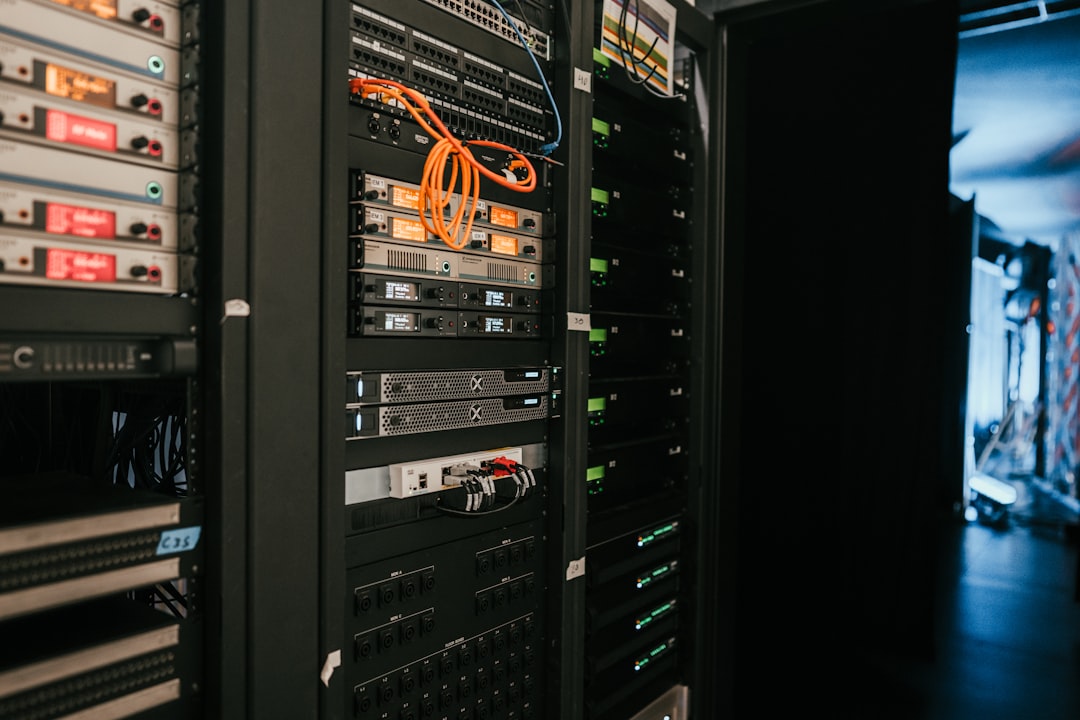
How can GCC businesses ensure their mission-critical data centers achieve 99.999% uptime? The answer lies in specialized facility management and precise recruitment. Data center FM critical infrastructure demands a unique blend of technical expertise and strategic staffing. Consequently, navigating this complex landscape requires a deep understanding of regional requirements and global best practices.
The Gulf region is experiencing unprecedented digital transformation. Therefore, data centers form the backbone of economic diversification. Moreover, extreme climates and stringent uptime requirements create unique operational challenges. Specifically, facility management for these technology hubs goes beyond basic maintenance. It ensures business continuity, data integrity, and substantial financial protection.
At Allianze HR Consultancy, we’ve successfully placed 10,000+ professionals across UAE, Saudi Arabia, Qatar, and Kuwait. Furthermore, our 5+ years of GCC expertise supports clients from 50+ countries. Moreover, our Ministry of External Affairs (India) RA license ensures compliance. Therefore, contact our recruitment specialists for expert guidance on building resilient technical teams.
Understanding GCC Technology Facility Management Demands
GCC data centers operate under intense environmental and commercial pressure. First, ambient temperatures necessitate advanced cooling solutions. Second, regional economic visions like Saudi Vision 2030 demand flawless digital services. Additionally, power reliability and water scarcity directly impact infrastructure design. Furthermore, clients expect zero-downtime for financial, healthcare, and government services.
Therefore, facility management scope extends dramatically. It encompasses mechanical, electrical, and plumbing (MEP) systems. Moreover, it includes fire suppression, physical security, and building management systems. Consequently, recruitment must target multi-skilled professionals. These experts must understand both engineering principles and IT dependencies. For instance, a cooling technician must grasp server heat loads.
Key regional considerations include adherence to local civil defense codes. Also, compliance with telecommunications regulations is mandatory. Additionally, sustainability initiatives like UAE Net Zero 2050 influence operations. Hence, FM teams must implement energy-efficient practices. Finally, cultural and language skills ensure effective coordination with diverse stakeholders and authorities.
- Extreme climate adaptation for cooling and humidity control.
- Integration with national digital transformation agendas.
- Strict adherence to local civil defense and safety codes.
- Focus on energy efficiency and sustainable operations.
- Requirement for 24/7/365 operational readiness and response.
Data Center FM Critical Infrastructure Strategic Overview
A strategic approach to data center FM critical infrastructure is non-negotiable. This framework connects physical maintenance to business outcomes. Specifically, every FM activity must support uptime Service Level Agreements (SLAs). Moreover, it aligns team skills with the tier classification of the facility. For example, a Tier IV center needs more robust protocols than a Tier II site.
Firstly, strategy begins with a comprehensive risk assessment. This identifies single points of failure across power, cooling, and network paths. Secondly, it establishes preventive maintenance schedules based on manufacturer guidelines and operational data. Furthermore, it implements a continuous training program for FM staff. This ensures skills remain current with evolving technology.
Additionally, strategic spare parts inventory management is crucial. It minimizes Mean Time To Repair (MTTR) during component failures. Moreover, a clear escalation matrix defines response protocols for incidents. Consequently, strategic recruitment focuses on hiring for this holistic mindset. Candidates must value precision, documentation, and proactive problem-solving.
- Align FM protocols with data center tier and uptime SLA.
- Develop risk-based preventive and predictive maintenance plans.
- Establish rigorous change management procedures for all work.
- Implement continuous skills development and certification programs.
- Integrate FM operations with IT service management frameworks.
Legal Framework and Compliance Standards
Operating a data center in the GCC involves navigating a multi-layered compliance landscape. Firstly, national labor laws govern employment contracts, working hours, and safety. Secondly, industry-specific regulations from telecommunications authorities apply. For instance, the UAE’s TDRA and Saudi Arabia’s CITC set infrastructure standards. Moreover, international standards often form the baseline for local adoption.
Key global standards include Uptime Institute Tier Standards for design. Also, ISO 27001 addresses information security management. Furthermore, ISO 41001 provides a framework for facility management. Additionally, ASHRAE guidelines dictate temperature and humidity parameters. Consequently, FM personnel must be familiar with these benchmarks. Compliance ensures market credibility and client trust.
Local compliance often involves regular inspections by civil defense and municipal authorities. These inspections verify fire system functionality and electrical safety. Moreover, environmental agencies may monitor water usage and discharge. Therefore, comprehensive documentation of all maintenance activities is essential. This includes work orders, safety checks, and training records. Proper documentation demonstrates due diligence during audits.
Resources like the International Labour Organization workplace safety guidelines inform best practices. Furthermore, the UAE green building regulations influence sustainable operations. Additionally, the International Facility Management Association provides professional standards and certifications.
Data Center FM Critical Infrastructure Best Practices
Implementing proven best practices is the cornerstone of reliable operations. First, adopt a proactive, predictive maintenance philosophy over reactive fixes. This utilizes data from Building Management Systems and IoT sensors. Consequently, it identifies anomalies before they cause outages. Moreover, it schedules disruptive work during planned maintenance windows.
Secondly, enforce meticulous change management procedures. Every modification to critical infrastructure requires formal review and approval. This includes updates to firmware, settings, or physical configurations. Furthermore, comprehensive back-out plans must accompany every change. Additionally, post-implementation reviews validate success and capture lessons learned.
Thirdly, develop and regularly test detailed disaster recovery and business continuity plans. These plans must address various failure scenarios from utility loss to equipment faults. Moreover, they must define clear roles, responsibilities, and communication protocols. Regular tabletop exercises and live drills ensure team readiness. Therefore, recruitment must assess a candidate’s experience with these rigorous processes.
- Implement predictive maintenance using real-time monitoring data.
- Enforce strict change management with peer review for all work.
- Maintain detailed, up-to-date as-built drawings and single-line diagrams.
- Conduct regular failure mode analysis and update response procedures.
- Standardize operating procedures (SOPs) and emergency response protocols (ERPs).
Documentation and Processing Steps for FM Teams
Robust documentation is the lifeblood of effective data center facility management. Firstly, it begins with accurate as-built drawings for all MEP systems. Secondly, it includes comprehensive equipment manuals and warranty information. Moreover, it encompasses a centralized Computerized Maintenance Management System (CMMS). This system logs every work order, inspection, and component replacement.
The recruitment and onboarding process for FM staff must also be documented. This includes verifying technical certifications and previous experience. Additionally, it involves thorough background checks for security clearance. Furthermore, specific training records for site-specific systems are mandatory. Consequently, HR processes must be as rigorous as technical ones.
Key documents for the FM team include Method Statements for complex tasks. Also, Risk Assessments are required before any hazardous work. Moreover, Permit-to-Work systems control access to live electrical or mechanical systems. Finally, incident reports must be completed for any anomaly or failure. This documentation supports root cause analysis and prevents recurrence.
Access to professional recruitment resources streamlines candidate documentation. Furthermore, understanding World Health Organization indoor air quality standards is relevant for air handling. Additionally, reports from the World Bank urban development provide infrastructure context.

Data Center FM Critical Infrastructure Implementation Timeline
Building a competent team for data center FM critical infrastructure follows a phased timeline. The initial planning and definition phase typically takes 2-3 weeks. This involves defining roles, required certifications, and experience levels. Moreover, it establishes salary benchmarks and creates detailed job descriptions. Subsequently, the candidate sourcing and screening phase begins.
Sourcing skilled candidates can take 4-6 weeks, given the niche expertise required. This includes advertising, headhunting, and initial interviews. Furthermore, technical assessments validate hands-on skills with UPS, CRAC, or BMS systems. Additionally, compliance checks for visas and labor quotas add another layer. Therefore, partnering with a specialized recruiter accelerates this stage significantly.
Finally, the onboarding and deployment phase ensures operational readiness. This includes security inductions, site-specific training, and shadowing experienced staff. Moreover, it involves integrating the new hire into the CMMS and communication systems. Consequently, the total timeline from need identification to full productivity often spans 8-12 weeks. Strategic planning mitigates delays in this mission-critical hiring.
- Weeks 1-3: Role definition, JD creation, and compliance planning.
- Weeks 4-9: Active candidate sourcing, screening, and technical interviews.
- Weeks 10-11: Offer negotiation, visa processing, and mobilization.
- Weeks 12+: Site onboarding, specific training, and integration into the FM team.
Common Challenges and Strategic Solutions
Employers face several persistent challenges in managing data center infrastructure. Firstly, finding candidates with the right blend of electrical/mechanical skills and IT awareness is difficult. Secondly, high competition for certified professionals drives up salary costs. Moreover, rapid technological change can make existing team skills obsolete. Additionally, language barriers can complicate communication during critical incidents.
A strategic solution involves developing a talent pipeline. This includes partnerships with technical institutes and apprenticeship programs. Furthermore, investing in continuous certification for current staff retains knowledge. For example, supporting certifications from IFMA or Uptime Institute builds capability. Moreover, implementing knowledge management systems captures tacit expertise from experienced engineers.
Another challenge is balancing cost control with redundancy requirements. The solution lies in data-driven decision making. Analyzing failure probabilities and business impact justifies investments. Additionally, exploring innovative cooling technologies or power schemes can reduce OpEx. Consequently, recruiting financially literate FM managers who understand Total Cost of Ownership is beneficial.
Leveraging global insights helps. For instance, the World Health Organization occupational health guidelines protect staff wellbeing. Furthermore, the World Bank trade and logistics reports highlight infrastructure importance.
Expert Recommendations for Success
To ensure long-term success, adopt a holistic view of your facility management function. First, treat your FM team as a strategic asset, not a cost center. Invest in their tools, training, and career development. Consequently, this reduces turnover and builds institutional knowledge. Moreover, it fosters a culture of ownership and excellence.
Second, integrate your FM and IT leadership. Regular joint meetings align physical infrastructure upgrades with IT roadmap needs. Furthermore, include FM in capacity planning discussions. This prevents surprises where server deployment outpaces cooling or power capacity. Additionally, it ensures FM understands the criticality of each rack and system.
Finally, establish clear Key Performance Indicators beyond basic uptime. Measure Mean Time Between Failures (MTBF) for critical components. Also, track Mean Time To Repair (MTTR) and preventive maintenance compliance. Moreover, monitor energy efficiency metrics like Power Usage Effectiveness (PUE). Therefore, recruitment should target data-literate professionals who can manage to these metrics.
To begin implementing these strategies, schedule a consultation appointment with our experts. We can audit your current team structure and identify talent gaps. Furthermore, we provide market intelligence on compensation and available skill sets. Ultimately, a strategic partnership ensures your infrastructure supports business growth reliably.
Frequently Asked Questions About Data Center FM Critical Infrastructure
What is the timeline for data center FM critical infrastructure recruitment?
Timeline typically ranges 8-12 weeks for specialized roles. Furthermore, sourcing niche engineers and technicians requires extensive networks. Additionally, visa and certification verification adds processing time. Therefore, consult our specialists for accurate, accelerated planning.
What certifications are most valuable for technology facility management staff?
Key certifications include Uptime Institute Accredited Tier Specialist, CDCP, and CFM. Moreover, vendor-specific credentials from Schneider, Eaton, or Vertiv are crucial. Additionally, PMP and ITIL foundations enhance project and service management capabilities for senior roles.
How do GCC climate conditions specifically impact infrastructure maintenance?
Extreme heat and dust accelerate filter clogging and condenser wear. Consequently, maintenance intervals for cooling systems are more frequent. Moreover, humidity control is critical to prevent static and corrosion. Therefore, FM schedules must be adapted to local environmental stressors.
How does Allianze HR ensure candidates meet uptime requirement mindsets?
We employ behavioral interviewing focused on incident response and procedural adherence. Furthermore, we present real-world failure scenarios to assess problem-solving approach. Moreover, we verify past experience in similarly classified facilities through detailed reference checks.
What are the key differences in recruiting for Tier III vs. Tier IV data centers?
Tier IV recruitment demands experience with concurrent maintainability and fault-tolerant design. Candidates must understand multiple active distribution paths. Moreover, experience with more complex control systems and stricter change management is essential. The margin for error is virtually zero.
Can Allianze assist with entire FM team deployment for a new GCC data center?
Absolutely. We provide end-to-end manpower solutions for new facility launches. This includes defining the organizational structure, sourcing team leads and technicians, and managing mobilization logistics. Furthermore, we ensure all compliance and visa processing for the entire cohort is seamless.
Partner with Allianze HR for Infrastructure Management Success
Securing and maintaining data center FM critical infrastructure is a strategic imperative. This guide has outlined the integration of technical standards, recruitment precision, and operational rigor. Furthermore, the GCC’s unique environment demands localized expertise and global best practices. Moreover, the cost of downtime makes expert talent acquisition a high-return investment.
Success hinges on viewing your facility management team as a core competitive advantage. Therefore, meticulous hiring, continuous development, and strategic integration are essential. Additionally, robust partnerships with specialized recruitment firms bridge critical talent gaps. Consequently, your data center can achieve the resilience required by today’s digital economy.
Allianze HR Consultancy provides the regional expertise and global reach to build your elite FM team. We understand the technical nuances and compliance landscape of the Gulf. Moreover, our vast network connects you to certified professionals who prioritize uptime. Let us help you transform your data center infrastructure from a cost center into a reliable business enabler. Contact us today to start building a team that ensures your digital foundation never falters.