


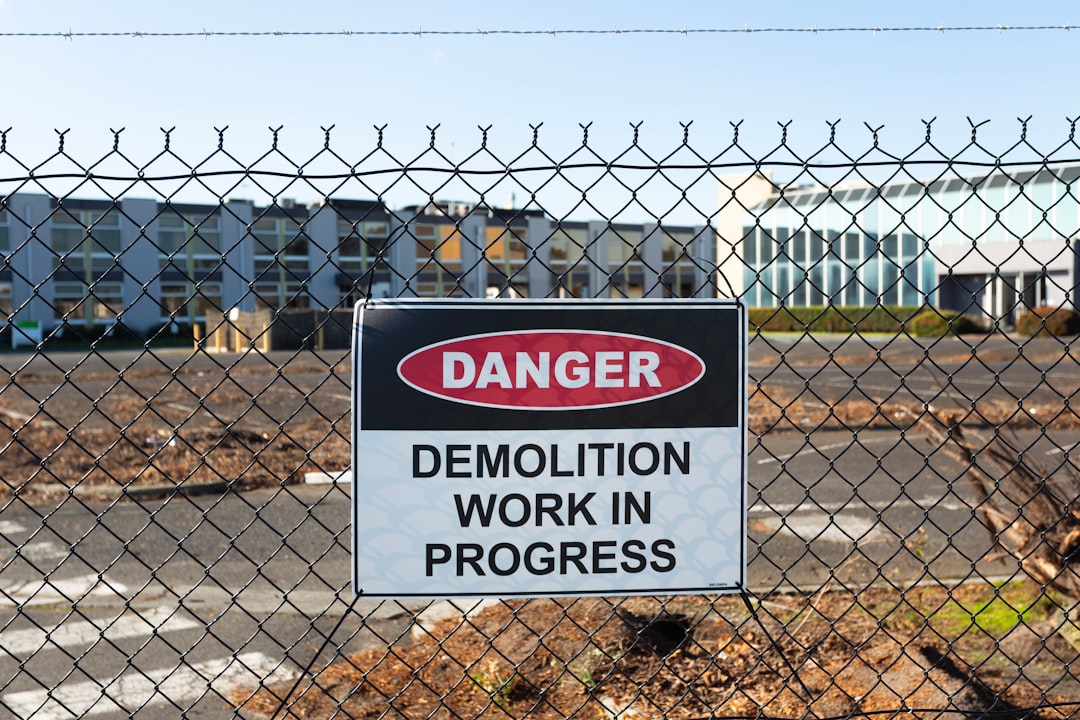
How do you efficiently and compliantly demobilize a 300-worker construction site in the GCC? Furthermore, project completion brings complex logistical and human resource challenges. Consequently, a structured demobilization process is critical for legal compliance and financial protection. This demobilization closing construction sites guide provides essential strategies for GCC employers managing large-scale site closures.
The construction sector in the Gulf is defined by mega-projects with international workforces. Moreover, the conclusion of these projects requires meticulous reverse logistics. Additionally, GCC labor laws impose strict obligations regarding worker repatriation and final settlements. Therefore, understanding regional demobilization protocols protects your company from penalties and reputational damage.
At Allianze HR Consultancy, we’ve successfully managed workforce transitions for projects across UAE, Saudi Arabia, Qatar, and Kuwait. Furthermore, our 5+ years of GCC expertise supports clients from 50+ countries in navigating complex labor scenarios. Moreover, our Ministry of External Affairs (India) RA license ensures full compliance with international recruitment and repatriation standards. Therefore, contact our recruitment specialists for expert guidance on your demobilization strategy.
Understanding GCC Site Closure Requirements
Site demobilization in the Gulf involves more than just sending workers home. First, employers must comply with specific Ministry of Labor and immigration regulations in each country. Additionally, these rules govern end-of-service benefits, visa cancellation, and final exit procedures. Consequently, non-compliance can result in significant fines and project blacklisting.
Furthermore, a successful closure plan addresses multiple operational layers. For example, it synchronizes manpower reduction with equipment removal. Meanwhile, it also ensures all contractual obligations with subcontractors are settled. Therefore, a phased approach is not just recommended but often legally required. This structured method minimizes risk and operational disruption.
- Final settlement calculations per GCC labor law.
- Visa cancellation and exit permit processing.
- Equipment decommissioning and asset inventory.
- Site safety and environmental clearance certificates.
- Subcontractor and vendor agreement terminations.
- Municipality and government authority notifications.
Demobilization Closing Construction Sites Strategic Overview
A strategic overview for demobilization closing construction sites begins with early planning. Ideally, planning should commence 60-90 days before the target closure date. This timeline allows for orderly workforce reduction and logistical coordination. Moreover, it provides a buffer for unexpected regulatory delays.
Secondly, establish a dedicated demobilization team with clear roles. This team should include HR, logistics, finance, and legal representatives. Furthermore, they must develop a detailed checklist covering all closure aspects. Consequently, this prevents critical tasks from being overlooked during the complex wind-down process. Regular team meetings ensure alignment and rapid issue resolution.
- Appoint a demobilization project manager with authority.
- Develop a master schedule integrating all closure activities.
- Create a communication plan for workers and stakeholders.
- Establish a budget for repatriation and closure costs.
- Identify key regulatory touchpoints with government bodies.
- Plan for knowledge transfer and document archiving.
Legal Framework and Compliance Standards
Navigating the GCC legal framework is paramount for compliant demobilization. Each country has distinct labor laws governing termination. For instance, UAE Labor Law and Saudi Arabia’s Labor Law specify end-of-service gratuity calculations. Additionally, International Labour Organization standards provide guidelines on fair termination practices.
Furthermore, immigration compliance is equally critical. Employers must cancel work visas and procure exit permits for departing expatriate workers. Moreover, UAE visa and immigration services portals outline specific procedures. Failure to properly cancel visas creates “absconding” cases, leading to severe penalties for the sponsoring company. Therefore, meticulous documentation is non-negotiable.
- Adherence to national labor laws on termination and benefits.
- Compliance with immigration visa cancellation protocols.
- Fulfillment of contractual notice periods for all employees.
- Settlement of all outstanding wages and overtime payments.
- Provision of air tickets for repatriation as per contract.
- Clearance from utilities and municipal authorities.
Demobilization Closing Construction Sites Best Practices
Implementing best practices for demobilization closing construction sites ensures a smooth, ethical transition. First, maintain transparent communication with your workforce from the outset. Clearly explain the timeline, process, and their entitlements. This reduces anxiety and prevents potential labor disputes. Moreover, it demonstrates respect for your employees’ contributions.
Secondly, adopt a phased workforce reduction strategy. Do not terminate all 300 workers simultaneously. Instead, create waves based on trade and project completion milestones. For example, finishing trades may demobilize after structural work concludes. Consequently, this controls costs and maintains site security and basic operations until the final day. Additionally, it aligns with OSHA construction industry standards for maintaining a safe site during wind-down.
- Conduct individual exit interviews to gather feedback.
- Provide written attestations of employment and experience certificates.
- Organize group briefings on repatriation procedures and timelines.
- Partner with reputable travel agencies for bulk ticketing.
- Arrange for final medical check-ups if required by law.
- Ensure camp facilities remain operational until the last worker departs.
Documentation and Processing Steps
Meticulous documentation forms the backbone of any successful demobilization project. First, compile a master list of all employees with their visa and passport details. Next, prepare individual settlement statements calculating final dues. Furthermore, these statements must be signed by the employee upon receipt of payment. This provides legal proof of settlement and prevents future claims.
Concurrently, initiate the government processing steps. This involves submitting visa cancellation applications to the relevant immigration authority. Moreover, you must apply for exit permits once cancellations are approved. Additionally, ensure you obtain a formal site clearance certificate from project consultants or clients. This document is often required to release final contract payments. Therefore, maintaining an organized document tracker is essential.
- Employee master list with complete identification data.
- Signed final settlement and release agreements.
- Visa cancellation and exit permit application forms.
- Equipment inventory and transfer/sale documentation.
- Client-issued completion and clearance certificates.
- Utility disconnection and municipal clearance proofs.
Demobilization Closing Construction Sites Implementation Timeline
A realistic implementation timeline for demobilization closing construction sites spans 8-12 weeks for a 300-worker project. The first phase (Weeks 1-2) involves planning and team assembly. Subsequently, detailed audits of workforce contracts and equipment begin. Meanwhile, initial communications with the workforce and government bodies are also crucial.
The second phase (Weeks 3-8) executes the phased workforce reduction. Typically, 20-25% of non-essential staff demobilize first. Next, core operational teams wind down specific project areas. Furthermore, parallel logistics for equipment removal and site restoration must progress. Finally, the last phase (Weeks 9-12) handles the final worker wave, camp closure, and obtaining all final clearances. Consequently, this structured approach aligns with World Bank infrastructure development best practices for project lifecycle management.
- Weeks 1-2: Planning, auditing, and initial notifications.
- Weeks 3-5: First wave demobilization (60-75 workers).
- Weeks 6-8: Second wave and major equipment removal.
- Weeks 9-10: Final workforce wave and camp shutdown.
- Weeks 11-12: Final settlements, clearances, and document archiving.
- Contingency Buffer: Additional 2 weeks for regulatory delays.
Common Challenges and Solutions
Employers face several common challenges during large-scale demobilization. First, workers may refuse to sign settlement papers or vacate accommodations. To address this, ensure calculations are accurate and transparent. Furthermore, involve embassy labor welfare officials early in cases of dispute. Their mediation can resolve issues amicably and prevent escalation.
Another frequent challenge is delays in government processing. Immigration offices can become overloaded, slowing visa cancellations. Therefore, submit applications in batches rather than all at once. Additionally, consider engaging a professional PRO service with dedicated government channels. Moreover, unexpected equipment repair or maintenance issues can delay asset removal. Consequently, include a contingency budget and timeline for such logistical hurdles. Proactive planning mitigates these risks effectively.
- Challenge: Worker disputes over final settlements. Solution: Transparent calculations and third-party mediation.
- Challenge: Government processing delays. Solution: Batched submissions and professional PRO services.
- Challenge: Abandoned equipment or materials. Solution: Early identification of assets for sale or transfer.
- Challenge: Maintaining site security with a reducing team. Solution: Hire specialized security contractors for the wind-down period.
- Challenge: Lost project documentation. Solution: Centralized digital archiving from project commencement.
- Challenge: Environmental non-compliance during cleanup. Solution: Engage certified waste management contractors.
Expert Recommendations for Success
Expert recommendations begin with treating demobilization with the same rigor as project mobilization. Assign a senior manager to lead the process with full authority. Furthermore, integrate demobilization clauses into all initial employment and subcontractor contracts. This establishes clear terms for termination from the project’s start.
Secondly, leverage technology for efficiency. Use digital checklists and cloud-based trackers to monitor each worker’s status. Moreover, utilize our professional recruitment resources for template settlement agreements and checklists. Additionally, conduct a post-demobilization review to capture lessons learned. This improves processes for future projects. Finally, prioritize ethical treatment of workers throughout. This protects your brand reputation and ensures compliance with World Health Organization workplace standards for worker welfare during transitions.
- Start demobilization planning during the project mobilization phase.
- Use digital tools for real-time tracking of personnel and tasks.
- Build relationships with embassy labor attachés before they are needed.
- Allocate a contingency fund of 10-15% for unexpected closure costs.
- Ensure continuous compliance with UAE construction sector employment laws until the final day.
- Formalize handover of all project data and documents to the client or asset owner.
Frequently Asked Questions About Demobilization Closing Construction Sites
What is the timeline for demobilization closing construction sites?
The timeline typically spans 8-12 weeks for a 300-worker site. Furthermore, this includes phased workforce reduction, equipment removal, and final clearances. Therefore, consult our specialists for a customized project schedule.
What are the key legal risks in site demobilization?
Key risks include incorrect final settlements, improper visa cancellation, and failure to obtain clearances. Additionally, these can lead to fines, travel bans, and litigation. Moreover, non-compliance damages contractor reputation and future bidding prospects.
How should equipment be handled during site closure?
First, conduct a complete inventory and condition assessment. Next, decide on transfer to new projects, sale, or return to lessors. Furthermore, decommissioning must follow environmental and safety regulations. Consequently, planning equipment logistics early prevents costly delays.
How does Allianze HR support the demobilization process?
We provide end-to-end workforce transition management. This includes legal compliance audits, final settlement processing, and repatriation coordination. Moreover, our expertise ensures adherence to GCC labor laws, protecting your company from violations.
What is a phased workforce reduction strategy?
It is a planned, sequential release of workers based on project milestones. This maintains operational control and safety. Additionally, it manages cash flow and aligns with equipment removal schedules. Therefore, it is the recommended approach for large-scale closures.
Why is a site clearance certificate important?
This certificate, often from the client or consultant, confirms all work is complete and the site is handed over. Furthermore, it is frequently required to release final contract payments and bank guarantees. Consequently, it is a critical financial document in the closure process.
Partner with Allianze HR for Demobilization Success
Successfully managing demobilization closing construction sites requires specialized expertise in GCC labor law and logistics. Furthermore, a poorly executed closure carries significant financial and legal risks. Therefore, partnering with an experienced HR consultancy transforms this complex challenge into a managed process. Moreover, it allows your core team to focus on securing the next project.
Allianze HR Consultancy provides comprehensive support for your entire project lifecycle. From initial bulk hiring to final demobilization, we ensure compliance and efficiency. Our team handles the intricate details of workforce reduction, final settlements, and regulatory filings. Consequently, you achieve a compliant, ethical, and efficient site closure that protects your interests and reputation. Schedule consultation appointment with our experts today to develop a tailored demobilization plan for your project. Let us help you close one chapter seamlessly as you prepare to begin the next.