


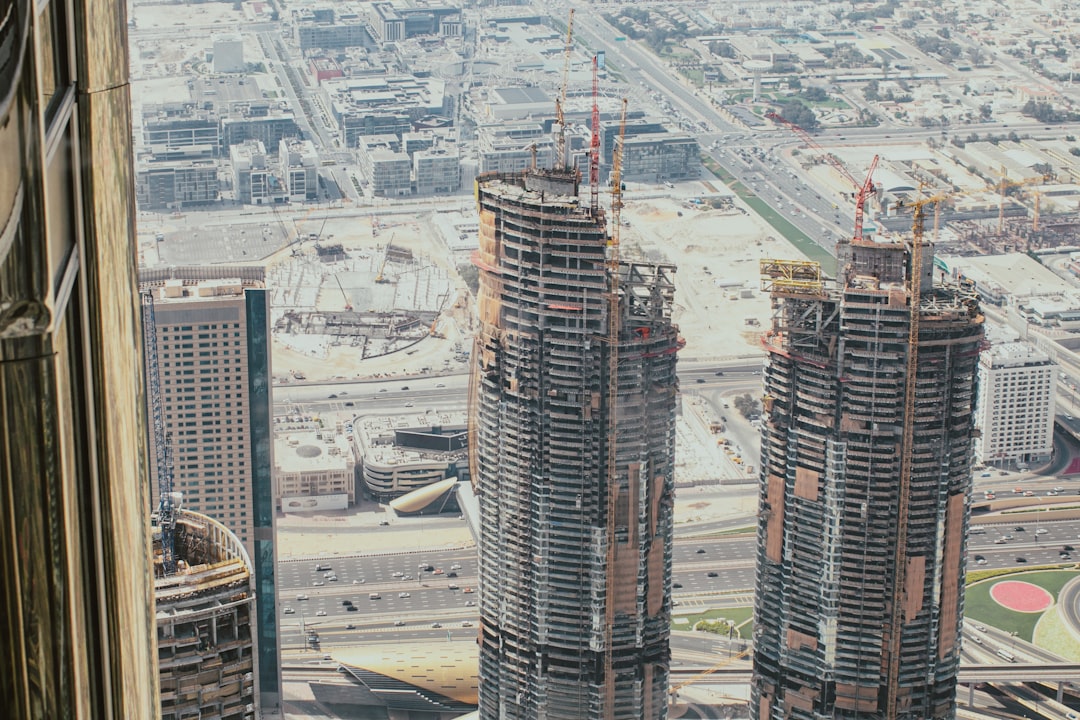
How do you assemble the specialized construction crews for a project as monumental as the Dubai Creek Tower? This architectural marvel demands more than standard labor. It requires elite talent with proven high-rise expertise and impeccable safety credentials. Consequently, recruiting Dubai Creek Tower construction teams presents a unique challenge for employers across the Gulf. Furthermore, the GCC’s competitive construction market intensifies the search for certified professionals. Therefore, a strategic approach to talent acquisition and compliance is essential for project success.
The construction landscape in the Middle East is defined by iconic, record-breaking structures. These projects push engineering boundaries and redefine city skylines. Specifically, super-tall towers require crews with experience in advanced concrete work, steel erection, and vertical logistics. Moreover, regional safety standards are exceptionally stringent. Employers must navigate complex certification requirements while sourcing top-tier talent. This process ensures both structural integrity and worker wellbeing on the world’s most ambitious sites.
At Allianze HR Consultancy, we’ve successfully placed 10,000+ professionals across UAE, Saudi Arabia, Qatar, and Kuwait. Furthermore, our 5+ years of GCC expertise supports clients from 50+ countries. Specifically, our deep understanding of mega-project recruitment helps secure specialized construction crews. Moreover, our Ministry of External Affairs (India) RA license ensures full compliance. Therefore, contact our recruitment specialists for expert guidance on building your elite team.
Understanding Mega-Project Crew Requirements
Constructing the world’s tallest tower necessitates a multi-disciplinary workforce. This team extends beyond conventional trades. First, structural engineers and surveyors form the technical backbone. Next, specialist riggers and crane operators manage vertical material movement. Additionally, concrete specialists for high-performance mixes are critical. Furthermore, façade installers for complex cladding systems ensure aesthetic and functional perfection. Finally, safety officers and logistics coordinators maintain site integrity.
Each role demands specific technical certifications. For example, crane operators require GCC-approved licenses for super-tall lifts. Similarly, welders must hold certifications for high-strength steel connections. Moreover, all personnel need rigorous safety training. This includes working at extreme heights and in confined spaces. Consequently, recruitment focuses on verified experience and credentials. Employers must validate past project involvement meticulously.
The complexity demands seamless collaboration between disciplines. Therefore, soft skills like communication and problem-solving are equally vital. Teams must adapt to innovative construction methodologies daily. Furthermore, cultural adaptability within diverse crews ensures harmonious operations. This holistic approach to talent assessment guarantees a cohesive and capable workforce for unprecedented engineering challenges.
Dubai Creek Tower Construction Teams Strategic Overview
Building Dubai Creek Tower construction teams requires a phased recruitment strategy. This approach aligns with the project’s distinct construction stages. Initially, the foundation phase needs piling and geotechnical experts. Subsequently, the core and shell erection demands structural steel and concrete specialists. Meanwhile, MEP installations require specialized engineers and technicians. Finally, interior and exterior finishing crews complete the tower. Each phase has unique manpower and skill requirements.
Strategic planning involves forecasting these needs accurately. First, analyze project timelines and manpower curves. Next, identify potential skill shortages in the regional market. Then, develop sourcing pipelines from global talent pools. Additionally, establish rigorous competency assessment protocols. This ensures every hire meets the project’s exceptional standards. Moreover, integrating International Labour Organization construction safety principles from the start is non-negotiable.
Partnering with a specialized recruiter streamlines this complex process. Experienced partners understand the nuances of mega-project mobilization. They manage everything from initial sourcing to final deployment. Furthermore, they ensure compliance with all UAE construction sector employment regulations. This strategic partnership mitigates risk and accelerates timeline adherence. Ultimately, it transforms the daunting task of crew assembly into a managed, efficient operation.
Legal Framework and Safety Certification Standards
GCC construction sites operate under some of the world’s strictest safety regimes. Compliance is not optional. It is a fundamental requirement for project participation. Firstly, the UAE’s Ministry of Human Resources and Emiratisation sets core labor laws. Secondly, the Dubai Municipality and Trakhees enforce specific construction safety codes. Additionally, international standards like OSHA construction industry standards often form the baseline. Consequently, every crew member must hold relevant, recognized certifications.
Mandatory certifications vary by trade. For instance, all workers need basic Green Belt occupational health and safety training. Supervisors require advanced Gold Belt or similar certification. Furthermore, roles involving height demand specialized courses like Working at Heights and Rescue Training. Similarly, crane and heavy equipment operators need GCC-issued licenses. Moreover, electrical and mechanical trades require competency cards from authorities like DEWA or ADDC. This layered certification framework ensures comprehensive site safety.
Verification and document attestation are critical steps. Employers must validate every certificate’s authenticity. This often involves attestation from home country authorities and UAE embassies. Additionally, medical fitness certificates from approved centers are mandatory. Furthermore, labor contracts must align with UAE standard templates. Non-compliance results in severe penalties, project delays, and visa rejections. Therefore, meticulous attention to legal documentation protects the employer and the worker, adhering to World Health Organization workplace standards.
Dubai Creek Tower Construction Teams Best Practices
Adopting industry best practices is crucial for assembling elite Dubai Creek Tower construction teams. First, implement a competency-based interviewing framework. This technique assesses practical skills over theoretical knowledge. For example, present candidates with real-world scenarios from super-tall construction. Next, conduct thorough reference checks on previous mega-projects. Verify specific contributions to Burj Khalifa, Kingdom Tower, or similar landmarks. This validation confirms hands-on experience.
Secondly, prioritize continuous safety culture. Safety certification is a starting point, not an end goal. Furthermore, integrate ongoing safety drills and toolbox talks into the work schedule. Additionally, empower safety officers with authority to halt unsafe work. This proactive approach prevents accidents and fosters a shared responsibility mindset. Moreover, leverage technology like wearable safety devices and BIM for hazard planning. These tools enhance the physical safety protocols on site.
Thirdly, focus on retention and wellbeing. High-stakes projects cause significant stress. Therefore, provide clear career progression paths and skill development opportunities. Additionally, ensure superior living accommodations and welfare facilities. This investment reduces turnover and maintains crew morale. Consequently, a stable, experienced team improves productivity and quality. Finally, maintain open communication channels between management and crews. This practice quickly resolves issues and reinforces a collaborative project culture aligned with global World Bank infrastructure development best practices.
Documentation and Visa Processing Steps
Mobilizing specialized construction crews involves a multi-stage documentation process. Understanding this workflow prevents costly delays. Initially, the employer must secure quota approval from the UAE Ministry of Labour. This step authorizes the number of visas available. Subsequently, prepare and attest the employment contract. The contract must detail salary, working hours, and benefits clearly. Moreover, it must comply with UAE labor law to ensure enforceability.
Next, the candidate begins personal document preparation. This includes educational and professional certificate attestation. Additionally, a police clearance certificate from the home country is often required. Then, the candidate undergoes a medical fitness test at an approved GCC center. Following approval, the employer applies for the entry permit. Once the worker enters the UAE, the process shifts to Emirates ID registration and medical screening. Finally, the labor card and residency visa are stamped in the passport.
Each step has specific timelines and potential bottlenecks. For instance, attestation can take several weeks depending on the country of origin. Similarly, medical results may require follow-up tests. Therefore, proactive planning and expert guidance are invaluable. Specialized recruiters manage this entire pipeline. They ensure document accuracy and sequence adherence. This streamlined approach guarantees your Dubai Creek Tower construction teams arrive on site ready to work, without administrative hurdles.
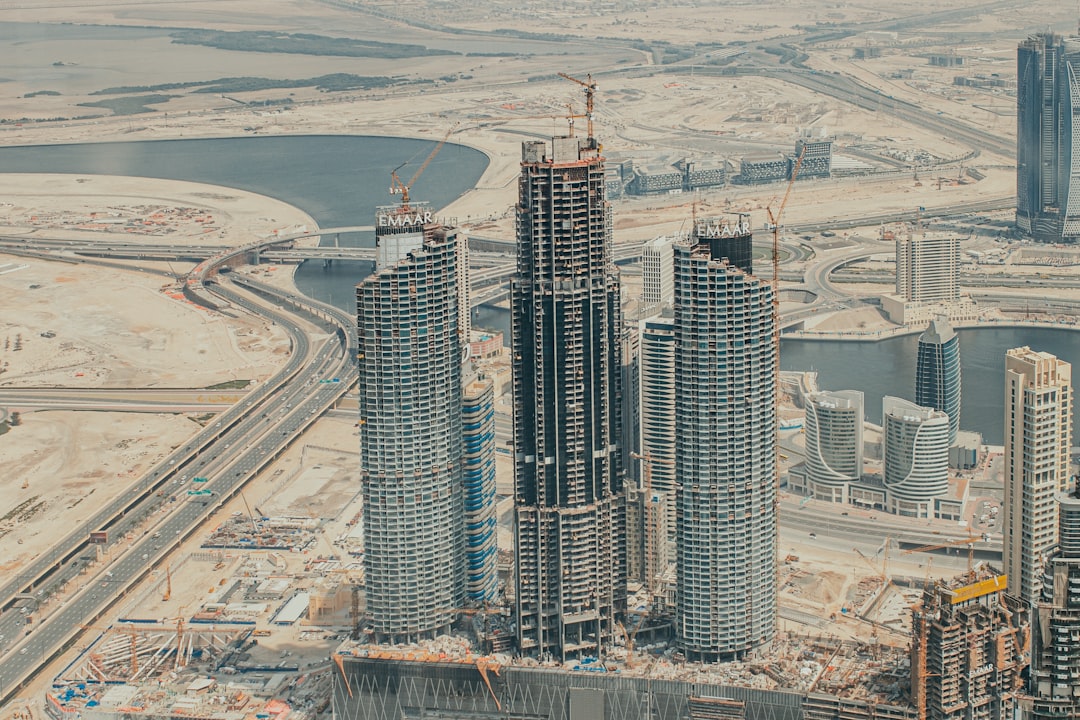
Dubai Creek Tower Construction Teams Implementation Timeline
A realistic timeline is vital for successful crew mobilization. Rushing the process compromises quality and compliance. Typically, assembling specialized Dubai Creek Tower construction teams takes 8 to 14 weeks. This duration covers sourcing, screening, documentation, and deployment. However, the timeline varies based on role seniority and nationality. For example, sourcing a rare specialist like a tower crane engineer may extend the cycle. Conversely, bulk hiring for general trades can follow an accelerated batch process.
The timeline breaks into distinct phases. Weeks 1-2 involve detailed job analysis and sourcing strategy. Subsequently, weeks 3-5 focus on candidate screening and technical interviews. Then, weeks 6-9 are dedicated to offer management and document collection. Meanwhile, the visa and attestation process runs concurrently, often taking 4-6 weeks. Finally, weeks 10-14 handle travel logistics, onboarding, and site induction. This phased approach ensures systematic progress.
Several factors can influence this schedule. Firstly, changes in GCC immigration policies may affect visa processing times. Secondly, the availability of flight schedules and accommodations impacts deployment. Thirdly, the candidate’s personal document readiness is a variable. Therefore, building buffer time into the project plan is essential. Partnering with an experienced recruiter provides accurate timeline forecasting. Their expertise mitigates surprises and keeps your mega-project on schedule. Explore our professional recruitment resources for detailed planning tools.
Common Recruitment Challenges and Solutions
Recruiting for a landmark project presents unique obstacles. Recognizing these challenges early allows for effective solutions. A primary challenge is the scarcity of truly experienced super-tall tower professionals. The global pool is limited. Consequently, competition among developers is fierce. To overcome this, expand sourcing beyond traditional markets. Target regions with recent mega-project completions. Additionally, consider upskilling candidates with relevant high-rise experience on slightly smaller projects.
Another significant hurdle is certification fraud. Unfortunately, fake safety certificates exist in the market. Therefore, implement a rigorous verification protocol. This includes direct verification with issuing authorities and practical skills assessments. Moreover, high salary expectations can strain project budgets. Develop a transparent compensation structure. It should balance market rates with performance-linked incentives. This approach attracts talent while controlling costs.
Finally, cultural integration and team cohesion are often underestimated. A crew comprising multiple nationalities must work as one unit. The solution is a structured onboarding and integration program. This program should cover project goals, communication protocols, and cultural awareness. Furthermore, assign mentors to new hires for smoother assimilation. Addressing these human factors reduces conflict and boosts productivity. It transforms a group of individuals into a unified, high-performing team.
Expert Recommendations for Project Success
Success in mega-project recruitment hinges on strategic partnerships and forward planning. Firstly, engage your recruitment partner during the project’s design phase. Early involvement allows for talent mapping and pipeline development. This proactive strategy prevents last-minute scrambling. Secondly, invest in employer branding. Position your project as the career opportunity of a lifetime. Highlight the unique engineering challenges and legacy. This attracts passionate professionals motivated by achievement, not just salary.
Thirdly, embrace technology in the recruitment process. Use virtual reality for site familiarization during interviews. Implement applicant tracking systems for efficient candidate management. Additionally, utilize data analytics to identify sourcing trends and attrition risks. These tools provide a competitive edge in a tight talent market. Moreover, foster strong relationships with technical institutes and trade schools. These institutions are future talent pipelines.
Finally, prioritize ethical recruitment and worker welfare. This commitment ensures sustainable operations and protects your corporate reputation. Provide clear grievance redressal mechanisms and ensure timely wage payments. Furthermore, maintain exemplary living conditions as per World Bank infrastructure development guidelines. A respected employer brand naturally attracts the best talent. It creates a virtuous cycle of quality recruitment and outstanding project delivery. Schedule consultation appointment with our experts to develop your customized strategy.
Frequently Asked Questions About Dubai Creek Tower Construction Teams
What is the timeline for Dubai Creek Tower construction teams recruitment?
The timeline typically ranges from 8 to 14 weeks for specialized roles. This period covers sourcing, vetting, certification checks, and visa processing. Furthermore, complexity increases for rare specialists. Therefore, consult our specialists for a precise project-specific schedule.
Which safety certifications are mandatory for high-rise construction crews?
Mandatory certifications include Green/Gold Belt safety training, Working at Heights, Confined Space Entry, and crane operation licenses. Additionally, trade-specific competency cards from UAE authorities like DEWA are required. Moreover, all certificates must be attested and verified for authenticity.
How do you verify experience on previous super-tall projects?
Verification involves detailed reference checks with former employers, reviewing project-specific documentation, and conducting technical interviews focused on problem-solving. Furthermore, we assess knowledge of unique engineering challenges specific to towers exceeding 800 meters in height.
What are the biggest challenges in sourcing these specialized teams?
Key challenges include a limited global talent pool, intense competition, certification fraud, and high salary expectations. Additionally, ensuring cultural cohesion within a multinational crew requires dedicated management and onboarding strategies.
Can existing crews be upskilled for a project of this scale?
Yes, selective upskilling is feasible for crews with adjacent high-rise experience. This involves advanced technical training, specialized safety certifications, and mentorship programs. However, mission-critical lead roles typically require proven, direct experience on comparable mega-projects.
How does Allianze HR ensure compliance for such high-risk roles?
We maintain a strict verification protocol aligned with UAE Ministry of Labour standards. Our process includes direct certificate validation, comprehensive background checks, and contract compliance audits. Moreover, our RA license mandates adherence to all emigration and labor laws.
Partner with Allianze HR for Elite Crew Success
Assembling the specialized Dubai Creek Tower construction teams is a monumental task in itself. It demands precision, expertise, and an unwavering commitment to safety and quality. From understanding intricate certification requirements to executing flawless global mobilization, every detail matters. Furthermore, the success of such an iconic project hinges directly on the caliber of its workforce. Therefore, choosing the right recruitment partner is not a support function. It is a critical strategic decision.
Allianze HR Consultancy brings proven expertise in mega-project staffing across the GCC. Our systematic approach covers strategic planning, global talent sourcing, and rigorous compliance management. We ensure your crew possesses the technical prowess and certified safety knowledge to excel. Moreover, we handle the complex logistics of documentation and deployment. This allows your project management to focus on construction milestones, not administrative burdens.
Let us help you build the team that will build the future. Contact us today to develop a tailored recruitment strategy for your landmark project. Together, we can turn architectural ambition into structural reality with a workforce that is skilled, safe, and ready to make history. Reach out to our expert team now to begin this essential partnership.