


How can facility managers in the GCC ensure vertical transportation reliability across soaring towers and bustling commercial hubs? The answer lies in modern elevator monitoring remote diagnostics. This technology transforms reactive maintenance into proactive management. Consequently, it reduces downtime and enhances safety. Moreover, it delivers significant operational savings. This guide explores the strategic implementation of IoT-based lift monitoring for GCC facilities.
The GCC’s rapid urbanization demands robust building systems. Elevators are critical infrastructure components. Furthermore, regional heat and high usage create unique maintenance challenges. Therefore, remote diagnostic solutions offer a vital advantage. They provide real-time insights into equipment health. Additionally, they align with smart city initiatives across Dubai, Riyadh, and Doha. This technology is no longer a luxury but a necessity for modern facility management.
At Allianze HR Consultancy, we understand that advanced facilities require specialized talent to manage them. While we specialize in connecting employers with skilled technical professionals, we recognize the systems they operate. Our 5+ years of GCC expertise supports clients from 50+ countries in building capable teams. Moreover, our Ministry of External Affairs (India) RA license ensures compliant recruitment for your technical staff. Therefore, contact our recruitment specialists for expert guidance on staffing your facility management operations.
Understanding Modern Vertical Transportation Management
Facility management in the GCC has evolved dramatically. Today, it integrates advanced technologies for efficiency. Elevator systems are particularly critical. They impact tenant satisfaction and building safety directly. Furthermore, traditional maintenance schedules often fail. They cannot predict unexpected component failures. Consequently, unplanned outages disrupt business operations severely.
Modern solutions leverage the Internet of Things (IoT). Sensors collect vast amounts of operational data. This includes motor temperature, door cycle counts, and vibration levels. Additionally, software platforms analyze this data in real-time. They identify patterns indicating potential failures. Therefore, managers receive alerts before breakdowns occur. This proactive approach defines next-generation facility management.
Key components of an advanced system include:
- IoT Sensors: Devices attached to critical elevator components.
- Gateway Connectivity: Secure data transmission to cloud platforms.
- Analytics Software: Algorithms that process data for actionable insights.
- Dashboard Interfaces: User-friendly displays for facility managers.
- Alert Systems: Automated notifications via SMS or email.
- Reporting Tools: Compliance and performance documentation.
Implementing such systems requires skilled technicians. These professionals install and maintain diagnostic hardware. Moreover, they interpret system alerts accurately. Consequently, having the right team is essential for success. Partnering with a knowledgeable recruiter ensures access to this talent.
Elevator Monitoring Remote Diagnostics Strategic Overview
Implementing elevator monitoring remote diagnostics requires a clear strategy. First, assess your current lift assets and maintenance contracts. Next, define your key performance indicators. These include mean time between failures and average repair time. Furthermore, consider integration with existing building management systems. A cohesive strategy maximizes return on investment.
The core value lies in predictive maintenance. This approach uses data to forecast equipment needs. For example, abnormal bearing vibration signals impending failure. Subsequently, technicians replace the bearing during planned downtime. Therefore, disruptive breakdowns are avoided entirely. This strategy enhances passenger safety and satisfaction significantly.
Strategic benefits for GCC facilities include:
- Downtime Reduction: Predictive alerts prevent catastrophic failures.
- Cost Optimization: Planned parts replacement avoids emergency premiums.
- Compliance Assurance: Automated logs demonstrate adherence to safety regulations.
- Extended Asset Life: Optimal operating conditions prolong equipment lifespan.
- Energy Efficiency: Monitoring can identify wasteful power consumption patterns.
- Data-Driven Decisions: Historical trends inform capital planning for upgrades.
However, technology alone is insufficient. You need personnel who can leverage these tools effectively. Skilled facility engineers and elevator technicians are crucial. They translate data into maintenance actions. Therefore, your recruitment strategy must prioritize technical competency. Explore our professional recruitment resources for insights on finding this talent.
Legal Framework and Compliance Standards
GCC countries enforce strict regulations for elevator safety. These standards are continuously updated. For instance, the UAE follows the Emirates Authority for Standardization and Metrology (ESMA) guidelines. Similarly, Saudi Arabia implements SASO standards. Furthermore, local civil defense departments conduct regular inspections. Non-compliance results in heavy fines and operational shutdowns.
Remote diagnostics systems aid compliance dramatically. They maintain digital records of all maintenance activities. Additionally, they document performance against regulatory thresholds. Consequently, facility managers can generate compliance reports instantly. This simplifies the audit process for authorities. Moreover, it demonstrates a commitment to occupant safety.
Key regulatory considerations include:
- Annual Inspection Certifications: Mandatory checks by government-approved inspectors.
- Preventive Maintenance Logs: Documented proof of scheduled servicing.
- Safety Component Testing: Regular checks of brakes, doors, and emergency systems.
- Accessibility Standards: Compliance with regulations for people of determination.
- Environmental Regulations: Adherence to energy efficiency and refrigerant standards.
International standards also provide valuable guidance. The International Labour Organization workplace safety principles emphasize hazard prevention. Additionally, the International Facility Management Association offers best practice frameworks. Understanding these standards is essential for your technical staff. Therefore, hiring qualified professionals is a compliance imperative.
Elevator Monitoring Remote Diagnostics Best Practices
Successful implementation of elevator monitoring remote diagnostics follows established best practices. First, conduct a comprehensive asset audit. Identify all elevator units, their ages, and maintenance histories. Next, select a scalable IoT platform. Ensure it can grow with your portfolio. Furthermore, prioritize cybersecurity from the outset. Connected devices are potential network vulnerabilities.
Integration with workflow systems is another critical practice. Diagnostic alerts should automatically generate work orders. Subsequently, these orders dispatch to the appropriate technician. Moreover, the system should track resolution times and parts used. This creates a closed-loop process for continuous improvement. Therefore, operational efficiency increases substantially.
Essential best practices include:
- Phased Rollout: Pilot the system on a few elevators before full deployment.
- Staff Training: Invest in comprehensive training for facility management teams.
- Vendor Partnership: Choose technology partners with strong GCC support networks.
- Data Governance: Establish clear protocols for data ownership, access, and retention.
- Performance Review: Schedule quarterly reviews of system alerts and maintenance outcomes.
- Stakeholder Communication: Keep building tenants informed about new monitoring initiatives.
These practices require a skilled team to execute. Technicians must understand both hardware and software. Additionally, facility managers need analytical skills to interpret data. Consequently, your recruitment process must assess these competencies. For guidance on building such a team, schedule a consultation appointment with our experts.
Documentation and Processing Steps
Implementing a remote monitoring system involves meticulous documentation. First, create detailed asset registers for all elevator components. This includes serial numbers, installation dates, and warranty information. Next, document the installation process for IoT sensors. Photographic evidence and calibration certificates are essential. Furthermore, establish a digital filing system for easy retrieval.
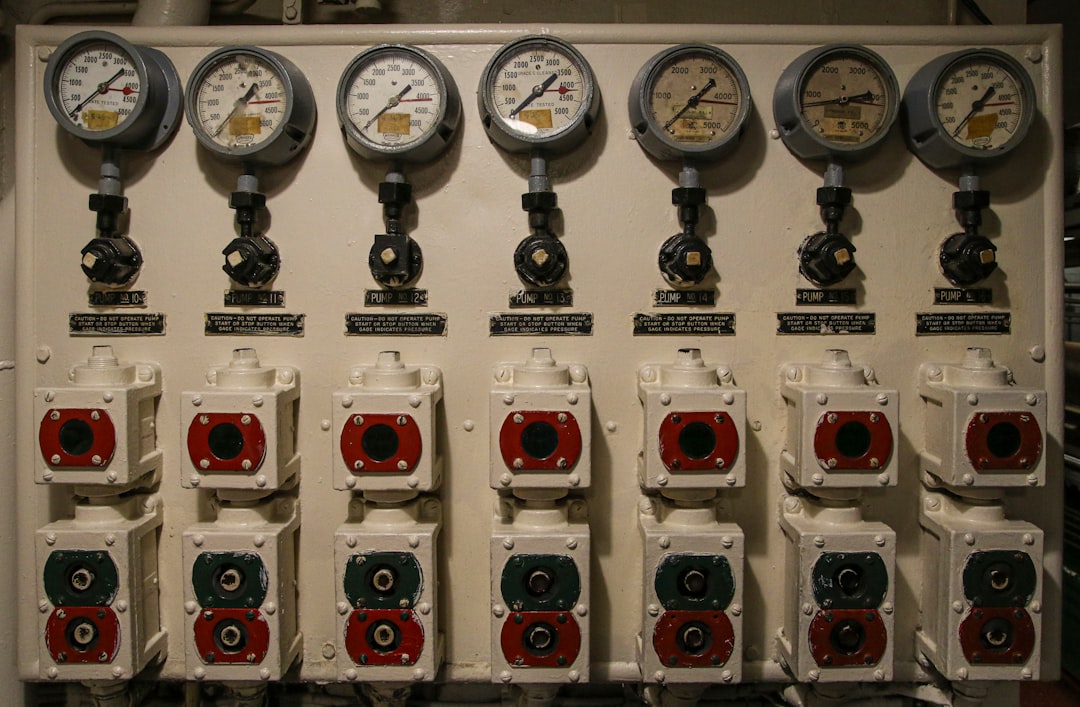
The processing of diagnostic data follows a structured workflow. Initially, raw sensor data transmits to a secure cloud. Next, analytics algorithms process this data. They compare readings against established baselines. Subsequently, the system generates alerts for anomalies. These alerts then route to the appropriate personnel. Finally, resolved alerts are logged for historical analysis.
Critical documentation includes:
- System Architecture Diagrams: Network layouts and data flow maps.
- Installation Certificates: Signed-off checklists by certified technicians.
- Data Processing Agreements: Contracts with cloud service providers.
- Alert Response Protocols: Step-by-step procedures for different alarm types.
- Training Records: Documentation of staff competency development.
- Audit Trail Logs: Automated records of all system access and actions.
Regional authorities may require specific documentation formats. The UAE green building regulations often include elevator efficiency reporting. Additionally, maintaining high indoor air quality around machine rooms is important, as noted by the World Health Organization. Proper documentation ensures you meet all such requirements.
Elevator Monitoring Remote Diagnostics Implementation Timeline
A realistic timeline for elevator monitoring remote diagnostics deployment spans several months. The first phase involves planning and vendor selection. This typically takes four to six weeks. Next, the procurement and staging of hardware occurs. Furthermore, scheduling installation around building operations is crucial. Therefore, careful coordination with tenants minimizes disruption.
The installation and commissioning phase follows. Technicians install sensors and establish connectivity. Subsequently, they calibrate the system and test data flow. Moreover, initial baseline data collection begins. This period allows the system to “learn” normal operating patterns. Consequently, alert thresholds become accurate and reliable.
A typical 12-month timeline includes:
- Months 1-2: Needs assessment, budgeting, and request for proposal (RFP) processes.
- Months 3-4: Vendor contract finalization and hardware procurement.
- Months 5-6: Pilot installation on 10-15% of elevator assets.
- Months 7-9: Full-scale rollout across the remaining portfolio.
- Months 10-12: System optimization, staff training, and performance review cycles.
Staffing this project requires foresight. You need project managers, IoT technicians, and data analysts. These roles are specialized and in high demand. Therefore, early engagement with a recruitment partner is advisable. They can source candidates with the precise skill set needed. This ensures your timeline remains on track.
Common Challenges and Solutions
Facility managers often face challenges when adopting new technology. First, legacy elevator systems may lack modern connectivity ports. Retrofitting these units can be complex. The solution involves using external sensor kits with wireless communication. Additionally, integrating data from multiple elevator brands into one dashboard is difficult. Middleware software platforms can normalize this data effectively.
Another common challenge is staff resistance to change. Technicians accustomed to manual checks may distrust automated alerts. The solution involves inclusive change management. Engage technicians early in the selection process. Furthermore, demonstrate how the system makes their job easier and safer. Subsequently, provide comprehensive hands-on training. Therefore, staff become advocates for the technology.
Additional challenges and solutions include:
- Challenge: High initial capital investment. Solution: Build a business case focusing on long-term operational savings and risk reduction.
- Challenge: Data security concerns. Solution: Implement enterprise-grade encryption and access controls from day one.
- Challenge: Unreliable network connectivity in elevator shafts. Solution: Use robust industrial-grade gateways with multiple communication fallbacks.
- Challenge: Managing alert fatigue from false positives. Solution: Continuously refine algorithm thresholds based on historical performance data.
Understanding broader urban infrastructure trends helps contextualize these solutions. Reports from the World Bank on urban development highlight the importance of smart infrastructure. Moreover, navigating these challenges requires a skilled, adaptable team. Investing in the right people is the ultimate solution to most operational hurdles.
Expert Recommendations for Success
To ensure success, start with a clear business objective. Define what you want to achieve. Is it reducing downtime, cutting costs, or improving compliance? Next, secure executive sponsorship. Furthermore, allocate a dedicated project manager. This individual will drive the implementation across departments. Therefore, accountability remains clear throughout the process.
Building a cross-functional team is another key recommendation. Include representatives from facility management, IT, finance, and procurement. Additionally, involve frontline elevator technicians. Their practical insights are invaluable. Moreover, establish key performance indicators (KPIs) from the start. Measure success against these metrics regularly. Consequently, you can demonstrate tangible return on investment.
Final expert recommendations include:
- Future-Proof Your Investment: Choose platforms with open APIs for integration with emerging technologies.
- Focus on Data Quality: Ensure sensor calibration and data validation processes are rigorous.
- Develop In-House Expertise: Train at least two staff members to become system super-users.
- Leverage Predictive Analytics: Move beyond fault detection to true predictive lifespan modeling.
- Benchmark Performance: Compare your elevator performance data with industry averages.
Ultimately, technology is an enabler, but people are the executors. Your facility’s success hinges on the competency of your team. From the chief engineer to the maintenance technician, each role is critical. Partnering with a specialist recruiter ensures you attract and retain this talent. This human element is the foundation of any successful digital transformation.
Frequently Asked Questions About Elevator Monitoring Remote Diagnostics
What is the primary benefit of elevator monitoring remote diagnostics?
The primary benefit is the shift from reactive to predictive maintenance. This system identifies potential failures before they cause breakdowns. Consequently, it drastically reduces unplanned downtime and enhances passenger safety. Furthermore, it optimizes maintenance spending and extends asset life.
Can IoT systems be installed on older elevator models?
Yes, most older elevators can be retrofitted with external sensor kits. These kits monitor vibration, temperature, and power consumption without direct controller integration. However, the depth of data may be less than with modern, native systems. A specialist assessment is recommended for legacy assets.
How does this technology impact facility management staffing needs?
It shifts the required skill set rather than eliminating jobs. Technicians need digital literacy to interpret dashboards and alerts. Additionally, data analysis skills become more valuable. Therefore, training existing staff and recruiting for new competencies is essential for successful adoption.
What are the cybersecurity risks with connected elevator systems?
Risks include unauthorized data access or manipulation of control systems. Mitigation involves using encrypted communication protocols, network segmentation, and regular security audits. Furthermore, choosing vendors with strong security certifications is critical. Always treat operational technology networks with the same rigor as IT networks.