


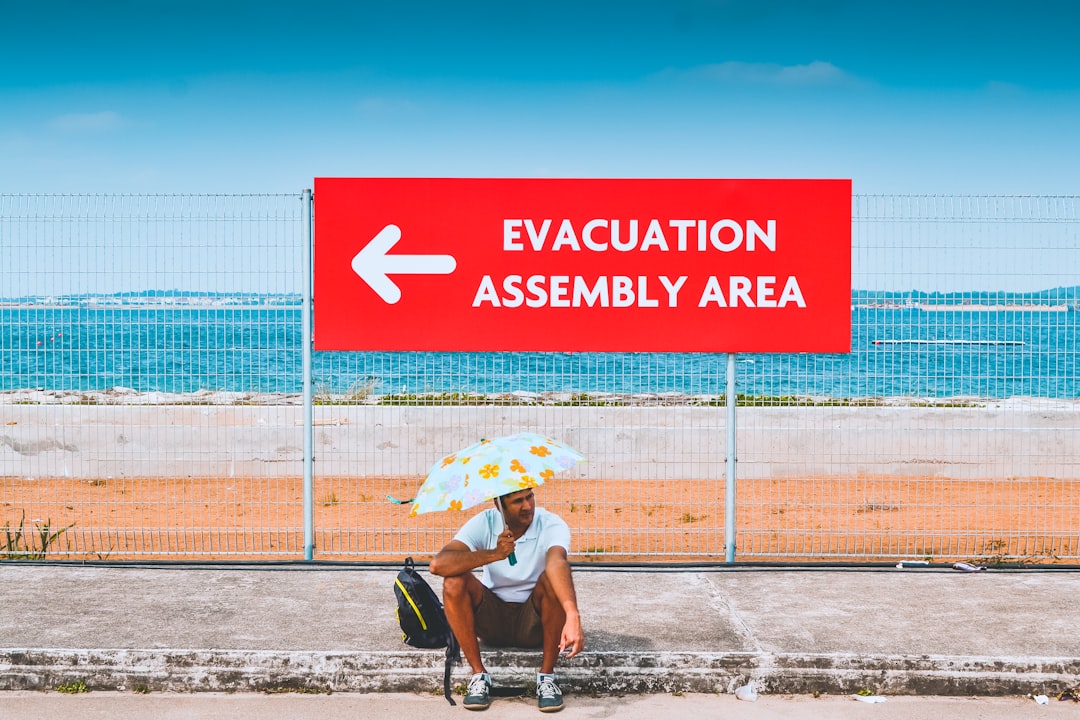
How can construction site managers ensure the swift, safe evacuation of 500+ workers during a crisis? Furthermore, large-scale construction projects across the GCC present unique safety challenges. Consequently, developing robust emergency evacuation plans for construction sites is not just a regulatory requirement—it is a moral imperative. This comprehensive guide details the critical components for safeguarding your workforce. Specifically, we address fire drill procedures and assembly point requirements for mega-sites.
The construction industry drives GCC infrastructure development. However, high-density worker environments increase evacuation complexity. Moreover, regional factors like extreme heat and multilingual workforces add layers of consideration. Therefore, a strategic, well-practiced plan is essential for risk mitigation. Ultimately, it protects lives, minimizes project downtime, and ensures legal compliance across all Emirates and Kingdoms.
At Allianze HR Consultancy, we’ve successfully placed 10,000+ professionals across UAE, Saudi Arabia, Qatar, and Kuwait. Furthermore, our 5+ years of GCC expertise supports clients from 50+ countries. Moreover, our Ministry of External Affairs (India) RA license ensures compliance. Therefore, contact our recruitment specialists for expert guidance on staffing your safety teams and implementing best practices.
Understanding GCC Mega-Site Safety Imperatives
Construction sites with 500+ personnel operate like small cities. Consequently, standard evacuation protocols are insufficient. Additionally, the dynamic nature of construction means escape routes change weekly. Therefore, safety planning must be equally agile and comprehensive. Moreover, GCC regulations mandate specific provisions for high-occupancy workplaces.
Key risks on large sites include fire, structural collapse, chemical spills, and extreme weather events. Furthermore, confined spaces and working at height complicate rescue efforts. A proactive safety culture, therefore, is the first line of defense. Regular training ensures every worker understands their role during an emergency.
Employers must consider workforce demographics. Often, teams comprise multiple nationalities with varying language proficiencies. Thus, communication systems must use universal symbols and multiple languages. Additionally, designated wardens for each language group improve instruction clarity. This approach significantly reduces panic and confusion during drills or real events.
- Site-specific hazard assessments for each phase of construction.
- Multilingual safety signage and instruction materials.
- Hierarchical communication chains for issuing evacuation orders.
- Regular audits of temporary structures and access roads.
- Integration of safety protocols into daily toolbox talks.
- Coordination plans with local civil defense and ambulance services.
Emergency Evacuation Plans Construction Strategic Overview
A strategic emergency evacuation plans construction framework starts with a clear chain of command. Specifically, identify an Emergency Control Center (ECC) team. This team includes a site safety manager, deputies, and zone wardens. Moreover, each warden oversees a specific area or trade group. Consequently, accountability is established across the entire workforce.
The plan must detail primary and secondary escape routes from every work area. These routes require clear, illuminated signage. Furthermore, they must remain unobstructed at all times. Regular inspections are mandatory. Additionally, assembly points must be located a safe distance from all potential hazards. They also need sufficient capacity for all personnel.
Communication is the backbone of any successful evacuation. Therefore, implement multiple, redundant alert systems. These include sirens, public address announcements, and dedicated radio channels. Moreover, consider smartphone alerts for supervisory staff. The alarm signal must be distinct and recognizable by all workers. Subsequently, roll-call procedures at assembly points verify everyone’s safety.
- Appointment and training of a dedicated ECC team and zone wardens.
- Detailed, updated site maps showing all evacuation routes and assembly areas.
- Redundant communication systems (sirens, PA, radios) tested weekly.
- Procedures for assisting visitors and personnel with disabilities.
- Clear protocols for accounting for all personnel post-evacuation.
- Integration with the project’s overall Health and Safety Management System.
Legal Framework and Compliance Standards
GCC countries enforce strict workplace safety regulations aligned with international standards. For instance, UAE Federal Law No. 8 and various ministerial decrees outline employer obligations. Similarly, Saudi Arabia’s Ministry of Human Resources sets rigorous standards. Compliance is not optional; it is legally binding and heavily enforced.
International guidelines provide a robust foundation. The International Labour Organization (ILO) conventions promote safe working environments. Additionally, OSHA construction standards offer detailed procedural guidance. Adopting these best practices demonstrates a commitment to global safety excellence. Moreover, it prepares sites for audits by international clients and insurers.
Local civil defense authorities have the final approval on emergency plans. Consequently, early engagement with these bodies is crucial. They will review site plans, assembly points, and communication strategies. Furthermore, they often mandate participation in large-scale simulation exercises. Non-compliance can result in hefty fines, work stoppages, or even criminal liability for negligence.
- Adherence to UAE’s construction sector employment and safety regulations.
- Alignment with WHO workplace health and wellbeing principles.
- Regular submission of evacuation plans to local civil defense for approval.
- Maintenance of detailed training records and drill logs for inspections.
- Insurance policy compliance regarding risk management protocols.
- Implementation of reporting mechanisms for near-misses and hazards.
Emergency Evacuation Plans Construction Best Practices
Best practices transform a document into a living safety system. First, conduct a thorough, site-specific risk assessment. This assessment identifies all potential emergency scenarios. Subsequently, tailor the evacuation plan to address these specific risks. Moreover, the plan must be reviewed and updated with every major site change.
Effective training employs a “see one, do one, teach one” methodology. Initially, all new hires receive basic orientation. Then, quarterly drills reinforce procedures for everyone. Furthermore, zone wardens undergo advanced training in crowd management and basic first aid. This layered approach builds institutional competence and resilience.
Technology enhances traditional safety measures. For example, wearable tech can monitor worker location in real-time. Additionally, digital muster points using RFID or biometric scanners accelerate accountability. Meanwhile, drone surveillance can assess hazards from above during an incident. However, technology should complement, not replace, fundamental drills and human oversight.
- Dynamic risk assessments updated for each new project phase.
- Tiered training programs for general workers, wardens, and the ECC team.
- Investment in technology for personnel tracking and communication.
- Establishment of multiple, clearly marked assembly points with first-aid stations.
- Post-drill debriefings to identify gaps and improve procedures.
- Incentive programs to promote safety-conscious behavior among workers.
Fire Drill Procedures and Assembly Point Requirements
Fire drills on large construction sites require meticulous planning. Announce drills periodically to avoid complacency. However, also conduct occasional unannounced drills to test genuine readiness. The alarm should sound differently from other site signals. Immediately, all work must cease, and workers must proceed to their designated assembly point.
Zone wardens play a critical role during drills. They guide workers along the safest route, checking areas like toilets and canteens. Furthermore, they ensure equipment is shut down where safe to do so. Subsequently, at the assembly point, wardens conduct a headcount using pre-prepared checklists. This process must be swift and accurate.
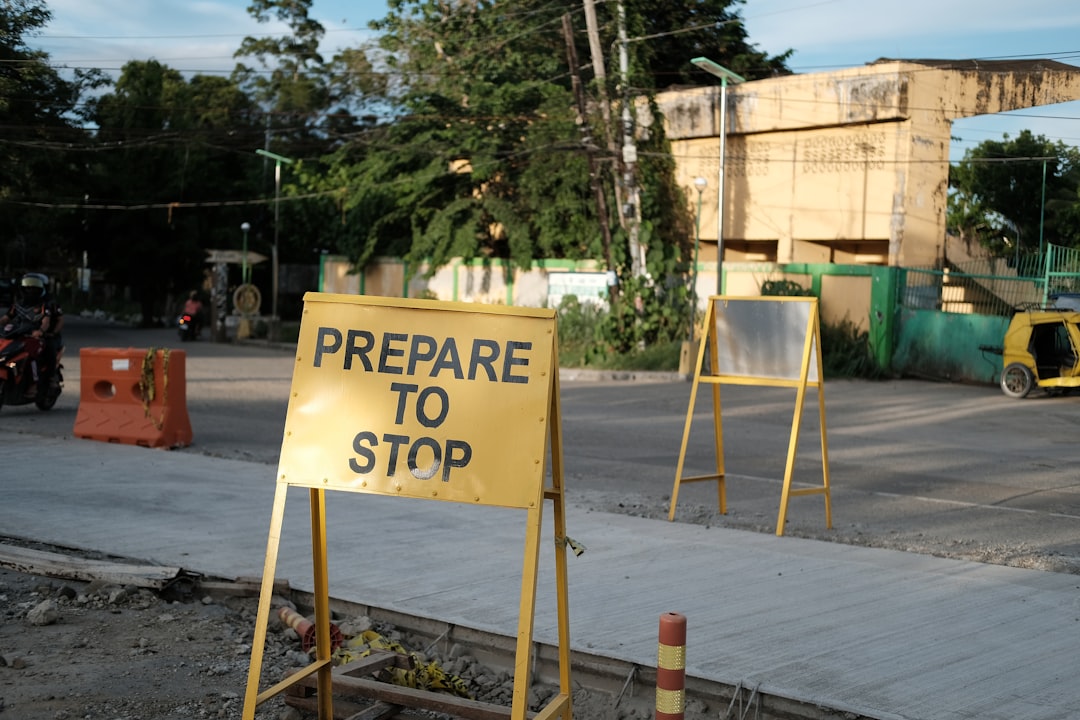
Assembly points require specific characteristics. They must be on stable ground, away from buildings, storage tanks, and overhead hazards. Additionally, they need multiple access points for emergency vehicles. Each point must have shaded areas, water, and a dedicated warden station. Moreover, secondary assembly points should be identified in case the primary location is compromised.
- Schedule quarterly announced drills and bi-annual unannounced drills.
- Empower zone wardens with high-visibility vests, megaphones, and checklists.
- Designate assembly points with a minimum capacity of 120% of the zone’s workforce.
- Provide clear signage showing the route from all work areas to each assembly point.
- Establish a protocol for reporting missing persons to the ECC immediately.
- Coordinate drill timing with client and main contractor representatives.
Emergency Evacuation Plans Construction Implementation Timeline
Implementing a comprehensive emergency evacuation plans construction system follows a phased timeline. Month one involves risk assessment and plan drafting. Engage with civil defense authorities during this phase. Furthermore, appoint and begin training your core ECC team. Meanwhile, order all necessary signage and communication equipment.
Months two and three focus on rollout and initial training. Conduct mass orientations for all existing workers. Additionally, install all evacuation signage and mark assembly points. Subsequently, run the first table-top exercise with the ECC and wardens. This exercise tests the communication chain and decision-making processes without mobilizing the full workforce.
By month four, execute the first full-site drill. Analyze performance and update the plan based on lessons learned. From this point forward, maintain a cycle of quarterly drills and biannual plan reviews. Moreover, integrate evacuation protocol briefing into the onboarding process for every new hire, ensuring continuous safety awareness as the workforce evolves.
- Week 1-4: Hazard analysis, plan drafting, and authority consultation.
- Week 5-8: ECC team training and procurement of safety equipment.
- Week 9-12: Workforce orientation and installation of site signage.
- Week 13-16: Table-top exercise and first full-scale evacuation drill.
- Ongoing: Quarterly drills, biannual plan reviews, and continuous onboarding.
- Annually: Full audit and recertification of the plan with civil defense.
Common Challenges and Proactive Solutions
Large sites face predictable challenges. High worker turnover disrupts trained teams. The solution is a robust, integrated onboarding program. Additionally, provide “refresher” briefings weekly during toolbox talks. This constant reinforcement ensures safety knowledge persists despite workforce changes.
Language barriers can cause confusion. Therefore, use pictogram-based signage universally. Moreover, employ bilingual wardens within each trade group. Translation services on radio channels are another effective solution. Ultimately, simplifying commands to clear, actionable words like “STOP,” “GO,” and “WAIT” improves understanding.
Maintaining clear escape routes is an ongoing battle. Consequently, make it everyone’s responsibility. Implement a reporting system where any worker can flag an obstruction. Furthermore, schedule daily inspections by safety officers. Strict penalties for blocking routes enforce this critical requirement. This proactive approach prevents last-minute chaos during an evacuation.
- Challenge: Worker turnover. Solution: Mandatory safety induction before site access.
- Challenge: Language diversity. Solution: Pictograms and multilingual wardens.
- Challenge: Cluttered escape routes. Solution: Daily inspections and zero-tolerance policy.
- Challenge: Complacency. Solution: Varied, unannounced drill scenarios.
- Challenge: Subcontractor coordination. Solution: Include their teams in all drills and briefings.
- Challenge: Extreme heat. Solution: Shaded assembly points and water stations.
Expert Recommendations for Success
Leadership commitment is the most critical success factor. Safety must be prioritized over schedule and cost at the highest levels. Therefore, allocate sufficient budget for training, equipment, and dedicated safety personnel. Moreover, senior managers should participate in drills to demonstrate their importance.
Foster a positive safety culture where workers feel empowered to report hazards. Avoid a blame-oriented approach. Instead, reward safe behavior and proactive reporting. Furthermore, involve workers in planning; they often have the best insight into daily site risks. This collaborative approach builds ownership and vigilance.
Finally, view your evacuation plan as a dynamic asset. Regularly benchmark against World Bank infrastructure development safety reports and international best practices. Continuously seek improvement through post-drill analysis and technology adoption. Remember, an effective plan saves lives, protects your investment, and upholds your company’s reputation.
- Secure executive-level sponsorship and budget for safety initiatives.
- Cultivate a just culture that encourages hazard reporting without fear.
- Leverage professional recruitment resources to hire qualified safety officers.
- Conduct joint drills with neighboring sites or projects for complex scenarios.
- Invest in continuous professional development for your safety team.
- Schedule consultation appointment with safety and recruitment experts.
Frequently Asked Questions About Emergency Evacuation Plans Construction
What is the timeline for implementing emergency evacuation plans construction?
A full implementation timeline typically spans 4-6 months. Furthermore, the first month involves risk assessment and planning. Subsequently, months two and three focus on training and installation. Finally, the first full-scale drill occurs by month four, followed by ongoing quarterly exercises.
How often should fire drills be conducted on large construction sites?
GCC regulations and best practices mandate quarterly announced fire drills. Additionally, conducting at least one unannounced drill every six months is highly recommended. This frequency tests genuine readiness and prevents procedural complacency among the workforce.
What are the key requirements for assembly points?
Assembly points must be located a safe distance from all structures and hazards. Moreover, they require sufficient capacity, clear signage, and multiple access routes. Additionally, provisions for shade, water, and first-aid are essential for worker welfare during extended musters.
How does Allianze HR support site safety compliance?
We recruit qualified safety officers, wardens, and managers with GCC-specific experience. Furthermore, our expertise ensures your safety team is competent and compliant. Moreover, we provide guidance on integrating safety protocols into workforce management strategies from the hiring stage.
Who is responsible for approving evacuation plans?
Local Civil Defense or Emergency Services authorities have final approval. Therefore, engage with them early in the planning process. Their feedback is crucial for obtaining the necessary permits and ensuring your plan meets all local regulatory standards.
What technology aids large-scale evacuation management?
Useful technologies include digital muster systems using RFID badges, dedicated mass-notification apps, two-way radios for wardens, and drone surveillance for situational awareness. However, technology should support, not replace, well-trained personnel and practiced procedures.