


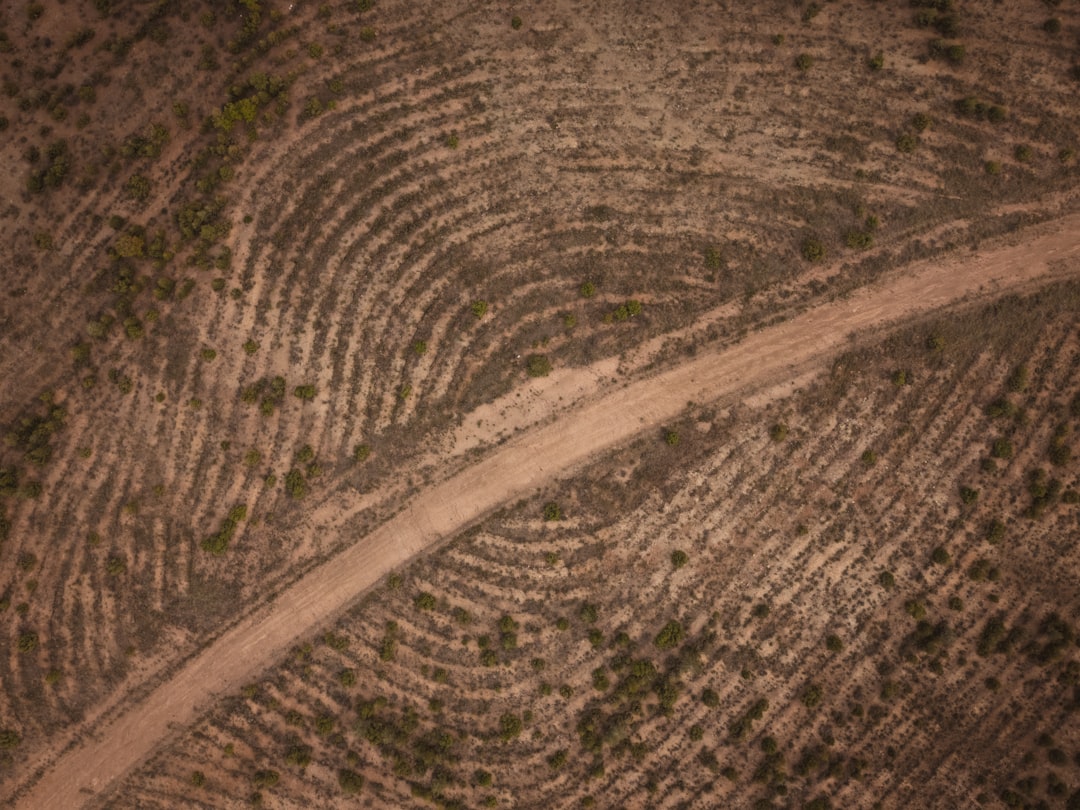
How can construction projects in the GCC balance rapid development with vital environmental stewardship? Furthermore, erosion control and environmental protection during construction are not just regulatory boxes to tick. They are fundamental to sustainable development and corporate responsibility. Consequently, mastering sediment management and temporary drainage is essential. This guide provides a strategic overview for employers and project managers across the Gulf region.
The GCC’s construction boom continues to reshape skylines. However, this progress brings significant environmental challenges. Soil erosion from construction sites can degrade local waterways and ecosystems. Moreover, regional regulations are becoming increasingly stringent. Therefore, implementing effective control measures is a critical business imperative. It protects both the environment and your project from costly fines and delays.
At Allianze HR Consultancy, we’ve successfully placed 10,000+ professionals across UAE, Saudi Arabia, Qatar, and Kuwait. Furthermore, our 5+ years of GCC expertise supports clients from 50+ countries. Moreover, our Ministry of External Affairs (India) RA license ensures compliance. Therefore, contact our recruitment specialists for expert guidance on staffing your environmental and civil engineering teams. We connect you with skilled professionals who understand regional compliance needs.
Understanding GCC Construction Environmental Challenges
GCC construction sites face unique environmental pressures. The region’s arid climate features infrequent but intense rainfall. Consequently, this can trigger severe soil erosion on disturbed land. Additionally, loose, sandy soils common in the Gulf are highly susceptible to wind and water movement. Furthermore, protecting limited water resources is a top regional priority. Therefore, preventing sediment pollution is crucial.
Local ecosystems are often fragile and slow to recover. Construction runoff can carry sediments, chemicals, and debris. This pollution harms marine life and coral reefs in coastal areas. Moreover, it can clog municipal drainage systems. This leads to urban flooding and infrastructure damage. Consequently, proactive site management is non-negotiable for responsible developers.
Key regional factors include:
- Stringent municipal regulations in cities like Dubai and Doha.
- Vision documents emphasizing sustainability (e.g., Saudi Vision 2030, UAE Vision 2021).
- High visibility of major projects attracting environmental scrutiny.
- Limited natural vegetation for stabilization, requiring engineered solutions.
- Rapid urbanization increasing pressure on existing drainage networks.
Understanding these challenges is the first step. Next, a strategic plan for erosion control and environmental protection must be developed. This plan integrates seamlessly with project timelines and labor management.
Erosion Control Environmental Protection Strategic Overview
A successful strategy for erosion control and environmental protection starts before ground is broken. First, conduct a thorough site assessment. Identify natural drainage patterns and soil types. Next, develop a Stormwater Pollution Prevention Plan (SWPPP). This plan is a mandatory document in many GCC jurisdictions. Moreover, it outlines all temporary and permanent control measures.
The strategy must be proactive, not reactive. Install perimeter controls like silt fencing before any earthmoving begins. Furthermore, sequence construction activities to minimize exposed soil area. Also, plan for temporary drainage systems to manage runoff effectively. This prevents erosion at the source. Consequently, it reduces the need for costly remediation later.
Critical strategic components include:
- Phasing land disturbance to limit exposed areas at any time.
- Selecting appropriate Best Management Practices (BMPs) for the site.
- Integrating controls into the construction schedule and budget.
- Assigning clear environmental responsibility to site supervisors.
- Planning for inspection and maintenance of all controls.
This strategic approach ensures environmental compliance. Additionally, it demonstrates corporate leadership in sustainability. Therefore, it enhances your company’s reputation in the competitive GCC market. Partnering with knowledgeable staff is key to execution.
Legal Framework and Compliance Standards
GCC nations have established robust environmental regulations. In the UAE, Federal Law No. 24 of 1999 is foundational. It mandates protection from pollution caused by various activities, including construction. Additionally, local emirate-level authorities enforce specific codes. For example, Dubai Municipality has strict guidelines for construction site runoff. Similarly, Saudi Arabia’s Ministry of Environment, Water and Agriculture sets national standards.
International standards also provide important guidance. The International Labour Organization emphasizes safe and sustainable workplaces. Furthermore, the World Bank often includes environmental safeguards in project financing. Non-compliance risks severe penalties. These include heavy fines, work stoppages, and permit revocations.
Essential compliance steps involve:
- Securing all necessary environmental permits before commencement.
- Submitting and adhering to an approved SWPPP or equivalent.
- Conducting regular self-inspections and maintaining detailed logs.
- Training all site personnel on environmental protocols.
- Reporting any incidents or discharges to authorities promptly.
Understanding this legal landscape is critical. Moreover, it requires dedicated, trained personnel. Therefore, hiring staff with specific environmental compliance experience is a smart investment. It mitigates legal and financial risk effectively.
Erosion Control Environmental Protection Best Practices
Implementing best practices for erosion control and environmental protection ensures project success. First, prioritize perimeter protection. Install silt fences along all down-gradient boundaries. Ensure proper trenching and installation to prevent underflow. Second, stabilize soil quickly. Use temporary seeding or mulch on exposed areas inactive for more than 14 days. This simple step dramatically reduces sediment loss.
Third, manage site runoff intelligently. Construct temporary sediment basins or silt traps to capture runoff. Furthermore, use rock check dams in drainage channels to slow water flow. This allows sediments to settle out. Additionally, protect storm drain inlets with filter bags or inserts. These practices are endorsed by the Occupational Safety and Health Administration for maintaining site safety and environmental health.
Proven best practices include:
- Installing construction entrances with wheel washers to keep mud off roads.
- Stockpiling topsoil and cover materials securely to prevent wind erosion.
- Using biodegradable erosion control blankets on steep slopes.
- Inspecting all controls after every rainfall event and performing maintenance.
- Having a spill prevention and response kit readily available on site.
Adopting these practices minimizes environmental impact. Moreover, it showcases your commitment to sustainable construction. Consequently, it can become a competitive advantage during project bidding and client relations.
Documentation and Processing Steps
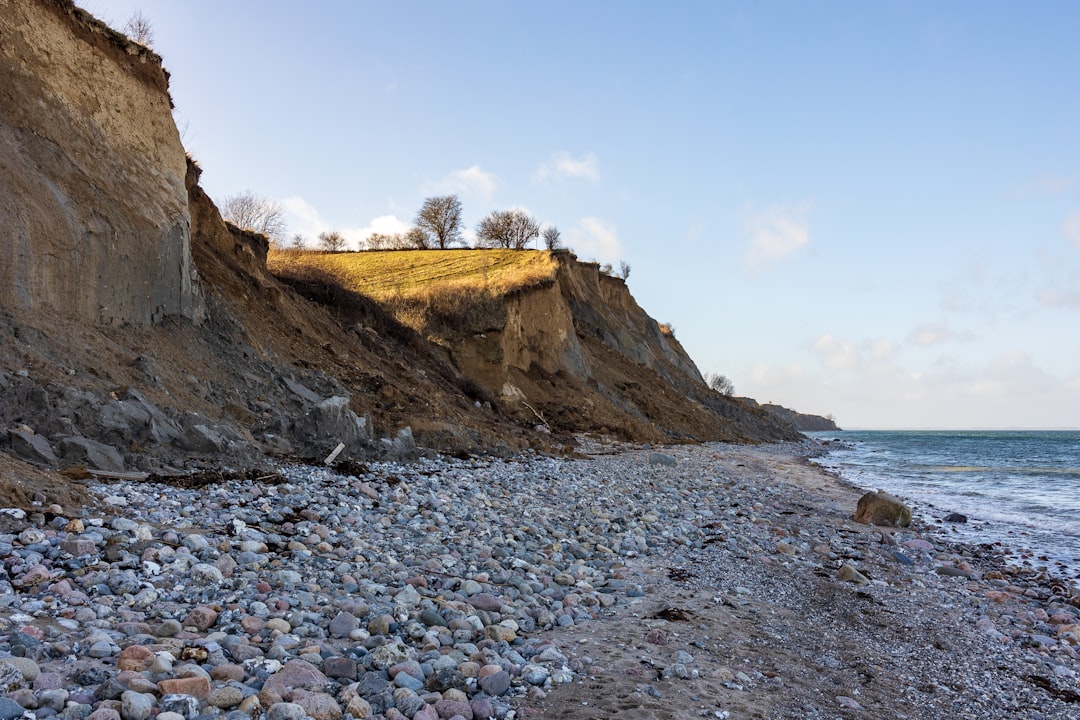
Robust documentation is the backbone of compliance. Begin with the site’s Erosion and Sediment Control (ESC) plan. This detailed document maps all BMP locations. It also outlines installation specifications and maintenance schedules. Furthermore, keep daily inspection reports. Document the condition of silt fences, drainage systems, and stockpiles. Additionally, photograph controls regularly to create a visual timeline.
Training records are equally important. Document all environmental awareness training for workers and supervisors. Moreover, maintain material delivery tickets for mulch, seed, and rock. This proves you implemented the planned measures. In case of regulatory audit, this paperwork demonstrates due diligence. Therefore, it is your first line of defense.
Essential documentation includes:
- Approved environmental permit copies and plan approvals.
- As-built drawings of temporary drainage and sediment control systems.
- Inspection checklists signed and dated by the site superintendent.
- Records of any corrective actions taken following inspections.
- Final site stabilization certification upon project completion.
Proper documentation requires systematic effort. Assign this responsibility to a competent site engineer or foreman. Access our professional recruitment resources to find candidates skilled in environmental documentation and site management.
Erosion Control Environmental Protection Implementation Timeline
A phased timeline is crucial for effective erosion control and environmental protection. Phase 1 occurs during project mobilization. Install primary perimeter controls and finalize the SWPPP. Phase 2 aligns with major earthworks. Deploy additional silt fencing, sediment basins, and begin soil stabilization. Furthermore, inspect and maintain all systems weekly and after rain.
Phase 3 covers the bulk of construction. Continue routine maintenance. Additionally, adapt controls as the site changes. For example, relocate silt fencing when work areas shift. Phase 4 is project closeout. Remove all temporary controls only after permanent vegetation is established. Finally, submit final reports to authorities. This timeline integrates environmental management into the core construction schedule.
Key timeline milestones are:
- Pre-construction: Plan approval and permit acquisition (Weeks 1-2).
- Site mobilization: Installation of perimeter controls (Week 3).
- Active construction: Weekly inspections and adaptive management (Ongoing).
- Final stabilization: Seeding/mulching and control removal (Last 4 weeks).
- Project closure: Final documentation submission (Week after completion).
Following this structured timeline prevents last-minute scrambling. Moreover, it ensures environmental protection is continuous, not intermittent. Therefore, it safeguards your project and the surrounding environment throughout the build.
Common Challenges and Solutions
Construction teams often face predictable challenges. First, worker awareness can be low. Many laborers may not understand the importance of silt fencing. The solution is consistent, simple training in relevant languages. Second, controls can degrade over time. Silt fences sag, and sediment basins fill. Therefore, scheduled maintenance must be a non-negotiable task, not an afterthought.
Third, space constraints on tight urban sites can limit options. In these cases, innovative solutions like filter bag inserts for drains become critical. Fourth, subcontractor coordination is vital. Ensure all subcontractors follow the site’s ESC plan. Hold them accountable for protecting controls in their work areas. The World Health Organization highlights the link between a clean environment and worker health, providing further incentive.
Effective solutions include:
- Implementing a “find and fix” bonus for workers who identify control failures.
- Using geotextile-reinforced silt fencing in high-traffic areas for durability.
- Creating simple pictogram-based instruction sheets for non-verbal training.
- Holding weekly coordination meetings with all subcontractors to review environmental protocols.
- Stockpiling spare BMP materials on-site for immediate repairs.
Anticipating these challenges allows for proactive planning. Consequently, it keeps your project on schedule and in compliance. A skilled site manager is essential to navigate these issues successfully.
Expert Recommendations for Success
For guaranteed success, integrate environmental planning from day one. Treat erosion control as a core construction activity, not a side task. Furthermore, invest in quality materials. Cheap silt fencing fails quickly, leading to rework and potential violations. Additionally, empower a dedicated Environmental Compliance Officer on site. This person should have the authority to halt work if controls are breached.
Leverage technology for efficiency. Use drones for weekly aerial inspections of large sites. Moreover, consider using turbidity meters to quantitatively monitor runoff water quality. This provides defensible data. Also, engage with local regulators early. Seek their input on your ESC plan. This collaborative approach, supported by insights from the UAE’s construction sector guidelines, builds positive relationships and smooths the approval process.
Top expert recommendations are:
- Budget adequately for environmental controls (typically 0.5%-1.5% of project cost).
- Hire or train supervisors with specific environmental management certification.
- Conduct a pre-construction “walkthrough” with the entire team to identify risks.
- Establish clear escalation procedures for environmental incidents.
- Celebrate and reward crews that maintain excellent site environmental standards.
Following these recommendations builds a culture of environmental responsibility. Moreover, it transforms compliance from a cost center into a mark of quality and professionalism. This enhances your brand across the GCC.
Frequently Asked Questions About Erosion Control Environmental Protection
What is the timeline for erosion control environmental protection implementation?
The timeline spans the entire project. Key controls must be installed before ground disturbance begins. Furthermore, weekly maintenance is required throughout construction. Finally, permanent stabilization must be verified before demobilization. Therefore, planning should start during the project design phase.
What are the most critical components of a sediment management plan?
Perimeter silt fencing, stabilized construction exits, and sediment basins are critical. Additionally, a schedule for inspection and maintenance is mandatory. Moreover, training for all site personnel ensures plan effectiveness. Consequently, each component works together to prevent off-site pollution.
How does temporary drainage differ from permanent systems?
Temporary drainage manages runoff during construction. It often uses ditches, swales, and pipes to direct water to sediment traps. Conversely, permanent systems are part of the final site design. They include curbs, gutters, and underground pipes. Temporary systems protect the site until permanent ones are operational.
What are common violations inspectors look for on GCC sites?
Inspectors commonly cite breached silt fences, sediment tracked onto public roads, clogged inlet protections, and lack of inspection records. Furthermore, unstabilized stockpiles and missing spill kits are frequent violations. Therefore, daily site walks focusing on these areas are essential for compliance.
Can Allianze HR source staff with environmental compliance experience?
Yes. We specialize in recruiting construction professionals with niche expertise. This includes site engineers, HSE officers, and foremen trained in erosion and sediment control. Moreover, we verify candidates’ knowledge of GCC-specific regulations. Therefore, schedule a consultation appointment to discuss your staffing needs.
What is the cost of non-compliance for erosion violations?
Costs can be severe. They include immediate fines, mandatory cleanup costs, and potential work stoppages. Moreover, reputational damage can affect future project awards. Consequently, investing in proper controls and trained personnel is far more economical than facing violations.
Partner with Allianze HR for Environmental Compliance Success
Effective erosion control and environmental protection during construction is a multifaceted challenge. It demands strategic planning, quality materials, and, most importantly, skilled people. From installing silt fencing to managing complex temporary drainage systems, every step requires knowledgeable execution. Furthermore, GCC regulations mandate a high standard of care. Therefore, your project’s success hinges on having the right team in place.
Allian