


How can your organization transform its waste management strategy to meet ambitious GCC sustainability targets? Furthermore, implementing a comprehensive facility recycling program is no longer optional. It is a strategic imperative for modern businesses across the Gulf region. Consequently, this guide provides a roadmap for successful facility recycling program implementation. This process drives property waste diversion and enhances corporate reputation.
GCC nations are leading ambitious environmental initiatives, from Saudi Arabia’s Vision 2030 to the UAE’s Net Zero 2050 strategy. Moreover, property managers and facility owners face increasing pressure to demonstrate tangible sustainability progress. Therefore, a systematic approach to waste management is critical. Additionally, effective programs reduce disposal costs and improve operational efficiency. They also align with national environmental, social, and governance (ESG) goals.
At Allianze HR Consultancy, we’ve successfully placed 10,000+ professionals across UAE, Saudi Arabia, Qatar, and Kuwait. Furthermore, our 5+ years of GCC expertise supports clients from 50+ countries in building sustainable operations. Moreover, our Ministry of External Affairs (India) RA license ensures compliance in all staffing aspects for green initiatives. Therefore, contact our recruitment specialists for expert guidance on staffing your sustainability teams.
Understanding GCC Waste Diversion Mandates
GCC governments have enacted stringent regulations to combat growing waste challenges. For example, Dubai Municipality mandates segregation at source for all large facilities. Similarly, Saudi Arabia’s National Waste Management Center enforces recycling targets. Consequently, non-compliance risks significant fines and reputational damage. Therefore, understanding local mandates is the essential first step.
These regulations often specify diversion rate targets. Typically, commercial properties must divert 50-75% of waste from landfills. Moreover, specific rules exist for construction debris, electronic waste, and organic materials. Additionally, reporting requirements demand detailed waste audits and documentation. Hence, a proactive compliance strategy is vital for operational continuity.
Key regulatory bodies include Tadweer in Abu Dhabi, Bee’ah in Sharjah, and the Qatar General Electricity & Water Corporation. Furthermore, each authority publishes specific guidelines for different facility types. Therefore, employers must consult official resources like the UAE green building regulations. This ensures alignment with the latest standards.
- Review municipal waste management laws for your specific emirate or region.
- Identify mandatory recycling streams (paper, plastic, metal, organics).
- Understand reporting frequencies and submission portals.
- Calculate current baseline diversion rates through a professional waste audit.
- Establish relationships with licensed waste management contractors.
Facility Recycling Program Implementation Strategic Overview
A successful facility recycling program implementation requires a phased, strategic approach. First, secure executive sponsorship and define clear sustainability objectives. Next, conduct a comprehensive waste characterization study. This analysis identifies volume, composition, and current disposal costs. Consequently, data-driven decisions optimize program design and resource allocation.
Furthermore, engage stakeholders from all departments during the planning phase. For instance, facilities, housekeeping, procurement, and sustainability teams must collaborate. Moreover, consider the unique waste profiles of different areas. Offices, kitchens, and maintenance workshops generate distinct waste streams. Therefore, customized collection solutions improve participation and contamination rates.
Strategic planning also involves evaluating infrastructure needs. Specifically, assess space for sorting stations, compactors, and storage areas. Additionally, review procurement policies to favor recyclable or reusable materials. According to the International Labour Organization workplace safety standards, worker training is equally critical. This ensures safe handling of recyclables.
- Form a cross-functional green team to champion the initiative.
- Set SMART goals for waste diversion, cost savings, and compliance.
- Map all waste generation points and existing collection routes.
- Select appropriate bin types, colors, and signage per GCC standards.
- Develop a communication plan to educate all building occupants.
Legal Framework and Compliance Standards
Navigating the GCC’s evolving environmental legal framework is complex. However, compliance is non-negotiable for facility operators. For example, Federal Law No. 12 of 2018 in the UAE governs integrated waste management. Similarly, Saudi Royal Decree No. M/165 establishes the National Waste Management Center. Therefore, legal due diligence protects against penalties and supports tender qualifications.
Moreover, many green building certifications influence local regulations. Notably, Estidama in Abu Dhabi and the Dubai Green Building Regulations incorporate waste management credits. Additionally, global standards like LEED and BREEAM are widely adopted. Consequently, aligning your program with these frameworks delivers dual benefits. It ensures regulatory adherence while enhancing asset value.
Documentation is a cornerstone of compliance. Specifically, maintain records of waste transfer notes, contractor licenses, and recycling receipts. Furthermore, regular audits verify that partners process materials responsibly. Resources like the World Bank urban development reports highlight the economic importance of circular systems. Thus, robust record-keeping demonstrates genuine commitment.
- Register your facility with the local waste management authority.
- Secure contracts only with licensed waste collection and processing vendors.
- Implement a digital system to track waste metrics and generate compliance reports.
- Schedule annual third-party audits to verify program integrity and performance.
- Stay informed about upcoming regulatory changes through industry associations.
Facility Recycling Program Implementation Best Practices
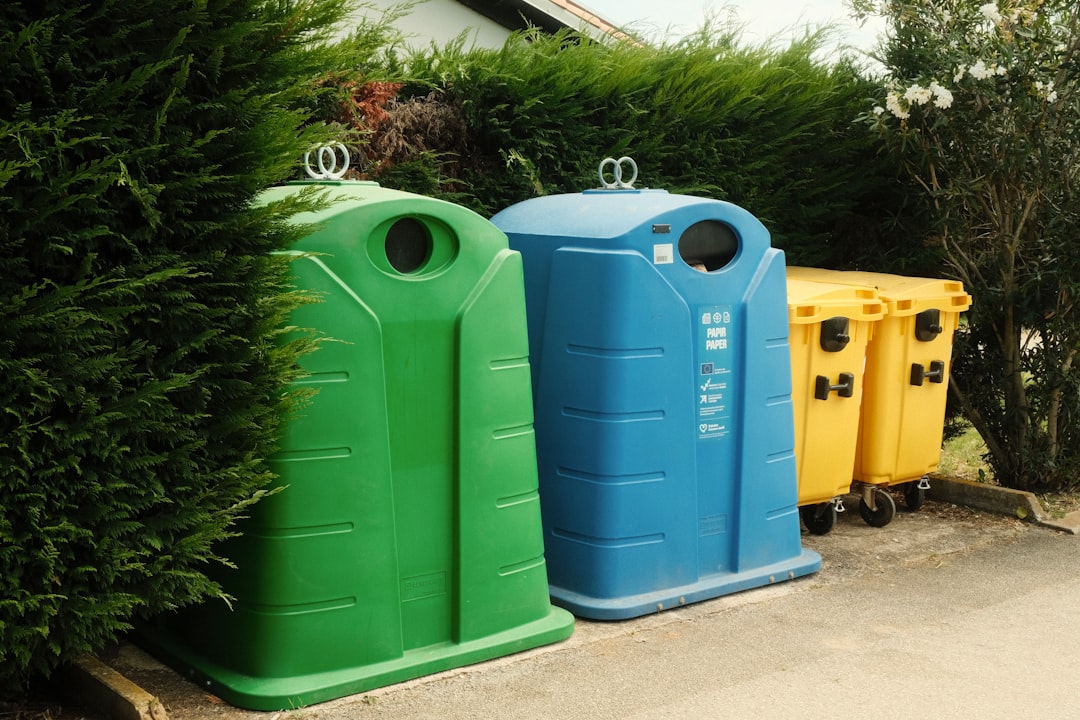
Adopting proven best practices accelerates success for any facility recycling program implementation. First, make recycling easier than disposal. Place clearly labeled recycling bins next to every trash can. Moreover, ensure consistency in bin colors and symbols across all floors and departments. Consequently, this reduces confusion and improves sorting accuracy from the start.
Secondly, invest in continuous education and engagement. Launch campaigns with clear messaging about “why” and “how” to recycle. Furthermore, provide regular feedback on collective progress through dashboards or newsletters. Additionally, recognize high-performing teams or departments. Therefore, fostering a culture of environmental responsibility ensures long-term participation.
Thirdly, integrate waste management with procurement policies. Specifically, work with suppliers to reduce packaging and use recyclable materials. Moreover, establish guidelines for purchasing recycled-content products. This closes the loop and stimulates market demand. Guidance from the International Facility Management Association supports such holistic facility strategies.
- Start with a pilot area to test processes before full-scale rollout.
- Use simple, multilingual signage with images of acceptable items.
- Assign recycling ambassadors to monitor bins and provide peer coaching.
- Conduct regular waste audits to measure contamination and identify training gaps.
- Celebrate milestones and share success stories to maintain momentum.
Documentation and Processing Steps
Meticulous documentation underpins a verifiable and scalable recycling program. Initially, create a formal policy document approved by senior management. This policy should outline roles, goals, and procedures. Next, develop standard operating procedures for waste handling, storage, and collection. Consequently, clear protocols ensure consistency and safety for all staff.
The processing workflow involves several critical steps. First, segregated materials are collected from designated bins. Next, they are transported to a central sorting area for quality control. Subsequently, clean recyclables are baled or stored for pickup by the licensed vendor. Finally, vendors provide weight tickets or certificates of recycling. These documents serve as proof for compliance reporting.
Digital tools are invaluable for managing this process. Specifically, waste tracking software can log weights, calculate diversion rates, and generate reports automatically. Moreover, this data identifies trends and opportunities for improvement. For health standards, refer to the World Health Organization indoor air quality guidelines. Proper organic waste management is particularly important.
- Develop a Waste Management Plan document for your facility.
- Maintain a vendor log with copies of all licenses and insurance certificates.
- File all weight tickets and recycling certificates digitally and physically.
- Generate monthly and annual sustainability reports for management review.
- Use data analytics to track cost savings and environmental impact over time.
Facility Recycling Program Implementation Timeline
A realistic timeline is crucial for effective facility recycling program implementation. The entire process typically spans three to six months from conception to full operation. Phase One involves planning and assessment over four to six weeks. This includes waste audits, stakeholder meetings, and vendor selection. Therefore, thorough groundwork prevents costly revisions later.
Phase Two covers procurement and installation during weeks seven to ten. Specifically, order bins, signage, and any required compactors. Moreover, finalize contracts with waste haulers and processors. Meanwhile, develop training materials and communication assets. Consequently, parallel task management keeps the project on schedule.
Phase Three focuses on rollout and training in weeks eleven to fourteen. Launch the program with a kick-off event and department-level training sessions. Furthermore, begin monitoring and data collection immediately. Finally, Phase Four is the ongoing optimization phase. Regular reviews ensure the program adapts to changing needs. Access our professional recruitment resources for staffing your project team.
- Weeks 1-4: Project kick-off, waste audit, and goal setting.
- Weeks 5-8: Program design, vendor RFP, and budget approval.
- Weeks 9-12: Infrastructure installation and training material development.
- Weeks 13-16: Soft launch, training delivery, and full program go-live.
- Ongoing: Monthly reviews, quarterly reports, and annual strategy refresh.
Common Challenges and Solutions
Even well-planned programs encounter obstacles. A primary challenge is contamination of recycling streams. This occurs when non-recyclable items are placed in recycling bins. Consequently, entire loads can be rejected, undermining diversion goals. The solution is persistent education combined with bin monitoring. Furthermore, clear, graphic signage directly on bins significantly reduces errors.
Another common issue is securing consistent stakeholder engagement. Initially, enthusiasm may wane as daily routines reassert themselves. Therefore, continuous communication is key. Share regular progress updates and celebrate achievements. Additionally, link program success to corporate social responsibility goals. Moreover, appointing departmental champions helps sustain focus and accountability.
Logistical and space constraints also pose difficulties. Many facilities lack adequate space for multiple sorting stations. The solution involves creative space planning and potentially using compactors. Additionally, exploring partnerships with neighboring buildings can create economies of scale. Insights from the World Bank labor market insights show that green skills training also addresses workforce challenges.
- Challenge: High contamination rates. Solution: “Oops” tags on contaminated bins with feedback.
- Challenge: Lack of staff buy-in. Solution: Incentive programs and visible leadership support.
- Challenge: Fluctuating recycling market prices. Solution: Multi-vendor contracts to ensure service stability.
- Challenge: Managing organic waste odor. Solution: Specified leak-proof bins and frequent collection schedules.
- Challenge: Measuring true impact. Solution: Implement a digital waste tracking platform for accurate data.
Expert Recommendations for Success
For long-term success, integrate recycling into your organization’s core operational DNA. First, align the program with overarching business and sustainability strategies. Moreover, secure a dedicated budget line for ongoing education and infrastructure maintenance. Consequently, this prevents the initiative from being viewed as a discretionary cost center.
Secondly, leverage technology for transparency and efficiency. Implement smart bins with sensors to monitor fill levels and optimize collection routes. Furthermore, use digital dashboards to provide real-time feedback to occupants. Additionally, explore blockchain solutions for verifying the chain of custody for recycled materials. Therefore, technology enhances both performance and credibility.
Finally, view your program as part of a broader circular economy. Engage with suppliers and clients to create closed-loop systems. For example, take back packaging from suppliers for reuse. Moreover, report on your sustainability performance in annual reports. Guidance from the International Labour Organization standards ensures social sustainability is also addressed. To begin, schedule a consultation appointment with our experts.
- Appoint a Sustainability Manager with authority to drive cross-departmental change.
- Benchmark your performance against similar facilities in the GCC region.
- Participate in local sustainability awards and certifications to validate your efforts.
- Continuously scan for innovations in waste processing and recycling technologies.
- Build partnerships with local municipalities and environmental NGOs for support and recognition.
Frequently Asked Questions About Facility Recycling Program Implementation
What is the typical cost for facility recycling program implementation?
Initial investment varies by facility size and scope. Costs include bins, signage, potential compactor rental, and staff training. However, savings from reduced disposal fees often provide a return within 12-24 months. Therefore, a detailed cost-benefit analysis is recommended during planning.
How do we handle recycling in a multi-tenant building?
Include waste management protocols in tenant lease agreements. Furthermore, provide standardized bins and training materials to all tenants. Moreover, hold regular building-wide meetings to align on goals and address challenges. Consequently, a collaborative approach ensures uniform participation across all leased spaces.
What are the key metrics to track for waste diversion?
Essential metrics include total waste generated, recycling rate by material type, contamination rate, and cost per ton for disposal versus recycling. Additionally, track participation rates and carbon emission reductions. Moreover, benchmarking against GCC national targets provides context for your performance.
How does Allianze HR support sustainability staffing needs?
We recruit qualified sustainability officers, facility managers, and waste management coordinators. Furthermore, our team understands the technical and regulatory skills required for GCC compliance. Moreover, we ensure candidates are culturally aligned and support long-term program success. Therefore, we build teams that drive your environmental objectives.
Which materials are most valuable to recycle in the GCC?
High-value streams typically include clean cardboard, aluminum cans, and PET plastics. Additionally, electronic waste contains recoverable precious metals. However, market values fluctuate. Therefore, focus first on materials mandated by local regulations to ensure compliance and build program momentum.
How long does it take to see measurable results?
You can see initial participation data within the first month. However, measurable diversion rate improvements and cost savings typically become clear after one full quarter of operation. Furthermore, continuous improvement cycles will enhance results over the first year. Consequently, patience and persistent optimization are key.