


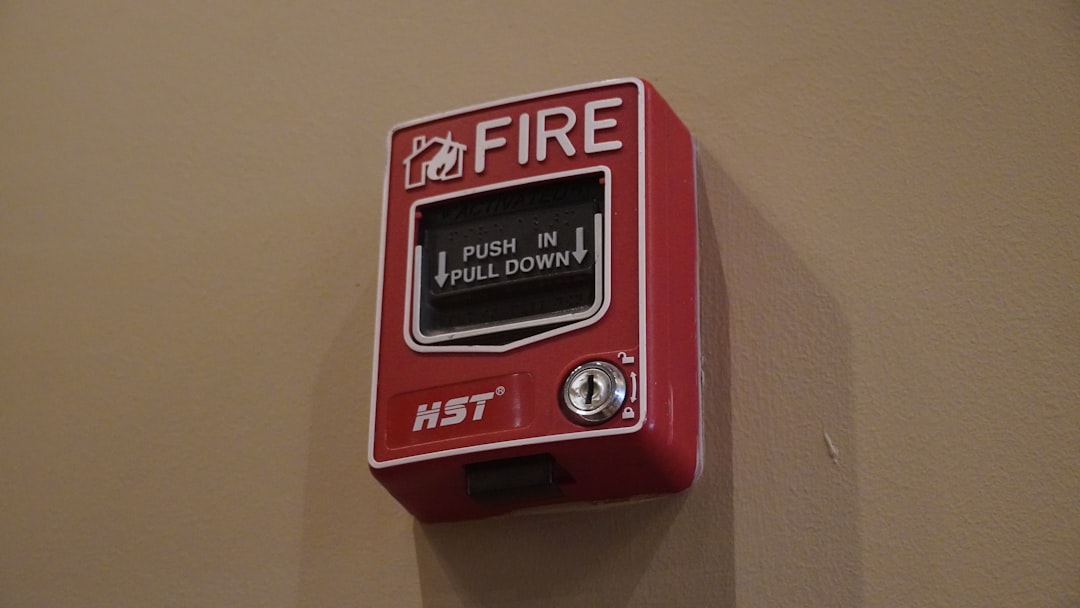
Are your commercial properties truly protected against fire emergencies? In the GCC’s rapidly developing landscape, a fire alarm monitoring central station is not just a technical component. It is a critical lifeline mandated by strict regional regulations. Consequently, facility managers and business owners face complex compliance requirements. Understanding fire alarm monitoring central station compliance ensures operational continuity and legal adherence. This guide provides essential insights for navigating these vital requirements.
Facility fire system remote monitoring service requirements vary across the UAE, Saudi Arabia, Qatar, and Kuwait. Each jurisdiction enforces specific standards for alarm transmission, response times, and central station operations. Furthermore, non-compliance risks severe penalties, insurance invalidation, and catastrophic safety failures. Therefore, a strategic approach to monitoring services is indispensable for modern facility management.
At Allianze HR Consultancy, we’ve successfully placed 10,000+ technical and facilities management professionals across the GCC. Our expertise extends beyond recruitment to understanding the operational frameworks that keep buildings safe. Moreover, our 5+ years of GCC expertise supports clients from 50+ countries in building compliant, skilled teams. Therefore, contact our recruitment specialists for expert guidance on staffing your critical safety operations.
Understanding GCC Fire Safety Infrastructure Requirements
GCC nations prioritize fire safety within their national building codes and civil defense regulations. These codes mandate integrated systems connecting on-site fire panels to off-site monitoring centers. Additionally, standards reference international frameworks like NFPA 72. However, local amendments often impose stricter mandates for signal verification and response protocols.
Specifically, high-rise buildings, hospitals, hotels, and industrial facilities face the most rigorous scrutiny. Their fire alarm monitoring central station links must demonstrate flawless reliability. Consequently, system design and staffing require meticulous planning. Facility managers must verify all components meet Gulf-specific certifications.
Key infrastructure elements include:
- Digital Alarm Communicator Transmitters (DACTs) for signal transmission.
- Redundant communication paths (cellular and internet).
- Uninterruptible Power Supplies (UPS) for all critical devices.
- Approved central station receiver equipment.
- Certified data pathways meeting local telecom regulations.
Partnering with knowledgeable professionals ensures your infrastructure aligns with these complex requirements. Furthermore, regular audits prevent degradation of system integrity over time.
Fire Alarm Monitoring Central Station Strategic Overview
A robust fire alarm monitoring central station strategy forms the backbone of property risk management. This involves more than just installing hardware. It requires a holistic plan encompassing technology, personnel, and documented procedures. First, define the scope of monitoring based on asset value and occupancy risk.
Second, select a monitoring service provider with proven GCC compliance experience. Their central station must hold relevant local civil defense approvals. Moreover, their operators should be trained in regional emergency response protocols. Third, establish clear Service Level Agreements (SLAs) for signal acknowledgment and dispatch times.
Effective implementation delivers multiple benefits:
- 24/7 professional surveillance of fire alarm systems.
- Immediate emergency service dispatch, reducing damage.
- Compliance with insurance policy requirements for premium advantages.
- Detailed incident reporting for regulatory audits and system improvement.
- Peace of mind for building owners, tenants, and stakeholders.
Therefore, a strategic approach transforms monitoring from a cost center into a value-driven safeguard. It directly protects lives, assets, and business reputation.
Legal Framework and Compliance Standards
Navigating the legal landscape is crucial for GCC facility operators. Each country’s civil defense authority sets enforceable codes. For instance, the UAE follows the UAE Fire and Life Safety Code of Practice. Similarly, Saudi Arabia enforces the Saudi Building Code (SBC). These documents specify every detail for fire alarm monitoring central station compliance.
Authorities require annual system testing and certification by licensed contractors. Additionally, monitoring contracts must be filed with the relevant civil defense department. Failure to maintain an active, approved monitoring service can result in business closure orders. Consequently, legal due diligence is non-negotiable.
International standards also provide important guidance. The International Labour Organization workplace safety principles underscore the employer’s duty of care. Furthermore, the International Facility Management Association offers best practice frameworks. Also, local resources like the UAE green building regulations often integrate fire safety mandates.
Ultimately, compliance is a continuous process, not a one-time certificate. Regular liaison with authorities and expert consultants is essential. This proactive stance mitigates legal and financial risks significantly.
Fire Alarm Monitoring Central Station Best Practices
Adopting industry best practices ensures your fire alarm monitoring central station operates at peak efficacy. First, implement redundant communication channels. This means signals should transmit via both PSTN phone lines and cellular or IP networks. Consequently, a single point of failure cannot disable the entire monitoring link.
Second, mandate regular testing and inspection. Conduct weekly signal tests between the premises and the central station. Moreover, perform annual end-to-end system tests involving all stakeholders. Document every test meticulously for compliance audits. Third, invest in operator training. Central station personnel must understand your specific facility layout and hazards.
Additional best practices include:
- Maintaining updated contact lists for keyholders and emergency responders.
- Ensuring the central station uses multilingual operators relevant to the region.
- Integrating monitoring with other building systems like access control for coordinated response.
- Reviewing incident reports monthly to identify and address false alarm patterns.
- Securing monitoring service agreements with clear liability and performance clauses.
Following these practices enhances system reliability and regulatory standing. It demonstrates a committed, professional approach to life safety management.
Documentation and Processing Steps
Proper documentation is the evidence of compliance. Facility managers must maintain a comprehensive fire safety file. This file includes the original system design and approval drawings from civil defense. Additionally, it must contain all installation certificates, commissioning reports, and annual inspection records.
The monitoring service agreement itself is a critical document. It should explicitly state the central station’s certifications, response time guarantees, and reporting procedures. Furthermore, keep a log of all test transmissions, including date, time, and operator confirmation. This log proves ongoing system functionality to inspectors.
Key processing steps for establishing and maintaining monitoring include:
- Submission of central station provider credentials to civil defense for pre-approval.
- On-site installation and configuration of communicator equipment by a licensed technician.
- Initial signal testing and commissioning witnessed by a civil defense representative (if required).
- Registration of the monitoring connection with the local authority’s online portal.
- Scheduled monthly and annual testing as per the compliance schedule.
Organized documentation streamlines the renewal of annual occupancy permits. It also provides crucial evidence for insurance claims following an incident. Therefore, treat documentation with the same importance as the physical system.
Fire Alarm Monitoring Central Station Implementation Timeline
A structured timeline prevents rushed decisions and compliance gaps. For a new building, integrate the fire alarm monitoring central station plan during the design phase. Engage with approved providers early to ensure infrastructure readiness. Typically, the full implementation process spans 8 to 12 weeks from provider selection to final authority approval.
Week 1-2 involves provider due diligence and contract negotiation. Subsequently, weeks 3-4 focus on site surveys and communication path installation. Then, weeks 5-6 are for equipment installation and preliminary testing. Finally, weeks 7-8+ involve formal commissioning and authority submission. Moreover, factor in potential delays from regulator scheduling.
For existing buildings transitioning to a new provider, the timeline may compress to 4-6 weeks. However, the due diligence and testing phases remain equally critical. Rushing these steps often leads to service interruptions or compliance failures. A phased approach ensures business continuity throughout the switchover.
Clearly, proactive planning is the key to a smooth implementation. Align your internal team and external partners on this schedule. Furthermore, use project management tools to track milestones and dependencies. This disciplined approach delivers a reliable, compliant monitoring service on time.
Common Challenges and Solutions
Facility managers often encounter specific hurdles with remote monitoring services. A frequent challenge is frequent false alarms. These desensitize responders and may incur fines. The solution involves analyzing alarm history to identify faulty devices or environmental causes. Then, repair or adjust the system accordingly.
Another common issue is communication path failure. Traditional phone lines can be cut or fail. The solution is implementing the mandated redundant path, such as a cellular radio backup. Additionally, regular path testing confirms both channels remain operational. Furthermore, coordinating with local telecom providers ensures line integrity.
Navigating evolving regulations also poses a difficulty. GCC fire codes are periodically updated. The solution is to partner with a provider who actively monitors regulatory changes. Resources like the World Health Organization indoor air quality guidelines can inform broader safety standards. Also, reports from the World Bank urban development highlight regional safety priorities.
Finally, budget constraints for ongoing service can lead to corner-cutting. The solution is to view monitoring as a critical operational expense, not an optional extra. Demonstrate its value in risk reduction and insurance compliance to secure necessary funding. Moreover, explore bundled service packages for cost efficiency.
Expert Recommendations for Success
To ensure long-term success with your monitoring system, adopt a partnership mindset. Do not treat your central station provider as a mere vendor. Instead, integrate them as a key member of your safety team. Schedule quarterly business reviews to discuss performance metrics and improvement opportunities.
Invest in training for your on-site facilities staff. They should understand basic alarm panel indications and how to interact with the central station during a test or actual event. This collaboration reduces confusion during critical moments. Additionally, leverage the data from your monitoring service. Use reports to advocate for capital upgrades where needed.
Stay informed through continuous learning. Access professional recruitment resources to find qualified safety and facilities managers. Furthermore, consider independent third-party audits of your entire fire safety program every few years. An external perspective often identifies unseen vulnerabilities.
Ultimately, the goal is to create a culture of safety where the monitoring system is a trusted tool. Celebrate successful responses and learn from every incident. This proactive, engaged approach maximizes the return on your safety investment and protects all building occupants.
Frequently Asked Questions About Fire Alarm Monitoring Central Station
What is the timeline for fire alarm monitoring central station setup?
Implementation typically takes 8-12 weeks for new buildings. This includes provider selection, installation, testing, and authority approval. Furthermore, existing building transitions may take 4-6 weeks. Therefore, consult our specialists for precise planning.
What are the key facility fire system remote monitoring service requirements?
Key requirements include redundant communication paths, UL/ULC or equivalent listed central station, approved local certifications, guaranteed response times, and detailed reporting. Additionally, contracts must often be filed with civil defense authorities.
How do GCC fire codes impact monitoring service selection?
GCC codes mandate specific technical standards and approved provider lists. Consequently, you must select a central station holding valid certifications from the local civil defense authority in your emirate or kingdom. Non-approved services render your system non-compliant.
What are the consequences of non-compliance?
Non-compliance risks heavy fines, business closure orders, invalidation of property insurance, and increased liability in case of an incident. Moreover, it jeopardizes the safety of occupants and can damage corporate reputation irreparably.
Can a building use an international central station?
Generally, no. GCC regulations typically require the monitoring central station to be physically located within the country or region and hold local approvals. International stations may not meet specific language, response protocol, or regulatory filing requirements.
How does Allianze HR support facilities management staffing?
We recruit qualified facilities managers, fire safety officers, and technical engineers who understand GCC compliance. Our experts ensure your team has the skills to manage vendor relationships and maintain compliant fire alarm monitoring central station operations effectively.
Partner with Allianze HR for Fire Safety Compliance Success
Implementing and maintaining a compliant fire alarm monitoring central station is a complex, ongoing responsibility. It demands the right technology, certified partners, and crucially, a skilled in-house team. This guide has outlined the strategic, legal, and operational layers of fire alarm monitoring central station compliance. From understanding GCC-specific codes to executing best practices, every detail matters for safeguarding your assets.
Your personnel are the ultimate stewards of this life-critical system. Therefore, staffing your facilities management team with qualified, knowledgeable professionals is paramount. Allianze HR specializes in connecting GCC employers with technical talent who understand these precise requirements. We help you build teams that prioritize safety, navigate regulations, and manage vendor partnerships effectively.
Do not leave compliance to chance. Proactively audit your current monitoring setup against the standards discussed. Subsequently, address any gaps in technology or expertise. For expert assistance in recruiting the facilities and safety professionals who can manage these critical systems, contact our HR specialists today. Alternatively, schedule a consultation appointment to discuss your specific staffing needs. Partner with us to ensure your properties are protected, compliant, and operated by the best talent in the region.