


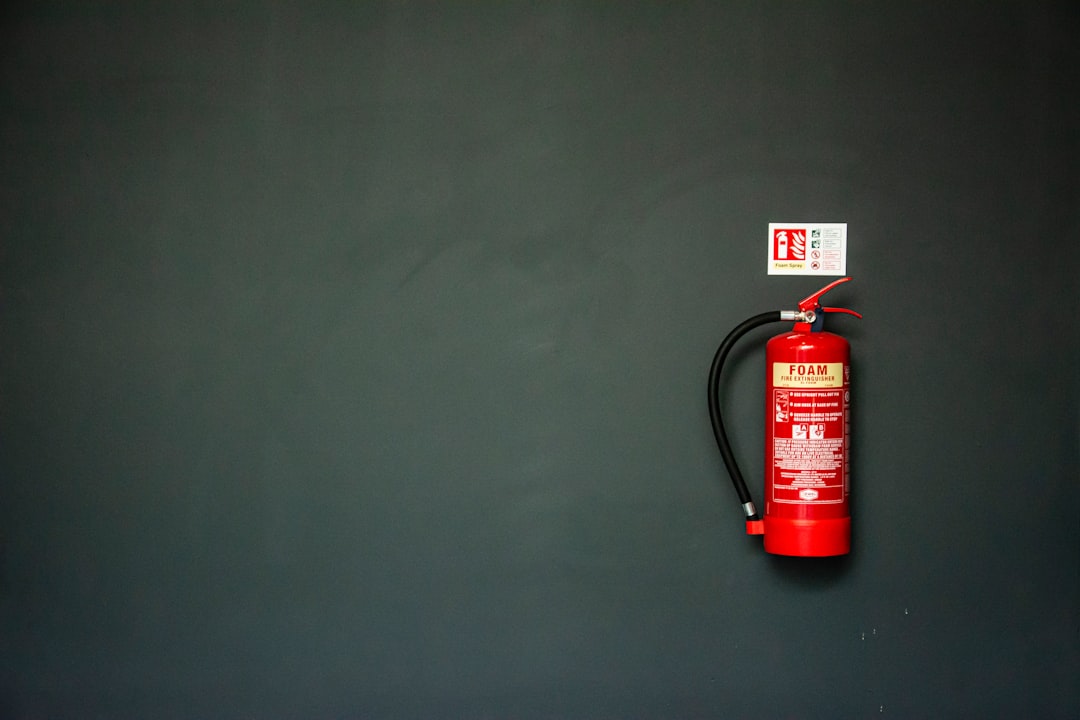
Are your facility’s fire safety protocols fully compliant with GCC regulations? Moreover, regular equipment checks form the cornerstone of any robust workplace safety program. Consequently, neglecting portable fire equipment pressure checks can lead to catastrophic failures during emergencies. Therefore, understanding and implementing a rigorous monthly inspection routine is not just a recommendation—it’s a legal and moral imperative. This guide details the critical process of fire extinguisher monthly visual inspections for facility managers across the Gulf region.
Facilities across the UAE, Saudi Arabia, Qatar, and Kuwait operate under stringent civil defense and occupational safety mandates. Furthermore, these regulations mandate specific intervals for checking portable firefighting equipment. Additionally, the harsh environmental conditions common in the GCC can accelerate equipment degradation. Consequently, a systematic visual assessment program helps identify issues before they compromise safety. Ultimately, this proactive approach protects your assets, ensures business continuity, and safeguards your most valuable resource: your people.
At Allianze HR Consultancy, we’ve successfully placed 10,000+ professionals across UAE, Saudi Arabia, Qatar, and Kuwait. Furthermore, our 5+ years of GCC expertise supports clients from 50+ countries in establishing comprehensive safety cultures, including training for facilities management roles. Moreover, our Ministry of External Affairs (India) RA license ensures compliance in all recruitment and deployment activities. Therefore, contact our recruitment specialists for expert guidance on staffing your safety and facilities teams with qualified personnel.
Understanding GCC Fire Safety Equipment Requirements
GCC nations enforce rigorous fire safety codes derived from international standards like NFPA 10. Furthermore, these codes explicitly require regular maintenance of all portable fire extinguishers. Additionally, local civil defense authorities conduct unannounced inspections to verify compliance. Consequently, non-compliance can result in substantial fines, operational shutdowns, or even criminal liability. Therefore, employers must establish clear accountability for equipment checks.
Specifically, regulations typically mandate that inspections occur at least monthly. Moreover, a formal record of each check must be maintained on a tag attached to the unit. Meanwhile, annual maintenance by a certified technician is also compulsory. Subsequently, these layers of verification create a defensible audit trail. For example, UAE Civil Defense requires a detailed log showing inspection dates, the inspector’s name, and any actions taken.
- Monthly visual checks by designated facility staff.
- Annual professional servicing by certified contractors.
- Hydrostatic testing every 5 or 12 years, based on type.
- Clear accessibility and proper mounting height for all units.
- Mandatory training for staff on basic inspection procedures.
- Immediate reporting and replacement of defective equipment.
Finally, the responsibility for this program falls on the facility owner or employer. Hence, developing a standardized process is essential for operational safety and legal protection.
Fire Extinguisher Monthly Visual Inspections Strategic Overview
A strategic approach to fire extinguisher monthly visual inspections transforms a routine task into a critical safety assurance activity. First, designate trained, responsible personnel to conduct the checks. Furthermore, provide them with a standardized checklist to ensure consistency. Additionally, schedule inspections for the same time each month to prevent oversight. Consequently, this systematic method ensures no unit is missed and all deficiencies are logged.
The core objective is to verify the extinguisher is in its designated place, ready for operation. Moreover, inspectors must confirm the unit has not been tampered with or obstructed. Meanwhile, they check for obvious physical damage, corrosion, or leakage. Subsequently, they verify the pressure gauge reading is in the operable range. Therefore, each inspection is a quick but thorough verification of operational readiness.
- Verify the extinguisher is in its assigned location and accessible.
- Check that the safety seal and tamper indicator are intact.
- Inspect for physical damage, dents, corrosion, or leakage.
- Confirm the pressure gauge needle is in the green “charged” zone.
- Ensure the operating instructions on the label are legible.
- Initial and date the inspection tag attached to the unit.
Ultimately, this strategic overview ensures the process is integrated into regular facility management duties. Hence, it becomes a habitual part of your safety culture.
Legal Framework and Compliance Standards
Compliance is anchored in both local laws and international best practices. According to the International Labour Organization workplace safety conventions, employers must provide and maintain safe working equipment. Furthermore, GCC countries have codified these principles into national civil defense regulations. Additionally, standards from the International Facility Management Association provide detailed protocols for equipment care. Consequently, adherence is non-negotiable for responsible operations.
In the UAE, Federal Law No. 20 and various ministerial decrees outline specific fire safety duties. Moreover, Saudi Arabia’s Civil Defense Law and the Saudi Building Code (SBC) set stringent requirements. Meanwhile, Qatar’s Ministry of Interior and Kuwait’s Fire Force Directorate have similar enforceable codes. Subsequently, facility managers must stay updated on any amendments to these regulations. Therefore, regular consultation with legal or compliance experts is advisable.
Documentation serves as your primary evidence of compliance during an audit. Furthermore, inspection tags must be durable and clearly filled out. Additionally, a master logbook or digital record should archive all inspection data. Consequently, this documentation demonstrates due diligence. For instance, it can protect your organization from liability if an incident occurs despite proper maintenance records.
Fire Extinguisher Monthly Visual Inspections Best Practices
Implementing fire extinguisher monthly visual inspections best practices elevates your program from basic compliance to excellence. First, use a color-coded system on inspection tags for quick visual verification. Furthermore, integrate the inspection route into the janitorial or security staff’s monthly duties. Additionally, leverage mobile audit apps that time-stamp inspections and geo-tag locations. Consequently, these tools eliminate paper-based errors and provide real-time data to managers.
Training is the most critical component of an effective program. Moreover, inspectors must understand not just what to check, but why each element matters. Meanwhile, regular refresher sessions help combat complacency. Subsequently, consider certifying key staff through recognized safety courses. Therefore, investing in knowledge directly enhances the reliability of your inspections.
- Develop and use a detailed, step-by-step pictorial checklist.
- Establish a clear “red tag” procedure for removing defective units.
- Conduct random audits of inspected units by a supervisor.
- Correlate inspection findings with maintenance contractor reports.
- Include inspection protocol in new employee safety orientation.
- Review and update procedures annually or after any incident.
Finally, best practices focus on creating a self-sustaining system. Hence, the process should be simple, documented, and continuously improved.
Documentation and Processing Steps
Proper documentation transforms inspection activities into verifiable compliance data. First, each extinguisher must have a permanent tag or label that records its history. Furthermore, the monthly inspector must legibly enter the date and their initials. Additionally, any noted deficiency requires immediate action documented on a work order. Consequently, this creates a closed-loop system where problems are found, reported, and fixed.
The processing steps following an inspection are crucial. Moreover, if a unit fails the visual check, it must be immediately removed from service. Meanwhile, a replacement extinguisher should be installed in its place without delay. Subsequently, the defective unit must be serviced by a qualified technician or replaced entirely. Therefore, the flow from identification to resolution must be seamless and swift.
Digital systems significantly enhance this process. For example, scanning a QR code on the unit can open a digital form, log GPS coordinates, and automatically notify maintenance teams. Furthermore, these systems can generate compliance reports for management review. Additionally, they provide invaluable data for analyzing failure trends. Consequently, moving beyond paper is a key step in modern facility management, as supported by resources from the UAE green building regulations which emphasize smart facilities.
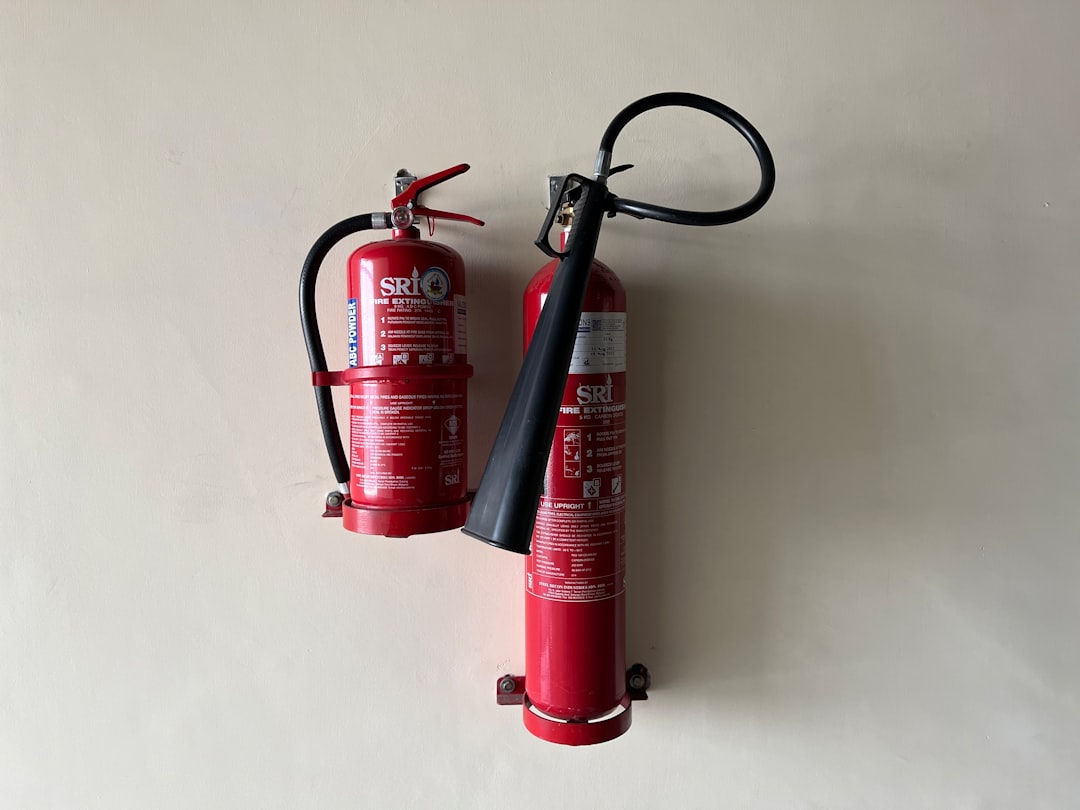
Fire Extinguisher Monthly Visual Inspections Implementation Timeline
Creating a successful implementation timeline for fire extinguisher monthly visual inspections requires careful planning. In the first week, conduct a facility audit to catalog all portable fire equipment locations and types. Furthermore, assign clear responsibility to a facilities coordinator or team lead. Additionally, order all necessary inspection tags, checklists, and reporting forms. Consequently, this preparation phase sets a solid foundation for the entire program.
During the second week, develop and deliver targeted training to the personnel who will perform the checks. Moreover, run a pilot inspection on a small section of the facility to refine the process. Meanwhile, establish the procedure for reporting and replacing faulty units with your supplier. Subsequently, this testing phase identifies logistical hurdles before full rollout. Therefore, it prevents widespread confusion.
- Week 1: Audit equipment, assign roles, procure materials.
- Week 2: Train inspectors, pilot the process, set up reporting.
- Week 3: Launch full first inspection cycle across the facility.
- Week 4: Review first month’s data, adjust procedures as needed.
- Month 2: Conduct first supervisor audit of inspection quality.
- Month 3: Integrate inspection data into broader safety management reviews.
Ultimately, the timeline should lead to a routine, habitual process within one quarter. Hence, consistent management follow-up in the early stages is critical for long-term success.
Common Challenges and Solutions
Facilities often encounter predictable challenges when establishing inspection routines. A common issue is inspector turnover or forgetfulness. Furthermore, the solution is to integrate the task into a broader digital facility management checklist. Additionally, setting automated calendar reminders for the responsible team can prevent missed inspections. Consequently, systemizing the task reduces reliance on individual memory.
Another frequent problem is the misinterpretation of pressure gauge readings. Moreover, staff may not understand what constitutes a “green zone” reading for different extinguisher types. Meanwhile, providing laminated guides with photos of correct and incorrect gauge readings offers a simple solution. Subsequently, this visual aid standardizes judgment across different inspectors. Therefore, it improves accuracy and consistency.
Managing defective units also poses logistical challenges. Specifically, the process of removing, replacing, and servicing a failed extinguisher must be efficient. Furthermore, establishing a standing agreement with a reliable fire safety service company is essential. Additionally, keeping a small inventory of spare units on-site prevents coverage gaps. Consequently, these steps, aligned with World Health Organization indoor air quality and safety priorities, ensure your protection is never compromised.
Expert Recommendations for Success
Experts recommend going beyond the minimum legal requirements to build a resilient safety culture. First, treat monthly inspections as a training opportunity rather than a mere checklist task. Furthermore, encourage inspectors to think critically about why an extinguisher might fail. Additionally, involve them in reviewing annual service reports from contractors. Consequently, this engagement fosters ownership and vigilance.
Leverage technology to gain insights from your inspection data. Moreover, analyze trends to see if certain locations or extinguisher types fail more often. Meanwhile, this data can inform better procurement decisions or highlight environmental issues. Subsequently, you move from reactive compliance to proactive risk management. Therefore, your inspection program becomes a strategic asset.
Finally, connect your equipment maintenance program to your broader workforce safety strategy. Ensure your recruitment process for facilities staff prioritizes candidates with safety awareness. Furthermore, professional recruitment resources can help you find personnel who value meticulous procedures. Additionally, regular safety meetings should include updates from the inspection program. Hence, this integration, supported by global insights from the World Bank urban development reports, embeds fire safety into the organizational DNA.
Frequently Asked Questions About Fire Extinguisher Monthly Visual Inspections
What is the timeline for fire extinguisher monthly visual inspections?
The formal inspection should be completed once per calendar month. Furthermore, spacing them approximately 30 days apart is standard practice. Therefore, consult our specialists for help establishing a sustainable schedule for your team.
Who is legally allowed to perform the monthly visual check?
Trained facility staff, security personnel, or safety wardens can perform the visual inspection. Moreover, they do not need a special certification but must be competent. Additionally, annual maintenance requires a licensed technician.
What is the most common issue found during inspections?
Obstruction of access is the most frequent issue. Furthermore, missing or broken safety seals and pressure gauges reading outside the green zone are also common. Consequently, regular checks quickly identify these correctable problems.
How does this monthly check differ from annual maintenance?
The monthly check is a quick visual and physical verification of readiness. Moreover, annual maintenance involves internal examination, recharging if needed, and detailed testing by a professional. Therefore, both are legally required and complementary.
What should we do if an extinguisher fails the inspection?
Immediately remove it from its location and tag it as defective. Furthermore, replace it with a fully operational unit from your spare inventory. Subsequently, arrange for professional service or replacement through your fire safety contractor.
Are digital inspection records acceptable to GCC authorities?
Yes, digital logs with timestamps and inspector IDs are generally acceptable and often preferred. Moreover, they provide better audit trails and are harder to falsify. However, always verify with your local civil defense authority for specific format requirements.
Partner with Allianze HR for Fire Safety Compliance Success
Implementing a flawless fire extinguisher monthly visual inspections program requires more than just procedures—it requires the right people. Furthermore, consistent execution depends on diligent, trained facilities and safety personnel. Additionally, Allianze HR specializes in recruiting and placing qualified professionals who understand the critical importance of such compliance tasks. Consequently, partnering with us ensures your team has the expertise to maintain the highest safety standards.
We help you build a workforce that treats safety protocols with the seriousness they deserve. Moreover, our understanding of GCC labor markets and compliance landscapes is unmatched. Meanwhile, we source candidates who are not only skilled but also culturally aligned with the region’s rigorous regulatory environment. Therefore, your investment in staffing becomes an investment in risk mitigation and operational integrity.
Do not leave your facility’s safety and compliance to chance. Let us help you assemble a team that executes vital checks with precision. Explore our professional recruitment resources to understand our methodology. Finally, take the definitive step toward a safer workplace. Schedule a consultation appointment with our HR specialists today to discuss your staffing needs for facilities management and safety roles.