


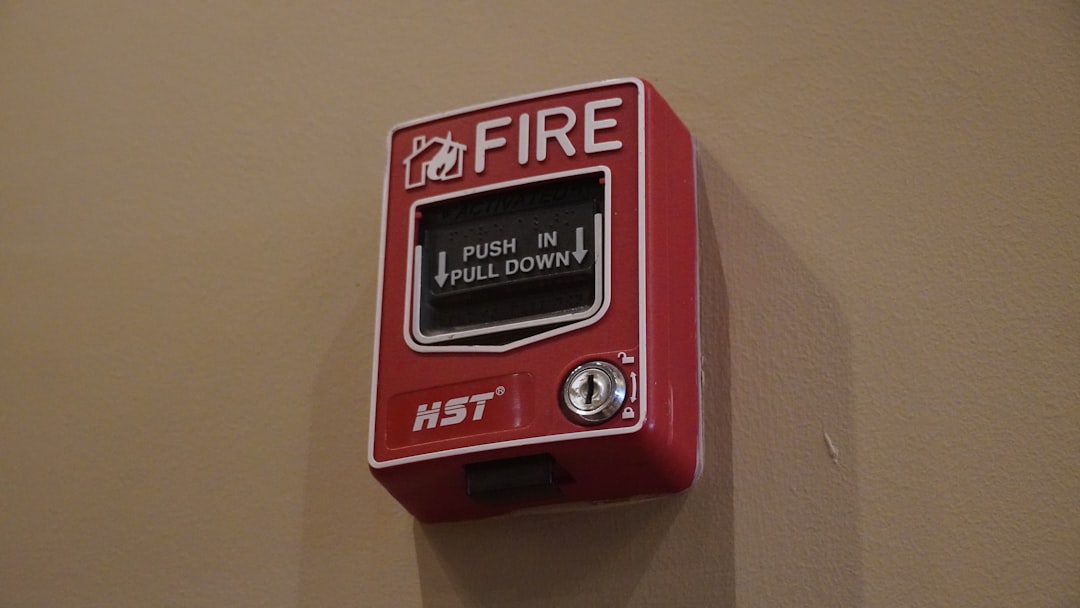
How can you ensure your fire safety infrastructure is installed by qualified, compliant professionals? In the GCC’s rapidly developing construction and facilities management sectors, the demand for skilled fire protection system installers is critical. However, recruiting these specialists involves navigating complex safety standards and regional labor laws. This guide provides a strategic framework for successful talent acquisition. The focus on fire protection system installers safety is paramount for protecting lives, assets, and ensuring regulatory compliance across all projects.
Fire safety systems, including sprinklers, alarms, and suppression equipment, form the backbone of building safety. Consequently, the technicians who install and maintain these systems hold immense responsibility. Their work directly impacts a facility’s ability to prevent and mitigate fire emergencies. Moreover, GCC countries enforce stringent building codes that reference international standards like NFPA. Therefore, hiring the right personnel is not just an operational need but a legal and ethical imperative for employers in the UAE, Saudi Arabia, Qatar, and Kuwait.
At Allianze HR Consultancy, we’ve successfully placed 10,000+ professionals across UAE, Saudi Arabia, Qatar, and Kuwait. Furthermore, our 5+ years of GCC expertise supports clients from 50+ countries. Moreover, our Ministry of External Affairs (India) RA license ensures compliance. Therefore, contact our recruitment specialists for expert guidance on building your safety-critical workforce.
Understanding GCC Fire Safety Technician Requirements
The GCC construction boom demands specialized fire safety talent. Specifically, employers need installers for sprinkler systems, fire alarm networks, and specialized suppression equipment. These roles require a blend of technical knowledge and practical skills. Additionally, familiarity with regional building codes is non-negotiable. For instance, the UAE’s Fire and Life Safety Code and Saudi Arabia’s SBC 801 are mandatory references.
Furthermore, the job scope extends beyond simple installation. Technicians must understand system design principles, hydraulic calculations for sprinklers, and network programming for alarms. They also perform acceptance testing and commissioning. Moreover, ongoing maintenance capabilities are highly valued. Consequently, a comprehensive recruitment strategy must assess both installation proficiency and long-term system stewardship.
- Sprinkler system fitter with pipe threading and hanging expertise.
- Fire alarm technician skilled in addressable panel programming.
- Suppression system specialist for chemical or gas-based systems.
- Inspector and tester certified for NFPA 25 compliance checks.
- Foreman or supervisor with project management experience.
Therefore, identifying candidates with verified experience on similar commercial or high-rise projects is crucial. Partnering with a recruiter who understands these technical nuances ensures you source talent that meets both job specifications and regional legal standards, as outlined by the UAE green building regulations which integrate fire safety components.
Fire Protection System Installers Safety Strategic Overview
A strategic approach to fire protection system installers safety recruitment balances technical skill with unwavering commitment to safe work practices. This begins with a precise job description. Clearly define required certifications, such as NFPA-based training or manufacturer-specific credentials. Additionally, specify hands-on experience with relevant systems and tools. Emphasize the critical nature of compliance with both installation standards and occupational safety protocols on the jobsite.
Moreover, the recruitment process must include rigorous vetting. Technical interviews should involve scenario-based questions on hazard identification and mitigation. Furthermore, practical assessments can verify competency in tasks like pipe fitting or circuit testing. Also, verify past project involvement and check references for adherence to safety timelines and quality benchmarks. This multi-layered screening is essential for mitigating risk.
- Develop detailed, technically-specific job descriptions and person specifications.
- Implement a multi-stage screening process with practical assessments.
- Prioritize candidates with proven NFPA or equivalent standards knowledge.
- Verify certifications and past project experience thoroughly.
- Assess understanding of local GCC fire codes and authority approval processes.
Consequently, a strategic overview ensures you build a team capable of executing installations that pass rigorous authority inspections. This protects your organization from liability and project delays. It also aligns with global best practices for workplace safety as promoted by the International Labour Organization.
Legal Framework and Compliance Standards
Compliance forms the non-negotiable foundation of fire safety recruitment. GCC nations mandate adherence to a mix of local codes and international standards. Primarily, the National Fire Protection Association (NFPA) standards are widely adopted. Key standards include NFPA 13 for sprinklers, NFPA 72 for alarms, and NFPA 10 for extinguishers. Therefore, installers must demonstrate working knowledge of these documents. Additionally, local civil defense authorities have final approval on all systems.
Furthermore, labor laws govern the employment of technical staff. These include visa sponsorship, work permit conditions, and occupational health and safety mandates. For example, employers must provide appropriate safety training and personal protective equipment (PPE). Also, contract terms must be clear on working hours, hazard pay, and insurance coverage. Navigating this dual compliance landscape—technical and labor—requires expert knowledge.
- NFPA 13 (Standard for Installation of Sprinkler Systems).
- NFPA 72 (National Fire Alarm and Signaling Code).
- Local Civil Defense regulations (e.g., UAE Civil Defense, Saudi Civil Defense).
- GCC Member State Labor Laws and occupational safety decrees.
- Requirements for equipment approval and material submittals.
Hence, employers must stay updated on regulatory changes. Non-compliance can result in failed inspections, project stoppages, fines, or even criminal liability. Resources from the Saudi Ministry of Labor and the U.S. Department of Commerce provide insights into evolving labor standards that impact technical workforce deployment.
Fire Protection System Installers Safety Best Practices
Implementing fire protection system installers safety best practices transforms compliance from a checklist into a culture. First, integrate safety competency into every hiring stage. During interviews, probe for specific examples of how candidates have identified and mitigated job site hazards. Additionally, ask about their experience with Job Safety Analysis (JSA) or permit-to-work systems. This reveals their proactive safety mindset beyond technical skill.
Moreover, onboarding is a critical phase. New hires should receive immediate training on company-specific safety protocols and emergency procedures. Furthermore, ensure they understand the chain of command for reporting safety concerns. Also, pair them with experienced mentors who model best practices. This structured integration reduces the risk of incidents during the initial employment period.
- Conduct behavioral interviews focused on safety decision-making.
- Implement a comprehensive safety orientation and onboarding program.
- Provide continuous training on new equipment, standards, and hazard recognition.
- Establish clear reporting lines for safety issues without fear of reprisal.
- Regularly audit worksites and installations for compliance and quality.
Therefore, these practices create a workforce that is both skilled and safety-conscious. This leads to higher quality installations, fewer accidents, and lower insurance premiums. It also demonstrates a commitment to occupational health principles, contributing to sustainable business operations in line with urban development goals.
Documentation and Processing Steps
Accurate documentation is the backbone of compliant recruitment. The process begins with the employment contract. This document must clearly outline job title, duties, salary, working hours, and safety responsibilities. Additionally, it should reference adherence to company safety policies and relevant NFPA standards. Next, visa and work permit applications require attested educational certificates and technical qualifications.
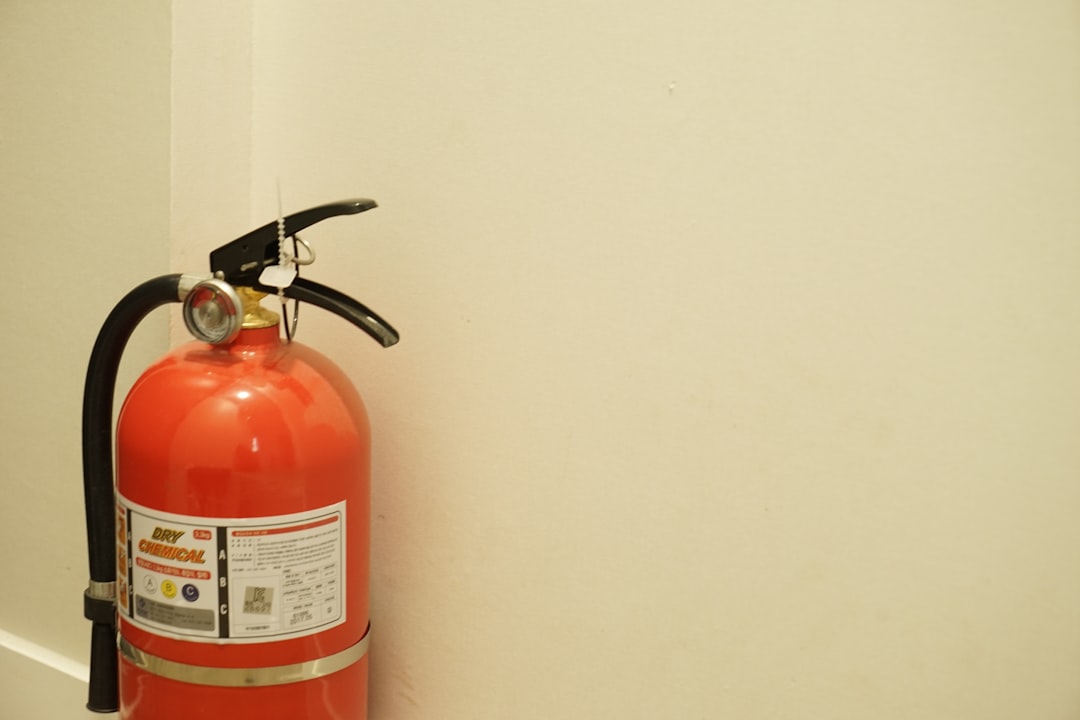
Furthermore, specific technical documentation is often needed for authority approval. This includes the installer’s certifications and training records. Moreover, some projects may require submitting the lead technician’s credentials to the consulting engineer or civil defense authority. Consequently, maintaining an organized portfolio for each employee streamlines this process. Missing or incorrect documents can delay project mobilization significantly.
- Detailed employment contract with explicit safety clauses.
- Attested educational diplomas and technical training certificates.
- Copies of NFPA or other relevant professional certifications.
- Medical fitness certificate for insurance and work permit processing.
- Previous employer references verifying experience and safety record.
Thus, meticulous document management is essential. Partnering with an HR consultancy that understands these requirements ensures a smooth, error-free process. They can manage attestation through proper channels and ensure all paperwork meets the stringent requirements of GCC immigration and labor authorities, as detailed on official portals like the UAE visa and immigration services site.
Fire Protection System Installers Safety Implementation Timeline
A realistic timeline for fire protection system installers safety recruitment is crucial for project planning. The entire process, from job posting to deployment, typically spans 6 to 10 weeks. Initially, candidate sourcing and screening may take 2-3 weeks. This is followed by interviews, technical assessments, and offer negotiation. Subsequently, the documentation and visa processing phase is the most variable, often requiring 4-6 weeks depending on the GCC country.
Moreover, factoring in time for safety-specific onboarding is vital. This includes site-specific induction, equipment training, and reviews of emergency protocols. Rushing this stage increases risk. Therefore, project managers should integrate this recruitment timeline into their overall project schedule. Proactive planning prevents costly delays and ensures technicians arrive ready to work safely and productively.
- Weeks 1-3: Job posting, candidate sourcing, and initial screening.
- Weeks 3-4: Technical interviews, assessments, and job offer.
- Weeks 4-10: Documentation preparation, attestation, and visa processing.
- Pre-deployment: Medical check-up and travel arrangements.
- First Week On-Site: Mandatory safety orientation and project briefing.
Hence, understanding this sequence allows for better resource allocation. Employers can use this timeline to coordinate with main contractors and avoid penalties for delayed mobilization. For more insights on efficient labor market processes, refer to analyses from the World Bank labor market research.
Common Challenges and Solutions
Recruiting fire safety installers in the GCC presents distinct challenges. A primary issue is verifying international certifications and experience claims. Fraudulent certificates are a known risk in technical recruitment. Additionally, the high demand for skilled installers can lead to rapid job-hopping, affecting project continuity. Furthermore, cultural and language barriers may impact site communication and safety comprehension.
However, effective solutions exist. Implementing rigorous background checks through original issuing institutions mitigates fraud risk. Moreover, offering competitive, structured packages with clear career progression enhances retention. Also, providing basic language training and using visual safety instructions improves onsite communication. Proactively addressing these challenges strengthens your entire safety program.
- Challenge: Verification of foreign certifications and experience.
- Solution: Direct verification with training centers and detailed reference checks.
- Challenge: High turnover due to competitive market.
- Solution: Offer clear career paths, timely promotions, and safety performance bonuses.
- Challenge: Language barriers affecting safety communication.
- Solution: Implement multilingual safety signage and mandatory basic safety language training.
Consequently, anticipating these hurdles allows employers to build more resilient teams. Accessing professional recruitment resources can provide templates and strategies for overcoming these common obstacles, ensuring a stable and competent workforce.
Expert Recommendations for Success
To ensure long-term success, go beyond basic hiring. First, invest in continuous professional development for your fire safety team. Sponsor advanced NFPA certification courses or manufacturer training. This not only upgrades skills but also boosts morale and retention. Additionally, foster a culture where safety suggestions from installers are valued and implemented. Often, the technicians on the ground have the best insight into practical hazards.
Moreover, leverage technology for better management. Use digital tools to track certifications and schedule refresher training before expiry. Furthermore, maintain detailed as-built documentation and service records for every system installed. This creates institutional knowledge and aids in future maintenance. Finally, build a strong relationship with your recruitment partner who specializes in technical safety roles.
- Commit to ongoing technician training and certification renewal.
- Create a formal system for reporting and rewarding safety improvements.
- Utilize digital asset management for certification and installation records.
- Conduct regular, unannounced safety audits of active installation sites.
- Partner with a specialized recruiter for consistent talent pipeline access.
Therefore, these expert strategies create a sustainable model for workforce excellence. They ensure your projects are not only compliant today but are also prepared for tomorrow’s evolving standards and technologies. To begin implementing these recommendations, schedule a consultation appointment with our specialists.
Frequently Asked Questions About Fire Protection System Installers Safety
What is the timeline for fire protection system installers safety recruitment?
The complete timeline typically ranges from 6 to 10 weeks. This includes sourcing, vetting, documentation, and visa processing. Furthermore, incorporating safety-specific onboarding adds crucial time. Therefore, consult our specialists for a precise project-based estimate.
What certifications are most critical for sprinkler and alarm technicians?
NFPA-based certifications are paramount. Specifically, look for training in NFPA 13 (sprinklers) and NFPA 72 (alarms). Additionally, manufacturer-specific training for major brands is highly valuable. Moreover, OSHA or IOSH safety certifications demonstrate a strong safety mindset.
How do GCC fire codes impact the hiring process?
Local Civil Defense codes dictate required competency levels. Consequently, hiring must verify experience with these specific regional standards. Furthermore, some authorities maintain approved lists of technicians or require credential submissions for project approval, influencing candidate selection.
What are the key safety vetting questions during interviews?
Ask for specific examples of identifying a worksite hazard and their mitigation action. Furthermore, inquire about their experience with lift plans, hot work permits, and lock-out/tag-out procedures. Also, ask how they ensure their work complies with NFPA installation standards daily.
How can we reduce turnover among skilled fire safety installers?
Offer clear career progression to supervisory roles. Additionally, provide continuous training and recognize safety performance. Moreover, ensure competitive compensation and proper working conditions. Finally, involve them in safety