


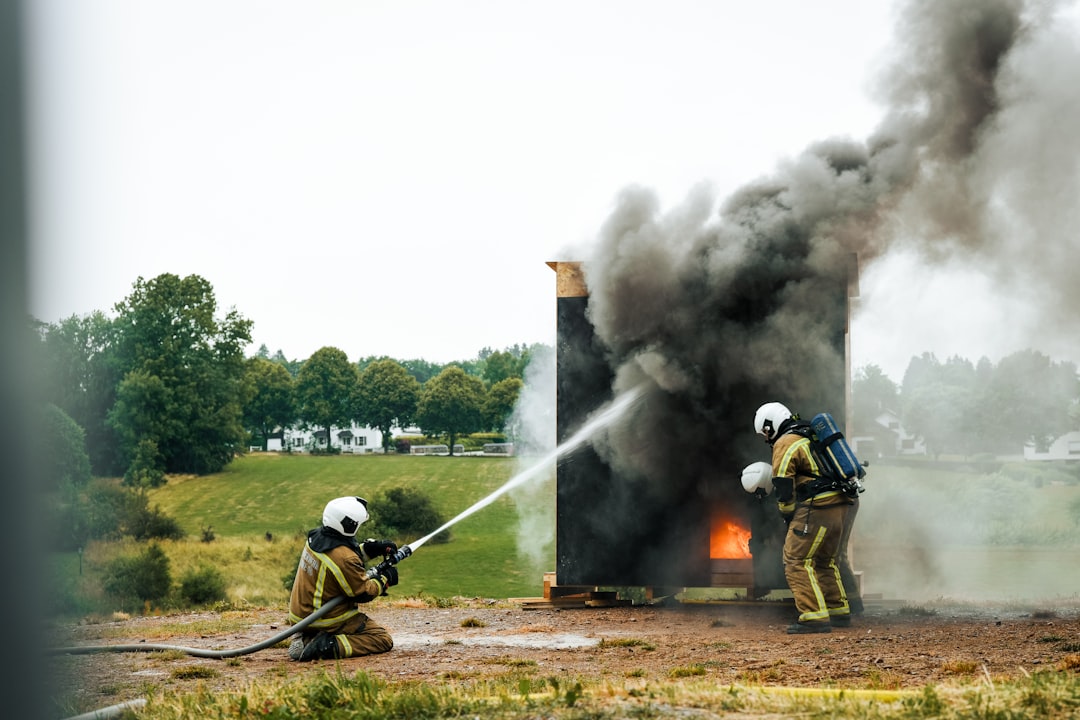
Are you managing a large-scale labor accommodation in the GCC? Furthermore, do you understand the critical fire protection requirements for 300+ workers? The safety and compliance of worker housing are paramount responsibilities. Consequently, implementing robust fire safety systems labor camp protocols protects lives, assets, and your company’s reputation. This guide provides a comprehensive framework for employers.
GCC nations enforce stringent regulations for worker welfare and accommodation safety. These standards align with international best practices from organizations like the International Labour Organization. Moreover, with rapid infrastructure development, ensuring camp safety is a legal and ethical imperative. Therefore, proactive investment in fire prevention systems is non-negotiable for responsible employers.
At Allianze HR Consultancy, we’ve successfully placed 10,000+ professionals across UAE, Saudi Arabia, Qatar, and Kuwait. Furthermore, our 5+ years of GCC expertise supports clients from 50+ countries. Moreover, our Ministry of External Affairs (India) RA license ensures compliance. Therefore, contact our recruitment specialists for expert guidance on staffing and camp management support.
Understanding GCC Worker Accommodation Safety Standards
Worker camp safety in the Gulf region is governed by multiple regulatory bodies. Each Emirate or Kingdom has specific municipal and civil defense codes. For instance, UAE’s Civil Defense regulations and Saudi Arabia’s Ministry of Human Resources set clear mandates. These rules cover building materials, occupancy limits, and emergency egress.
Additionally, camps housing 300+ personnel are classified as high-occupancy facilities. This classification triggers enhanced safety scrutiny. Key considerations include compartmentalization to prevent fire spread. Moreover, adequate and clearly marked exits are mandatory. Emergency lighting and exit signage must remain functional always.
Furthermore, regular inspections by civil defense authorities are standard. Non-compliance results in heavy fines, operational shutdowns, or legal prosecution. Therefore, understanding these baseline standards is the first step. Subsequently, integrating specialized fire suppression systems builds upon this foundation. Proactive compliance demonstrates corporate responsibility.
- Adherence to local Civil Defense and municipal codes.
- Mandatory compartmentalization and fire-resistant construction materials.
- Minimum of two remote, unobstructed emergency exits per accommodation block.
- Functional emergency lighting and photoluminescent exit path markings.
- Regular, documented fire drills and worker training sessions.
Fire Safety Systems Labor Camp Strategic Overview
A strategic approach to fire safety systems labor camp implementation is essential. This involves a layered defense strategy. The first layer is early detection through advanced alarm systems. The second layer is automatic suppression via sprinklers. Finally, the third layer is first-response intervention using portable extinguishers. Together, they form a comprehensive safety net.
Moreover, system design must account for camp-specific risks. These include high-density sleeping quarters, communal kitchens, and electrical load centers. Additionally, cultural and linguistic diversity among workers requires clear, pictorial safety communication. Therefore, planning involves technical, human, and procedural elements. A holistic strategy ensures all bases are covered effectively.
Consequently, employers should conduct a detailed fire risk assessment first. This assessment identifies high-hazard areas and occupancy patterns. Furthermore, it guides the specification of appropriate system components. Partnering with certified fire safety consultants is highly recommended. Their expertise ensures designs meet both local codes and international safety standards.
- Implement a multi-layered defense: detection, suppression, and response.
- Conduct a site-specific fire risk assessment for 300+ occupant facilities.
- Design systems for high-density sleeping and cooking areas.
- Integrate clear, multilingual, and pictorial safety signage.
- Engage certified fire safety consultants for design and approval.
Legal Framework and Compliance Standards
The legal landscape for camp safety is complex and dynamic. GCC countries continuously update their building and fire codes. For example, the UAE Fire and Life Safety Code of Practice provides detailed technical specifications. Similarly, Qatar’s Civil Defense Department has explicit guidelines for labor cities. Compliance is not optional; it is a strict legal requirement.
Furthermore, these regulations often reference international standards. These include NFPA (National Fire Protection Association) codes. Specifically, NFPA 101: Life Safety Code and NFPA 72: National Fire Alarm and Signaling Code are influential. Additionally, local authorities require system approval and periodic testing certificates. Therefore, documentation is as crucial as installation.
Moreover, non-compliance carries severe consequences. Penalties range from substantial financial fines to imprisonment for responsible managers. In extreme cases, work permits for the entire camp can be revoked. Therefore, maintaining compliance is an ongoing operational priority. Regular audits and system maintenance are indispensable. Access professional recruitment resources for related workforce management insights.
- Mandatory adherence to national Civil Defense codes and municipal bylaws.
- Alignment with international standards like NFPA 101 and NFPA 72.
- Requirement for pre-approval of system designs and equipment.
- Mandatory annual system testing and certification by licensed providers.
- Severe penalties for non-compliance, including fines and operational stoppages.
Fire Safety Systems Labor Camp Best Practices
Adopting industry best practices elevates your camp’s fire safety systems labor camp program from compliant to exemplary. First, install an addressable fire alarm system. This technology pinpoints the exact location of a triggered detector. Consequently, emergency response becomes faster and more targeted. This is critical in large, sprawling camp environments.
Secondly, integrate automatic sprinkler systems in all high-risk areas. These include kitchens, dining halls, electrical rooms, and dormitories. Notably, modern sprinklers activate only where heat is detected, minimizing water damage. Furthermore, ensure water supply and pump capacity are sufficient for the entire camp footprint. Regular flow tests are essential for reliability.
Additionally, establish a dedicated Emergency Response Team (ERT) from among the workers. Provide them with specialized training in evacuation and first-aid. Moreover, conduct unannounced fire drills quarterly to test procedures and worker readiness. This human element complements technical systems perfectly. Finally, maintain impeccable records of all inspections, drills, and maintenance activities for audit purposes.
- Deploy addressable fire alarm systems for precise incident location.
- Install automatic wet-pipe sprinkler systems in all accommodation and hazard areas.
- Form and train a camp-based Emergency Response Team (ERT).
- Conduct quarterly, unannounced full-scale evacuation drills.
- Maintain a centralized log for all maintenance, tests, and training records.
Documentation and Processing Steps
Proper documentation formalizes your fire safety commitment. Begin with the approved system design drawings from a certified engineer. These drawings must be stamped by the relevant Civil Defense authority. Subsequently, keep all equipment datasheets and manufacturer certificates on file. This proves the installed systems meet required specifications.
Furthermore, processing system approvals involves several steps. First, submit design documents for preliminary approval. Next, schedule inspections during installation at key milestones. Finally, after completion, a final inspection and live test are conducted. Upon passing, the Civil Defense issues a compliance certificate. This certificate typically requires annual renewal.
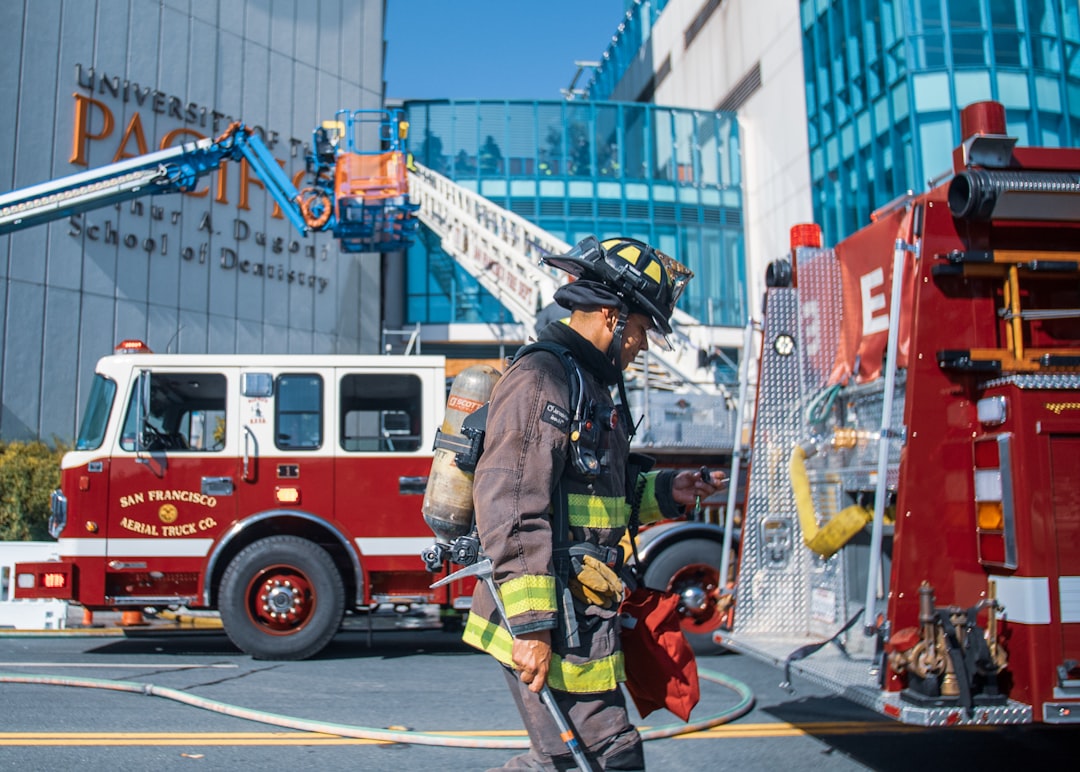
Moreover, internal documentation is equally vital. Maintain training registers for the ERT and general workers. Also, keep drill reports detailing performance and areas for improvement. Additionally, service reports from your maintenance contractor are mandatory. This complete paper trail demonstrates due diligence. It is invaluable during inspections or incident investigations.
- Civil Defense-approved system design and layout drawings.
- Equipment certificates and datasheets from manufacturers.
- Civil Defense issuance of final compliance and annual renewal certificates.
- Internal records of worker training, fire drills, and ERT sessions.
- Signed service and maintenance reports from licensed contractors.
Fire Safety Systems Labor Camp Implementation Timeline
Implementing comprehensive fire safety systems labor camp infrastructure requires careful planning. A realistic timeline for a 300+ worker facility spans 3 to 6 months. The first phase involves consultation, risk assessment, and design. This phase typically takes 4-6 weeks. Engaging consultants early prevents costly redesigns later.
The second phase is procurement and installation. Sourcing approved equipment and skilled contractors is crucial. This phase can take 8-12 weeks. Furthermore, coordination with ongoing camp operations is necessary to minimize disruption. Meanwhile, parallelly begin developing emergency procedures and training materials. This ensures readiness upon system commissioning.
The final phase is testing, commissioning, and authority approval. This requires 2-4 weeks. Subsequently, integrate the new systems into daily operations through worker orientation. Remember, implementation is not the end. It marks the start of an ongoing cycle of testing, maintenance, and training. Schedule a consultation appointment to discuss operational planning support.
- Phase 1 (Weeks 1-6): Risk assessment, design finalization, and authority pre-approval.
- Phase 2 (Weeks 7-18): Equipment procurement, contractor mobilization, and installation.
- Phase 3 (Weeks 19-22): System testing, commissioning, and final Civil Defense inspection.
- Ongoing: Annual certification renewals, quarterly drills, and preventative maintenance.
Common Challenges and Solutions
Employers often face several challenges in maintaining camp fire safety. A common issue is budget constraints leading to corner-cutting. The solution is to view safety expenditure as a critical investment. It prevents catastrophic losses and ensures business continuity. Furthermore, non-compliance costs far exceed initial system investments.
Another challenge is high worker turnover affecting training consistency. Implement a mandatory induction program for all new arrivals. This program must include basic fire safety awareness. Additionally, use visual aids and multiple languages to overcome literacy barriers. Moreover, appoint permanent supervisory staff as ERT core members to maintain institutional knowledge.
Finally, maintaining system reliability in harsh desert environments is difficult. Dust, heat, and humidity can affect equipment. Therefore, establish a rigorous preventative maintenance contract with a reputable provider. Schedule bi-annual comprehensive checks. Also, train on-site technicians for basic troubleshooting. Proactive maintenance prevents system failure during an emergency.
- Challenge: Budget limitations. Solution: Frame safety as a non-negotiable capital investment.
- Challenge: High staff turnover. Solution: Standardized, visual induction training for all new workers.
- Challenge: Harsh environment degrading equipment. Solution: Rigorous, bi-annual preventative maintenance schedules.
- Challenge: Language barriers. Solution: Pictorial guides and multilingual safety signage.
- Challenge: Keeping procedures current. Solution: Annual review and update of emergency plans.
Expert Recommendations for Success
For guaranteed success, go beyond minimum code requirements. First, consider integrating a centralized monitoring system. This system connects alarms to a 24/7 security room or directly to Civil Defense. Consequently, response times are drastically reduced. This added layer is especially valuable for remote camp locations.
Secondly, invest in worker education as a core strategy. Empowered workers are your first line of defense. Conduct engaging, practical training sessions rather than theoretical lectures. Furthermore, recognize and reward safe practices to build a positive safety culture. When workers understand the “why,” compliance improves significantly.
Finally, establish a partnership with a single point of responsibility. This could be a dedicated facilities manager or a specialized contractor. This partner oversees the entire fire safety lifecycle: design, maintenance, training, and compliance paperwork. This streamlined accountability prevents gaps in the safety program. It ensures your workforce protection standards remain exemplary.
- Upgrade to a centrally monitored alarm system with direct Civil Defense linkage.
- Develop an engaging, continuous worker education program on fire prevention.
- Appoint a dedicated Fire Safety Officer or partner with a full-service provider.
- Conduct annual third-party audits to identify and rectify potential weaknesses.
- Benchmark your camp’s safety standards against global best practices in urban development.
Frequently Asked Questions About Fire Safety Systems Labor Camp
What is the primary code governing fire safety systems labor camp design?
The primary reference is the national Civil Defense code of the specific GCC country, such as the UAE Fire and Life Safety Code. Furthermore, these often incorporate NFPA standards. Therefore, designs must be approved by local authorities before installation begins.
Are smoke detectors required in every worker room?
Yes, best practice and most GCC codes mandate smoke detectors in each sleeping room and common area. Moreover, heat detectors are required in kitchens. Additionally, all devices must interconnect to sound alarms throughout the entire accommodation block.
How many fire extinguishers are needed for a 300-person camp?
Requirements vary, but a common rule is one 9kg ABC-type extinguisher per 200 square meters, with a maximum travel distance of 15 meters to any unit. Consequently, a large camp requires dozens of units, placed near exits and specific hazards like kitchens and electrical panels.
What is the cost range for installing a full fire safety system?
Costs vary significantly based on camp size and system complexity. For a 300+ worker facility, employers should budget for a substantial capital investment covering design, equipment, installation, and approval. Importantly, this critical investment mitigates far greater potential losses from a fire incident.
How often must fire drills be conducted in labor accommodation?
Most GCC regulations require quarterly fire drills for high-occupancy buildings like labor camps. Furthermore, these drills must be documented with details on evacuation time and observations. Additionally, new workers should participate in a drill during their safety induction.
Can Allianze HR assist with staffing for camp safety management?
Absolutely. We specialize in recruiting qualified safety officers, facilities managers, and security personnel for labor camps. Moreover, we ensure candidates understand local GCC compliance requirements. Therefore, contact our HR specialists to build your camp management team.
Partner with Allianze HR for Camp Safety Success
Implementing robust fire safety systems labor camp infrastructure is a complex but essential undertaking. This guide has outlined the strategic, technical, and compliance steps required for camps housing 300+ workers. From alarm and sprinkler specifications to training and documentation, every element is crucial. Furthermore, a proactive approach safeguards your workforce and ensures operational continuity.