


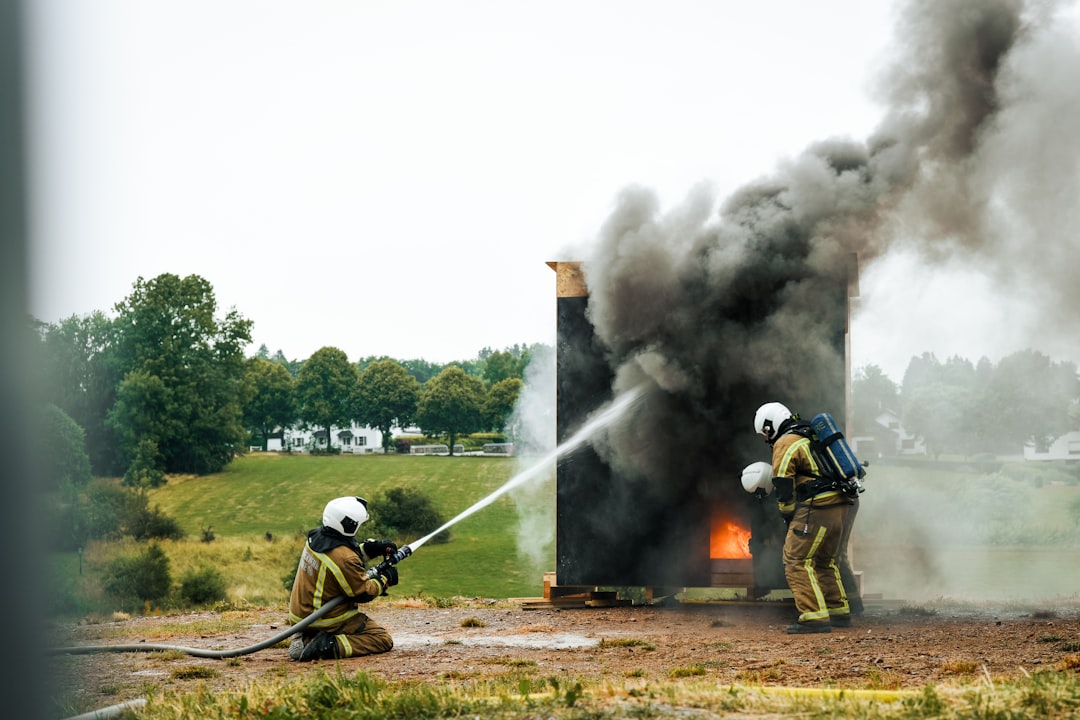
How can construction companies in the GCC protect their most valuable assets—their workers—from fire hazards? Fire safety training for construction camp compliance is not merely a regulatory checkbox. It is a fundamental duty of care. Furthermore, the unique risks of temporary accommodations demand specialized protocols. Therefore, understanding mandatory worker education and evacuation drill procedures is critical for project success and legal adherence.
The construction sector drives GCC infrastructure development. Consequently, thousands of workers reside in temporary camps. These environments present distinct fire risks. Combustible materials, electrical hazards, and high-density living increase danger. Moreover, regional regulations from civil defense authorities mandate strict safety standards. Non-compliance results in severe penalties, project delays, and reputational damage. Ultimately, proactive fire safety management safeguards lives and investments.
At Allianze HR Consultancy, we’ve successfully placed 10,000+ professionals across UAE, Saudi Arabia, Qatar, and Kuwait. Furthermore, our 5+ years of GCC expertise supports clients from 50+ countries. Moreover, our Ministry of External Affairs (India) RA license ensures compliance. Therefore, contact our recruitment specialists for expert guidance on staffing your safety teams and implementing robust camp safety programs.
Understanding GCC Construction Camp Fire Risks
Construction camps are high-risk environments for fire incidents. Temporary structures often use flammable materials. Additionally, electrical installations may be provisional. Cooking areas, welding operations, and storage of fuels add to the hazard profile. Consequently, a single spark can escalate rapidly. The International Labour Organization construction safety standards emphasize preventive measures in worker accommodations.
GCC climates further intensify these risks. Extreme heat can affect electrical systems. Moreover, dusty conditions are common on construction sites. This dust can ignite easily. Therefore, risk assessment must be site-specific. Employers must identify all potential ignition sources. Furthermore, they must evaluate evacuation route accessibility. Finally, they must ensure clear communication channels for all workers, regardless of language.
- Flammable building materials in temporary accommodations.
- Overloaded electrical circuits and improper wiring.
- Storage of gasoline, diesel, and welding gases.
- High occupant density slowing evacuation.
- Language barriers hindering emergency communication.
- Insufficient water supply or firefighting equipment.
Fire Safety Training Construction Camp Strategic Overview
A strategic approach to fire safety training construction camp programs is essential. This goes beyond distributing pamphlets. It involves a structured, ongoing educational framework. The goal is to create a culture of safety. Workers must understand not just what to do, but why it matters. Therefore, training must be engaging, practical, and regularly reinforced. This strategic overview ensures compliance and genuine preparedness.
Effective programs combine theoretical knowledge with hands-on practice. Workers learn to identify hazards first. Then they learn proper use of extinguishers. Finally, they master evacuation procedures. Moreover, training must be documented meticulously. GCC civil defense inspections will request these records. Consequently, a systematic approach protects your company legally. It also demonstrates your commitment to worker welfare, boosting morale and retention.
- Develop a camp-specific fire safety policy and training manual.
- Appoint and train dedicated fire wardens for each camp block.
- Integrate fire safety induction for all new arrivals within 24 hours.
- Use visual aids and multilingual instructions for clear communication.
- Schedule regular refresher courses every six months.
- Maintain detailed attendance logs and training certificates.
Legal Framework and Compliance Standards
GCC nations enforce strict fire safety regulations for worker camps. These are mandated by Civil Defense departments and Ministries of Labor. For instance, UAE Federal Law No. 8 and Saudi Arabia’s Saudi Ministry of Labor regulations set clear requirements. Non-compliance leads to heavy fines, camp closure, and even imprisonment for responsible managers. Therefore, understanding the legal landscape is non-negotiable.
Compliance standards typically mandate specific trainer qualifications. They also dictate training frequency and drill schedules. Furthermore, they require minimum equipment standards. Fire alarms, extinguishers, and assembly points must meet specifications. Regular inspections by authorities ensure adherence. Employers must also align with international benchmarks like OSHA construction industry standards. This global perspective strengthens your safety program and protects your workforce.
- Mandatory biannual fire drills with full camp participation.
- Certification requirements for in-house fire safety trainers.
- Approved types and placement of fire extinguishers and alarms.
- Minimum width and lighting standards for evacuation routes.
- Requirements for emergency lighting and signage.
- Protocols for reporting drills and incidents to authorities.
Fire Safety Training Construction Camp Best Practices
Implementing fire safety training construction camp best practices transforms policy into action. First, training must be conducted in the workers’ native languages whenever possible. This ensures comprehension. Additionally, use simple, clear visuals to demonstrate procedures. Practical sessions where workers physically use extinguishers are far more effective than lectures. Moreover, involve workers in hazard spotting exercises to build engagement.
Secondly, integrate training with daily routines. Discuss fire safety during daily toolbox talks. Furthermore, post evacuation maps in every sleeping quarter and common area. Also, establish a clear chain of command. Workers must know who their fire warden is. Finally, create a positive reinforcement system. Recognize camps or blocks with excellent safety practices. This fosters a proactive safety culture that goes beyond compliance.
- Conduct training in multiple languages (Hindi, Urdu, Bengali, etc.).
- Implement hands-on fire extinguisher training using live simulations.
- Incorporate fire safety topics into daily pre-shift meetings.
- Establish and train a network of resident fire marshals.
- Use clear pictogram-based signage for alarms and exits.
- Run surprise mini-drills to test readiness beyond scheduled exercises.
Documentation and Processing Steps
Meticulous documentation proves compliance during audits. First, develop a master training register. This log should list every worker, training date, and topic covered. Furthermore, keep copies of all training materials and attendance sheets. Additionally, maintain records of all fire drills. These records must include the scenario, timing, participants, and any observations. Consequently, this paperwork is your first line of defense in an inspection.
The processing of this documentation must be systematic. Designate a safety officer responsible for records. Moreover, use digital backups to prevent loss. Also, ensure certificates of completion are issued to workers. This gives them personal proof of qualification. Finally, regularly review and update your documentation procedures. Align them with any changes in local UAE construction sector employment laws or civil defense codes.
- Master training register with worker IDs and training dates.
- Signed attendance sheets for every session and drill.
- Drill reports detailing performance and improvement areas.
- Inspection certificates for all firefighting equipment.
- Records of corrective actions taken after drills or incidents.
- Updated evacuation plans following any camp layout changes.
Fire Safety Training Construction Camp Implementation Timeline
A phased timeline ensures smooth rollout of your fire safety training construction camp program. Week one focuses on planning and resource allocation. Appoint the safety team and procure training materials. Weeks two and three involve delivering the initial mandatory induction to all existing camp residents. Furthermore, this period includes installing all necessary signage and equipment. Therefore, no worker remains untrained for more than a month.
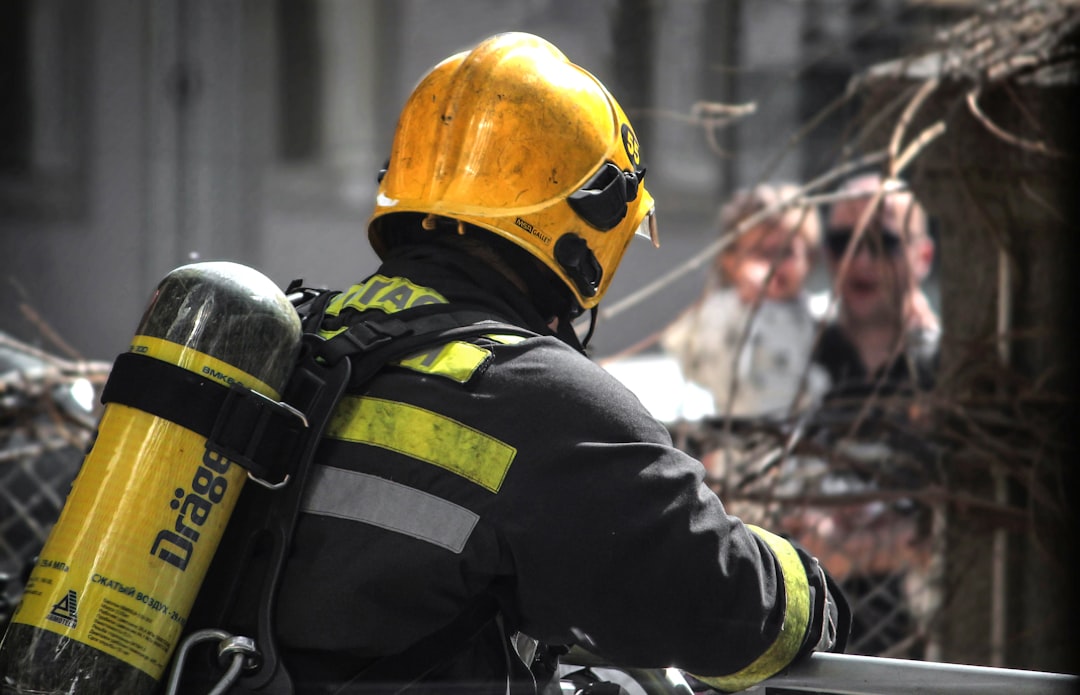
The subsequent phase involves cyclical activities. Month two should feature the first full-scale evacuation drill. Month four requires a refresher training session. Month six mandates another major drill, potentially with local civil defense participation. Moreover, integrate training for new hires within their first week. This continuous cycle embeds safety into camp operations. Consequently, your program remains dynamic, compliant, and effective against evolving risks.
- Week 1-2: Team appointment, hazard assessment, and plan finalization.
- Week 3-4: Initial mass training sessions for all current workers.
- Month 2: First comprehensive camp-wide evacuation drill.
- Month 4: Refresher training focusing on identified weaknesses.
- Month 6: Advanced drill with simulated obstacles or communication failure.
- Ongoing: Daily safety reminders and weekly toolbox talks.
Common Challenges and Solutions
Employers face several challenges implementing fire safety programs. High worker turnover is a primary issue. New arrivals may miss scheduled training. The solution is a robust onboarding induction. Integrate fire safety into day-one orientation. Furthermore, use video-based modules that can be delivered anytime. Another challenge is worker complacency. Regular drills can feel routine. Therefore, vary drill scenarios to simulate real emergencies like blocked exits or night-time alerts.
Language diversity presents another significant hurdle. A single camp may host workers speaking ten different languages. The solution is to employ multilingual trainers or use translation technology. Additionally, rely heavily on universal symbols and practical demonstrations. Budget constraints can also limit training quality. However, non-compliance costs far more. Partnering with a specialist like Allianze provides access to professional recruitment resources for qualified safety officers, optimizing your investment.
- Challenge: High staff turnover. Solution: Mandatory fire safety induction before camp entry.
- Challenge: Language barriers. Solution: Pictorial guides and multilingual safety ambassadors.
- Challenge: Worker disengagement. Solution: Interactive drills with realistic scenarios.
- Challenge: Remote camp locations. Solution: Mobile training teams and digital modules.
- Challenge: Keeping records updated. Solution: Designated digital record-keeper with cloud backup.
- Challenge: Evolving regulations. Solution: Subscription to legal updates and consultant audits.
Expert Recommendations for Success
For exceptional fire safety outcomes, go beyond minimum standards. First, invest in certified trainers. Their expertise elevates program quality. Secondly, engage workers in the process. Form a safety committee with worker representatives. This provides ground-level feedback. Moreover, it builds ownership of the safety culture. Additionally, leverage technology. Use apps for quick safety quizzes or to report hazards. This modern approach resonates with a diverse workforce.
Furthermore, coordinate with local civil defense authorities. Invite them to observe your drills. Their feedback is invaluable. Also, consider the broader World Health Organization workplace standards for overall camp health, which complements fire safety. Finally, view safety as a continuous investment. Regularly review incident reports globally to learn new lessons. This proactive mindset, supported by partners like Allianze, ensures your camps are not just compliant, but exemplary.
- Obtain third-party certification for your camp’s fire safety program.
- Implement a digital management system for training records and equipment checks.
- Establish a worker-led safety observation and suggestion program.
- Benchmark your program against international best practices and World Bank infrastructure development safety guidelines.
- Conduct joint drills with neighboring camps or projects to test large-scale response.
- Schedule regular executive walkthroughs to demonstrate management commitment.
Frequently Asked Questions About Fire Safety Training Construction Camp
What is the timeline for fire safety training construction camp implementation?
Full implementation typically takes 4-6 weeks for an existing camp. Initial training for all workers must occur immediately. Furthermore, the first major drill should be within two months. Therefore, consult our specialists for a customized project plan.
What documentation is required for camp fire safety compliance?
Required documents include training registers, drill reports, equipment inspection logs, and evacuation plans. Additionally, certificates for trainers and workers are often needed. Moreover, civil defense may request your camp’s fire risk assessment report during inspections.
How often must evacuation drills be conducted?
Most GCC regulations mandate full evacuation drills at least every six months. Furthermore, smaller, unannounced drills are recommended quarterly. Additionally, specific high-risk activities may require dedicated drills before work commences.
How does Allianze HR support camp safety compliance?
We recruit qualified safety officers and fire wardens with GCC experience. Additionally, we provide guidance on compliance frameworks and training structures. Moreover, our schedule consultation appointment service helps you design your entire safety manpower strategy.
Who is responsible for conducting the training?
A certified fire safety trainer, often the camp’s appointed Safety Officer, must conduct training. This person requires approval from local civil defense in many GCC states. Furthermore, they must have proven competency in instruction and emergency response.
What are the penalties for non-compliance?
Penalties include substantial fines, temporary camp shutdown, project work stoppage, and blacklisting. In severe cases, criminal charges can be brought against company managers. Therefore, proactive compliance is the only cost-effective strategy.
Partner with Allianze HR for Camp Safety Success
Implementing effective fire safety training construction camp programs is a complex, continuous responsibility. It requires strategic planning, cultural sensitivity, and unwavering commitment. Furthermore, the legal and human stakes are extraordinarily high. This guide has outlined the critical components—from risk assessment and mandatory training to documentation and drill execution. Each element works together to create a secure environment for your workforce.
Ultimately, success depends on expert knowledge and reliable execution. Allianze HR Consultancy provides the human capital and compliance insight you need. We help you recruit certified safety professionals who can lead these life-saving initiatives. Moreover, our deep understanding of GCC labor landscapes ensures your programs meet all regional mandates. Protect your people, your project, and your reputation. Let us help you build a culture of safety from the ground up. Contact our HR specialists today to develop your comprehensive fire safety training construction camp strategy.