


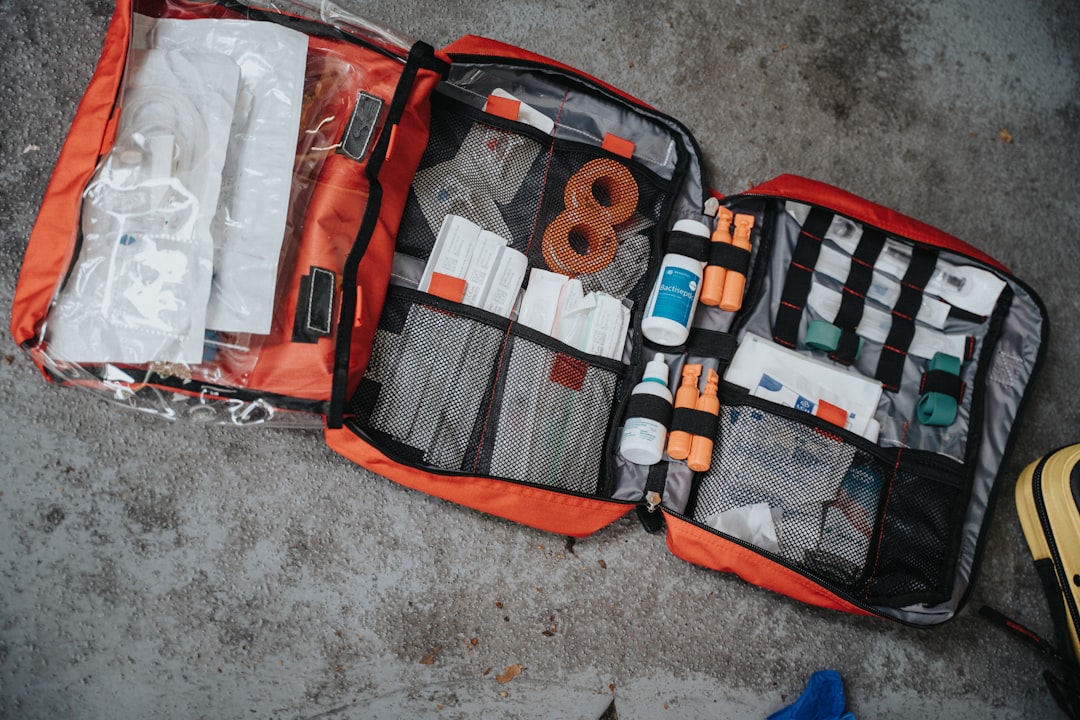
Are you ensuring your construction site workforce has adequate medical protection? Furthermore, the demanding environment of GCC construction projects presents unique health risks. Consequently, properly stocked first aid kits for construction camps are not just a recommendation. They are a critical legal and moral obligation. This guide details the essential medical supplies and quantity requirements per worker population.
Construction sites in the Gulf region face extreme temperatures and complex hazards. Therefore, workplace safety standards mandate specific medical preparedness. Additionally, remote camp locations amplify the need for self-sufficient medical response. Moreover, compliance with both international and local GCC regulations is mandatory for project success. Understanding these requirements protects your workers and your business.
At Allianze HR Consultancy, we’ve successfully placed 10,000+ professionals across UAE, Saudi Arabia, Qatar, and Kuwait. Furthermore, our 5+ years of GCC expertise supports clients from 50+ countries. Moreover, our Ministry of External Affairs (India) RA license ensures compliance. Therefore, contact our recruitment specialists for expert guidance on workforce welfare and camp setup standards.
Understanding GCC Construction Camp Safety Standards
GCC nations enforce strict occupational health and safety regulations. These rules often reference international frameworks. For instance, the International Labour Organization construction safety guidelines form a foundational standard. Additionally, local ministries of labor and health issue specific decrees. Consequently, employers must navigate a multi-layered compliance landscape.
Construction camps present distinct challenges. Remote locations delay external emergency response. Furthermore, heat stress, dehydration, and physical injuries are prevalent. Therefore, medical kits must address these specific risks. Moreover, kits must be accessible, clearly marked, and regularly maintained. Proper training for designated first-aiders is equally crucial.
Key regulatory bodies include:
- Local Ministries of Health and Labor (e.g., UAE MOHAP, Saudi MOL).
- Civil Defense authorities for camp layout and safety approvals.
- Project owners and main contractors with their own safety protocols.
- International standards like OSHA construction industry standards.
Non-compliance risks severe penalties. These include project stoppages, substantial fines, and reputational damage. Therefore, a proactive approach to medical supplies is essential. Subsequently, this protects worker wellbeing and ensures uninterrupted project progress.
First Aid Kits Construction Camps Strategic Overview
A strategic approach to first aid kits for construction camps goes beyond a simple checklist. It involves risk assessment, scalable planning, and integration with overall health services. First, conduct a thorough site-specific risk analysis. Identify potential injury types and their severity. This analysis directly informs your medical supplies list.
Second, consider the camp’s worker population and structure. A large camp needs a centralized medical clinic with advanced supplies. Additionally, multiple satellite first aid stations are necessary across the worksite. These satellite kits provide immediate response for minor incidents. Moreover, vehicles and remote work teams require portable kits.
The strategic plan must include:
- Tiered response levels (basic first aid, advanced first aid, clinic care).
- Clear supply chain for restocking and replacing expired items.
- Designated, trained personnel responsible for each kit.
- Regular audit schedules to ensure compliance and readiness.
This systematic approach ensures comprehensive coverage. Furthermore, it aligns with World Health Organization workplace standards for health readiness. Ultimately, it demonstrates a commitment to duty of care, boosting worker morale and productivity.
Legal Framework and Compliance Standards
GCC labor laws explicitly mandate employer responsibility for worker health. For example, UAE’s Federal Law No. 8 of 1980 and Saudi’s Labor Law require providing first aid. Additionally, local civil defense regulations specify kit quantities and locations. Therefore, understanding these legal layers is non-negotiable for camp operators.
Documentation is a critical component of compliance. Maintain detailed records of all medical supplies. This includes purchase invoices, expiration dates, and consumption logs. Moreover, records of first-aider training certifications must be available for inspection. Regular inspection reports from safety officers further demonstrate due diligence.
Key compliance documents include:
- Approved camp layout plans showing first aid post locations.
- Inventory lists signed off by the site safety officer.
- Training registers for all designated first-aid personnel.
- Incident and treatment logs from kit usage.
Partnering with a knowledgeable HR consultancy like Allianze helps navigate this complexity. Our experts understand the nuances of UAE construction sector employment regulations. Consequently, we ensure your camp setup meets all statutory health and welfare obligations from day one.
First Aid Kits Construction Camps Best Practices
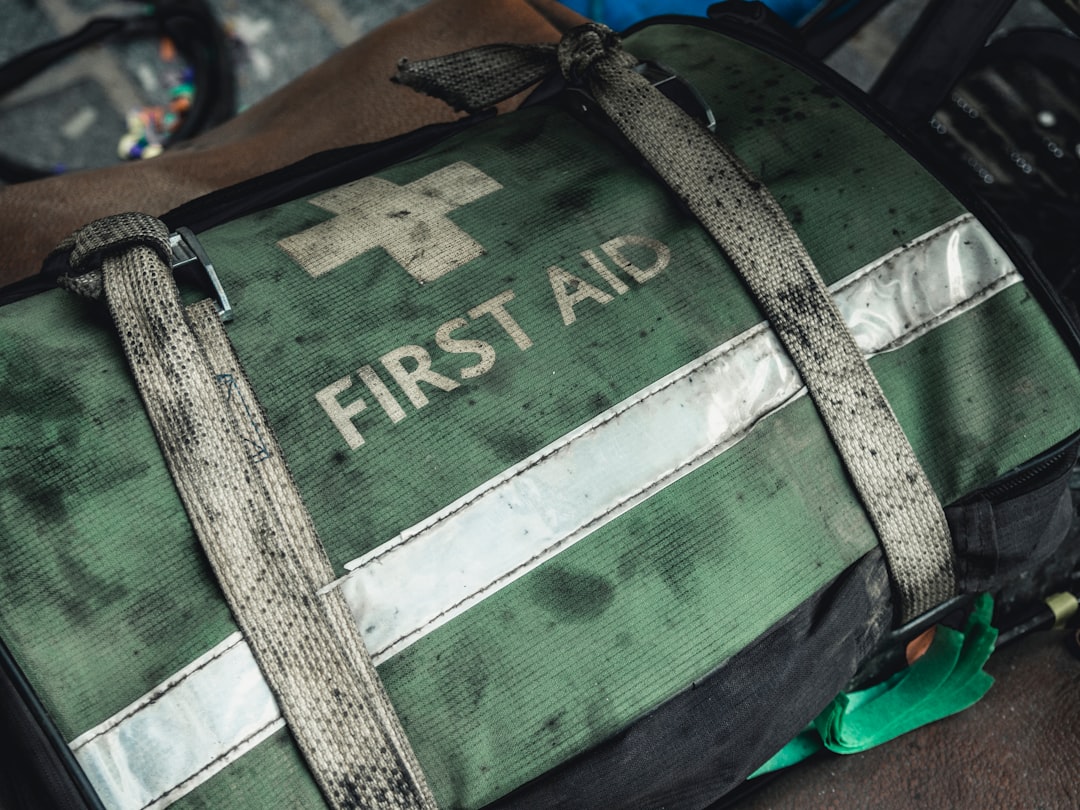
Implementing best practices for first aid kits in construction camps ensures effectiveness and compliance. First, use durable, weatherproof containers clearly marked with a green cross. Store them in accessible, well-lit locations known to all workers. Furthermore, protect contents from dust, moisture, and extreme heat to prevent degradation.
Second, tailor kit contents to the specific project phase. Earthworks pose different risks than structural steel erection or finishing works. Therefore, review and adjust supplies as project activities change. Additionally, consider environmental factors like summer heat, which necessitates extra rehydration salts and cooling packs.
Essential best practices include:
- Appointing a dedicated “Kit Controller” for inventory management.
- Conducting monthly checks for expired or used items.
- Integrating kit locations into site induction for all new workers.
- Placing multi-lingual instruction guides in kits for diverse workforces.
Training is the most critical best practice. Designated staff must complete certified first aid courses. Moreover, regular refresher courses maintain skills. This investment in training transforms supplies into life-saving tools. It also fulfills the employer’s duty of care under GCC law.
Documentation and Processing Steps
Establishing robust documentation processes is vital for medical supply management. Begin with a master inventory list for the entire camp. This list should categorize items by type, location, and expiry date. Furthermore, use a digital tracking system if possible for efficiency and accuracy.
The procurement process must ensure quality and compliance. Source supplies from licensed medical distributors. Additionally, verify that items meet relevant quality standards (e.g., CE marking, ISO certifications). Keep all purchase documentation for audit purposes. Moreover, establish a reliable supply chain to avoid stockouts.
Key processing steps are:
- Initial Risk Assessment to determine kit types and quantities.
- Procurement from approved vendors with quality guarantees.
- Distribution and installation at designated points across the camp.
- Regular auditing and replenishment based on usage logs.
- Inc reporting and kit restocking after any use.
Proper documentation supports not only compliance but also World Bank infrastructure development project standards. Many international funding bodies require proof of worker welfare provisions. Therefore, meticulous records facilitate smoother project execution and reporting.
First Aid Kits Construction Camps Implementation Timeline
A phased implementation timeline ensures a smooth rollout of your medical preparedness plan. Phase One occurs during camp design and setup. Integrate first aid room and station locations into the camp layout. Furthermore, order bulk supplies based on the projected peak workforce. This proactive planning prevents last-minute shortages.
Phase Two coincides with worker mobilization. As crews arrive, distribute personal mini-kits if required. Additionally, conduct mandatory first aid awareness sessions during general safety inductions. Meanwhile, finalize the appointment and training of designated first-aiders. This ensures systems are operational before major work begins.
A typical 8-week timeline includes:
- Weeks 1-2: Finalize risk assessment and procurement lists.
- Weeks 3-4: Receive bulk supplies and set up main clinic/store.
- Weeks 5-6: Install satellite kits and train first-aid personnel.
- Weeks 7-8: Conduct full-system audit and launch ongoing maintenance schedule.
Adhering to this structured timeline for first aid kits in construction camps guarantees readiness. Moreover, it demonstrates to clients and regulators that worker safety is a priority from the outset. For tailored support, explore our professional recruitment resources on camp management and welfare.
Common Challenges and Solutions
Employers often face several challenges in maintaining effective first aid systems. A common issue is supply depletion without timely replenishment. Workers use items for minor issues and forget to report it. Consequently, kits become empty when serious incidents occur. The solution is a strict “use-and-report” policy with simple log sheets attached to each kit.
Another challenge is managing supplies in extreme heat. Many items, like adhesives and certain medications, can degrade. Therefore, store kits in climate-controlled locations where possible. Alternatively, use insulated containers and conduct more frequent expiry checks. Additionally, train workers to recognize compromised supplies.
Additional challenges and solutions:
- Language Barriers: Use pictogram-based instructions and multi-lingual labels.
- High Workforce Turnover: Integrate kit location training into every new hire induction.
- Remote Location Logistics: Maintain a 3-month buffer stock and establish reliable supplier agreements.
- Cost Management: Bulk purchase core items but avoid overstocking perishables.
Addressing these challenges head-on ensures your medical response capability remains robust. Furthermore, it fosters a culture of safety where workers trust that their wellbeing is valued. This culture directly reduces incident rates and improves overall project performance.
Expert Recommendations for Success
Go beyond minimum compliance to achieve excellence in worker medical care. First, consider establishing a formal relationship with a nearby clinic or hospital. This ensures a clear referral pathway for serious cases. Additionally, explore telemedicine options for remote camps, allowing virtual doctor consultations.
Second, invest in Automated External Defibrillators (AEDs) for large camps. Cardiac events can occur, especially in extreme heat. While not always mandated, AEDs significantly improve survival rates from sudden cardiac arrest. Therefore, they represent a best-in-class welfare investment.
Our top recommendations include:
- Conduct unannounced “mock incident” drills to test response systems.
- Appoint a senior manager as the “Welfare Champion” to oversee all health aspects.
- Use technology like QR codes on kits linking to restocking requests and video guides.
- Regularly solicit worker feedback on the first aid system’s accessibility and usability.
Implementing these expert recommendations builds a resilient safety ecosystem. It protects your most valuable asset—your workforce. For a detailed consultation on implementing these standards, schedule consultation appointment with our GCC welfare specialists today.
Frequently Asked Questions About First Aid Kits Construction Camps
What are the quantity requirements for first aid kits construction camps?
Requirements vary by jurisdiction and workforce size. Generally, provide one basic kit per 25 workers on-site. Additionally, a fully equipped first aid room or clinic is mandatory for camps exceeding 100 workers. Furthermore, vehicles and remote teams need portable kits. Therefore, consult local regulations for exact specifications.
What is the essential contents checklist for a construction site medical kit?
Essential items include assorted bandages, sterile gauze, adhesive tape, antiseptic wipes, burn gel, trauma shears, disposable gloves, CPR face shield, and elastic bandages. Additionally, include items for heat illness like rehydration salts. Moreover, a first aid manual and incident report forms are crucial.
How often should first aid supplies be checked and replenished?
Conduct formal monthly inspections for damage and expiry. Furthermore, check kits after every use and restock immediately. Additionally, perform a comprehensive quarterly audit of all kits and central stores. Consequently, this ensures constant readiness for emergencies.
Who is responsible for maintaining first aid kits on a construction site?
The employer holds ultimate legal responsibility. On-site, this duty is delegated to the project safety officer or a designated first aid coordinator. Moreover, each department supervisor should check the kit in their work area daily. Therefore, clear role assignment is key to effective maintenance.
Are there specific requirements for first aid kits in GCC worker accommodation?
Yes. GCC labor welfare standards require first aid provisions in living quarters. Typically, each accommodation block needs accessible kits. Furthermore, night shift workers must have access to medical supplies and trained personnel. Additionally, camp clinics often serve both the worksite and accommodation areas.
How does Allianze HR support clients with camp medical compliance?
We integrate welfare planning into our recruitment and mobilization services. Our team advises on regulatory requirements for medical supplies and camp clinics. Moreover, we connect clients with certified safety equipment vendors and training providers. Therefore, we ensure your deployed workforce operates in a safe, compliant environment.
Partner with Allianze HR for Construction Camp Safety Success
Providing comprehensive first aid kits for construction camps is a fundamental pillar of responsible project management. This guide has outlined the strategic, legal, and practical steps to achieve compliance and excellence. From risk assessment to implementation timelines, each element contributes to a safer work environment. Moreover, adhering to these standards fulfills your legal duties and builds a resilient, productive workforce.
The complexities of GCC regulations demand expert navigation. Partnering with a specialist ensures your medical preparedness meets all local and international standards. Furthermore, it allows you to focus on core project deliverables with confidence. A robust health and safety system also enhances your reputation as an employer of choice in a competitive market.
Allianze HR Consultancy provides end-to-end support for workforce welfare in the Gulf. Our expertise extends from recruitment to ensuring compliant camp setups. Therefore, let us help you implement best practices for medical supplies and worker care. Protect your team and your project by prioritizing their health from day one. For immediate assistance with your construction camp safety planning, contact our HR specialists today.