


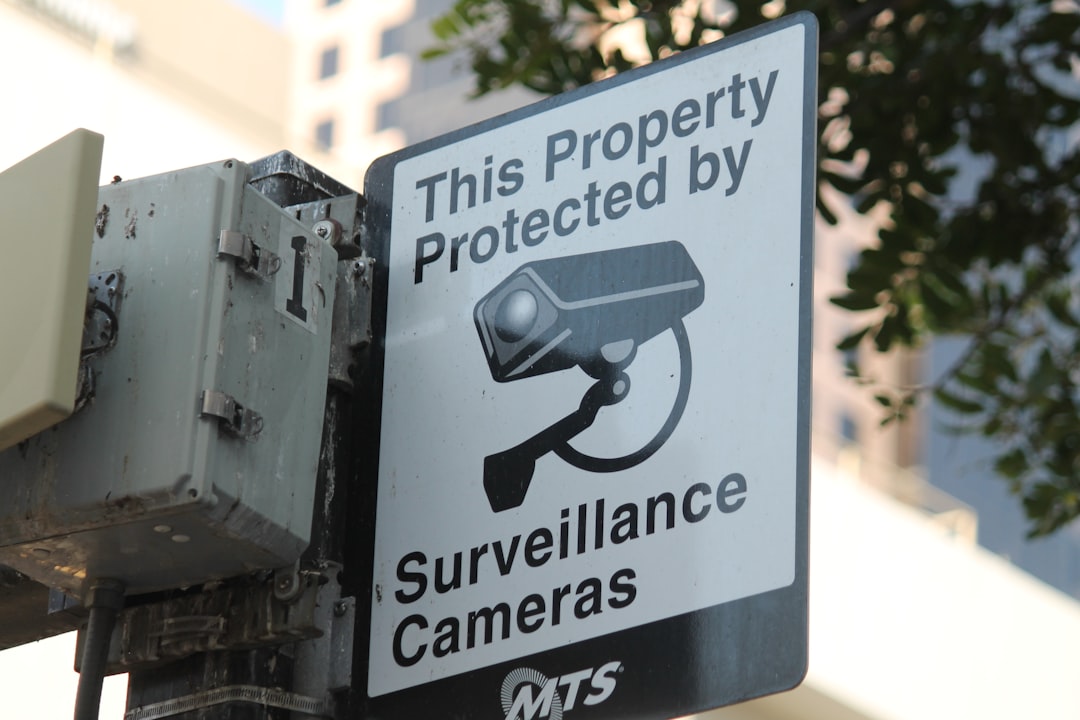
Are you navigating the complex legal landscape of video surveillance in GCC facilities? Furthermore, balancing security needs with employee privacy rights presents a significant challenge. Consequently, understanding FM surveillance regulations compliance is essential for all facility managers. Moreover, non-compliance risks severe financial penalties and reputational damage. Therefore, this guide provides a comprehensive framework for legal CCTV deployment.
Facility management across the Gulf requires strict adherence to evolving laws. Specifically, each GCC nation has unique data protection and monitoring statutes. Additionally, cultural sensitivities around privacy demand careful consideration. For instance, camera placement in prayer rooms or changing areas is typically prohibited. Thus, a standardized approach fails across different regional jurisdictions.
At Allianze HR Consultancy, we’ve successfully placed 10,000+ professionals across UAE, Saudi Arabia, Qatar, and Kuwait. Furthermore, our 5+ years of GCC expertise supports clients from 50+ countries. Moreover, our Ministry of External Affairs (India) RA license ensures compliance. Therefore, contact our recruitment specialists for expert guidance on staffing your security and facilities teams with compliant personnel.
Understanding GCC Video Monitoring Legal Landscape
GCC countries have rapidly developed data protection frameworks. Consequently, facility managers must stay updated on legislative changes. For example, Saudi Arabia’s Personal Data Protection Law (PDPL) imposes strict consent rules. Similarly, UAE’s cybercrime law regulates electronic surveillance activities. Additionally, Qatar Law No. 13 of 2016 addresses privacy protections comprehensively.
These laws share common principles despite regional variations. Specifically, they mandate transparency, proportionality, and data minimization. Moreover, surveillance must serve a legitimate security purpose. Therefore, random or excessive monitoring violates core legal tenets. Furthermore, unauthorized data sharing carries particularly severe penalties.
- Transparency requirements for notifying monitored individuals.
- Proportionality tests balancing security needs with privacy intrusion.
- Data retention limits specifying maximum storage periods.
- Access restrictions defining who can view footage.
- Security mandates for protecting stored surveillance data.
International standards influence regional regulations significantly. For instance, the International Labour Organization workplace safety guidelines inform monitoring practices. Additionally, global best practices from organizations like IFMA provide implementation frameworks. Consequently, GCC facilities often adopt hybrid compliance models.
FM Surveillance Regulations Compliance Strategic Overview
A strategic approach to FM surveillance regulations compliance begins with comprehensive assessment. First, conduct a privacy impact assessment for all proposed camera locations. Second, document the legitimate business interests served by each camera. Third, establish clear data handling and retention protocols. Moreover, this process requires cross-departmental collaboration between security, legal, and HR teams.
Technology selection plays a crucial role in compliance strategy. Specifically, modern systems offer privacy-enhancing features. For example, automated blurring of non-relevant areas protects bystander privacy. Additionally, secure encryption for data transmission prevents unauthorized access. Furthermore, access logging creates audit trails for compliance verification.
- Privacy by Design integration during system procurement.
- Regular legal compliance audits by qualified professionals.
- Employee training programs on surveillance policies and rights.
- Incident response plans for data breaches or system failures.
- Vendor management protocols for third-party monitoring services.
Strategic alignment with business objectives ensures sustainable compliance. Therefore, surveillance should support specific operational goals. For instance, cameras might protect high-value assets or ensure safety in hazardous areas. Moreover, periodic review ensures continued alignment with changing regulations and business needs.
Legal Framework and Compliance Standards
The GCC legal framework for electronic monitoring continues to evolve rapidly. Specifically, Saudi Arabia’s PDPL requires explicit consent for personal data processing. Conversely, UAE regulations focus more on cybercrime prevention aspects. Additionally, Bahrain’s Personal Data Protection Law mirrors many European GDPR principles. Furthermore, Oman and Kuwait are developing comprehensive data protection legislation.
Compliance standards extend beyond national laws to include sector-specific regulations. For example, healthcare facilities face additional Health Insurance Portability and Accountability Act (HIPAA) considerations. Similarly, educational institutions must protect minor privacy with extra safeguards. Moreover, retail environments balance loss prevention with customer privacy expectations.
- National data protection laws and implementing regulations.
- Sector-specific guidelines from relevant ministries.
- International standards for information security management.
- Building codes and facility certification requirements.
- Labor laws governing workplace monitoring and employee rights.
Reference to authoritative sources strengthens compliance programs. The UAE green building regulations sometimes include surveillance provisions. Additionally, WHO indoor environment guidelines can inform placement decisions. Moreover, World Bank urban development reports provide context for smart city integrations.
FM Surveillance Regulations Compliance Best Practices
Implementing FM surveillance regulations compliance best practices requires systematic procedures. First, develop and publish a comprehensive surveillance policy document. Second, ensure all monitoring zones display clear signage. Third, establish restricted access protocols for recorded footage. Moreover, regular policy reviews maintain alignment with legal developments.
Employee communication represents a critical best practice component. Specifically, transparent communication builds trust and reduces resistance. Additionally, training ensures staff understand their rights and responsibilities. Furthermore, designated contact points address privacy concerns promptly. Consequently, proactive engagement prevents potential disputes.
- Clear signage with camera symbols and contact information.
- Regular privacy impact assessments for existing systems.
- Data protection officer appointment or equivalent role.
- Secure storage solutions with encryption and access controls.
- Automated deletion systems enforcing retention limits.
Technology management supports these operational best practices. For example, system maintenance ensures reliable operation and data integrity. Additionally, cybersecurity measures protect against unauthorized access. Moreover, regular software updates address emerging vulnerabilities. Therefore, technical and procedural measures work synergistically for compliance.
Documentation and Processing Steps
Comprehensive documentation forms the foundation of defensible compliance. First, maintain detailed records of all surveillance system components. Second, document the legitimate purposes for each camera installation. Third, retain evidence of employee notification and policy acknowledgment. Moreover, this documentation proves invaluable during regulatory inspections.
Data processing procedures require meticulous documentation. Specifically, access logs should record every instance of footage viewing. Additionally, data transfer records must document any sharing with third parties. Furthermore, incident reports should detail any breaches or policy violations. Consequently, complete audit trails demonstrate responsible data stewardship.
- System inventory with technical specifications and locations.
- Privacy impact assessment reports and mitigation plans.
- Employee consent forms and training completion records.
- Data processing agreements with third-party vendors.
- Incident response reports and corrective action documentation.
Regular documentation reviews ensure continued accuracy and relevance. Therefore, schedule quarterly audits of all compliance records. Additionally, update documents following any system changes or legal updates. Moreover, secure storage protects sensitive information within documentation. For further guidance, explore our professional recruitment resources for related compliance materials.
FM Surveillance Regulations Compliance Implementation Timeline
Developing a realistic FM surveillance regulations compliance implementation timeline requires careful planning. Typically, the complete process spans 8-12 weeks for medium facilities. First, the assessment and planning phase consumes 2-3 weeks. Second, policy development and legal review requires 3-4 weeks. Third, system implementation and staff training takes 3-5 weeks. Moreover, larger facilities or complex systems may extend this timeline.
Critical path items often determine overall project duration. Specifically, legal review cycles depend on external counsel availability. Additionally, employee consultation processes require adequate time for feedback. Furthermore, technology procurement and installation schedules vary by vendor. Therefore, building contingency time into the timeline proves essential.
- Week 1-2: Initial assessment and stakeholder identification.
- Week 3-5: Policy drafting and legal review cycles.
- Week 6-8: System upgrades and signage installation.
- Week 9-10: Employee training and communication rollout.
- Week 11-12: Final testing, documentation, and launch.
Post-implementation activities ensure ongoing compliance. Specifically, schedule quarterly compliance checks during the first year. Additionally, conduct annual comprehensive reviews of the entire program. Moreover, stay informed about legal changes through reliable sources. To discuss your specific timeline, schedule a consultation appointment with our experts.
Common Challenges and Solutions
Facility managers encounter several predictable compliance challenges. First, balancing security needs with privacy expectations creates tension. Second, interpreting vague legal language leads to implementation uncertainty. Third, managing employee perceptions and concerns requires careful communication. Moreover, technological limitations sometimes hinder ideal compliance solutions.
Practical solutions address these common challenges effectively. For transparency issues, implement clear signage and regular communications. For legal ambiguity, seek formal guidance from regulatory authorities. For employee resistance, create participatory policy development processes. Furthermore, technological constraints often resolve through system upgrades or configuration changes.
- Challenge: Employee privacy concerns in common areas.
- Solution: Designated privacy zones with camera-free spaces.
- Challenge: Data storage costs for high-resolution footage.
- Solution: Tiered storage with automated deletion policies.
- Challenge: Integrating legacy systems with modern requirements.
- Solution: Phased upgrades with compatibility bridges.
Proactive challenge management prevents compliance failures. Therefore, establish regular forums for stakeholder feedback. Additionally, monitor industry developments for emerging best practices. Moreover, document all challenges and solutions for continuous improvement. Reference materials from the ILO standards provide additional context for workplace monitoring.
Expert Recommendations for Success
Expert recommendations begin with executive sponsorship and adequate resourcing. Specifically, compliance programs require dedicated budget and personnel allocations. Additionally, cross-functional steering committees ensure comprehensive perspectives. Moreover, regular reporting to leadership maintains organizational focus. Consequently, these elements create sustainable compliance cultures.
Technology partnerships enhance compliance program effectiveness. Therefore, select vendors with strong privacy and security credentials. Additionally, require contractual commitments to regulatory compliance. Furthermore, establish clear service level agreements for system performance. Moreover, regular vendor assessments ensure continued partnership alignment.
- Appoint a dedicated data protection officer or equivalent.
- Integrate compliance metrics into facility management scorecards.
- Conduct simulated regulatory inspections to identify gaps.
- Participate in industry forums for shared learning.
- Develop succession plans for key compliance roles.
Continuous improvement represents the final expert recommendation. Specifically, establish mechanisms for capturing lessons learned. Additionally, benchmark against industry leaders and standards. Furthermore, invest in ongoing training for all relevant personnel. Moreover, celebrate compliance successes to reinforce positive behaviors.
Frequently Asked Questions About FM Surveillance Regulations Compliance
What is the timeline for FM surveillance regulations compliance?
Implementation typically requires 8-12 weeks for medium facilities. Furthermore, assessment and planning phases consume initial weeks. Additionally, policy development requires legal review cycles. Therefore, consult our specialists for accurate project estimates.
What documentation is required for video monitoring compliance?
Required documents include privacy impact assessments, surveillance policies, employee acknowledgments, and data processing agreements. Additionally, system inventories and access logs prove essential. Moreover, incident reports document any compliance deviations.
What are typical costs for surveillance compliance programs?
Costs vary by facility size, system complexity, and jurisdiction requirements. Furthermore, technology upgrades, legal consultation, and training affect total investment. Therefore, request detailed assessments from compliance experts for accurate budgeting.
How does Allianze HR ensure legal compliance for facility staffing?
We maintain Ministry-approved RA license status under The Emigration Act, 1983. Additionally, our team monitors GCC labor law changes continuously. Moreover, we conduct thorough documentation verification at every recruitment stage for security personnel.
Which GCC countries have the strictest surveillance regulations?
Saudi Arabia’s PDPL and Qatar’s privacy law currently represent the strictest frameworks. Furthermore, UAE regulations vary by emirate with Abu Dhabi having comprehensive requirements. Additionally, Bahrain’s law incorporates strong GDPR influences.
What are the penalties for non-compliance with monitoring laws?
Penalties include substantial fines, business license suspensions, and even imprisonment for severe violations. Additionally, reputational damage and civil lawsuits present significant risks. Moreover, data breach notification requirements compound penalty impacts.
Partner with Allianze HR for Surveillance Compliance Success
Navigating FM surveillance regulations compliance requires specialized expertise and diligent execution. Furthermore, the legal landscape continues evolving across all GCC jurisdictions. Additionally, technological advancements create both opportunities and challenges. Therefore, proactive compliance management protects your organization from significant risks.
Allianze HR Consultancy supports your compliance journey with expert staffing solutions. Specifically, we recruit qualified security and facilities management professionals. Additionally, our compliance awareness ensures candidates understand regulatory responsibilities. Moreover, our regional expertise spans all major GCC markets. Consequently, we help build teams capable of maintaining continuous compliance.
Implementing robust surveillance compliance strengthens overall facility management. Specifically, it demonstrates commitment to ethical business practices. Additionally, it builds trust with employees, customers, and regulators. Furthermore, it creates frameworks adaptable to future regulatory changes. Therefore, view compliance not as a cost but as a strategic investment.
Begin your compliance enhancement journey today with expert partnership. Contact our team for staffing solutions supporting your surveillance programs. Moreover, access our resources for ongoing compliance education. Finally, leverage our regional experience for cross-jurisdictional implementation. Let’s build compliant, secure, and respectful workplace environments together across the GCC.