


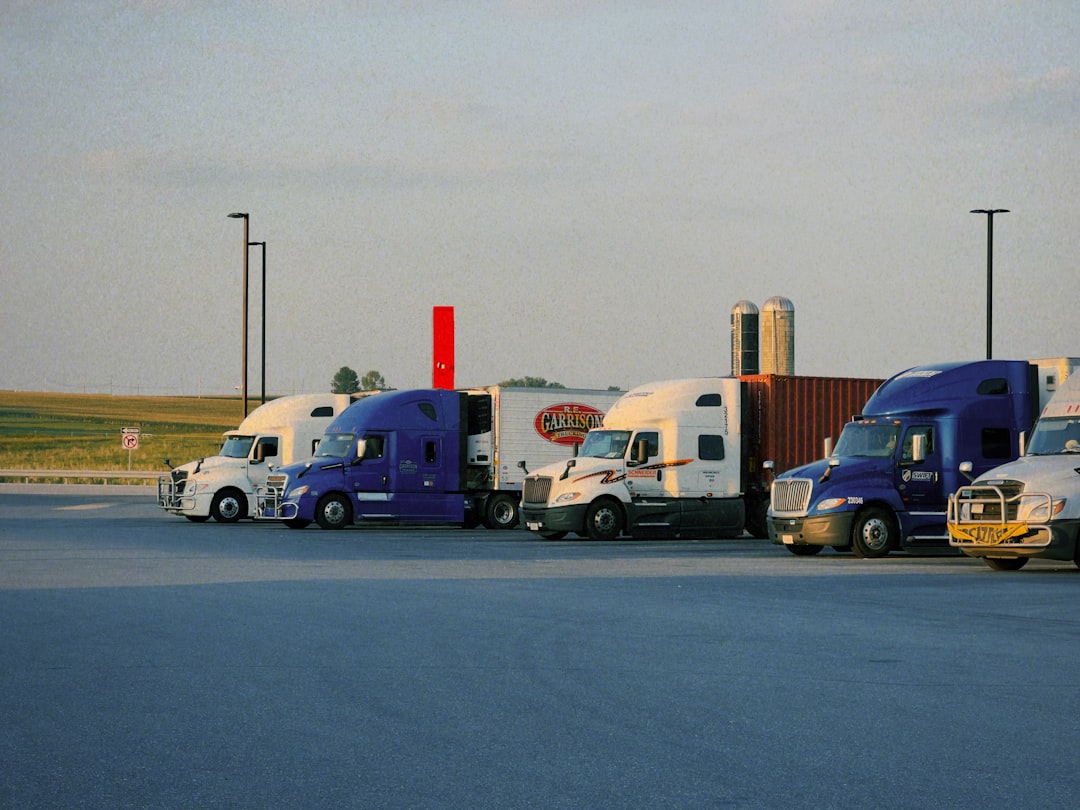
How do you rapidly scale a mobile food and beverage operation across multiple vehicles and locations? Furthermore, the GCC’s booming street food scene presents immense opportunity. However, recruiting and managing a large, compliant team for a food truck fleet presents unique challenges. Consequently, mastering food truck fleet staffing is essential for operational success and market dominance.
The mobile F&B sector demands agility and precision. Moreover, regional labor laws add complexity to mass hiring. Additionally, cultural fit and culinary skills are paramount. Therefore, strategic workforce planning separates thriving fleets from struggling ones. This guide provides a comprehensive roadmap for GCC employers.
At Allianze HR Consultancy, we’ve successfully placed 10,000+ professionals across UAE, Saudi Arabia, Qatar, and Kuwait. Furthermore, our 5+ years of GCC expertise supports clients from 50+ countries. Moreover, our Ministry of External Affairs (India) RA license ensures compliance. Therefore, contact our recruitment specialists for expert guidance on scaling your mobile culinary venture.
Understanding GCC Mobile F&B Workforce Dynamics
The street food and food truck industry is expanding rapidly across the Gulf. Consequently, demand for skilled mobile kitchen staff is at an all-time high. Moreover, successful operations require diverse roles. These include chefs, cooks, cashiers, and logistics assistants.
Furthermore, GCC markets have specific expectations. For instance, Dubai’s food truck parks differ from Riyadh’s seasonal festivals. Additionally, climate considerations affect staffing needs. Therefore, understanding local consumer behavior is crucial. This knowledge directly impacts your talent acquisition strategy.
Key positions for a multi-vehicle operation typically include:
- Head Chef/Menu Specialist per culinary concept
- Line Cooks and Food Prep Assistants
- Customer Service and Point-of-Sale Operators
- Fleet Logistics and Stock Replenishment Staff
- Compliance and Hygiene Officers
Each role requires specific screening. Moreover, cross-training enhances operational flexibility. Therefore, a structured recruitment process is non-negotiable. Partnering with experts familiar with International Labour Organization hospitality standards ensures best practices.
Food Truck Fleet Staffing Strategic Overview
A strategic approach to food truck fleet staffing transforms recruitment from a cost to an investment. First, define your operational scale and geographic coverage. Next, map the required skill sets for each vehicle and shift. This planning prevents understaffing during peak events.
Furthermore, consider the seasonality of the GCC market. For example, outdoor events peak during winter months. Consequently, a flexible workforce model is advantageous. Moreover, integrating technology for scheduling improves efficiency. This reduces administrative burden on managers.
Effective mass recruitment for mobile F&B hinges on several pillars:
- Centralized talent pooling for rapid deployment
- Standardized culinary and service skill assessments
- Clear role definitions for each truck team
- Scalable onboarding for simultaneous hires
- Continuous training on menu and safety protocols
Additionally, understanding UN World Tourism Organization trends helps anticipate demand. Therefore, aligning your staffing with tourism calendars maximizes revenue. This proactive strategy ensures your fleet is always event-ready.
Legal Framework and Compliance Standards
Navigating GCC labor laws is critical for mobile food businesses. Each country has distinct regulations for food handlers and hospitality workers. Moreover, mass hiring triggers specific compliance checkpoints. Therefore, thorough documentation is your first line of defense.
Firstly, all food service staff require valid health certificates. These are mandated by municipal authorities. Secondly, work permits and visas must be secured before deployment. Furthermore, adhering to World Health Organization food safety guidelines is essential. This protects both consumers and your brand reputation.
Key compliance documents for fleet staff include:
- Attested educational and experience certificates
- Medical fitness and food handler clearance cards
- Labor contract aligned with Ministry templates
- Proof of accommodation meeting local standards
- Insurance policy as per national requirements
Additionally, UAE visa and immigration services portals provide updates. Similarly, Saudi’s Ministry of Labor regulations must be monitored. Consequently, partnering with a licensed recruiter mitigates legal risk. This allows you to focus on culinary innovation and customer service.
Food Truck Fleet Staffing Best Practices
Implementing industry best practices elevates your food truck fleet staffing outcomes. Begin with a competency-based hiring framework. This assesses both technical cooking skills and customer interaction abilities. Moreover, role-playing common scenarios reveals candidate aptitude.
Furthermore, create a strong employer brand for the mobile F&B sector. Highlight career progression from single-truck roles to fleet management. Additionally, offer cross-training in different cuisine stations. This builds a versatile and engaged team. Consequently, staff retention improves significantly.
Proven best practices for high-volume mobile F&B recruitment include:
- Conducting practical cooking auditions for all kitchen staff
- Implementing a buddy system for new hire integration
- Using digital tools for shift management and communication
- Establishing a clear performance and incentive structure
- Regularly auditing compliance and food safety adherence
Moreover, access professional recruitment resources for templates and checklists. These tools streamline your hiring process. Therefore, efficiency gains allow for faster scaling. This is crucial for capitalizing on festival seasons and new location launches.
Documentation and Processing Steps
A meticulous documentation process prevents delays in fleet deployment. First, collect and verify all candidate credentials. This includes culinary certifications and previous employment proof. Next, initiate the visa and work permit application process. This stage requires precision.
Furthermore, coordinate medical examinations for the entire batch. Subsequently, apply for sector-specific badges or licenses. For instance, Dubai’s Food Handler Card is mandatory. Moreover, ensure labor contracts are signed and attested. This formalizes the employer-employee relationship legally.
The standard documentation workflow involves:
- Passport copy and photograph collection
- Educational and experience certificate attestation
- Medical test scheduling and result submission
- Employment entry permit and visa stamping
- Emirates ID/Saudi Iqama application and biometrics
Additionally, staying informed through World Bank tourism sector reports provides economic context. Therefore, you can align hiring with market growth projections. This strategic alignment optimizes your staffing investment. Finally, schedule consultation appointment to navigate these steps seamlessly.
Food Truck Fleet Staffing Implementation Timeline
A realistic timeline is the backbone of successful food truck fleet staffing. Typically, mass recruitment for 20-50 staff takes 6-10 weeks. However, this varies by GCC country and season. Therefore, planning must begin well before your operational launch date.
First, the sourcing and screening phase requires 2-3 weeks. Next, documentation and visa processing consumes 3-4 weeks. Furthermore, onboarding and training adds another 1-2 weeks. Consequently, starting the process early is imperative. This avoids costly operational delays.
A phased implementation timeline ensures control:
- Weeks 1-2: Job profiling, advertising, and initial screening
- Weeks 3-4: Interviews, practical tests, and candidate selection
- Weeks 5-8: Document collection, attestation, and visa processing
- Weeks 9-10: Travel arrangements, induction, and role-specific training
- Ongoing: Performance monitoring and continuous skill development
Moreover, factor in public holidays and government processing times. These can extend the cycle. Therefore, building buffer time into your plan is wise. This proactive approach ensures your fleet hits the road fully staffed and compliant.
Common Challenges and Solutions
Scaling a mobile F&B team presents predictable hurdles. High turnover in the hospitality sector is a primary concern. Additionally, ensuring consistent food quality across multiple trucks is difficult. Moreover, managing schedules for a dispersed team creates logistical complexity.
Furthermore, compliance risks increase with workforce size. A single documentation error can halt an entire team’s deployment. Therefore, implementing robust systems is non-negotiable. Also, cultural integration for international staff requires careful management.
Effective solutions to these common challenges include:
- Creating career paths to improve retention and reduce turnover
- Standardizing recipes and implementing rigorous quality checks
- Utilizing fleet management software for scheduling and communication
- Partnering with HR experts for end-to-end compliance management
- Providing cultural orientation and language support for new hires
Additionally, referencing global standards like those from the International Labour Organization provides a solid foundation. Therefore, your operational practices meet international benchmarks. This enhances your brand’s credibility and appeal.
Expert Recommendations for Success
To build a championship street food team, adopt a strategic mindset. First, invest in your people as much as your equipment. Skilled, motivated staff deliver exceptional customer experiences. Moreover, they become brand ambassadors at every location.
Furthermore, develop relationships with culinary schools and training institutes. This creates a pipeline of pre-screened talent. Additionally, implement a continuous feedback loop with your team. They provide invaluable insights into operational improvements.
Top recommendations from GCC recruitment experts:
- Prioritize attitude and adaptability alongside technical skills
- Build a modular training program for easy scaling
- Establish clear key performance indicators for each role
- Foster a team culture that celebrates mobility and adventure
- Regularly audit your staffing strategy against sales and customer feedback data
Moreover, leverage data from U.S. Department of Commerce labor standards for benchmarking. Therefore, your employment terms remain competitive. This attracts and retains the best talent in a crowded market.
Frequently Asked Questions About Food Truck Fleet Staffing
What is the timeline for food truck fleet staffing?
Timeline typically ranges 6-10 weeks for a full fleet deployment. Furthermore, documentation preparation affects processing speed. Therefore, consult our specialists for accurate estimates based on your target GCC country.
What documentation is required for mobile F&B team recruitment?
Required documents include attested culinary certificates, food handler permits, medical clearance, employment contracts, and visa applications. Additionally, country-specific municipal licenses apply. Moreover, attestation procedures are mandatory for all educational documents.
What are typical costs for mass hiring food truck staff?
Costs vary by position level, country, and recruitment volume. Furthermore, visa fees, medical screening, municipal licensing, and accommodation affect total investment. Therefore, request detailed quotations from recruitment partners for accurate budgeting.
How does Allianze HR ensure legal compliance for fleet staff?
We maintain Ministry-approved RA license status under The Emigration Act, 1983. Additionally, our team monitors GCC labor and municipal health law changes continuously. Moreover, we conduct thorough documentation verification at every recruitment stage for food safety compliance.
Which GCC countries have the highest demand for food truck staff?
UAE, Saudi Arabia, and Qatar currently lead in mobile F&B market growth. Furthermore, demand spikes around major festivals, sporting events, and tourist seasons. Moreover, our network spans all GCC nations for flexible staffing solutions.
What skills are most critical for food truck fleet employees?
Culinary proficiency, speed, hygiene awareness, customer service, and adaptability are paramount. Additionally, teamwork in confined spaces and basic logistics understanding are valuable. Moreover, stress management during peak hours ensures consistent service quality.
Partner with Allianze HR for Mobile F&B Success
Mastering food truck fleet staffing is a complex but rewarding endeavor. Furthermore, the right team transforms your mobile kitchens into profitable, beloved brands. Moreover, compliance and cultural fit ensure sustainable operations. Therefore, a strategic partnership is your greatest asset.
Allianze HR provides end-to-end recruitment solutions for the dynamic street food sector. We handle the complexities of mass hiring, from sourcing to deployment. Consequently, you gain a reliable, skilled, and compliant workforce ready to execute your vision. This allows you to focus on growth and customer delight.
Scale your mobile F&B empire with confidence. Leverage our GCC-wide expertise and extensive talent networks. Furthermore, our compliance-first approach protects your business. Therefore, take the next step toward building your championship fleet. Contact us today to discuss your food truck fleet staffing requirements and launch a successful culinary journey across the Gulf.